

Punjab Faces a Water Crisis, but This Village Shows the Way Forward
At a time when the world is struggling with the shortage of clean drinking water and the challenges of water management, a small village in Rampura block of Bathinda district in Punjab has emerged as a guiding light for the entire country.
Gill Kalan has set an inspiring example of community participation, shared responsibility and sustainable water management. Its success is now being recognised at the national level.
The Ministry of Jal Shakti, Government of India, has acknowledged Gill Kalan as a “model village” for water management. This recognition proves that when villagers come together with unity and responsibility, even the most difficult goals can be achieved.
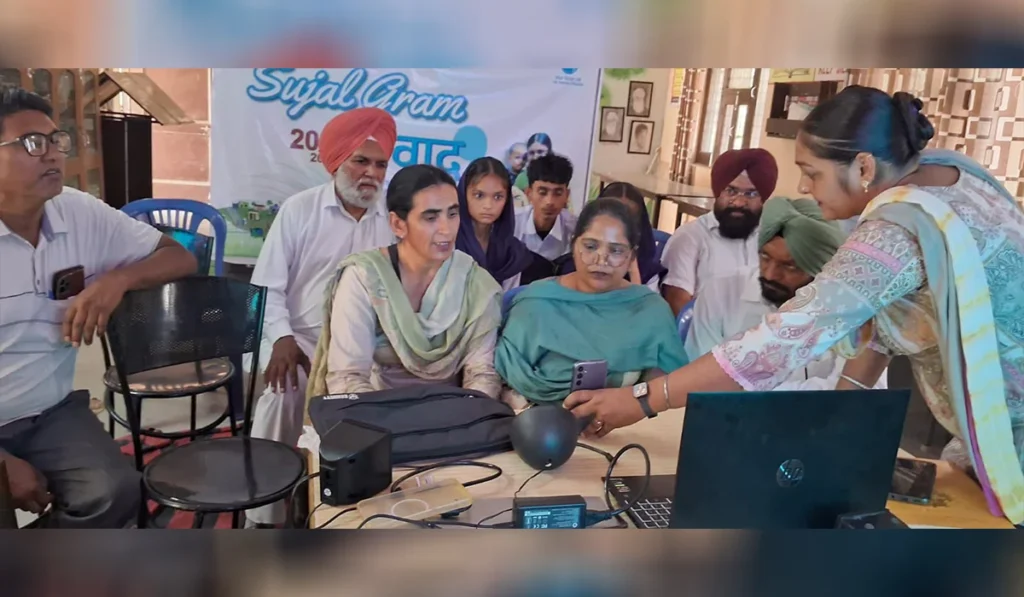
Gill Kalan’s remarkable efforts received national appreciation during the “Sujal Gram Samvad”, a special virtual conference organised under the Jal Jeevan Mission. Selected villages and administrative officials from across India participated in the event.
This recognition has not only brought honour to Gill Kalan, but has also given Bathinda district and Punjab a distinct identity for effective community participation and sustainable water supply management. Senior officials of the Central Government said that the Gill Kalan model should be replicated in villages across other states as well.
Strong Infrastructure and Community Ownership
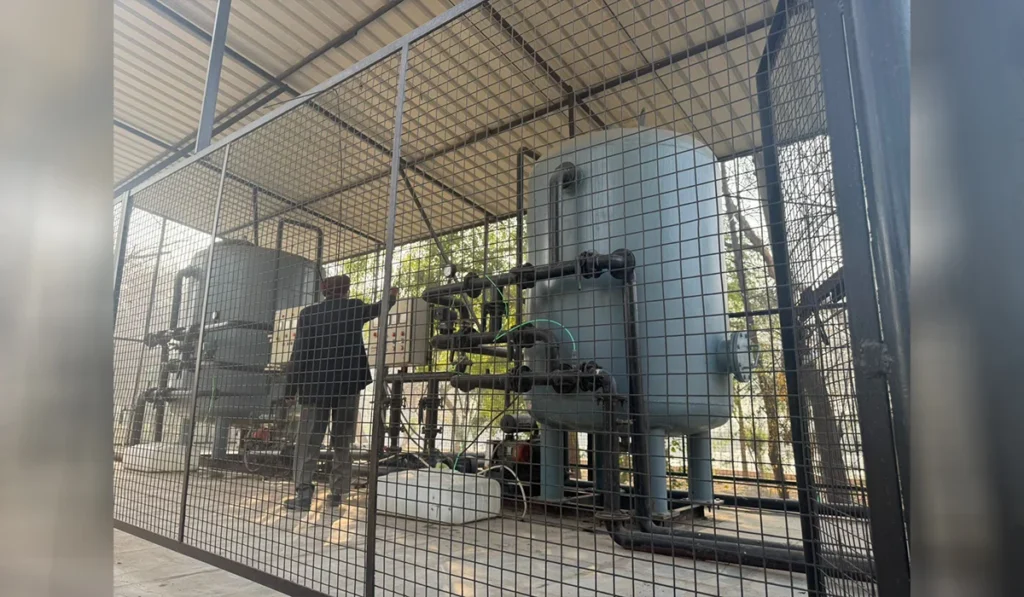
Behind this success lies both community effort and strong government-supported infrastructure. The village mainly depends on canal water supply. In 2020, its old water supply scheme was upgraded at a cost of ₹2.96 crore to meet modern requirements.
During 2021-22, pipelines were laid, storage tanks were repaired and the system was further strengthened.
A major turning point came in September 2022, when the Department of Water Supply and Sanitation handed over the local management, operation and maintenance of the entire scheme to the village’s Gram Panchayat Water Supply Committee. This marked the beginning of a new phase of self-reliance for the village.
From Challenges to Success
The journey was not easy. Gill Kalan has 784 households. Initially, many villagers were hesitant to use the canal-based government water supply. They preferred underground water from submersible pumps, even though it was not fully safe for health.
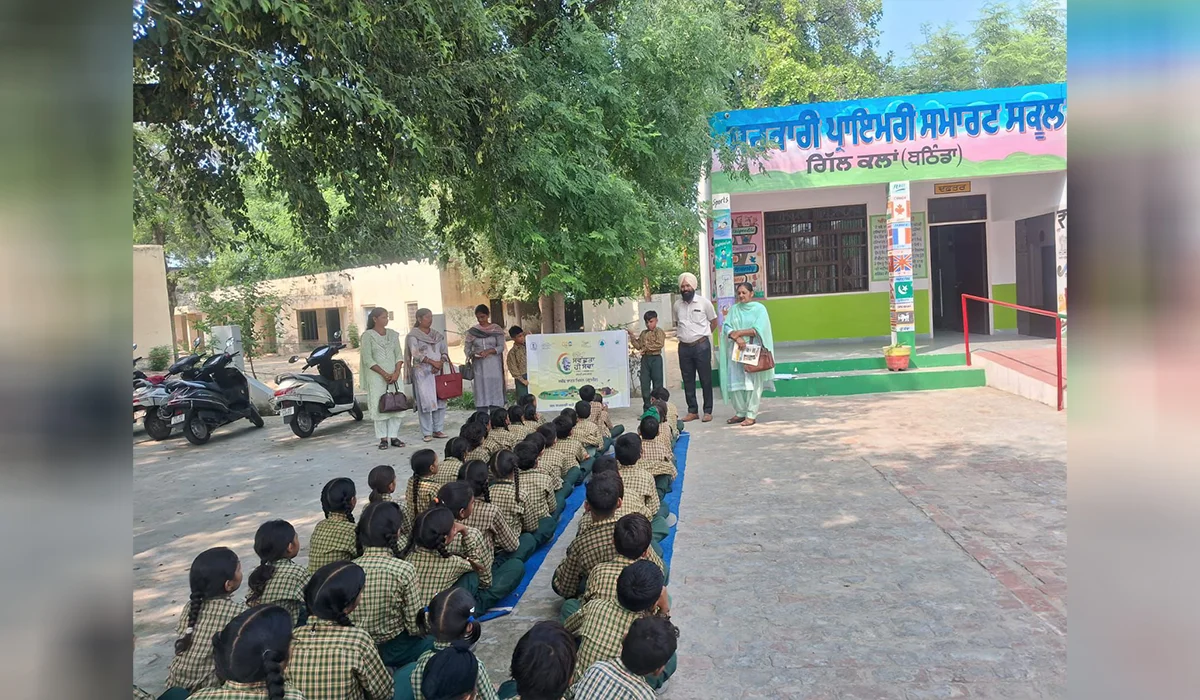
To address this, the panchayat, water supply committee and social mobilisers launched regular awareness campaigns. They went door to door and explained the benefits of safe drinking water.
To build trust, water quality was tested live in front of villagers using field testing kits. Once people saw the transparent testing process and the positive results, their confidence in the government supply increased.
Soon, villagers voluntarily applied for domestic tap water connections. Eventually, all 784 households received tap water connections, achieving 100% coverage.
A Financially Self-Reliant Water System
The biggest strength of Gill Kalan’s model is that the scheme is not limited to supplying water. It is also financially self-reliant.
Today, every household receives clean drinking water regularly for four hours a day without interruption.
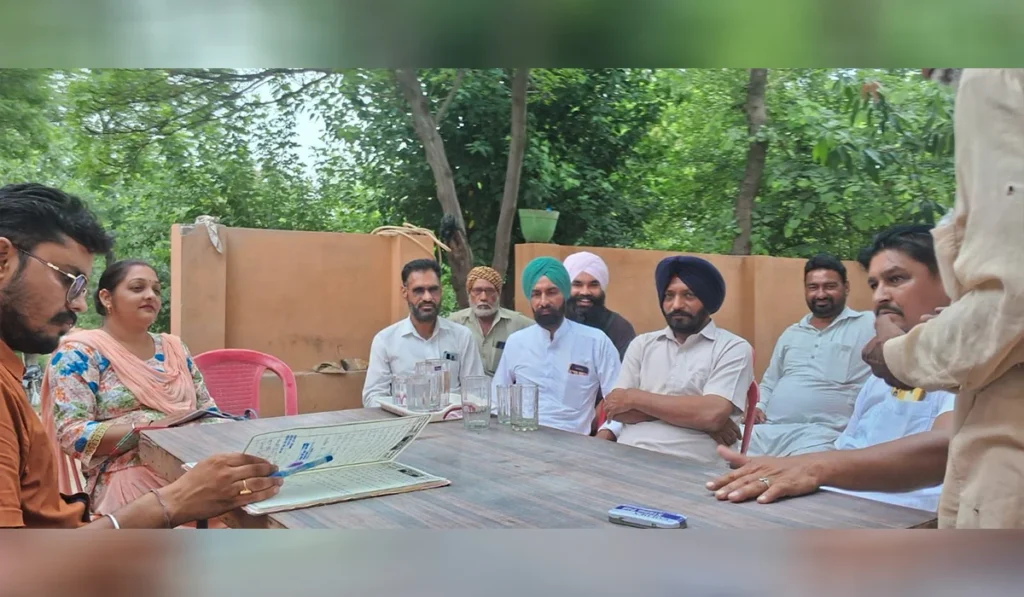
The Gram Panchayat Water Supply Committee manages the entire system efficiently. A private pump operator has been appointed to handle technical operations and maintenance. His salary and other expenses are covered through the modest water bills paid by villagers.
Residents pay their bills on time every month. After meeting all annual operation and maintenance expenses, the committee still earns nearly ₹2 lakh in net savings every year.
So far, around ₹6 lakh has been saved in the committee’s bank account. This fund can be used in the future for major repairs or system expansion, reducing dependence on government grants.
Public Support Makes Government Schemes Sustainable
Bathinda Deputy Commissioner Rajesh Dhiman praised the village panchayat, water supply committee, department engineers and the entire community for this achievement.
He said Gill Kalan has proved that when government schemes receive public cooperation, they become sustainable for the long term. The village has set a new example of accountability and transparency.
He added that regular awareness camps, community meetings and continuous water testing played a major role in keeping people actively involved.
A Model for Other Villages
Gill Kalan’s success is not just a village-level story. It is a roadmap for thousands of villages across India.
This model shows that rural development does not depend only on large grants or funds. What matters most is community unity, transparent management and the mindset of treating public infrastructure as one’s own shared asset.
Today, Gill Kalan stands as one of the finest examples of a community-managed water supply system in the country.
It is hoped that other villages in Punjab and across India will draw inspiration from Gill Kalan and move towards self-reliant, sustainable development.


Leave a Comment