
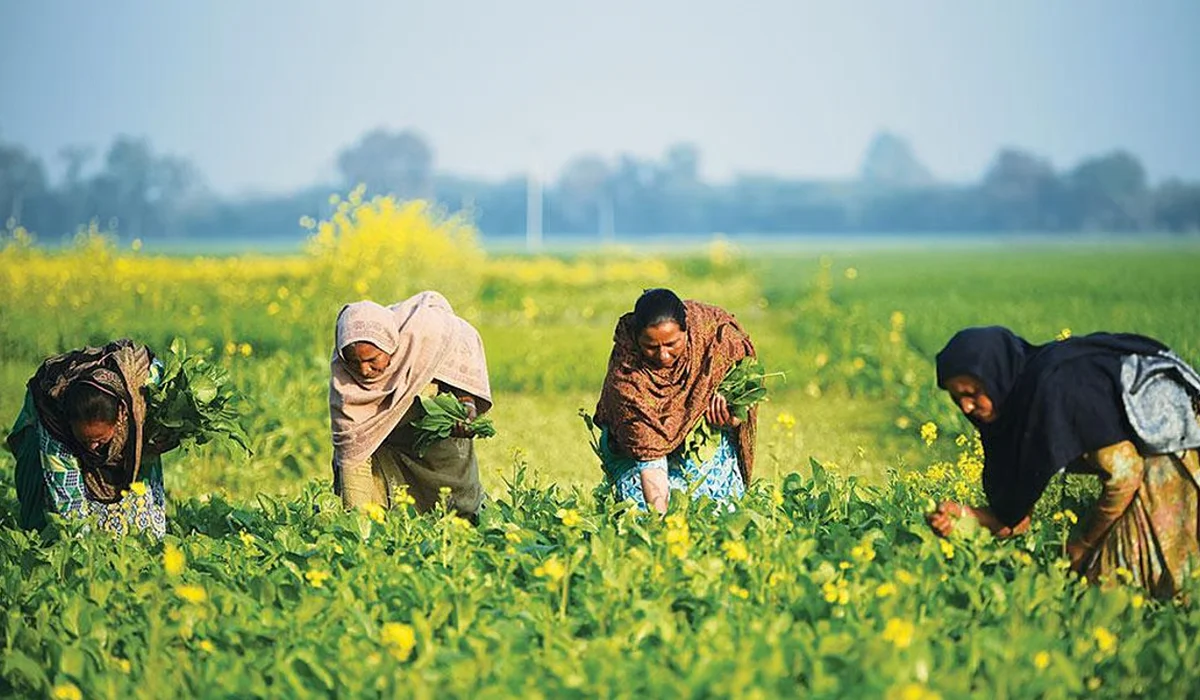

Long before the first tractor rumbles across Punjab’s fields each morning, thousands of women have already begun their day.
In a village near Sangrur, 50-year-old Balwinder Kaur wakes before dawn. She prepares tea for her family, feeds the livestock, milks the buffaloes, cooks meals for the farm workers, and only then heads to the paddy fields for transplantation. Until afternoon, she stands knee-deep in water alongside labourers. By evening, she returns home to tend the cattle, chop fodder and prepare dinner.
Yet, according to official records, Balwinder Kaur is not a farmer. She is merely listed as a farmer’s wife.
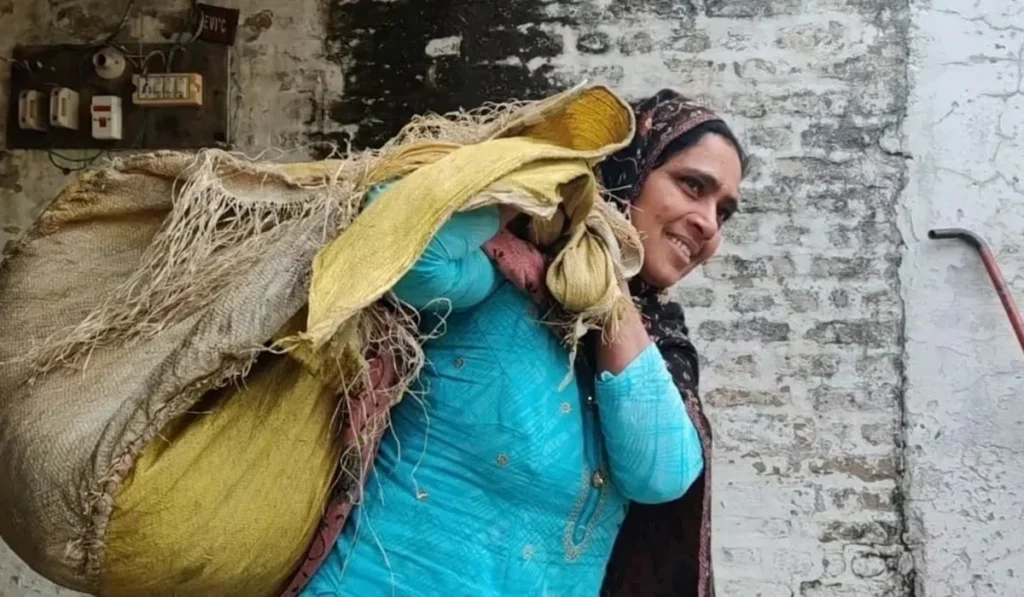
This contradiction lies at the heart of a global conversation that gained renewed momentum in 2026, when the United Nations declared the year as the International Year of Women Farmers. The initiative aims to recognise the millions of women worldwide who quietly sustain food security, rural economies and agricultural systems, yet whose contributions often remain invisible.
For Punjab—the food bowl of India—the declaration carries special significance.
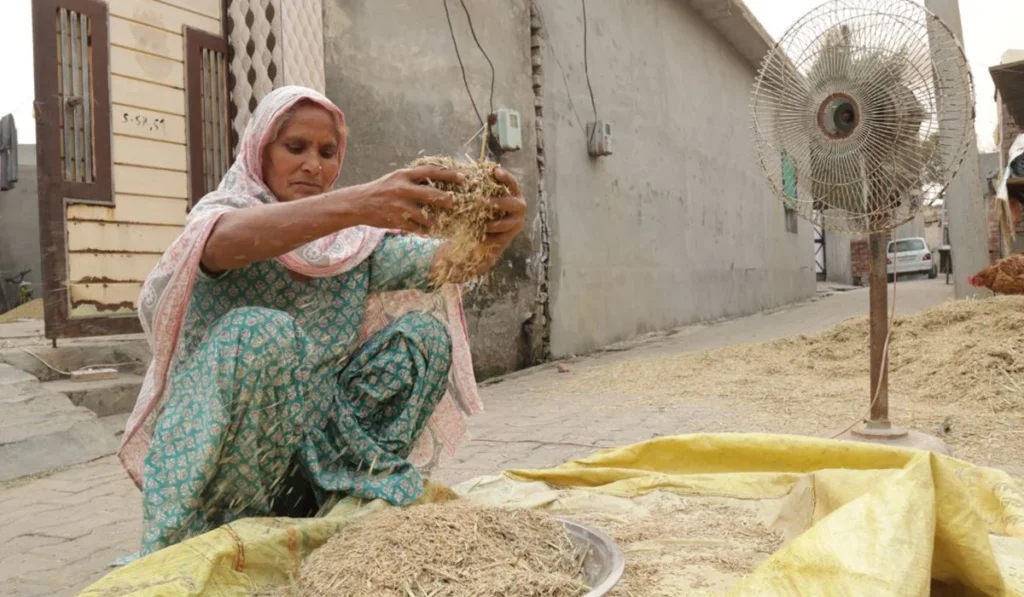
For decades, the story of Punjab’s agriculture has largely revolved around men driving tractors, negotiating crop prices in mandis, or leading farmers’ movements. Yet there has always been another side to this story: the women who have remained at the centre of farming, even though they have rarely been officially recognised as farmers.
Across rural Punjab, women participate in almost every stage of agriculture. From transplanting paddy and removing weeds to harvesting crops, collecting fodder, managing dairy animals, preserving seeds and ensuring household food security, their labour forms the invisible foundation upon which Punjab’s agricultural economy stands.
The scale of this hidden workforce is reflected in data from the Food and Agriculture Organization (FAO). According to the agency, women account for approximately 41 percent of the global agricultural and food workforce. In South Asia, agriculture continues to be the largest source of employment for women. Yet much of their work remains undocumented and undervalued.
Punjab is a living example of this reality
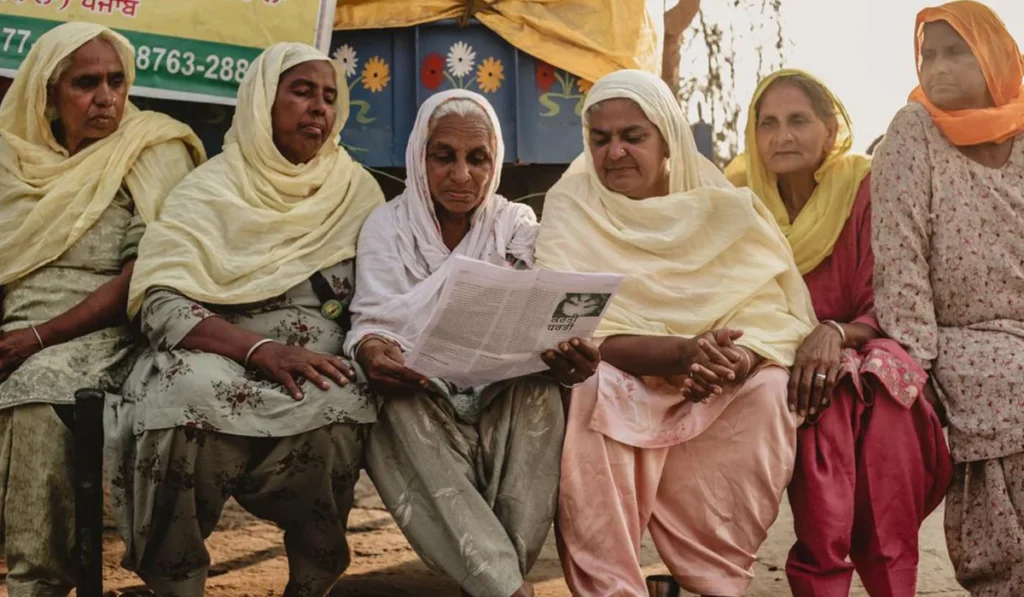
Over the past several years, another major transformation has reshaped rural life. Large-scale migration from Punjab to countries such as Canada, Australia, the United Kingdom and Italy has significantly altered village demographics. Every year, thousands of young men leave in search of opportunities abroad, leaving farming responsibilities increasingly in the hands of women.
In districts such as Sangrur, Barnala, Mansa and Gurdaspur, more women are now planning crops, organising irrigation, hiring labourers and supervising harvests. Yet despite managing agricultural operations, many still lack legal recognition as farmers because the land titles remain in the names of male family members.
This is a reality well understood across rural Punjab. Women cultivate the land, make agricultural decisions and bear farming risks, yet they continue to be excluded from the formal identity of being farmers.
This is not merely a matter of terminology
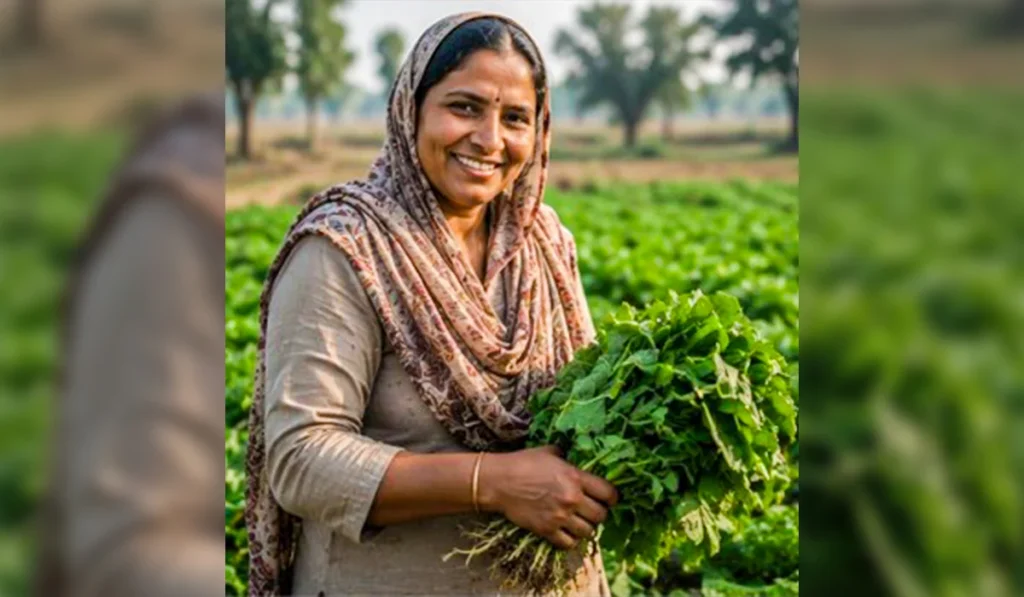
Without land ownership, many women struggle to access institutional credit, crop insurance, agricultural subsidies and government welfare schemes. When they remain absent from official statistics, their voices are also absent from agricultural policymaking.
It is precisely this invisibility that the United Nations seeks to address through the International Year of Women Farmers. At a time when agriculture faces mounting pressure from climate change, women’s role has become even more critical. Punjab is already grappling with declining groundwater levels, rising temperatures, erratic rainfall and increasing cultivation costs.
According to international studies cited by the FAO, every additional day of extreme heat reduces the value of women farmers’ crop production by nearly three percent more than that of men. Limited access to land ownership, irrigation, machinery, financial services and climate information makes it even harder for women to adapt to changing environmental conditions.
Yet women are often leading the way in adapting to these challenges.
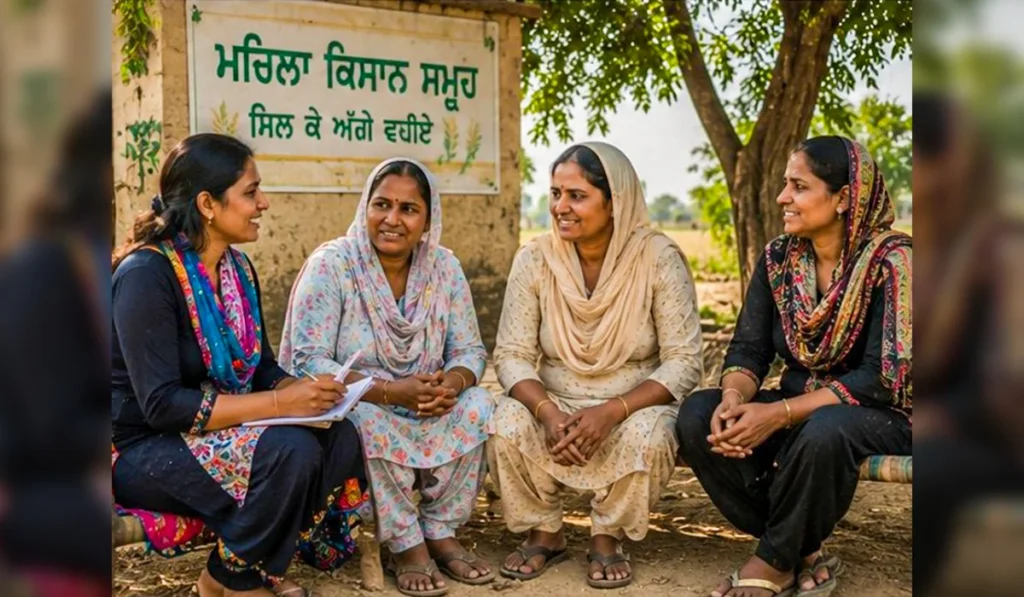
Across Punjab’s villages, countless women continue to preserve traditional seed varieties, maintain household kitchen gardens, strengthen family incomes through dairy farming and safeguard dietary diversity. Their knowledge of seeds, nutrition, water conservation and food systems represents an invaluable resource whose significance has yet to be fully recognised.
This is also why the global conversation increasingly focuses on food sovereignty—the principle that people and communities should have the right to determine how food is produced, distributed and consumed.
Women stand at the very centre of this philosophy. For generations, they have served as custodians of traditional foods, indigenous seeds and agricultural knowledge.
Empowering women farmers also makes strong economic sense.
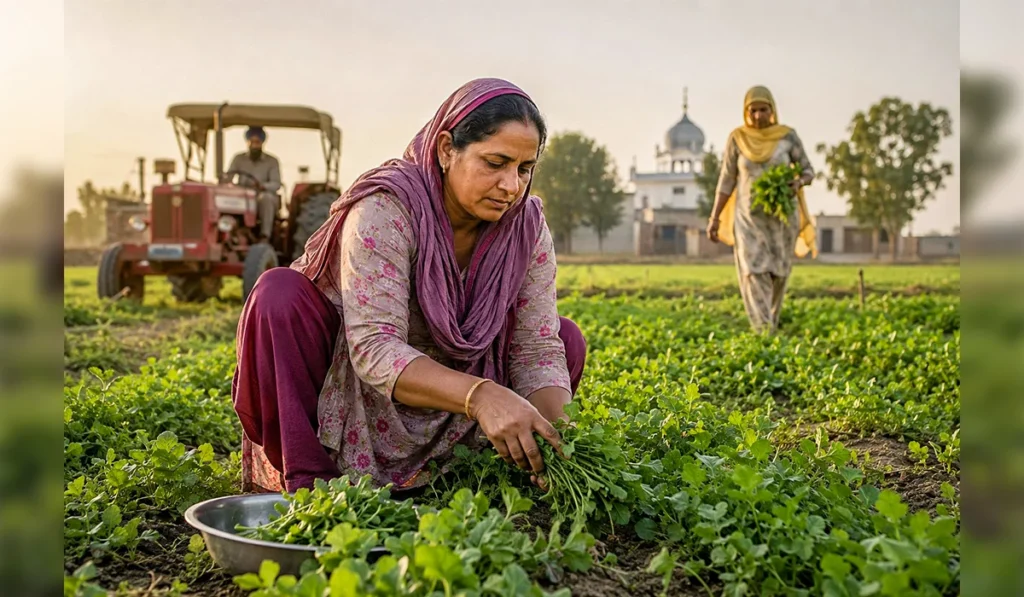
According to FAO estimates, reducing gender inequalities in employment, education and income could eliminate more than half of global food insecurity. Closing gender gaps in agricultural productivity and wages could add nearly one trillion US dollars to the global economy while reducing food insecurity for approximately 45 million people.
These figures make it clear that empowering women farmers is not merely an issue of social justice. It is equally a matter of economic growth, food security and climate resilience.
For Punjab, this lesson holds particular relevance.
Agriculture here is not simply an occupation; it forms a central part of the state’s identity, culture and way of life.
As another cropping season begins across Punjab’s fields, thousands of women like Balwinder Kaur will continue their daily routines. They will wake before sunrise, care for livestock, work in the fields and keep their families running.
The United Nations’ International Year of Women Farmers is therefore more than a symbolic recognition. It offers an opportunity to rethink who we recognise as farmers, whose labour we value, and whose voices deserve a place in decisions about the future of agriculture.
For Punjab—a land whose rural strength has always rested on the resilience and hard work of its people—recognising women farmers is not merely a question of justice.
It may well be essential for securing the future of Punjab’s agriculture itself.


Leave a Comment