
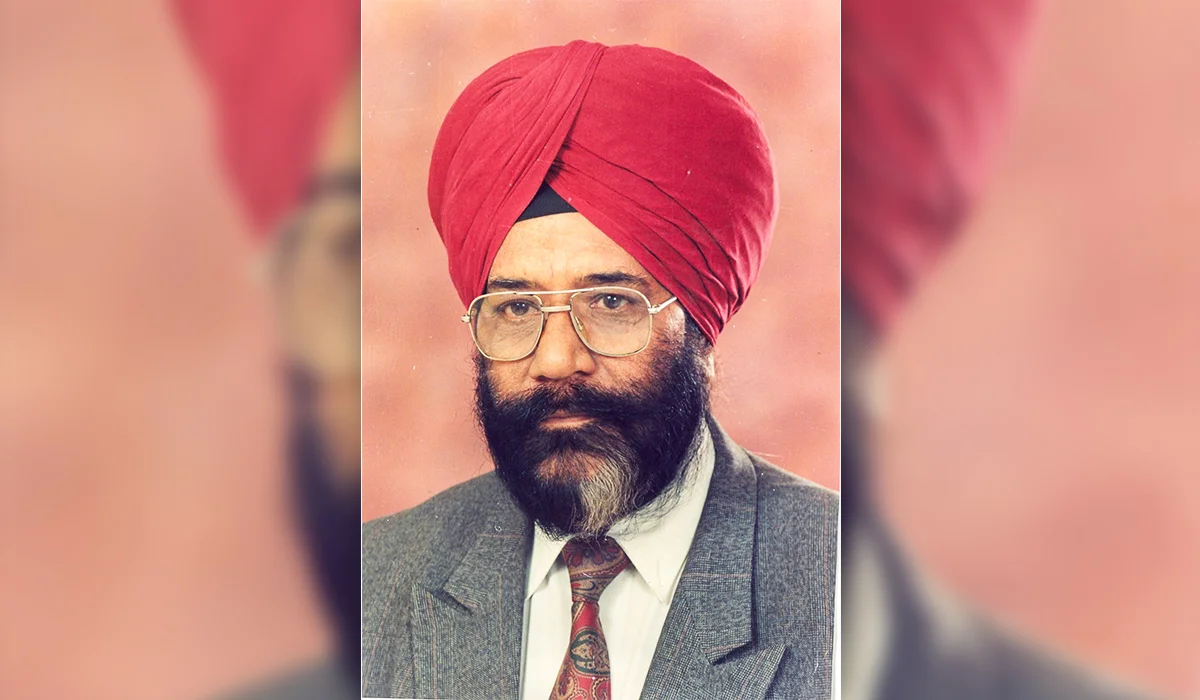

Some moments divide life into two parts. One exists before the news arrives, while the other begins after it. Such a moment arrived when the telephone rang with frightening urgency. On the other end was S. Jagdev Singh Jassowal. His trembling voice carried painful words. Inderjit Hasanpuri had fallen seriously ill. He had been admitted to Dayanand Hospital, and his condition was critical. The request was simple but desperate. Inform everyone who cared for him. Tell friends, admirers, and journalists. If there was any way to save him, every effort should begin immediately.
The shocking news left everyone speechless. It was difficult to accept that the energetic writer who inspired people with unmatched enthusiasm had suddenly become helpless. Even at the age of seventy-six, Hasanpuri remained full of life. His conversations carried warmth, his laughter filled every gathering, and his creative spirit refused to grow old. Kidney disease slowly weakened his body, while his heart also started failing. Those who had walked beside him for decades suddenly found themselves travelling through memories instead of conversations. Every meeting, every stage performance, and every cheerful discussion returned with painful clarity. His illness reminded everyone that legends may become physically weak, yet their creations remain stronger than time itself.
Why Inderjit Hasanpuri Was More Than Just a Lyricist
For millions of Punjabis, growing up meant listening to the songs written by Inderjit Hasanpuri. His lyrics were not simply entertainment. They became a part of weddings, fairs, family celebrations and everyday conversations. Few writers possess the rare ability to connect equally with villagers, city dwellers, farmers, students and music lovers across generations. Hasanpuri achieved exactly that. His songs carried the fragrance of Punjab’s fields, the rhythm of village life and the emotions of ordinary people.
His earliest famous composition,
“Sadhu Hunde Rabb Warge,
Ghund Kadd Ke Khair Na Paiye,”
introduced listeners to a writer who understood both folk tradition and poetic simplicity. Later, songs performed by celebrated singers expanded his reputation far beyond Punjab. Every new generation discovered him through different voices, yet the soul of his writing remained unchanged. His words carried honesty instead of artificial glamour. They celebrated love without exaggeration and portrayed rural culture without romantic fantasy. That rare balance allowed his songs to survive changing musical trends. Even today, many listeners know the lyrics by heart without necessarily realizing that Inderjit Hasanpuri wrote them.
Songs That Became Punjab’s Collective Memory
Among Hasanpuri’s countless creations, one song occupies a special place in Punjabi cultural history.
“Je Mundeya Mori Tor Tu Vekhni, Garhwa Lai De Chandi Da,
Lakk Hile Majajan Jaandi Da.”
The song became a celebration of youthful joy and traditional Punjabi spirit. Legendary singers Surinder Kaur and Harcharan Grewal gave it unforgettable life through their voices. Its playful rhythm, memorable expressions, and cultural imagery transformed it into a timeless classic. Even decades after its release, wedding orchestras, cultural festivals and folk performances continue to include it in their playlists.
An emotional reminder of the song’s enduring popularity came during the wedding celebration of the author’s son, Puneet, on 17 January. Several renowned Punjabi singers, including Harbhajan Mann, Pammi Bai, Amrinder Gill, Manna Dhillon and Dalwinder Dayalpuri, gathered on stage to sing the beloved composition together. Hasanpuri himself stood among them, smiling, dancing and enjoying every moment. The audience responded with thunderous applause. That unforgettable evening captured the writer exactly as people wished to remember him: cheerful, energetic and surrounded by music that had become part of Punjab’s identity. No one present could have imagined that only a short time later everyone would be praying for his recovery.

Leave a Comment