
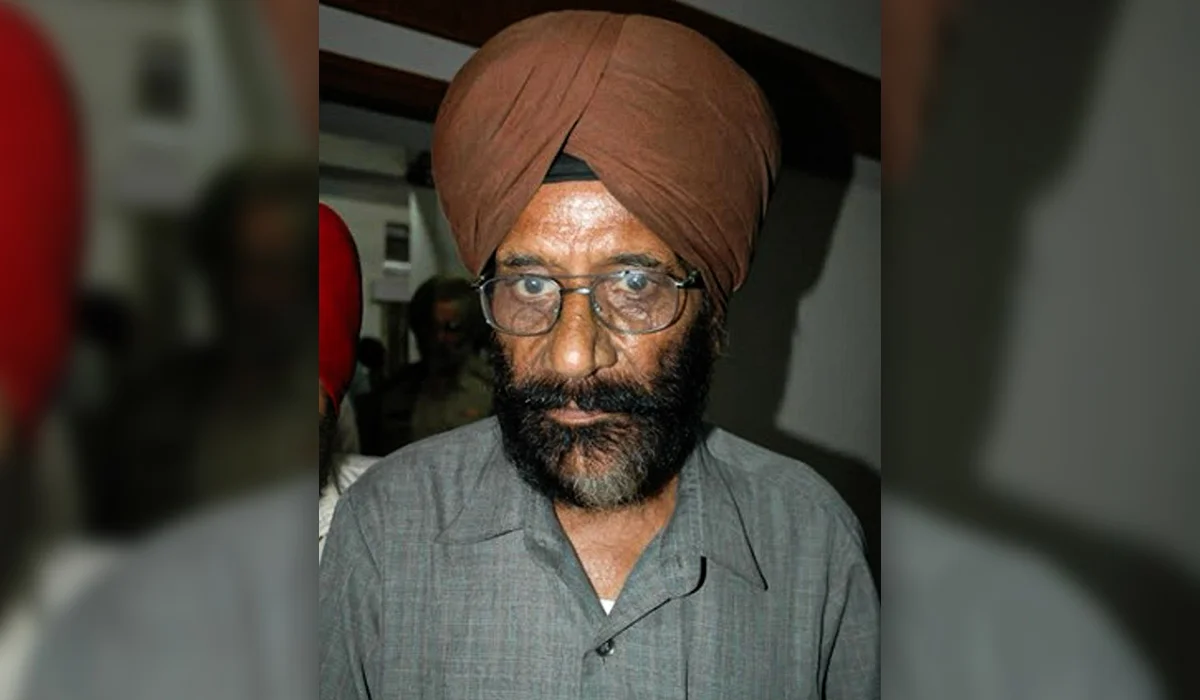

For many years, Inderjit Hasanpuri served as the Vice President of the Punjabi Sahit Academy, Ludhiana, and also led the Punjabi Ghazal Manch. His commitment to Punjabi literature was remarkable, and he celebrated the achievements of fellow writers as though they were his own. When Trailochan Lochi’s ghazal collection Dil Darwaze was published, Hasanpuri was overjoyed. His happiness resembled the pride that Punjabi families often feel at the birth of a son.
During the last few months of his life, however, a quiet sadness had begun to settle within him. He often shared his feelings with Jagdev Singh Jassowal, Gurpreet Singh Toor, and me. His dreams had begun to crumble, and those disappointments slowly weakened his spirit. He appeared cheerful in public, but those close to him knew that he was carrying deep emotional pain.
Today is not the time to discuss those struggles in detail. It is a time to remember the energetic poet, lyricist, filmmaker, and friend who filled every gathering with warmth and enthusiasm. It is easy to imagine him once again encouraging everyone to stay optimistic, debating the finer points of ghazal writing with Sardar Panchi, bringing life to Boota Singh Chauhan’s attic in Barnala, or preparing excitedly for another literary visit to England or the World Punjabi Conference. He always believed that better days were just around the corner and inspired others to believe the same.
When I later contacted Dr. Navdeep Singh Khaira, who had been treating him during his difficult days, the news was heartbreaking. His kidneys had failed, and during the night his heart had also stopped beating. Quietly and unexpectedly, Inderjit Hasanpuri had taken his final leave from this world.
At moments like these, his own ghazal comes to mind, almost as if it speaks directly to those left behind:
“Gather courage whenever the road becomes difficult.
Tears have often changed the course of destiny.
Those who challenge every obstacle
eventually learn to overcome them.
Even after falling, rise again with confidence.
Accept criticism with patience,
because greatness often invites scrutiny.”
These lines reveal the philosophy by which Hasanpuri lived. They celebrate resilience, dignity, and unwavering determination in the face of hardship.
Memorable Writings of Inderjit Hasanpuri
O Walls of Sirhind
One of Hasanpuri’s most powerful compositions mourns the martyrdom of the younger sons of Guru Gobind Singh. In this poem, he speaks directly to the walls of Sirhind, condemning them as silent witnesses to a terrible injustice. He imagines the innocent children as beloved sons of caring parents whose lives were cruelly cut short. The poem expresses grief, outrage, and reverence, while reminding readers that tyranny can never erase the memory of sacrifice. It stands as both a tribute to courage and a lasting reminder of one of Sikh history’s darkest chapters.
When Memories of My Beloved Return
This lyrical composition portrays the pain of separation through familiar images from Punjabi village life. The spinning wheel refuses to move smoothly because every memory of the beloved interrupts the work. The spinning thread snaps repeatedly, the spindle loses its balance, and even visits to friends fail to ease the loneliness. Ordinary surroundings become reminders of absence. Hasanpuri compares himself to a fish struggling without water, expressing how unbearable distance can become when love remains strong.
Strong Winds Blow Everywhere
In this thoughtful ghazal, Hasanpuri reflects on a world filled with conflict and uncertainty. Fierce winds threaten to extinguish every flickering lamp of hope. Trees appear to weep, peaceful shade seems to burn, and the earth itself is burdened with countless tragedies. However, the poet refuses to surrender to despair. Instead, he dreams of a world where peace replaces violence, where birds can fly freely without fear, and where songs celebrating justice echo across every land. For him, poetry becomes a lamp that can push back even the darkest night.
Let the Five Rivers Awaken
This inspirational song is a heartfelt appeal for unity among Punjabis. Hasanpuri calls upon people to remember their shared heritage and revive the teachings of Guru Nanak, Waris Shah, and Bulleh Shah. He urges society to leave behind hatred, violence, and division, and to replace them with compassion and mutual respect. The repeated image of the five rivers symbolizes not only Punjab’s geography but also its collective spirit. The poet believes that love is stronger than any weapon and that lasting peace can only be achieved when people choose understanding over conflict.
A Legacy That Lives On
Inderjit Hasanpuri was much more than a successful lyricist or celebrated poet. He was a passionate advocate for the Punjabi language, literature, and cultural identity. His writings carried the emotions of ordinary people while addressing universal themes of love, sacrifice, courage, peace, and hope. His poems continue to inspire readers because they speak with honesty and compassion.
Although he is no longer with us, his voice survives through every song, ghazal, and poem he left behind. His words continue to encourage people to face adversity with courage, protect their cultural heritage, and believe in the enduring power of humanity. That is why the memory of Inderjit Hasanpuri remains impossible to forget.

Leave a Comment