

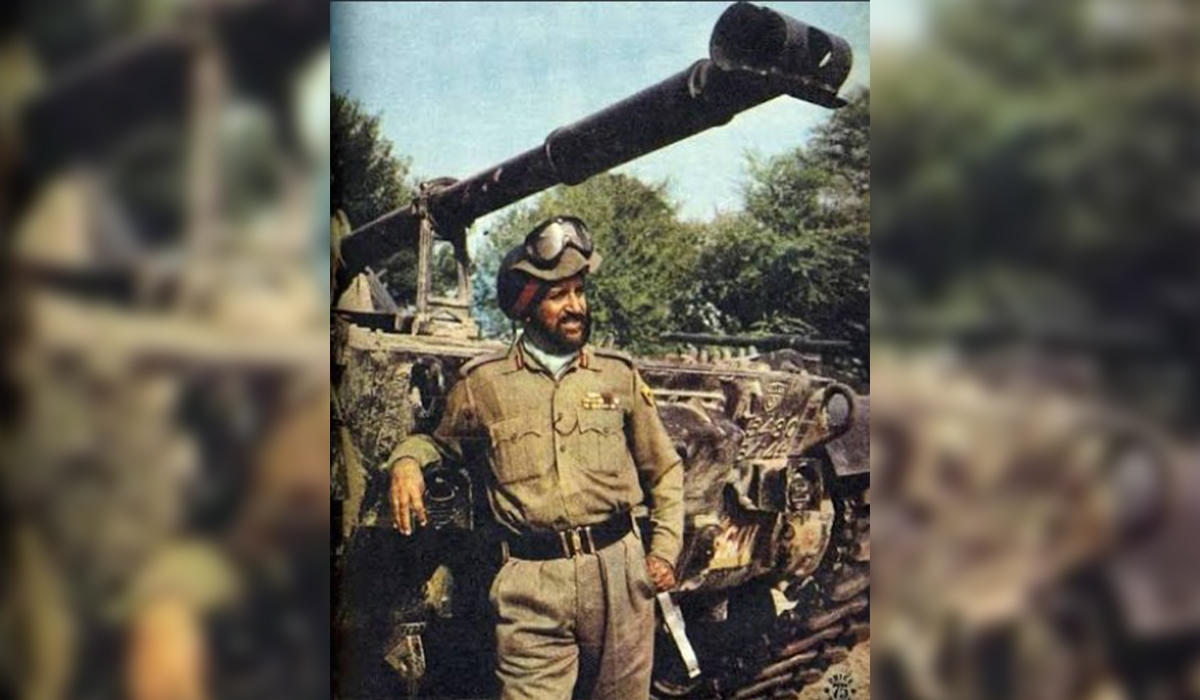

In the history of the Indian Army, the names of certain brave generals are etched in golden letters, individuals who, with their unparalleled strategic brilliance and unwavering courage, turned losing battles into magnificent victories on the battlefield. One such great warrior was Major General Rajinder Singh, whom the entire nation affectionately and respectfully knows as ‘Sparrow’. He is one of the select few braves of the country to have been awarded India’s second-highest gallantry award, the “Maha Vir Chakra,” twice (MVC & Bar).
Early Life and Military Journey
Major General Rajinder Singh was born on October 3, 1911, into a Sikh Shergill Jatt family in the Gurdaspur district of Punjab. He received his primary education at Khalsa College, Amritsar. From childhood, he had a deep interest in sports and military life. On the basis of his merit, he joined the army through the Army Cadet College (Nowgong) and in January 1938, was commissioned as an officer in the renowned ‘7 Light Cavalry’ regiment of the Indian Army. He also rendered outstanding services with this regiment during the Second World War.
There is an interesting story behind the nickname “Sparrow” becoming attached to Major General Rajinder Singh’s name. It is said that during his school days, he flawlessly recited a long English poem titled “I am a Little Sparrow” from memory. Impressed by this, he was given this name, which he cherished and kept as a permanent part of his identity for the rest of his life.
Kashmir Operations: The First Maha Vir Chakra
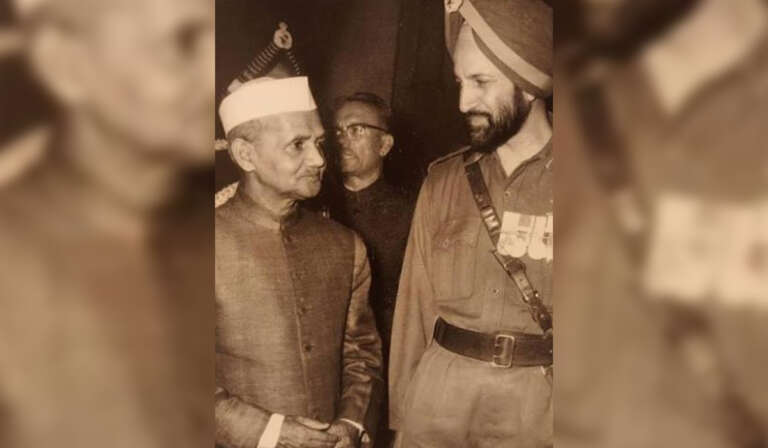
During the post-independence Kashmir Operations of 1947-48, Lieutenant Colonel Rajinder Singh Sparrow proved his leadership mettle. He played a crucial role in liberating Jhangar from enemy occupation. Furthermore, when the Pakistani army conspired to separate Ladakh from India, they captured the 11,575-foot-high, snow-covered Zoji La Pass. The enemy had established very strong fortifications on the mountain peaks, resulting in the failure of several attacks by the Indian infantry after suffering heavy casualties.
In this situation, Major General K.S. Thimayya planned to deploy tanks there. This responsibility was assigned to the Commanding Officer of the 7 Light Cavalry, Lieutenant Colonel Rajinder Singh Sparrow. At that time, military experts worldwide considered it impossible to transport tanks to such extreme snowy heights. Colonel Sparrow, maintaining utmost secrecy, had Stuart Tanks dismantled and transported them under tarpaulins at night to Baltal.
On November 1, 1948, amidst heavy snowfall, the Indian tanks launched a surprise attack on the enemy positions. Hearing the roar of tanks on the snowy mountains, panic spread among the Pakistani army, and they fled the battlefield. This successful deployment ensured that Kargil and Leh-Ladakh remained an integral part of India forever. For this entire Kashmir Operation and his unparalleled strategic courage, he was honored with the country’s first ‘Maha Vir Chakra’.
The Battle of Phillora and Pagowal: The Second Maha Vir Chakra
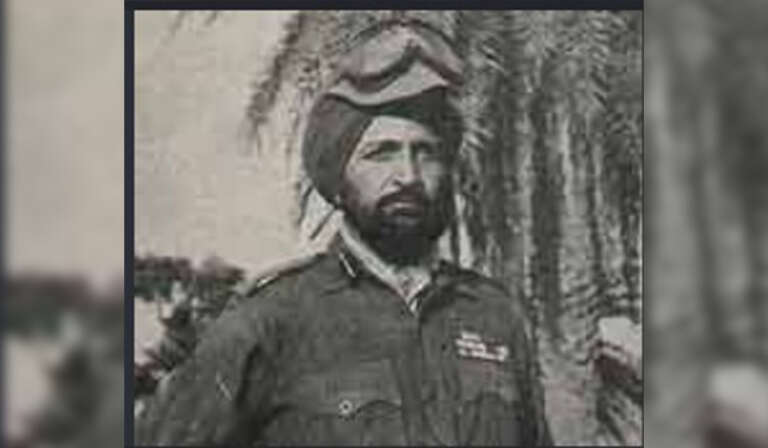
During the 1965 Indo-Pak War, Major General Rajinder Singh Sparrow was leading India’s most crucial 1st Armoured Division. In the Sialkot-Shakargarh sector, the Indian Army faced the Pakistani 6th Armoured Division, which was equipped with modern American-made Patton tanks. General Sparrow’s strategy encircled the Pakistani army in the areas of Phillora and Pagowal.
Key aspects of this historic tank battle:
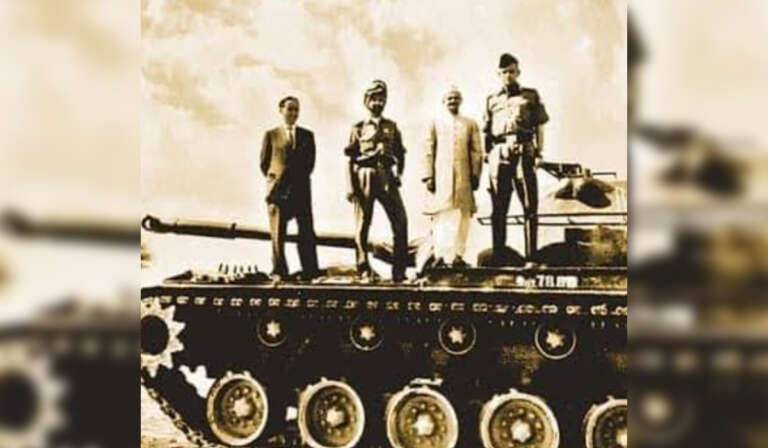
⚬ Largest Battle Since World War: The head-on tank battle at Phillora on September 11, 1965, is considered the world’s largest and fiercest tank battle since the Second World War.
⚬ Graveyard of Pakistani Tanks: In this battle, Indian soldiers destroyed 69 enemy tanks, while India lost only 9 tanks.
⚬ Leading from the Front: Instead of remaining at the headquarters, General Sparrow stayed present on the front lines himself to keep the morale of the soldiers high. By September 16, his division had completely liberated Phillora from enemy occupation.
Due to General Sparrow’s exceptional strategic skills, courage, and leadership, the Government of India honored him with this supreme gallantry award for a second time by awarding him the “Bar to MVC”.
Political Journey After Retirement
After retiring from the army on September 26, 1966, General Sparrow redirected his service to the nation toward democracy. He became active in Punjab politics and served as a Cabinet Minister in the Punjab Government led by Justice Gurnam Singh in 1967. Subsequently, he joined the Congress Party and was elected as a Member of Parliament from the Jalandhar Lok Sabha constituency, registering spectacular victories twice, in 1980 and 1984. In Parliament, he made significant contributions to security and defense matters.
Alongside politics, he was also very fond of sports. He was a high-ranking polo player (+4 handicap) and a hockey enthusiast. In his memory, the ‘General Sparrow Polo Cup’ was instituted within the Indian Army.
Family Legacy
Patriotism and bravery were in the blood of Major General Rajinder Singh ‘Sparrow’s entire family. Both of his sons served with high distinction in the Indian Army as Lieutenant Generals:
⚬ Lieutenant General Malvinder Singh ‘Binny’ Shergill: Like his father, he served in the 7 Light Cavalry and earned the ‘Vir Chakra’ for displaying bravery in the Shakargarh sector during the 1971 war. This is a remarkable example in military history where both father and son received gallantry awards for actions in the same sector.
⚬ Lieutenant General Tajinder Singh ‘Maun’ Shergill: He was associated with the ‘Deccan Horse’ regiment and fearlessly confronted the enemy in the Khem Karan sector of Punjab in 1965.
Memory and Legacy
In May 1994, at the age of 83, this great general passed away. Major General Rajinder Singh ‘Sparrow’ will always be remembered in Indian military history as a strategist who made the impossible possible using tanks, from the snowy mountains down to the plains.
Leave a Comment