
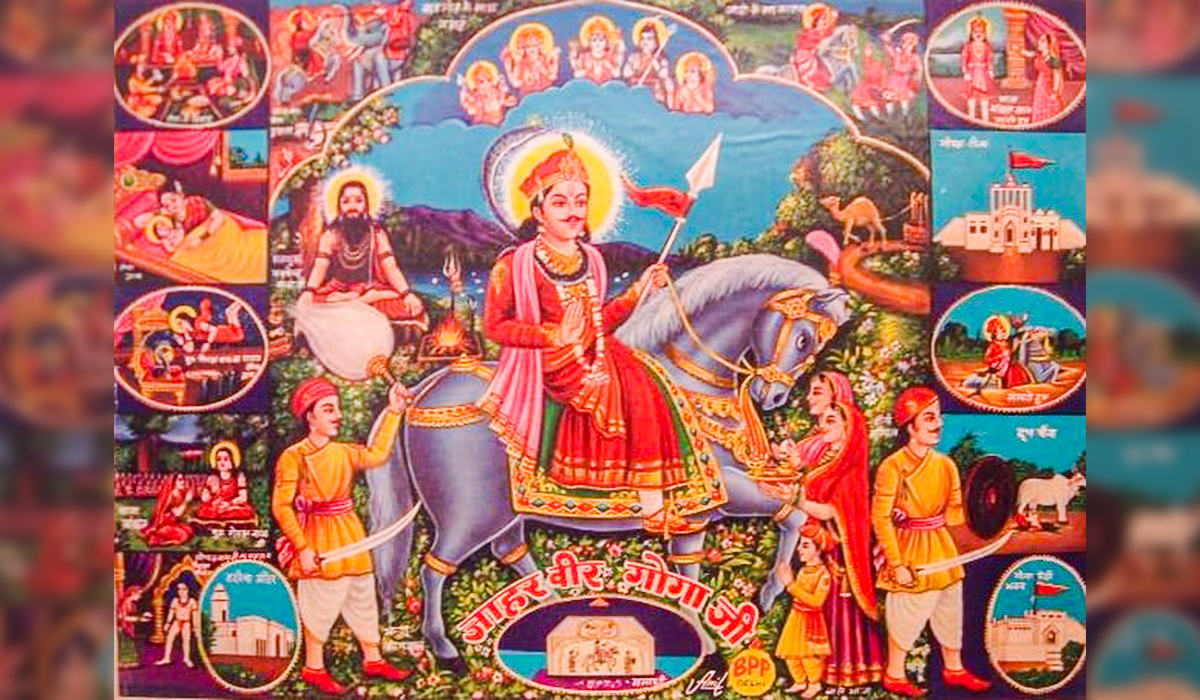

The land of Punjab is a land of fairs and festivals. The place of fairs in the lives of the people here is not limited merely to entertainment; rather, these have been important centers of our folk tradition, religious faith, social affinity, and cultural heritage. Throughout the year, numerous fairs are held in the villages of Majha, Malwa, and Doaba, but the Chhapar Mela, held on the land of Malwa, has its own unique identity. This famous fair, held in the village of Chhapar in Ludhiana district, is known for its religious and cultural significance not only in Punjab but also among Punjabis living outside Punjab.
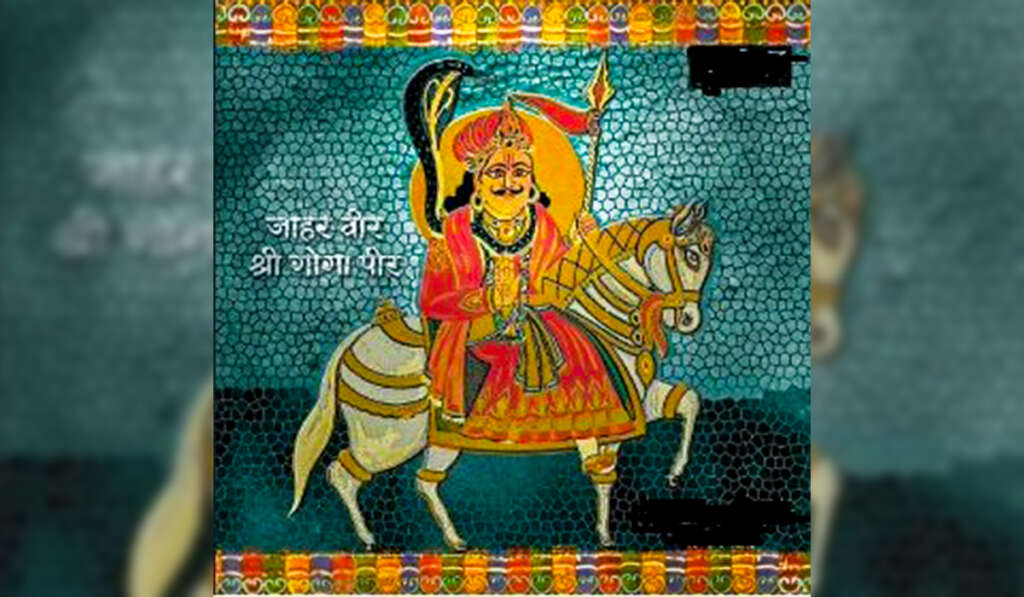
Associated with the Chanani Chaudas (the fourteenth day of the moonlit fortnight) of the month of Bhadon, this fair is related to the memory and folk faith of Gugga Pir, who is also known as Zahir Pir. Thousands of devotees reach here from far and wide. According to the details shared by several writers, the myth is that someone comes to make a vow, someone bows down in gratitude for a fulfilled vow, and someone reaches Chhapar merely to become a part of this grand folk festival. In this way, the Chhapar fair becomes a unique confluence of religious devotion, folk belief, entertainment, and Punjabi culture.
Even in folk couplets, the splendor of this fair is mentioned like this…!
The moonlit fourteenth of the month of Bhadon pleases everyone’s heart,
The congregation comes in millions, coming to the village of Chhapar.
Scooping out the soil seven times, they bow their heads before Gugga,
The world comes making vows, and goes home happily
History and Folk Beliefs of Chhapar Mela
The history of the Chhapar Mela is considered to be centuries old in folklore. Its roots are said to be connected to the folk worship of Gugga Pir and the folk beliefs related to snakes. Various folktales are prevalent about Gugga Pir in Punjab, Rajasthan, and many areas of North India. In folklore, he is remembered as a brave warrior and a power associated with snakes. For this reason, he is also revered in many places as the protector of serpents or as Zahir Pir.
Many folktales are also heard about Gugga’s Marhi (shrine) situated in Chhapar. According to a popular legend, a devotee family from the Bagar region came and settled in Chhapar. According to historical myth, a woman of the said family had a vision of Gugga Pir in her dream, and he gave a sign to build his shrine there. Following this, the popular belief of bringing soil and bricks from the Bagar region to establish the shrine here became prevalent.
In another folktale, there is a mention of an unbreakable affection between a child of a farmer family and a snake. According to folk belief, this supernatural story connected with the life and death of both of them further strengthened the devotion related to Gugga Pir. It is more appropriate to view these legends in the form of folk tradition and oral heritage rather than historical facts.
But it is also true that these folk beliefs have played a major role in keeping the identity of the Chhapar Mela alive from generation to generation. According to folk belief, the construction of a permanent shrine here took place roughly in the late nineteenth century. With time, this religious place took the form of a large complex, and the fair held around it also continuously expanded.
The Splendor of the Fair Begins with ‘Chaunkis’
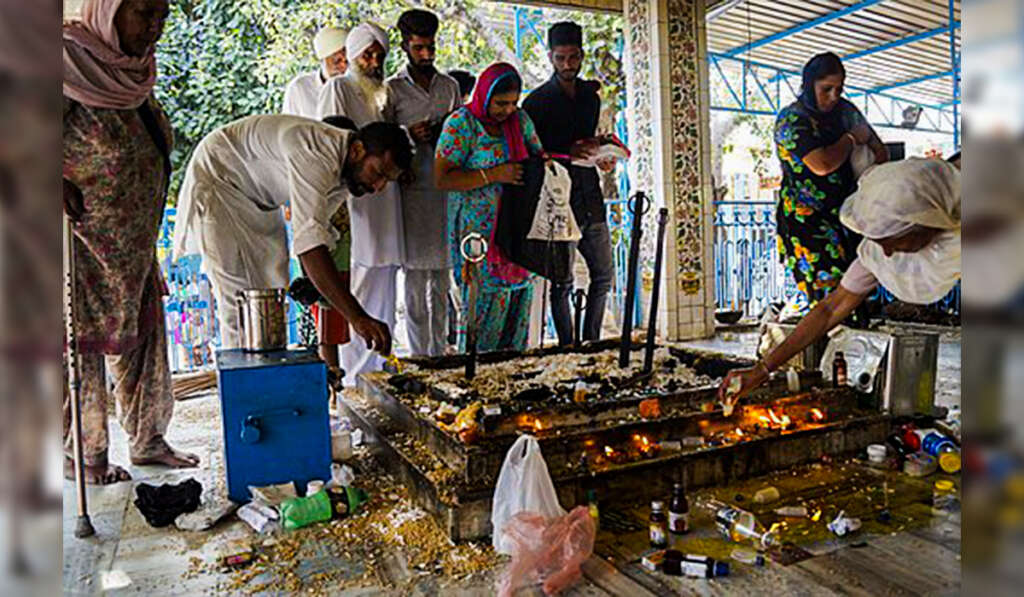
The beginning of the Chhapar fair is generally associated with ‘Chaunkis’ (congregational gatherings). On this occasion, women, children, and families reach the shrine of Gugga in large numbers. Devotees pay their respects, light lamps, and offer oblations according to their devotion. In many places, praises and folk songs of Gugga Pir are sung.
At night, the atmosphere around the shrine becomes even more spiritual. Devotees coming from far and wide, along with their families, become a part of this folk-religious tradition. In the old days, the atmosphere of the Chaunkis used to resonate with folk songs and traditional instruments. Even though the means of entertainment have changed today, the tradition of Chaunkis still remains a unique identity of the fair.
The Special Ritual of ‘Mitti Kaddhan’ (Scooping the Soil)
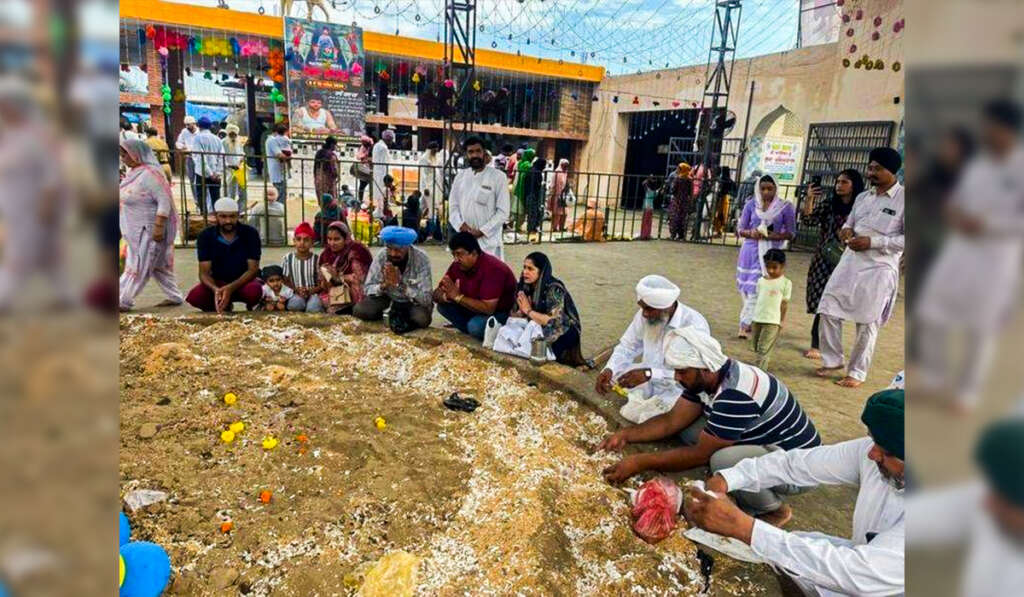
The most unique tradition of the Chhapar fair is the ritual of ‘Mitti Kaddhan’ (scooping out the soil). According to folk belief, devotees scoop out soil from the holy site of the shrine seven times. People’s religious sentiments are deeply connected to this ritual. It is believed that with a prayer offered with a true heart and by scooping out the soil seven times, the grace of Gugga Pir remains upon the family, and they are protected from snakes or other poisonous creatures.
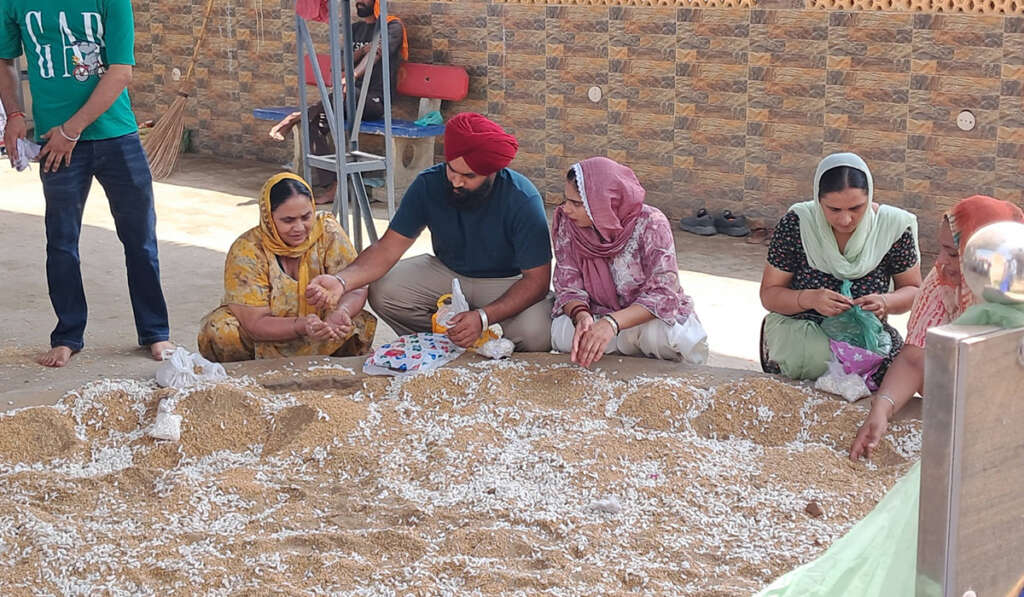
Many people make vows for the fulfillment of their wishes, and upon the fulfillment of the vow, they come to the fair again to scoop the soil and pay their respects. This ritual is not merely a religious act, but a part of folk belief and cultural memory passed down through generations.
Let it be known that the name of the Chhapar fair has also been specially known in Punjabi folk culture for the ‘Giddha of the Dhaniyan’ (troupes). In the old days, troupes of young men and men from different villages of Malwa used to reach the fair. They would form a circular ring to perform Giddha and showcase their art in front of each other through Bolis (folk couplets).
This Giddha was different from today’s women’s Giddha in terms of its form and tradition. In it, groups of men used to recite couplets related to their village, relationships, agriculture, love, humor, and social life. The fairground would resonate with the tunes of the dholak (drum), chhaine (cymbals), chimta (tongs), and other folk instruments.
These troupes were not just a means of entertainment, but also an expression of the cultural identity of the villages. The troupe of one village would engage in a creative competition with the troupe of another village through couplets. Thus, they made a significant contribution to passing on folk art and folk language from one generation to another.
Dhadd-Sarangi, Kavishari, and Naklan (Impersonation)
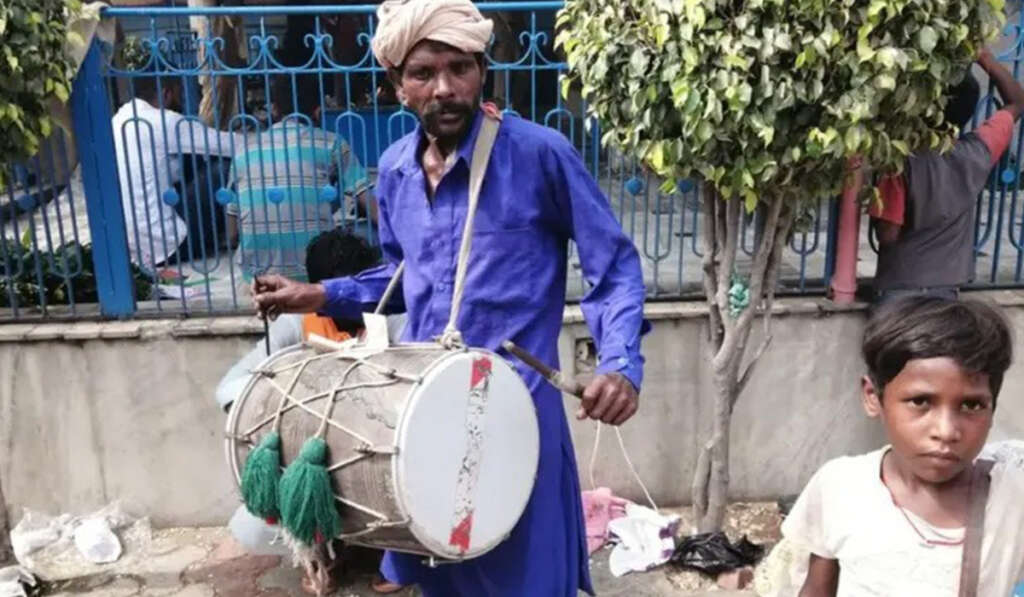
Like the old Punjabi fairs, the Chhapar fair also saw performers of Dhadd-Sarangi, Kavishars (folk poets), Nakalchis (mimics), Bhands (jesters), and folk singers presenting their art. With the beat of the Dhadd and the sweet tune of the Sarangi, historical tales, heroic ballads, and folk tales were narrated. The performances of the mimics and jesters would not only make the people laugh but also satirize social issues. Thus, along with entertainment, the fair also became a medium for folk education.
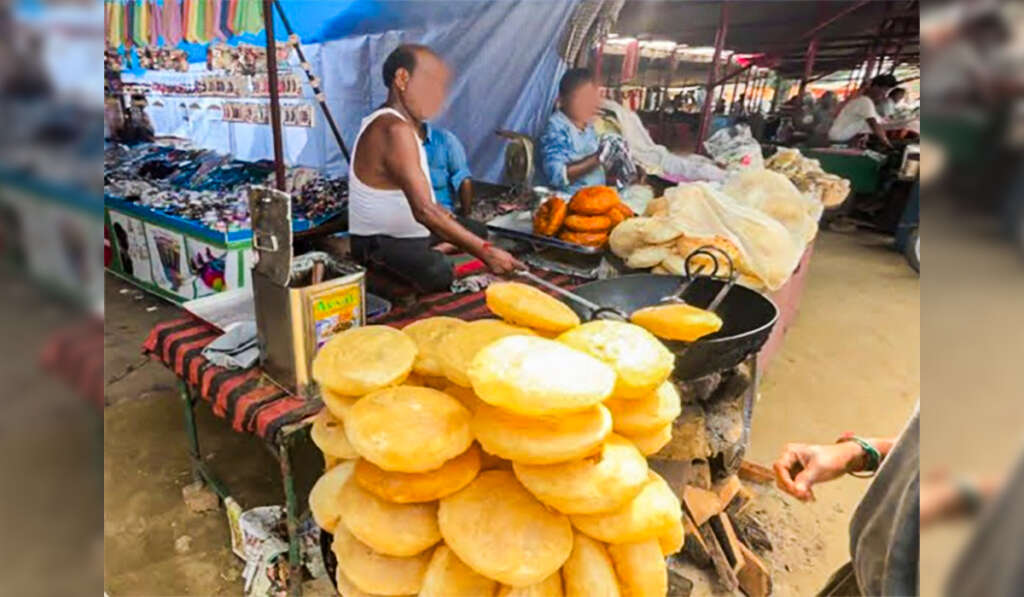
In modern times, the impact of these arts has decreased compared to before, but the Chhapar fair is still one of the important platforms keeping the memory of Punjabi folk art alive. The Chhapar fair is famous not only for its religious faith but also for its vast rural market. As soon as the fair begins, merchants from far and wide start decorating their shops. Colorful toys, household items, rural handicrafts, agricultural tools, and children’s favorite things increase the liveliness of the shops.
Among the sweets of the fair, ‘Khajla’ has its own distinct identity. This flaky and crispy sweet remains a center of special attraction for the people coming to the fair. Many people also buy it to take home. Besides this, stalls of Jalebis, Pakoras, Imarti, and other sweets are also an integral part of the fair.
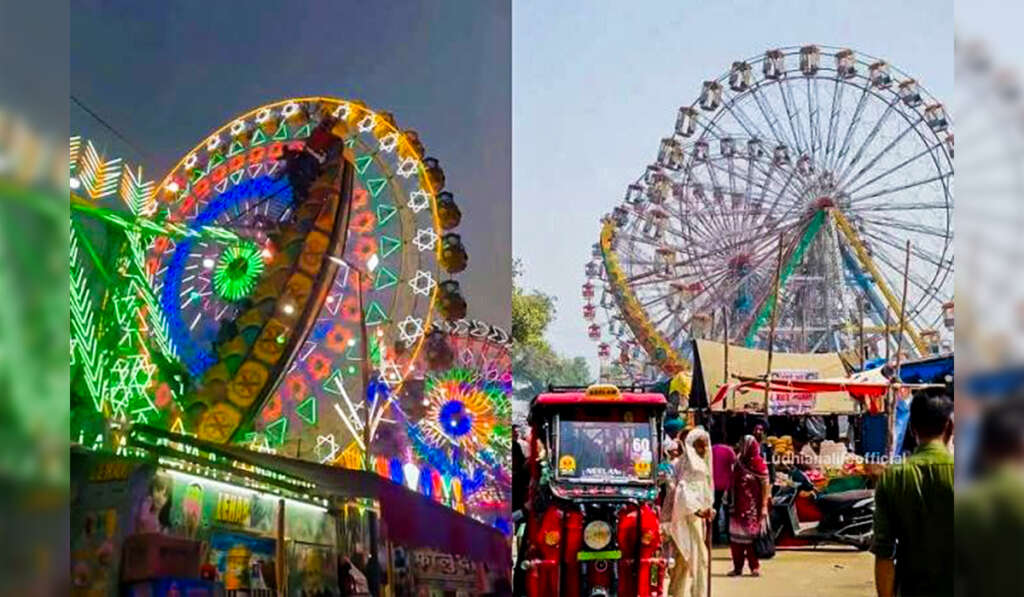
For children and youth, the Chhapar fair presents a different world of entertainment. Giant wheels, merry-go-rounds, boat rides, and other swings increase the splendor of the fair. For many years, the ‘Well of Death’ has also been a center of attraction for the people, where stunts on motorcycles or other vehicles are displayed. Similarly, the tricks of magicians, toy shops, and various entertaining programs draw children towards them. Because of this, the fair simultaneously becomes a center of both religious devotion and folk entertainment.
A Symbol of Universal Brotherhood and the Identity of Chhapar Mela Connected with Punjab’s Politics Too!
The most important feature of the Chhapar fair is its universality (communal harmony). This fair has not been limited to any single society or class. People from different religious and social backgrounds arrive here with devotion. Gugga Pir is remembered somewhere as the Snake-Deity and somewhere as Zahir Pir. In the folklore of Punjab, such shared folk beliefs have strengthened the feeling of affinity and mutual respect among different communities. That is why the Chhapar fair presents a picture of that shared culture of Punjab, in which people rise above religious and social divisions to mingle with one another.
The Chhapar fair maintains its identity not only culturally and religiously, but also in the political life of Punjab. In different eras, political parties have held their conferences and gatherings on the occasion of the fair. Because of this, the stage of the fair has often also become a center for discussion on the political issues of Punjab.
Political leaders have been addressing the gatherings here and presenting their views before the people. In this regard, the Chhapar fair also reflects the mutual relationship between Punjab’s social life and political activities. In the modern era, like every traditional fair, the format of the Chhapar fair has also undergone a change. Mobile phones, the internet, and social media have changed the methods of entertainment. Despite this, people’s attraction to the fair remains intact.
However, the influence of some ancient folk arts and traditional performances has diminished. DJs and modern music have somewhat reduced the space for folk instruments and traditional folk singing. The growing commercialization of the fair has also changed its old rural character.
The Eyewitness Splendor of the Fair
During the days of the fair, the atmosphere of Chhapar village changes completely. From the morning itself, the movement of devotees begins on the roads leading to Gugga’s shrine. Somewhere families are going to pay obeisance, somewhere children are running towards the swings, and somewhere shopkeepers are busy decorating their stalls.
The fairground sparkles with colorful shops and lights. The fragrance of sweets, the sounds of swings, the tunes of folk songs, and the hustle and bustle of people combine to create an atmosphere that makes Chhapar completely different from ordinary days.
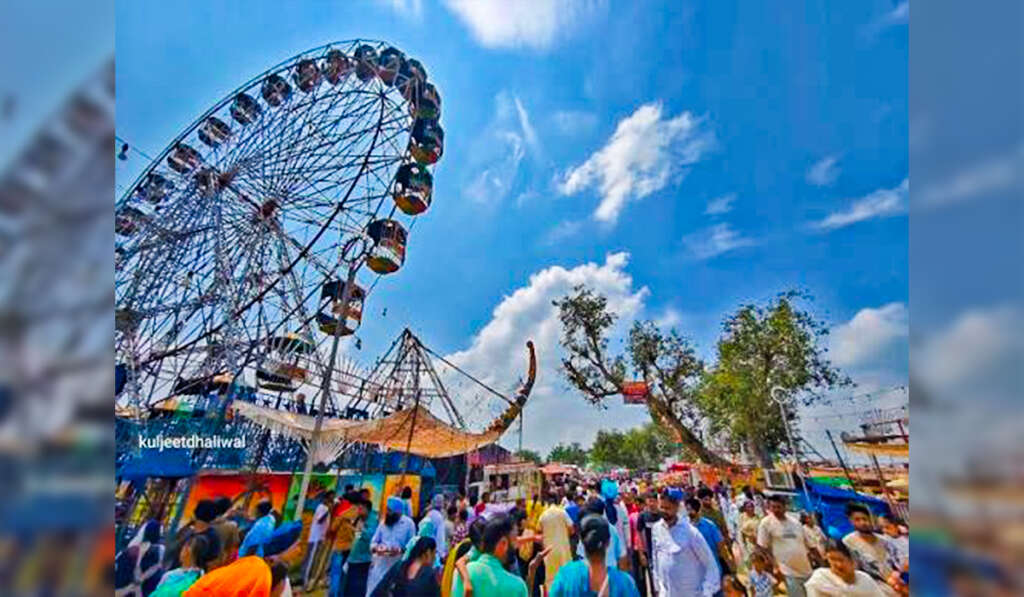
For people coming from far and wide, this is not just a one-day trip. Many families observe this as their old tradition. The elders narrate old memories of the fair to their children and grandchildren. In this way, the fair also becomes a journey of cultural memories from one generation to the next.
The Need to Preserve the Heritage
The Chhapar fair is an important part of Punjabi folk heritage. Therefore, along with maintaining its liveliness, it is also necessary to preserve its traditional identity. Special platforms can be provided to make arts like folk songs, couplets, the Giddha of troupes, Dhadd-Sarangi, Kavishari, and mimicry a part of the fair.
Efforts can also be made by schools, colleges, and cultural institutions to connect the new generation with these traditions. If exhibitions providing information about the history and folk beliefs of the fair are organized, the younger generation will get an opportunity to understand their heritage.
The Chhapar fair is not merely a religious fair, market, or a means of entertainment. It is that living manifestation of Punjab’s folk soul, in which religious faith, folk beliefs, cultural traditions, social harmony, and the colors of rural life appear together.
The caravans of people marching towards Chhapar on the occasion of the moonlit fourteenth of Bhadon, the bowing heads before Gugga’s shrine, the ritual of scooping the soil seven times, the memories of the troupe’s Giddha, the tunes of folk songs, the sweetness of Khajla, and the swings of the fairground—all these together transform the Chhapar fair into such a cultural picture where both the old and new forms of Punjab are visible.

Leave a Comment