
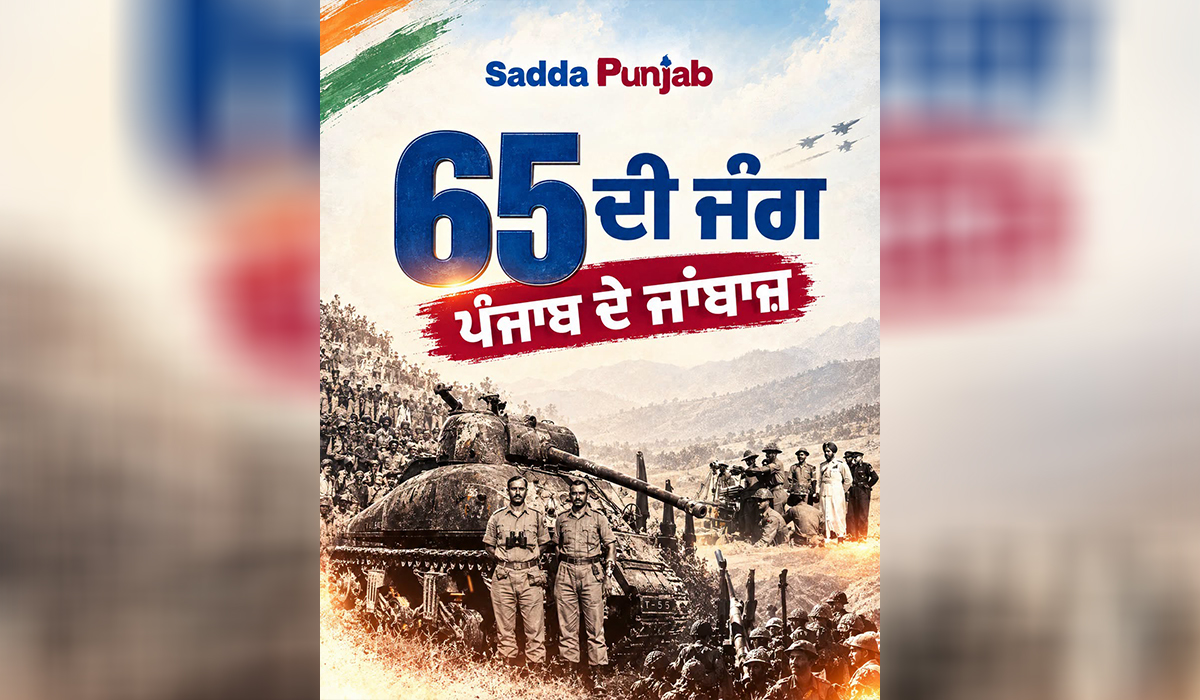

The 1965 Indo-Pak war is a significant chapter in Indian military history. During this war, many military officers and soldiers from Punjab and its adjoining areas set an example of extraordinary bravery, leadership, and dedication to the nation. Some faced enemy tanks, some held the fronts amidst heavy firing, and many bravehearts led their fellow soldiers without caring for their own lives. Many of them were honored with the Maha Vir Chakra (MVC), Vir Chakra (VrC), and other military honors.
Let us know about 15 such military heroes whose stories are recorded in the history of the 1965 war.
Lieutenant General Harbaksh Singh, Vir Chakra
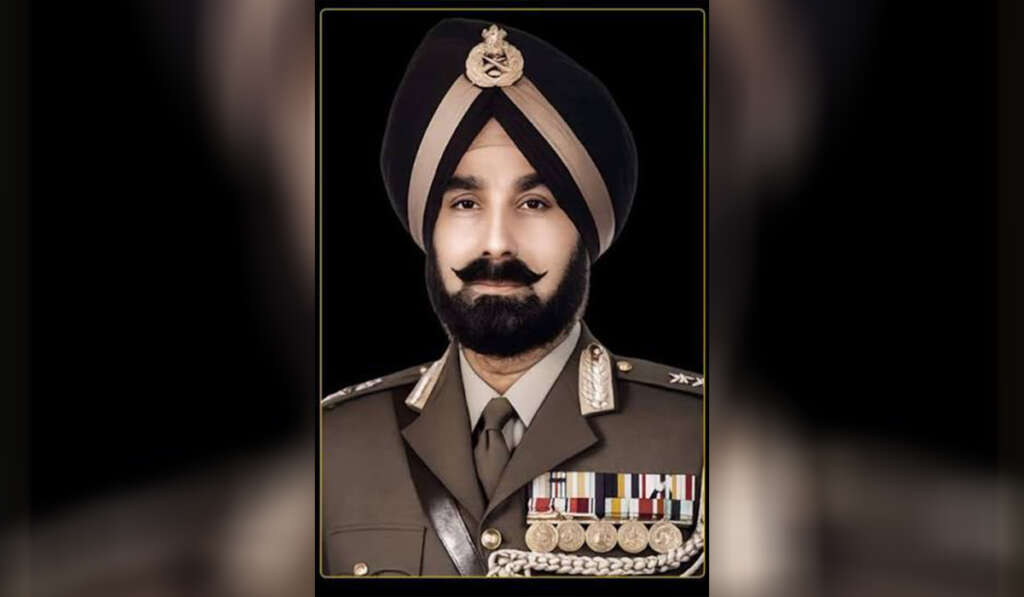
Lieutenant General Harbaksh Singh was one of the most famous and respected generals of the Indian Army. He was born on October 1, 1913, in Badrukhan, Jind district, which is in present-day Haryana. He was commissioned into the 5 Sikh Regiment. During the 1965 war, when the Pakistani army launched a heavy attack in the Khemkaran sector of Punjab, he was ordered to retreat across the Beas River. But Harbaksh Singh stood firm on the front. Under his leadership, the Indian Army countered the Patton tanks of the Pakistani army in the Battle of Asal Uttar and inflicted heavy damage on them. For his military service, he was honored with the Vir Chakra, Padma Bhushan, and Padma Vibhushan.
Major General Rajinder Singh ‘Sparrow’, Maha Vir Chakra and Bar
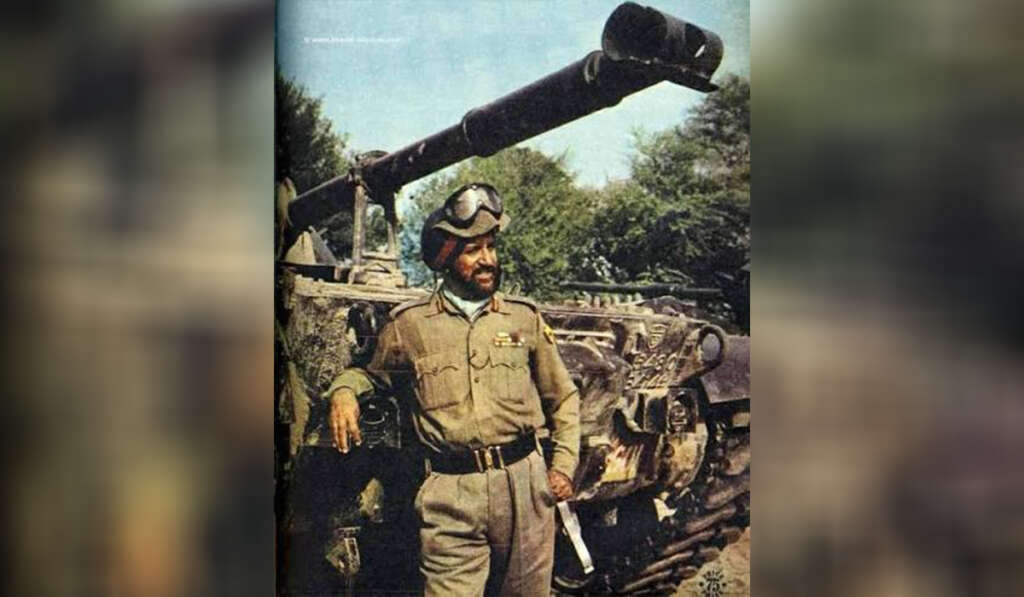
Major General Rajinder Singh ‘Sparrow’ was a renowned armored corps commander of the Indian Army. He was born on October 3, 1911, in village Mana, Gurdaspur, and was commissioned into the 7 Light Cavalry. During the 1947–48 Jammu and Kashmir war, while leading the tanks, he played a crucial role on difficult fronts like Zoji La. For this, he was honored with the Maha Vir Chakra for the first time. During the 1965 Indo-Pak war, he was the GOC of the 1 Armoured Division. In the Sialkot sector, his division conducted armored operations towards Phillora and Pagowal. For this command, he received the Maha Vir Chakra for the second time. For this reason, MVC & Bar is written with his name.
Lieutenant Colonel Sampuran Singh, MVC and VrC
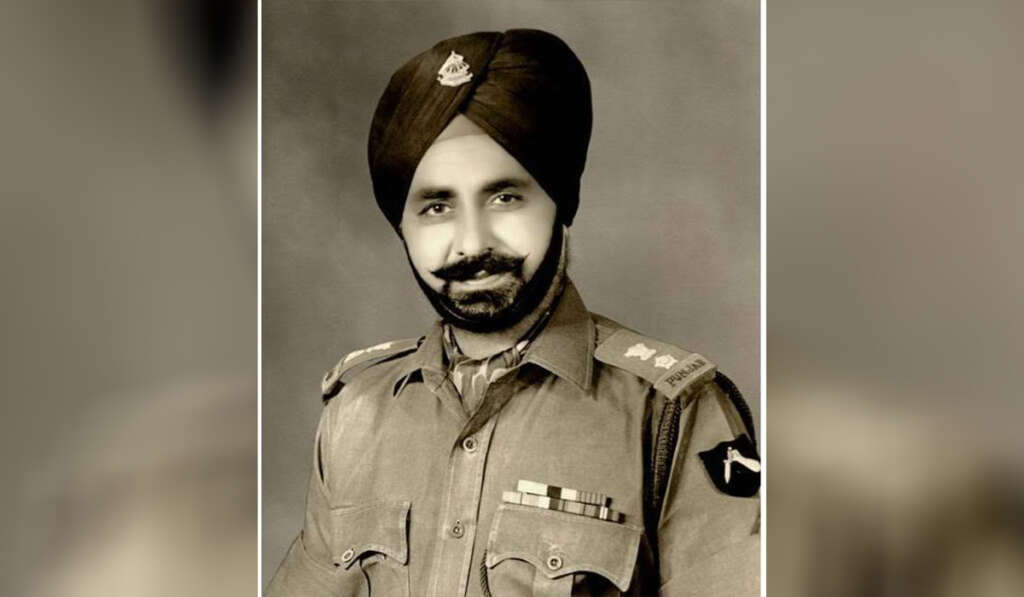
Lieutenant Colonel Sampuran Singh was the Commanding Officer of the 16 Punjab Regiment. For his bravery in the 1965 war, he received both the Maha Vir Chakra and Vir Chakra. During the Haji Pir-Bedori operation in August 1965, capturing the strategic peak of Bedori was a major challenge. Despite heavy enemy fire, Sampuran Singh personally stepped forward and led his men, successfully capturing Bedori. For his personal courage and leadership, he was honored with the Vir Chakra. Later, recognizing his battalion’s role in combat operations, he was also awarded the Maha Vir Chakra.
Lieutenant Colonel Gurbans Singh Sangha, MVC
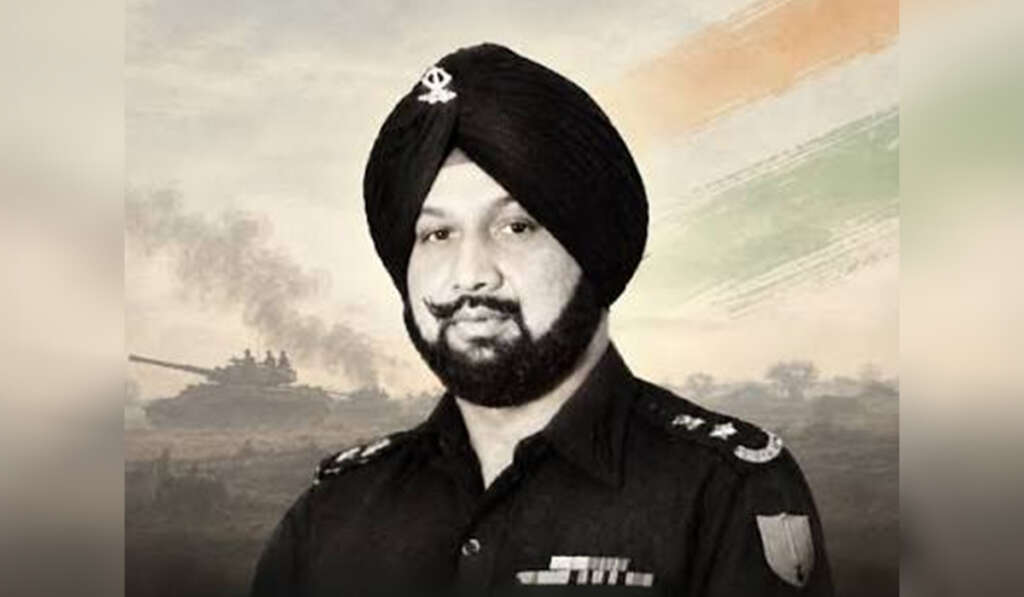
Lieutenant Colonel Gurbans Singh Sangha was born on September 2, 1922, in Jandu Singha, Jalandhar. He was the Commanding Officer of the 3 Mahar Battalion. During the 1965 war in the Dewa and Chhamb-Jaurian sector of Jammu and Kashmir, he kept his battalion’s defense strong despite heavy enemy fire. On August 15, he held the Mandiala crossing and led the recapture of three forward posts. On September 1, during a Pakistani armored attack, his battalion was in danger of being surrounded. Despite limited resources, Sangha efficiently directed the defensive operations and foiled the enemy’s attempt to encircle them. For this bravery and leadership, he was honored with the Maha Vir Chakra.
Major Baljit Singh Randhawa, MVC
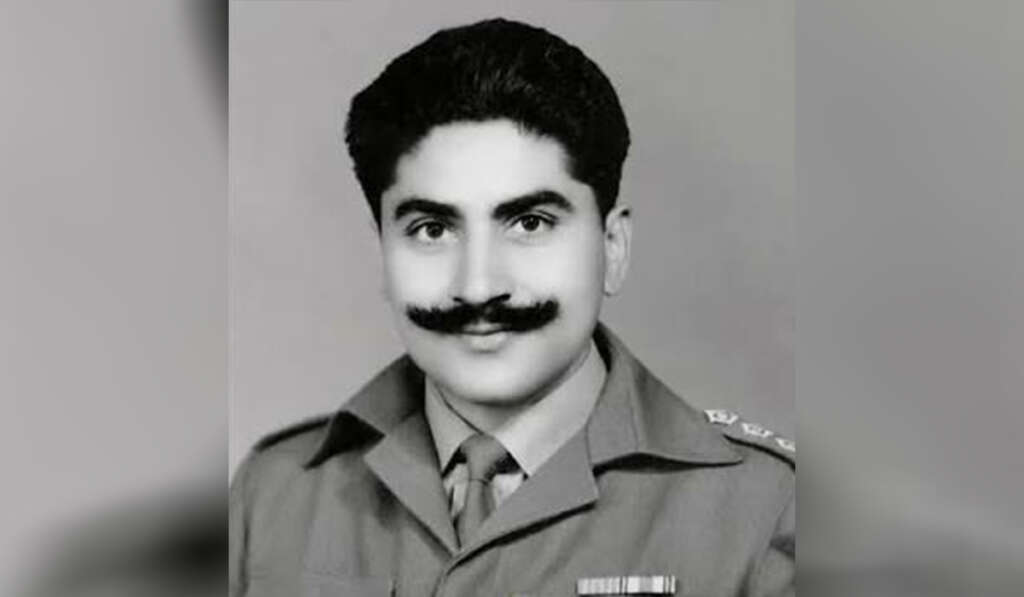
Major Baljit Singh Randhawa was born on November 11, 1934, in village Isapur, Amritsar district. He was an officer in the 4 Rajput Regiment and was commissioned into the army on December 14, 1958. During the 1965 war, his company received orders to attack high mountain outposts occupied by the enemy in the Kargil sector. Despite heavy mortar and light machine gun fire, Major Randhawa stayed at the forefront and led his men, capturing the main part of the enemy outpost. While trying to destroy another LMG post, he was seriously injured. Despite this, he continued to encourage his men and was martyred while defending the country. For his bravery and supreme sacrifice, he was posthumously awarded the Maha Vir Chakra.
Subedar Ajit Singh, MVC
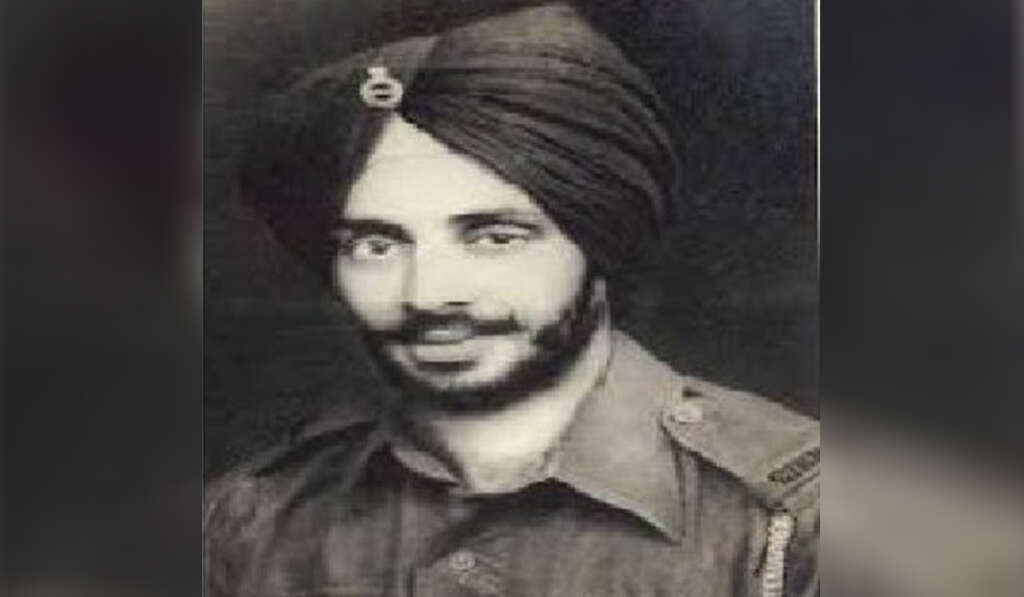
Subedar Ajit Singh was born on April 8, 1933, in village Shobhna, Jalandhar district. He was serving in the 4 Sikh Regiment. On September 6, 1965, during an Indian Army attack in the Barki, Lahore sector, an enemy machine gun post was obstructing the advance of the Indian troops. Subedar Ajit Singh charged towards that post alone. Despite being shot in the chest, he advanced and destroyed the machine gun post by throwing a grenade. This paved the way for his fellow soldiers to advance. After this attack, he succumbed to his injuries and was martyred. He was posthumously honored with the Maha Vir Chakra.
Naik Darshan Singh, MVC
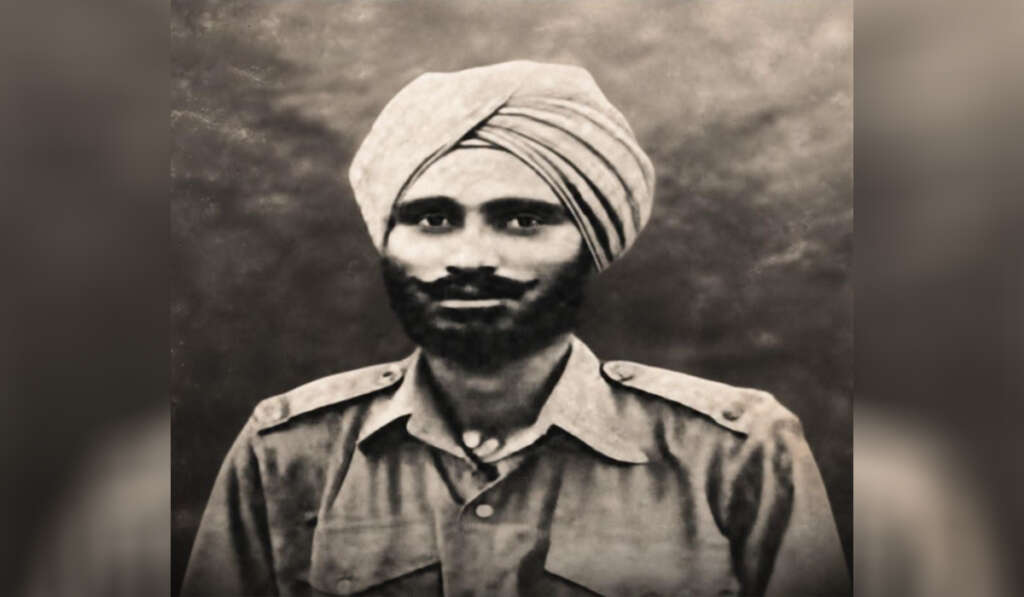
Naik Darshan Singh was born on July 28, 1929, in Ludhiana. He was serving in the 5 Sikh Light Infantry. On November 2, 1965, during the attack on OP Hill in the Mendhar sector of Jammu and Kashmir, his unit was tasked with silencing an enemy machine gun post. Despite losing a leg in a minefield, he did not step back. He crawled forward, crossed the wire fencing, and helped his comrades destroy the machine gun post by throwing a grenade into the enemy bunker. For his unparalleled bravery and supreme sacrifice, he was posthumously honored with the Maha Vir Chakra.
Brigadier Sant Singh, MVC and Bar
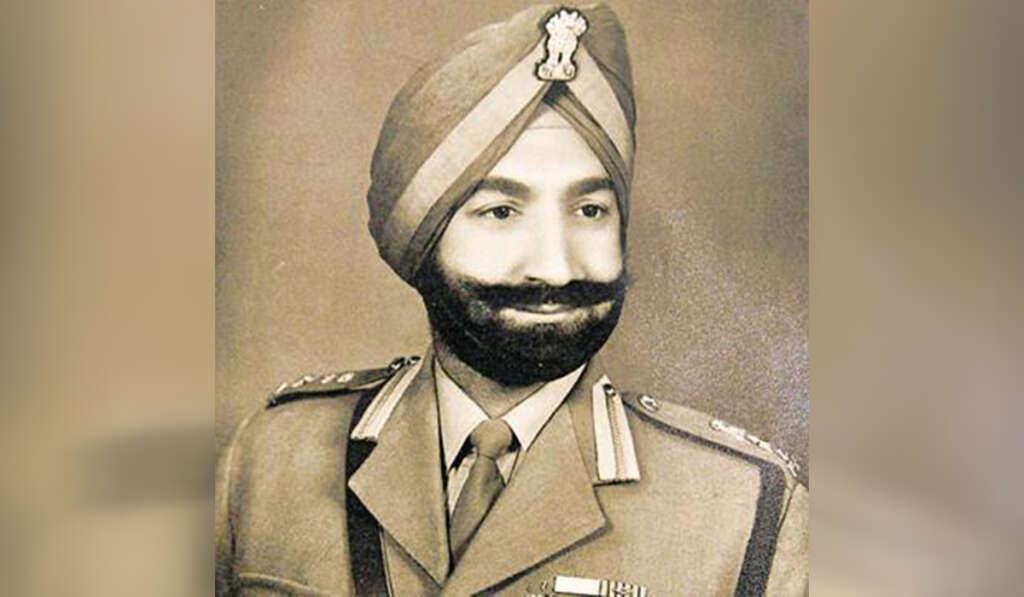
Brigadier Sant Singh was born on July 12, 1921, in Panjgrain Kalan, Faridkot. He was an officer in the Sikh Light Infantry and took command of the 5 Sikh Light Infantry in 1964. During the 1965 war in the OP Hill area of Jammu and Kashmir, he led his men amidst heavy combat conditions. On the night of November 2–3, 1965, despite landmines and heavy artillery fire, he stayed at the forefront. Under his leadership in hand-to-hand combat, the Indian Army recaptured the post. For this bravery, he was honored with the Maha Vir Chakra. Later, in the 1971 war, he also received the Bar to the MVC.
Subedar Piara Singh, VrC
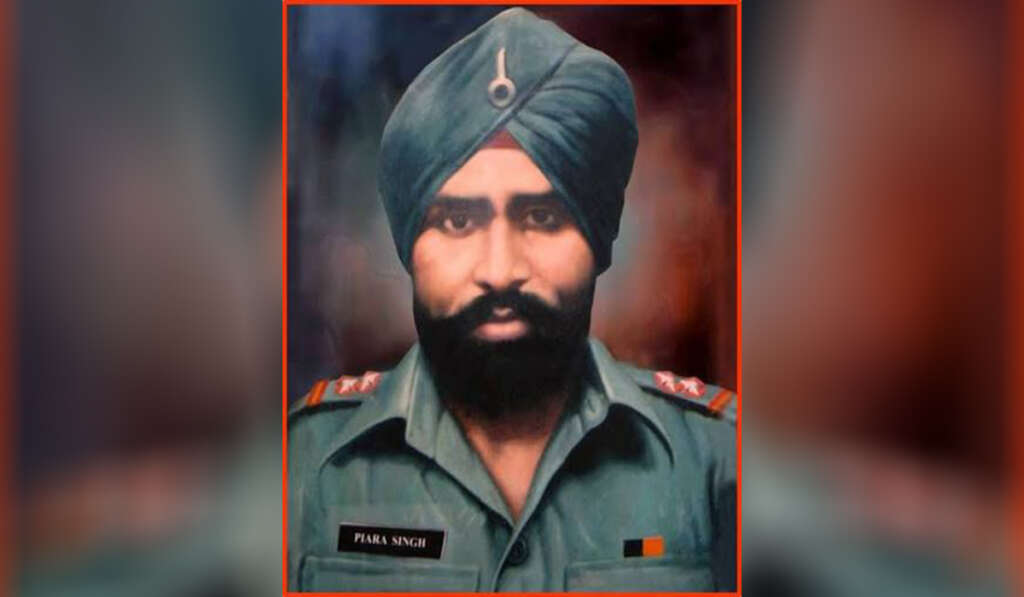
Subedar Piara Singh was a platoon commander in the 5 Sikh Light Infantry. He was born on April 1, 1925, in Amritsar district. On the night of November 2/3, 1965, in the OP Hill area of the Mendhar sector, his platoon was tasked with capturing enemy bunkers. While advancing through landmines and barbed wire, many of his men were martyred, but Piara Singh continued the attack. He threw a grenade into the enemy bunker, eliminating the enemies present there. After capturing the post, he succumbed to his injuries and was martyred. For his bravery and sacrifice, he was posthumously awarded the Vir Chakra.
Major Bhagat Singh, VrC
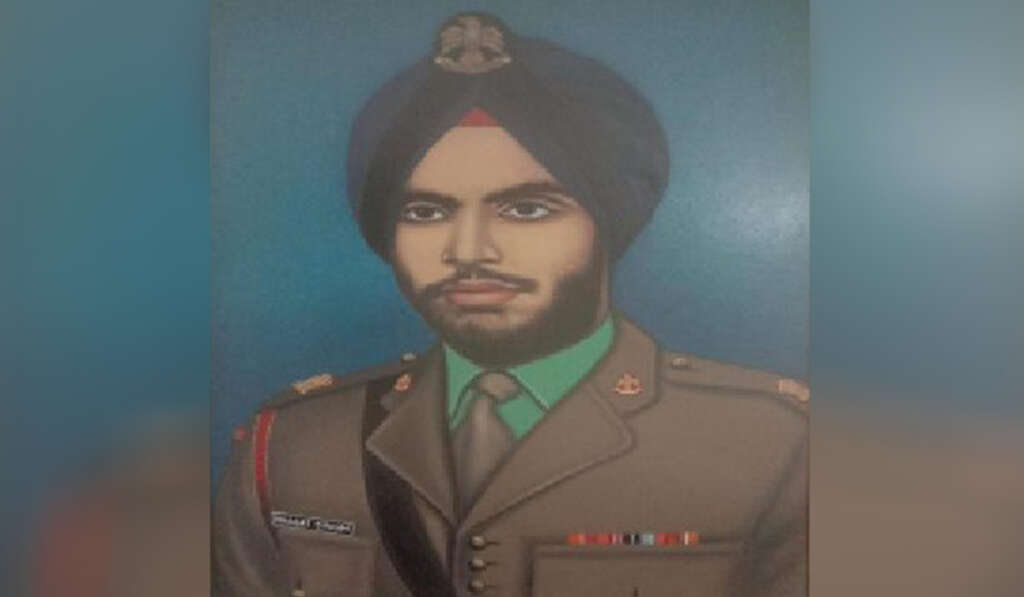
Major Bhagat Singh was born on March 13, 1941, in Batala tehsil of Gurdaspur district. He was serving in the 6 Guards, Brigade of the Guards. On the night of September 14/15, 1965, in the Ring-Pean area of Jammu and Kashmir, he led a platoon patrol into enemy territory. His unit targeted two enemy posts. Major Bhagat Singh cut communication lines, deployed his men in positions, and stayed ahead to lead the attack. When the enemy attack intensified at daybreak, he ordered his men to retreat safely. Despite being seriously injured himself, he did not step back and was martyred after being surrounded by the enemy. He was posthumously honored with the Vir Chakra.
Major Bhupinder Singh, MVC
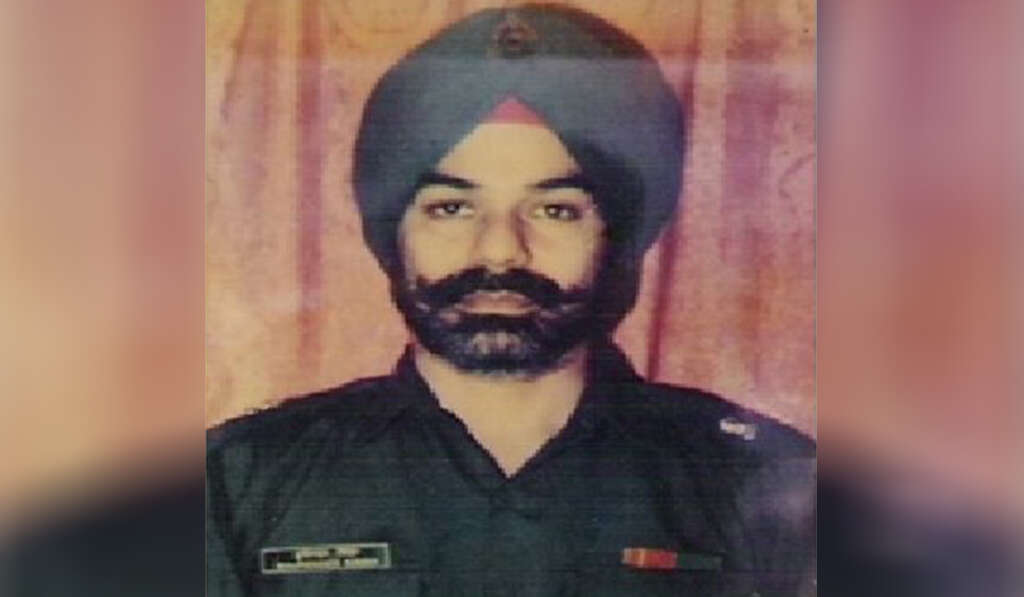
Major Bhupinder Singh was born on September 19, 1928, in village Harnampura, Ludhiana district. He was a Squadron Commander of the 4 Hodson’s Horse. During the 1965 Indo-Pak war, he led his squadron in the tank battles of Phillora and Sodre. Despite heavy enemy fire, he effectively deployed his tanks and inflicted heavy damage on Pakistani tanks and equipment. On September 19, 1965, in the Battle of Sodreke, his tank was hit by an enemy shell and caught fire. While exiting the tank, he was severely burnt and later passed away. For his bravery and leadership, he was posthumously awarded the Maha Vir Chakra.
Colonel Prithipal Singh Gill
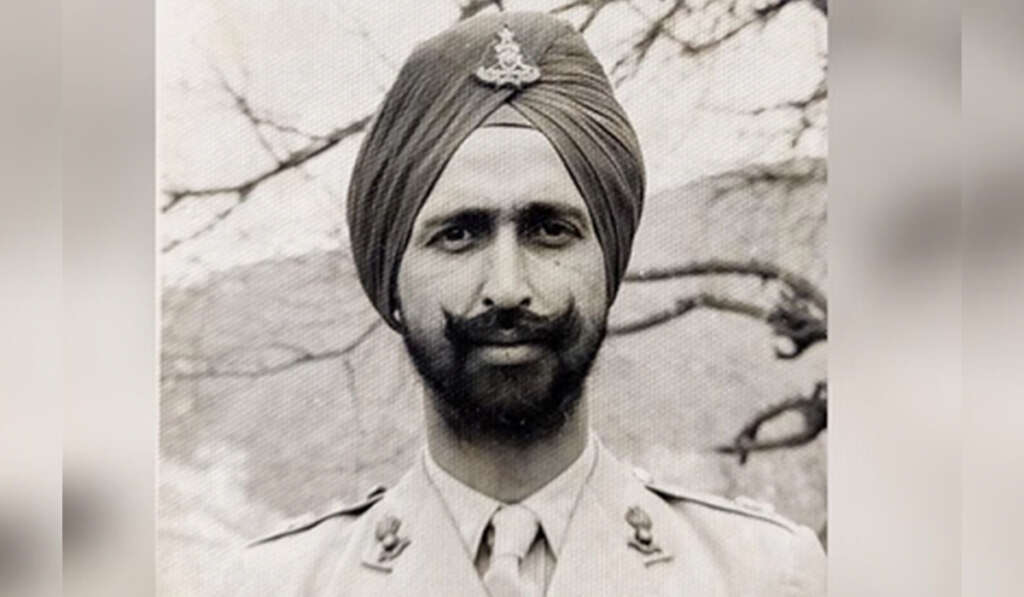
Colonel Prithipal Singh Gill was a renowned military officer of the Indian Army. He was born on December 11, 1920. A unique aspect of his military life was that he served in all three armed forces of India—the Army, the Navy, and the Air Force. He also played an important role in the 1965 Indo-Pak war. His bravery, discipline, and dedication to the country are remembered in military history. He passed away on December 5, 2021.
Captain Reet Mohinder Pal Singh, VrC
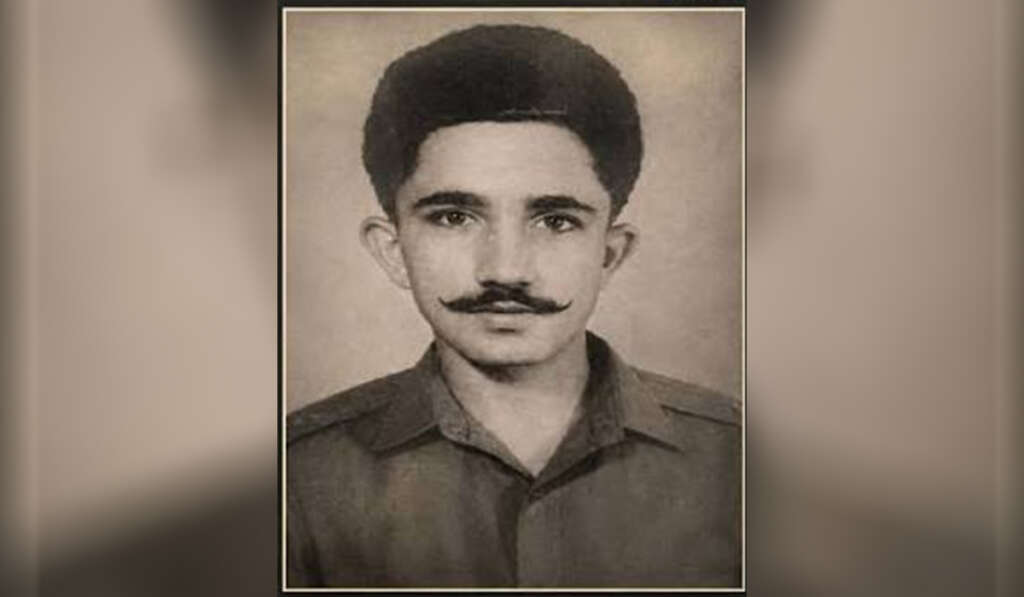
Captain Reet Mohinder Pal Singh was born on December 23, 1942, in Faridkot. He was the son of IPS officer Sardar Bakhtawar Singh. He displayed extraordinary courage and bravery during his service to the nation. Recognizing his service and gallantry, he was honored with the Vir Chakra. His story is recorded as an example of courage and dedication to the country for soldiers and the youth.
Lieutenant Kuldeep Singh Ahluwalia, Sena Medal
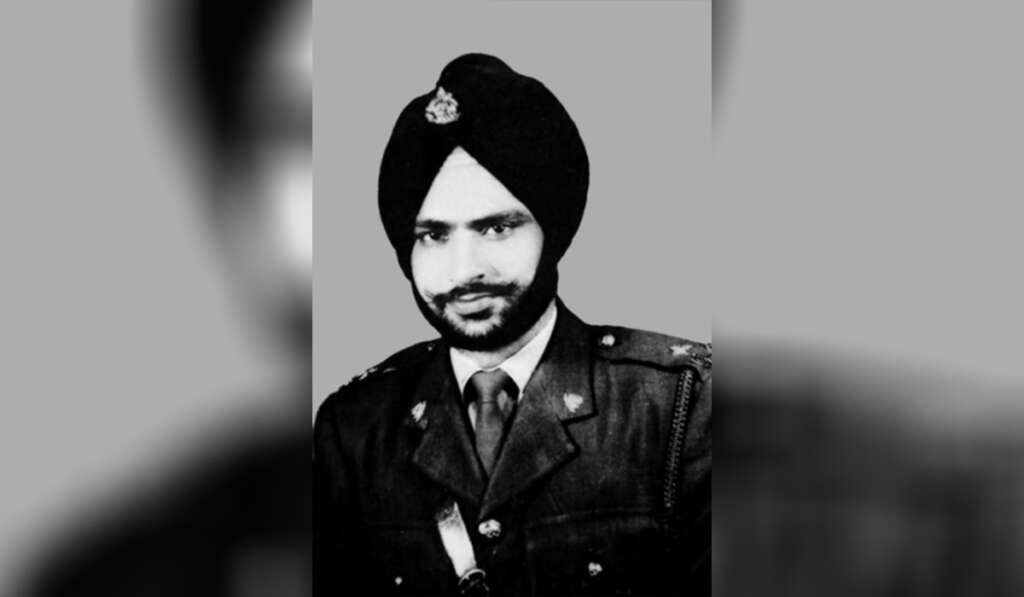
Lieutenant Kuldeep Singh Ahluwalia was born on June 26, 1942. He was martyred on September 18, 1965, during the 1965 Indo-Pak war. During his service to the country, he displayed amazing courage and dedication to duty. For his bravery and service, he was honored with the Sena Medal. His life is remembered as an example of patriotism, courage, and devotion to duty.
Brigadier Narinder Singh Sandhu, MVC
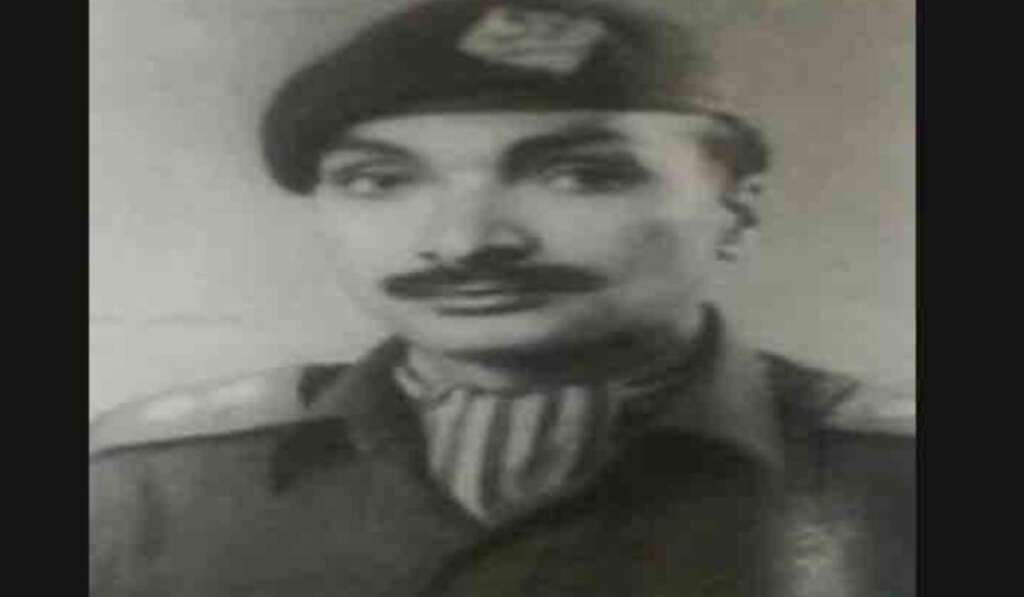
Brigadier Narinder Singh Sandhu was born on September 1, 1932, in village Narli, Amritsar. He joined the Armoured Corps of the Indian Army as a commissioned officer in 1953. On the battlefield, he displayed extraordinary valor and leadership. Recognizing his bravery and service in defending the country, he was honored with the Maha Vir Chakra. Brigadier Narinder Singh Sandhu passed away on March 30, 2018.
The 1965 War: Stories of Bravery Connected to the Soil of Punjab
The 1965 war was not just a war fought on the borders, but it added many chapters of bravery, leadership, and sacrifice to Indian military history. These soldiers from Punjab and its adjoining areas fulfilled their responsibilities on various fronts. Some commanded tanks, some led infantrymen, and many even sacrificed their lives to ensure their comrades advanced safely.
From Harbaksh Singh to Sampuran Singh, Sant Singh, Ajit Singh, Darshan Singh, and other bravehearts—their stories remind us of that era in Indian military history when courage and duty on the front lines were paramount. The stories of these soldiers are not merely confined to the pages of history but also serve as a reminder of courage, discipline, leadership, and dedication to the nation for coming generations.


Leave a Comment