

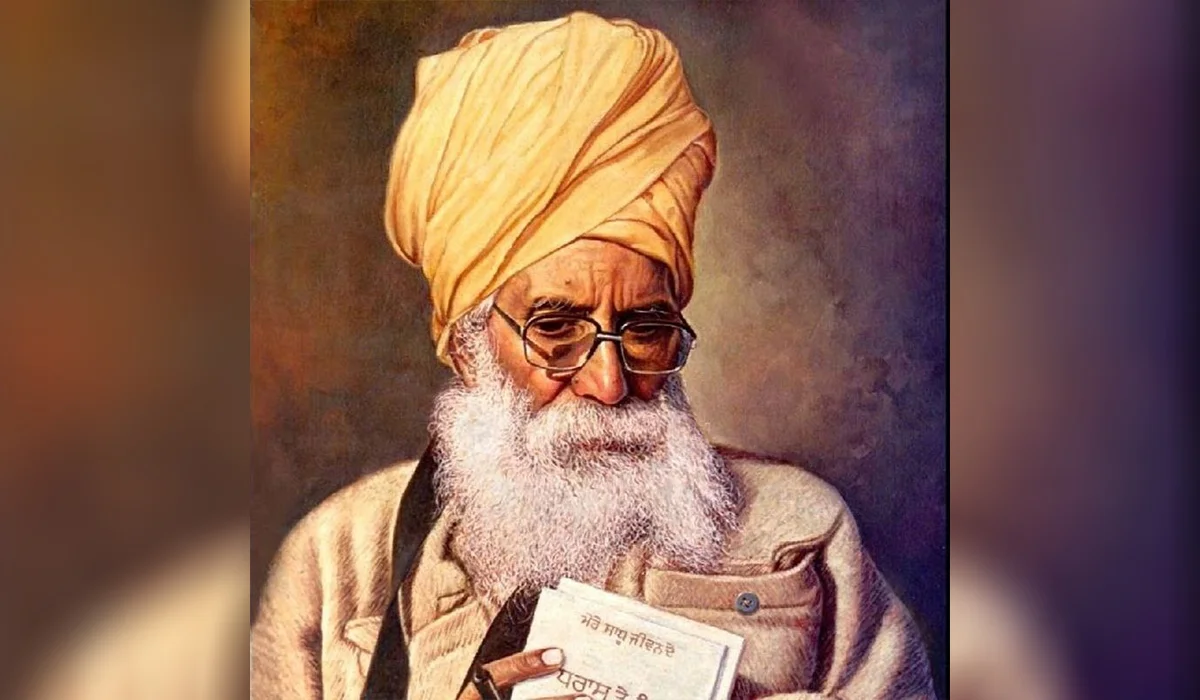

Many great personalities were born on the soil of Punjab in the twentieth century, but the person who truly lived the idea that “service to humanity is service to God” was Bhagat Puran Singh. He was not merely an ordinary human being, but a walking institution, an embodiment of compassion and the only support for the abandoned. By establishing the Pingalwara institution on the sacred land of Amritsar, he embraced that section of society which the world had rejected as useless and untouchable.
His entire life was dedicated to selfless service, sacrifice and environmental protection. Bhagat Puran Singh Ji was born on 4 June 1904 in Rajewal Rohno village of Ludhiana district, Punjab, into a Hindu family. His father’s name was Shibbu Mal and his mother’s name was Mehtab Kaur. In childhood, he was named Ram Ji Das. His family was initially well-off, but gradually slipped into poverty due to financial hardship.
Despite poverty, Mata Mehtab Kaur gave Ram Ji Das strong values. From childhood, she would narrate sacred stories of Dhruv Bhagat, Hanuman Ji, Shiv Ji, Bharthari Hari, and various Gurus, Pirs and Fakirs. These stories left a deep impression on his tender mind and planted in him the seeds of selfless service and compassion.
Years of Service in Lahore: A 20-Year Tireless Journey
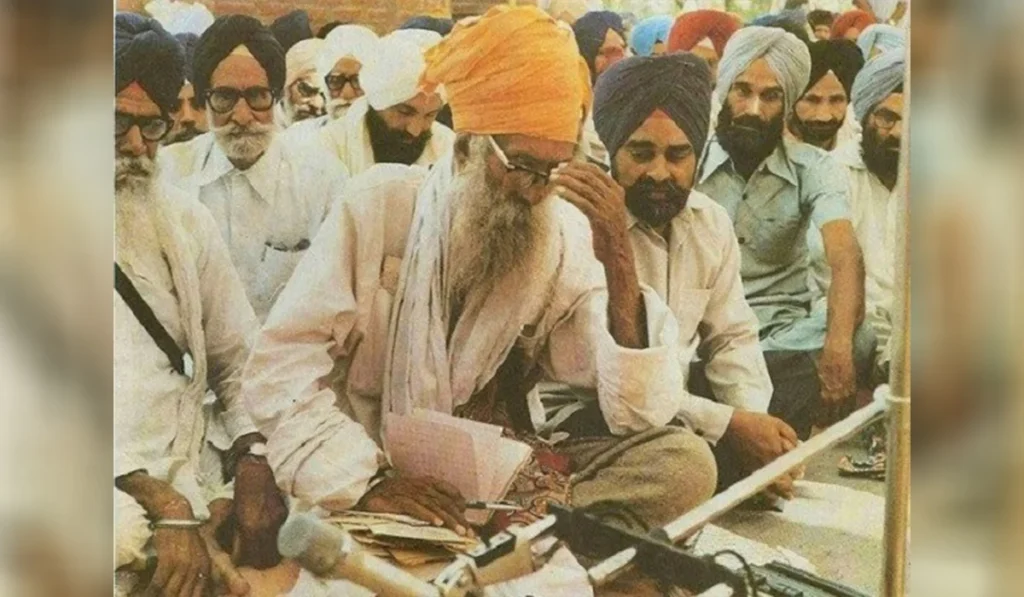
For his studies and the next phase of his life, he moved to Lahore, now in Pakistan. There, at Gurdwara Dehra Sahib Lahore, his life found a new direction. Ram Ji Das began serving at the gurdwara without taking any salary. He cleaned the shoes of devotees, filled water for the langar, cleaned the premises and cared for sick visitors.
Seeing his extraordinary dedication, the chief manager of the gurdwara, Mahant Teja Singh, became deeply fond of him and gave him the name “Puran Singh Premi.” He served continuously at Gurdwara Dehra Sahib for 20 years. During this period, Sikh history, the philosophy of Gurbani and his constant service to abandoned patients transformed him from Ram Ji Das into Bhagat Puran Singh. Political leader Giani Kartar Singh and his mother Mehtab Kaur also began calling him “Bhagat Ji” after witnessing his spirit of service.
The First Milestone in Service to Humanity
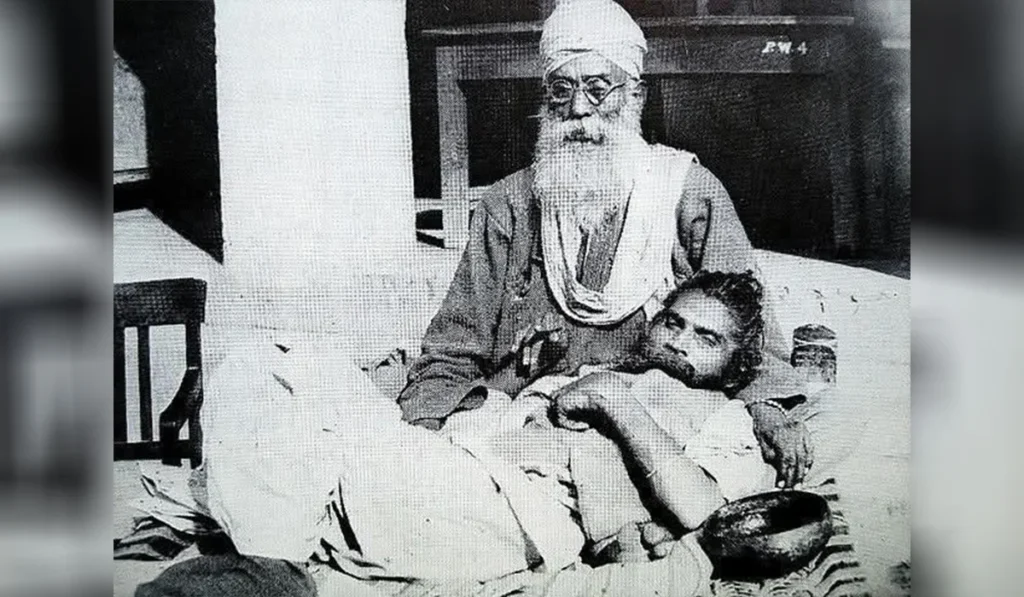
The true beginning of Bhagat Puran Singh Ji’s mission came in 1934. One day, an unknown person secretly left a four-year-old severely disabled and helpless child at the entrance of Gurdwara Dehra Sahib Lahore. The child could neither speak nor walk and was also mentally weak. Seeing the condition of the child, the granthi of the gurdwara handed him over to Bhagat Puran Singh and said, “Puran Singh, from today, you must take care of this child.”
Bhagat Ji accepted the child as a form of God and named him Piara Singh. For Bhagat Ji, this child was not merely a patient, but the source of his life’s true mission. For the next 14 years, Bhagat Puran Singh carried this disabled child on his shoulders wherever he went. Whenever Bhagat Ji travelled, Piara Singh rode on his back. Even during this difficult period, whenever he found time, Bhagat Ji visited various libraries in Lahore to study social issues, diseases and environmental concerns deeply.
During this time, he also faced taunts and criticism. Once, a lawyer close to him told him that there was no point in serving this disabled child, and that it would have been better if the child had died outside the gurdwara, because one day he would die by the roadside anyway. But Bhagat Ji was a man of unwavering resolve. Nothing could shake him from his mission.
The Pain of Partition and the Establishment of Pingalwara
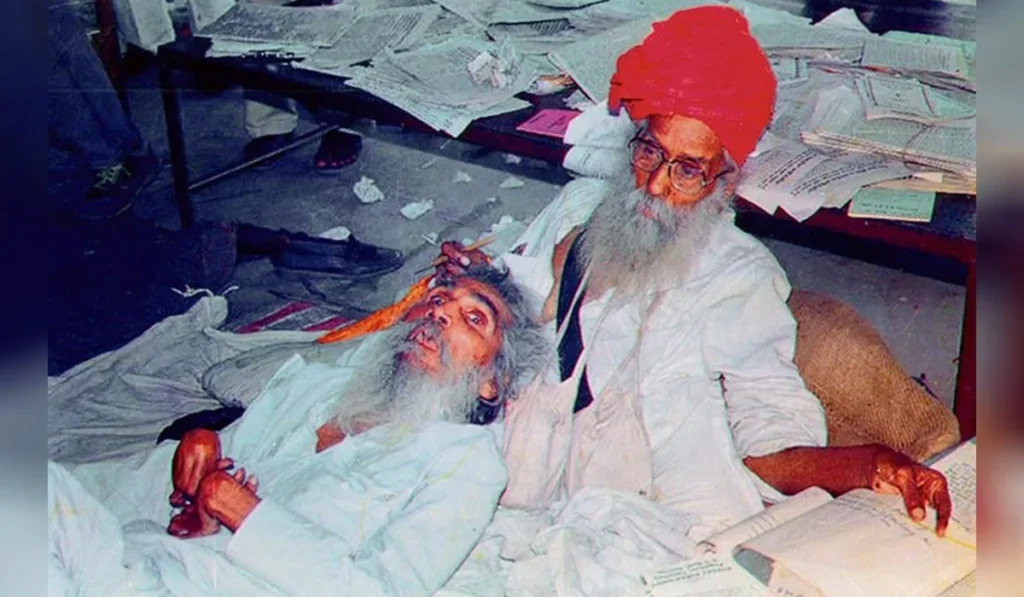
In 1947, when India was partitioned, terrible riots broke out in Lahore. Bhagat Puran Singh Ji came to Amritsar along with thousands of refugees. Piara Singh was still on his shoulders. After reaching Amritsar, he began staying at the refugee camp set up at Khalsa College. The camp had thousands of people who were injured, mentally disturbed or suffering from illness.
The period from 1948 to 1958 was a major test for Bhagat Ji. He had no permanent place to keep the patients. Sometimes he treated them on the pavements near Khalsa College, sometimes under trees, sometimes outside the railway station, sometimes near Chief Khalsa Diwan and sometimes near the Red Cross building, where he built temporary huts, dressed wounds and cleaned patients’ waste. Every day, he went around the city asking for food and money for the patients.
Finally, in 1958, Bhagat Ji purchased land near Tehsilpura on GT Road, Amritsar, and formally laid the foundation of the All India Pingalwara Society, which had been registered on 6 March 1957. The Pingalwara that Bhagat Ji started with just a few abandoned patients has today grown into a vast banyan tree and a home-like shelter for thousands of needy people.
Bhagat Puran Singh Ji’s Contribution to Environment and Literature
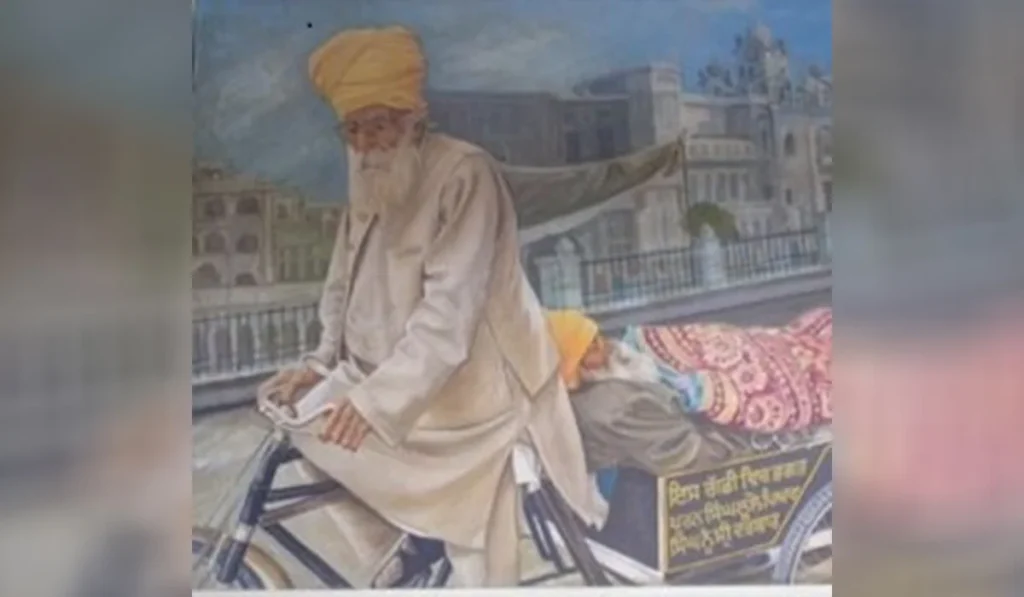
Bhagat Puran Singh Ji was not only a healer of the sick, but also an environmental thinker far ahead of his time. Decades ago, when hardly anyone spoke of global warming or pollution, Bhagat Ji raised his voice against pollution, water scarcity, reckless deforestation and the dangers of plastic.
To spread awareness, he printed lakhs of booklets, pamphlets, folders and posters. He even printed them on the reverse side of waste paper and used paper so that paper was not wasted. He personally sat outside Sri Darbar Sahib, Amritsar, near Ghanta Ghar Chowk and the serais, distributing this literature free of cost to devotees. This tradition continues even today through Pingalwara at historic gurdwaras across the country.
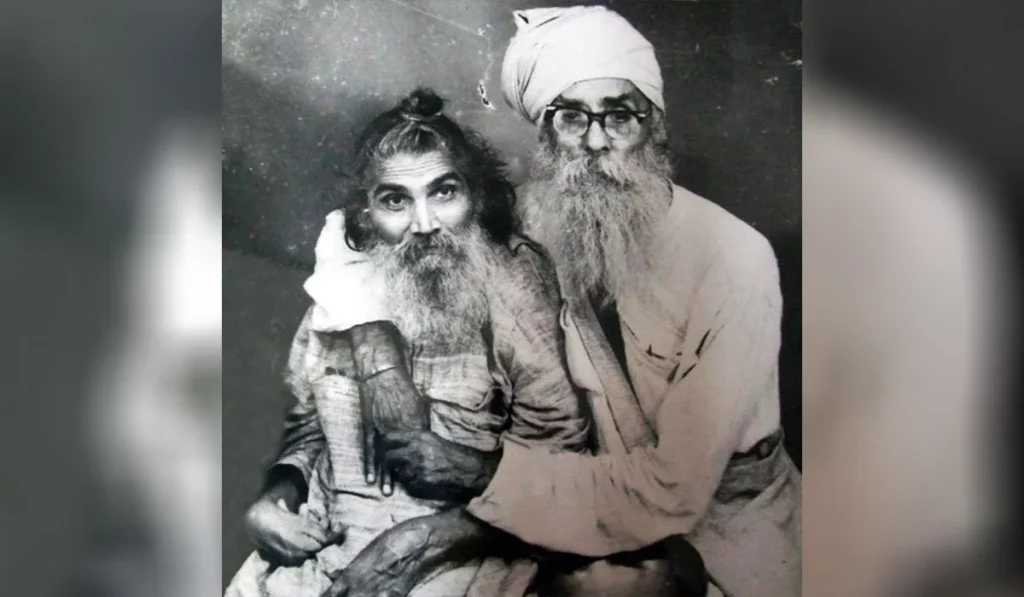
Today, Pingalwara not only treats patients but also runs several training centres to make its residents and children self-reliant. These include tailoring and embroidery, typing, chair weaving, candle and toy making, organic farming, physiotherapy and workshops for artificial limbs. Pingalwara also runs schools for orphaned children, many of whom have gone on to achieve respectable positions in life.
Recognising Bhagat Puran Singh Ji’s immense service, the Government of India and several international organisations honoured him with prestigious awards. In 1981, the Government of India awarded him the Padma Shri, one of the country’s highest civilian honours. However, after the Indian Army’s attack on Sri Darbar Sahib and Sri Akal Takht Sahib in 1984, known as Operation Blue Star, Bhagat Ji returned the award to the government in protest.
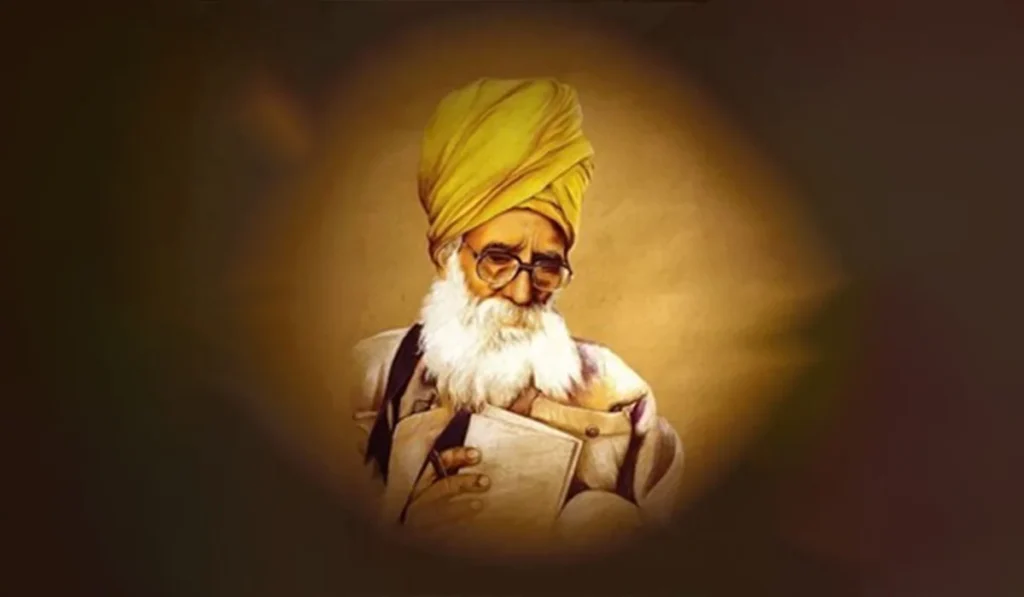
He was also honoured with the Harmony Award in 1990 and the Rog Rattan Award in 1991 by Punjab Virasat Sanstha, Chicago, the Shiromani Gurdwara Parbandhak Committee and the Bhai Ghanaiya Award Committee headed by Mahant Tirath Singh Sevapanthi.
Bhagat Puran Singh Ji, the embodiment of service, the symbol of selflessness and the only support of the helpless, left this world on 5 August 1992 at the age of 88. His life teaches us that true greatness and dignity do not come from living in palaces, but from wiping the tears of humanity. His life will always remain a lighthouse for generations to come.


Leave a Comment