

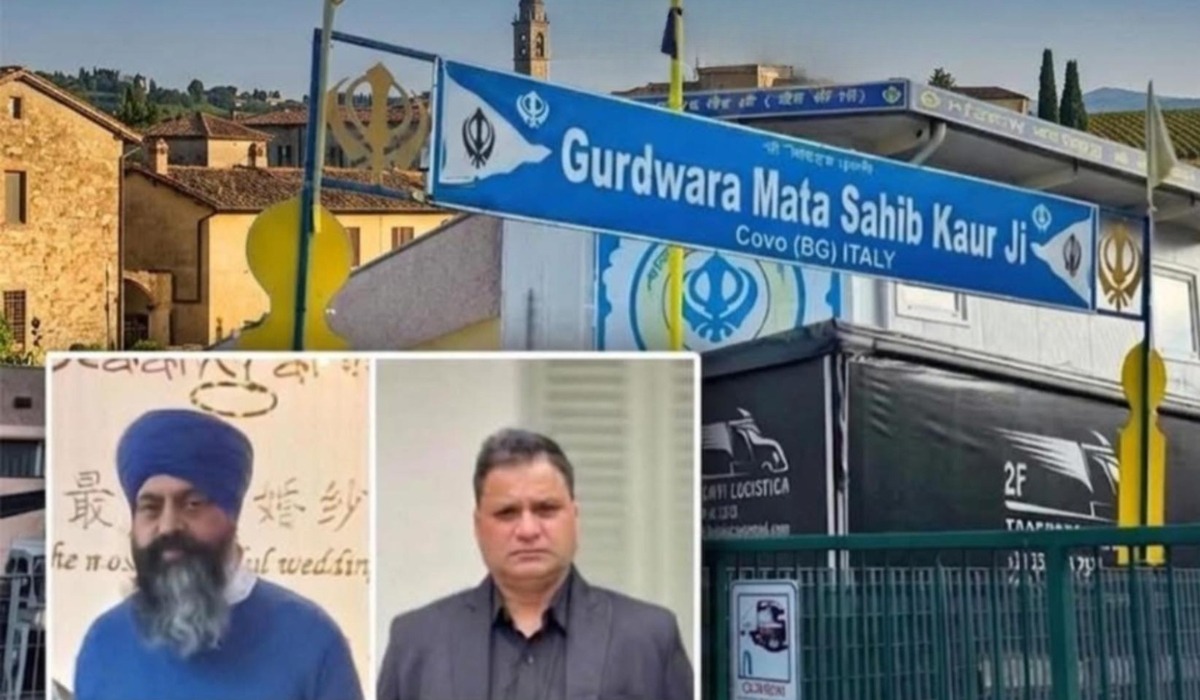

The sanctity of the Gurdwara, traditionally a sanctuary of peace, equality, and Seva, is increasingly being overshadowed by a dark cloud of internal discord and violent power struggles. Recent tragic events in Europe have sent shockwaves through the global Indian diaspora, highlighting a disturbing trend where the control of religious institutions has become a trigger for bloodshed. From the industrial towns of Italy to the urban centers of Germany, the Gurdwara is becoming a battleground for influence, often exacerbated by the creeping shadow of radical, Sikh separatist entities.
The Italy Tragedy
On the night of April 17, the quiet square in front of the Gurdwara Mata Sahib Kaur Ji in Italy became the scene of a brutal double murder. As worshippers were leaving the temple just before midnight, two Indian men were shot dead in cold blood. Preliminary investigations into this horrific incident suggest that the motive was not a random act of hate from the outside, but a deep-seated succession feud within. Three Indian nationals are currently under investigation, pointing to a grim reality: the administrative control of a sacred space has, in some circles, become a motive for homicide.
This incident is not an isolated case of administrative friction. It represents a broader, more systemic issue within the management of overseas Gurdwaras. When the Golla (the community chest) and executive committee positions become symbols of political power rather than humble service, the very foundation of the institution begins to crumble.
Violence in Germany: Turbans and Kirpans in the Fray
The tension is not confined to Italy. In Germany, a Gurdwara recently turned into a chaotic battleground as rival Sikh groups clashed violently. The sight of flying turbans and the brandishing of kirpans—ceremonial symbols of a Sikh’s commitment to justice—being used against fellow community members was a heartbreaking spectacle. These scenes reflect a breakdown of the communal bond, where ideological divides and the hunger for administrative dominance override religious brotherhood.
The Radical Shadow
Beneath the surface of many of these “management disputes” lies a more complex and dangerous layer: the influence of Sikh separatist entities. In many Western nations, Gurdwaras are the primary hubs for the diaspora. Consequently, they have become strategic targets for radical groups seeking to control the narrative, the community’s finances, and the political platform.
When Sikh separatist elements infiltrate Gurdwara committees, the focus often shifts from spiritual upliftment to the promotion of a separatist agenda. This political entanglement creates “us vs. them” factions within the congregation. Those who disagree with the radical narrative find themselves sidelined or silenced, leading to the kind of explosive tension seen in Germany and Italy. By using the Gurdwara as a pulpit for a separatist cause, these groups not only jeopardize the safety of the local community but also invite external scrutiny that tars the image of the entire Sikh faith.
A Climate of Fear
The tragic shootings in Italy and the clashes in Germany serve as a grim wake-up call. Such types of incidents, fueled by radical entities and extremist ideologies, do more than just damage the reputation of the community; they bring a pervasive sense of fear among the devotees. The Gurdwara, which should be a fortress of safety and spiritual solace, risks becoming a place of anxiety. If a devotee cannot step into the Guru’s house without the fear of being caught in a crossfire of radical politics or violent succession feuds, the very purpose of the sanctuary is lost. To protect the future of the faith, there is an urgent need to de-politicize Gurdwara management and ensure that these sacred grounds remain a haven of peace, free from the shadow of intimidation and violence.
Leave a Comment