

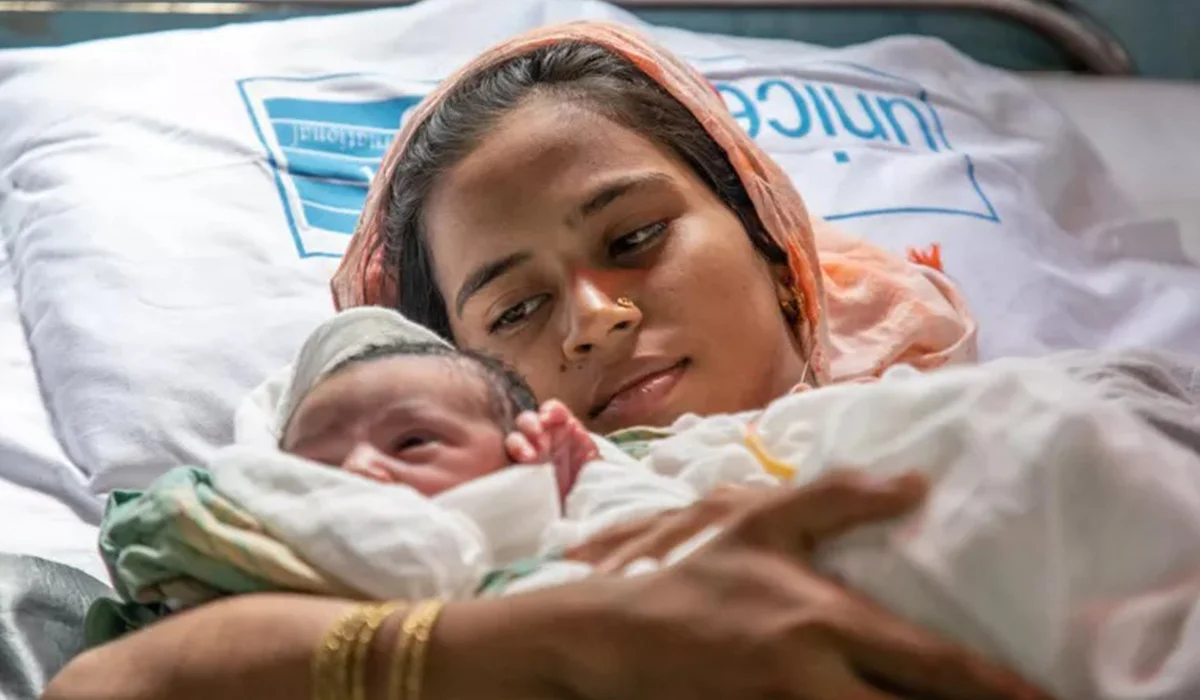

The recently released Global Burden of Disease (GBD) 2023 data has raised concerns among health experts worldwide. For India, the report serves as a serious warning. According to last year’s findings, 24,700 maternal deaths occurred in the country due to complications related to pregnancy and childbirth.
Although India has made significant progress over the past decades, being listed alongside countries like Nigeria, Ethiopia, and Pakistan among those with the highest maternal deaths raises important questions.
These numbers are not just statistics. They represent thousands of unfinished stories of mothers who could not even see their newborn’s first smile. Each maternal death is not just the loss of a life, but a blow to the emotional and economic structure of an entire family.
Progress Made, But the 2030 Goal Remains Distant
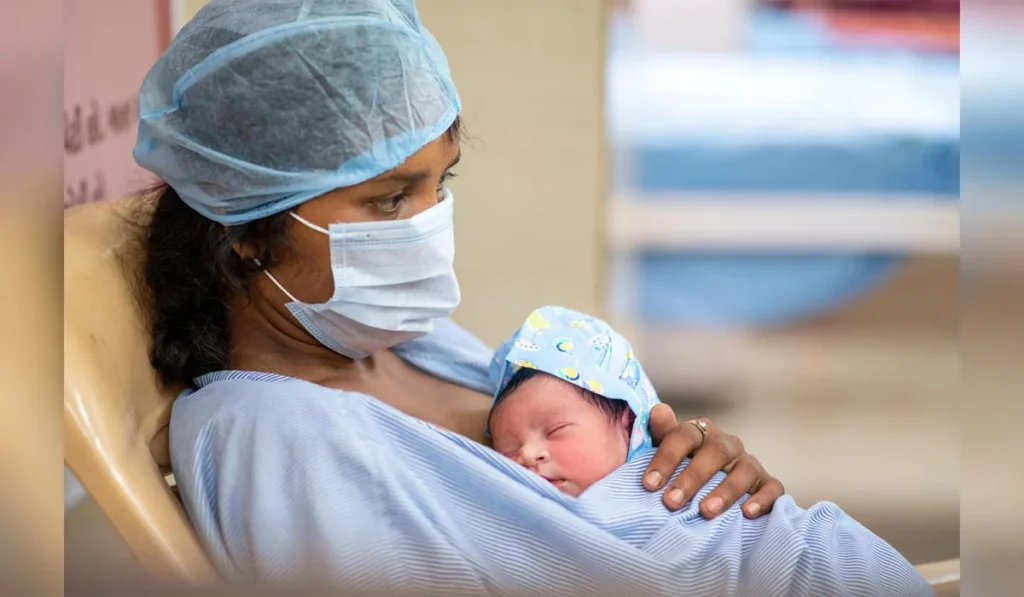
Looking back, India’s journey in improving maternal health has been impressive. Since 1990, the country has achieved an 86% reduction in Maternal Mortality Ratio (MMR), far exceeding the global average decline of 48%.
According to the latest Sample Registration System (SRS) data, India’s MMR has now reduced to 88 per 100,000 live births.
However, the destination is still far. Under the United Nations Sustainable Development Goals (SDGs), India must reduce MMR to below 70 by 2030. With only a few years remaining, the key question is:
Is the current pace enough?
Have we truly reached remote rural areas where basic healthcare is still a distant dream?
Causes of Maternal Death: Preventable Yet Persistent

Experts suggest that nearly 90% of maternal deaths are preventable. The leading causes in India include:
* Excessive bleeding during childbirth (Maternal Hemorrhage)
* High blood pressure during pregnancy (Eclampsia)
* Severe infections
* Unsafe delivery practices
The issue is not just medical but systemic, often described as the “Three Delays”:
1. Delay in decision-making – Families fail to recognize the urgency of medical care.
2. Delay in reaching healthcare – Poor roads and lack of transport hinder access.
3. Delay in receiving treatment – Shortage of doctors, blood, or medicines at hospitals.
Additionally, the COVID-19 pandemic exposed weaknesses in the healthcare system. Many pregnant women missed timely check-ups, leading to a temporary rise in deaths in recent years.
Government Initiatives: A Ray of Hope
The Indian government has introduced several key programs under the National Health Mission (NHM), integrating maternal and child health through the RMNCH+A framework.
Key Schemes:
* Pradhan Mantri Surakshit Matritva Abhiyan (PMSMA)
Free comprehensive check-ups for pregnant women on the 9th of every month to identify high-risk cases early.
* Janani Suraksha Yojana (JSY) & JSSK
Provide free institutional delivery, ambulance services, medicines, and nutrition.
* Pradhan Mantri Matru Vandana Yojana (PMMVY)
Offers ₹5,000 financial assistance to support nutrition and rest during pregnancy.
* LaQshya Program
Focuses on improving the quality of labor rooms and emergency obstetric care in district hospitals.
Social and Economic Dimensions

Maternal mortality is not just a health issue but a reflection of social realities. Factors such as:
* Poverty
* Illiteracy
* Early marriage
* Gender inequality
continue to worsen the situation.
In many areas, a woman’s health is still not prioritized within the family. Experts from the Institute for Health Metrics and Evaluation (IHME) emphasize that without addressing social inequalities, building hospitals alone will not solve the problem. A shift in mindset is essential.
The Way Forward: A Collective Responsibility
The 2023 data is a wake-up call. Globally, around 240,000 women died due to maternal causes, making it a major public health tragedy.
For India, the next few years are critical. Beyond increasing health budgets, there is a need to:
* Strengthen grassroots healthcare systems
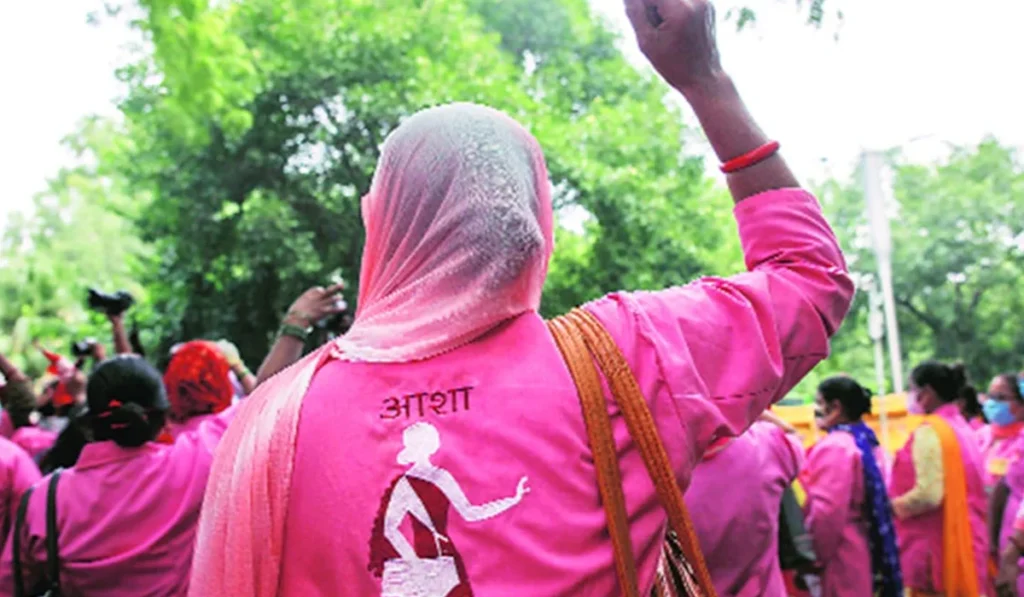
* Train and support ASHA workers and nurses
* Ensure timely access to care
Conclusion
Every preventable maternal death is a stain on society. A mother is central to the existence of a family. The loss of 24,700 mothers reminds us how far we still have to go.
Investment must go beyond infrastructure to include human compassion, timely care, and responsive systems.
It is no longer just the government’s responsibility. As a society, we must ensure that no pregnant woman is deprived of proper care.
Because a safe mother is the foundation of a safe future.


Leave a Comment