

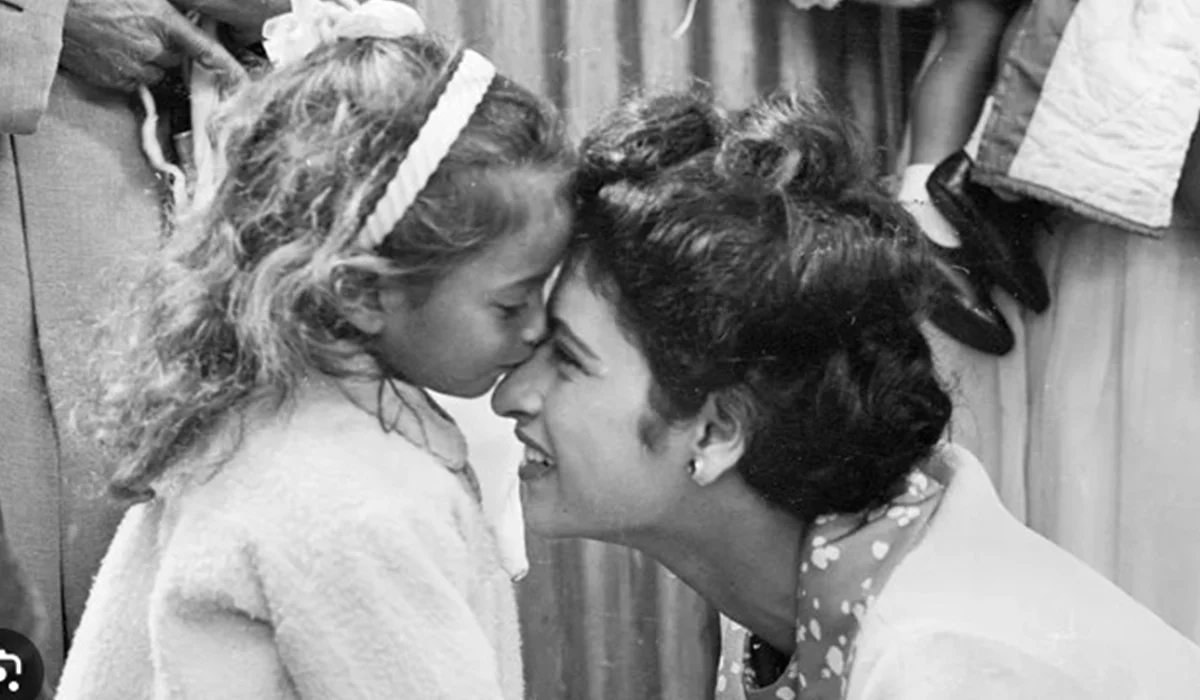

Sometimes, a great celebration does not begin with noise and spectacle, but with deep silence and personal grief. In 1905, 41-year-old Anna Jarvis was living through the emptiness that settles into a home after the loss of someone deeply loved. Her mother, Ann Reeves Jarvis, had passed away.
But amid that ocean of sorrow, one promise remained alive: her mother’s long-held wish that there should one day be a special occasion dedicated to the immeasurable love, sacrifice, and selfless service of mothers around the world. Perhaps it was in that silence that a promise was born, one that would eventually embrace the world as Mother’s Day.
A Mother Who Turned Personal Grief Into Service to Humanity
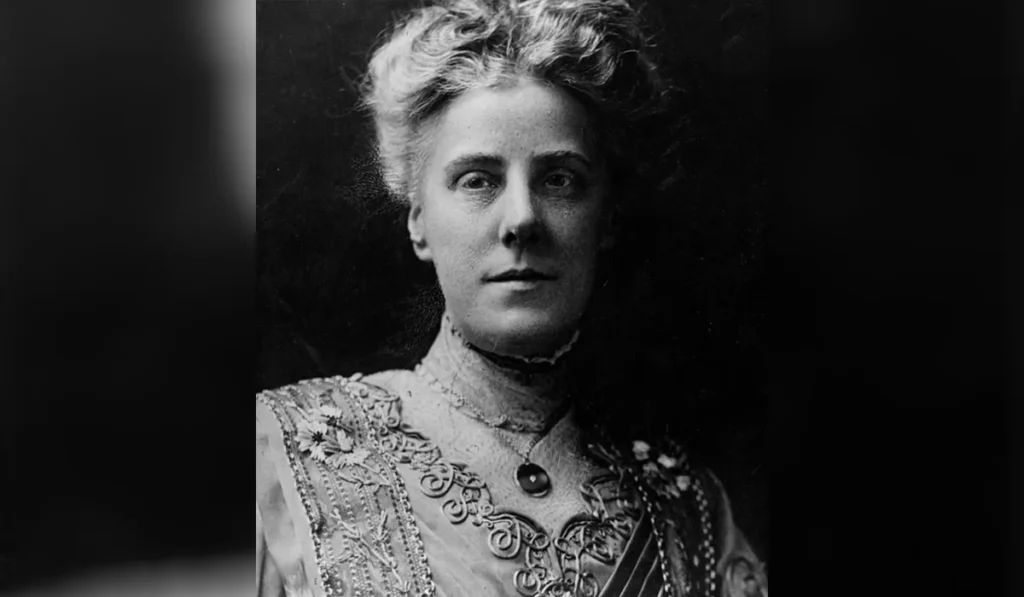
Anna Jarvis was born on 1 May 1864 in Webster, West Virginia, USA. She was the tenth among thirteen children born to her parents. However, due to poor healthcare facilities and widespread diseases at the time, nine of her siblings died in childhood.
That pain became a defining part of her mother Ann Reeves Jarvis’s life. Instead of surrendering to grief, Ann transformed her personal suffering into social service. In 1858, she founded Mothers’ Day Work Clubs, where women were taught hygiene, safe drinking water practices, and ways to protect children from disease.
When the American Civil War began in 1861, society split into opposing camps. But Ann Reeves Jarvis saw neither “North” nor “South.” Through her clubs, she cared for wounded soldiers from both sides. After the war ended, she organized Mothers’ Friendship Day in 1868 to help rebuild relationships between families divided by conflict. Her vision was simple but powerful: mothers have the ability to heal society.
A Promise That Stayed With a 12-Year-Old Girl
One Sunday in 1876, twelve-year-old Anna heard her mother say after a church gathering: “I hope and pray that someone, someday, will found a memorial mothers’ day commemorating her for the matchless service she renders to humanity.” Those words stayed engraved in Anna’s heart. When her mother died in 1905, Anna made a vow during the memorial service:
“By God’s grace, you shall have that Mother’s Day.”
She launched a nationwide letter-writing campaign, reaching out to politicians, business leaders, and church authorities. Her proposal was clear: the second Sunday of May, the month in which her mother had died, should become a national day dedicated to mothers.
On 10 May 1908, special services were held for the first time in churches in Philadelphia and West Virginia. Anna sent 500 white carnations, believing they symbolized the purity and selflessness of a mother’s love.
The movement spread rapidly across America. Finally, in 1914, US President Woodrow Wilson officially declared the second Sunday of May as Mother’s Day. A daughter’s personal promise had become a national observance.
Commercialization and Anna’s Disappointment
As Mother’s Day became more popular, it also became increasingly commercialized. Florists and greeting card companies turned the occasion into a business opportunity.
This deeply troubled Anna Jarvis. She wanted children to write handwritten letters and spend meaningful time with their mothers, not buy expensive gifts out of obligation.
At one point, she said: “A printed card means nothing except that you are too lazy to write to the woman who has done more for you than anyone in the world.” In her later years, Anna actively campaigned against the commercialization of Mother’s Day and even argued that the holiday should be abolished.
But by then, the celebration had grown beyond her control. Anna Jarvis died on 24 November 1948, at the age of 83, in relative obscurity and disappointment.
Honouring Mothers Is Much Older Than Mother’s Day
Although modern Mother’s Day is associated with Anna Jarvis, the tradition of honouring mothers is thousands of years old. Ancient Greek and Roman civilizations celebrated mother goddesses through rituals and worship. In India, the idea has existed for centuries through the principle:
“Matru Devo Bhava” — Mother is Divine.
From prayers and festivals to everyday life, mothers have long been regarded as symbols of strength, compassion, and creation.
What Mother’s Day Means Today
In today’s digital world, Mother’s Day often gets reduced to social media posts and video calls. But the real meaning of the day still lives in quiet moments: resting your head in your mother’s lap, having a conversation, listening, remembering, and being present.
Mother’s Day is not a product created by companies. It began as a daughter’s expression of boundless love for her mother. If we want to preserve its true spirit, perhaps the most meaningful gift is not something bought, but something given: time, attention, gratitude, and respect. Because a mother’s love cannot truly be repaid. It can only be felt.


Leave a Comment