
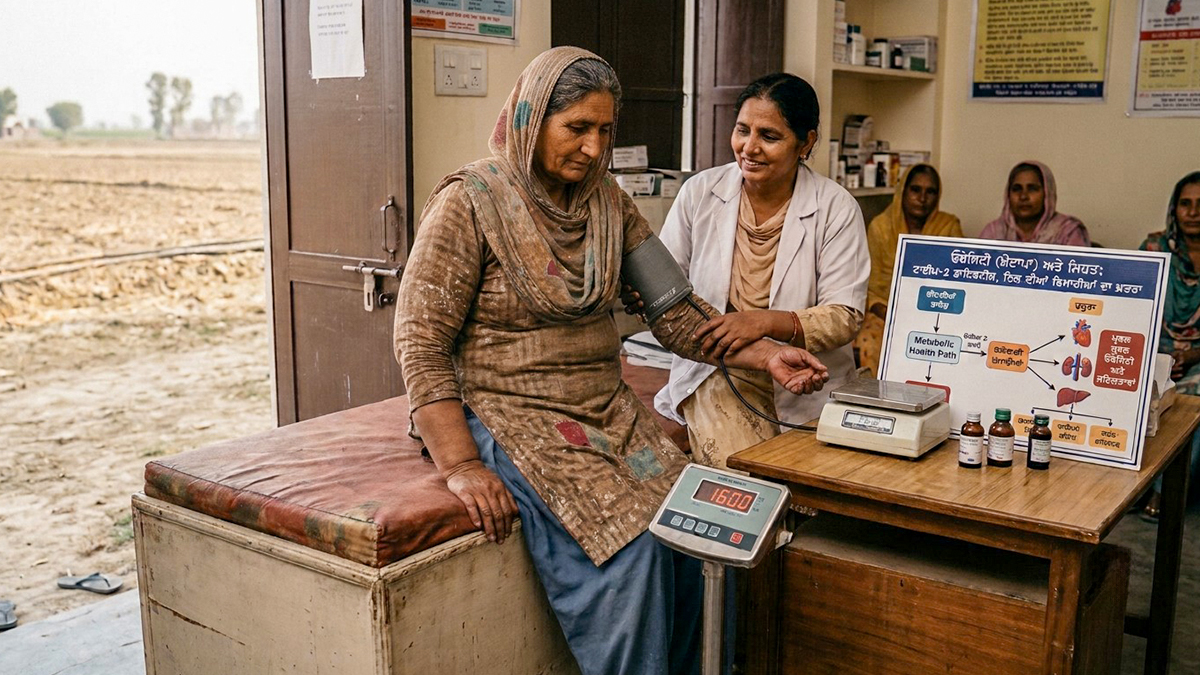

According to NFHS-6, the rate of obesity among women in Punjab is 14 percentage points higher than the national average; obesity and diabetes are also emerging as major health challenges globally.
Amid household responsibilities, childcare, elderly care, and jobs or other work, paying attention to their own health often takes a back seat for many women in Punjab. Sometimes, daily fatigue is considered normal, and health check-ups are postponed with the thought that there is no major problem yet.
However, certain health-related issues do not show clear symptoms in their initial stages. Data from the National Family Health Survey-6 (NFHS-6) regarding the women of Punjab draws attention to this very fact. According to the survey, 44.7 percent of women aged 15 to 49 in the state fall into the overweight or obese category, while 21.3 percent of women aged 15 and above have elevated blood sugar levels or are taking medication to control them.
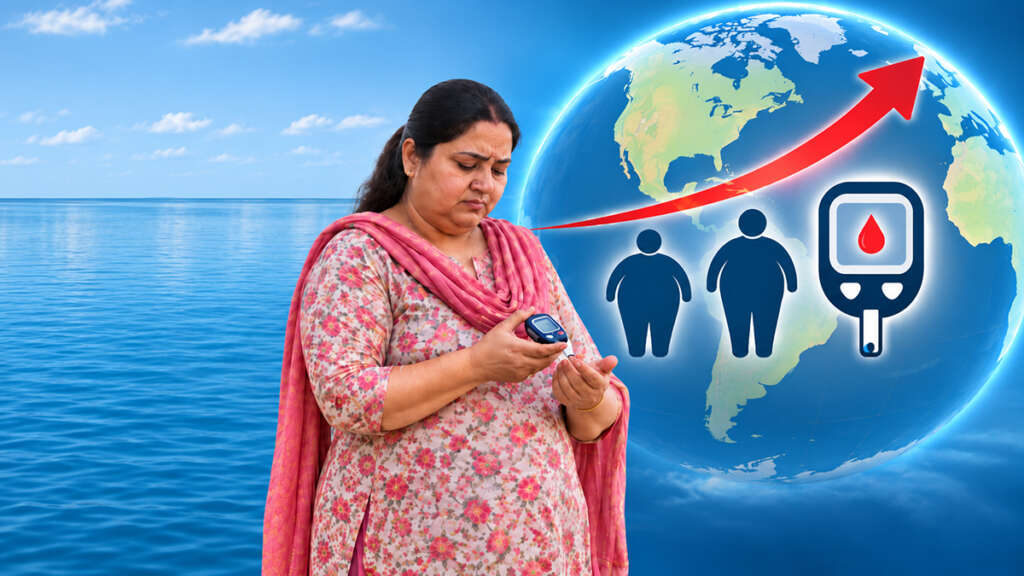
The significance of these figures is further magnified by the fact that the obesity rate among women in Punjab is considerably higher than the national average. Nationwide, 30.7 percent of women aged 15 to 49 fall into the overweight or obese category. Thus, Punjab’s figure is 14 percentage points higher than the national average.
These are the results of the NFHS-6 survey conducted during 2023–24, whose national and state fact sheets were released on May 29, 2026. Although these statistics are a few months old, the gap between the situation in Punjab and the nation highlights the need to think seriously about women’s health.
Comparing with the previous survey does not paint a very reassuring picture either. In NFHS-5 (2019–21), 40.8 percent of women aged 15 to 49 in Punjab were in the overweight or obese category. In NFHS-6, this figure rose to 44.7 percent. Nationwide, this figure also increased from 24 percent in the previous survey to 30.7 percent.
An increase has also been recorded in Punjab regarding blood sugar cases. During NFHS-5, 14.7 percent of women aged 15 and above in the state had a blood sugar level exceeding 140 mg/dl or were taking medication to control it. In NFHS-6, this figure rose to 21.3 percent. Nationwide, the figure for this same indicator increased from 13.5 percent to 17.8 percent.
It is important to clarify here that the 21.3 percent figure does not represent only the count of new diabetes patients. It also includes women whose measured blood sugar level was elevated as well as those who were taking medication to control it. This survey indicator points to health-related risks, whereas medical testing is required to confirm diabetes in an individual.
From Punjab to the World: Obesity and Diabetes Becoming Major Health Challenges
This concern regarding the health of Punjab’s women is not limited to just the state or the country. According to World Health Organization (WHO) data updated in October 2026, 2.6 billion adults aged 18 years and older worldwide were in the overweight category in 2024. Among them, approximately 940 million people were living with obesity.
According to the WHO, roughly 45 percent of women aged 18 and older worldwide were in the overweight category. Between 1990 and 2024, the global prevalence of obesity among adults more than doubled.
These figures indicate that obesity is no longer a problem associated with just a single country or a specific lifestyle. Changing dietary habits, fewer opportunities for physical activity, the availability of healthy food, and social and environmental conditions are also intertwined with this issue. The WHO considers obesity a chronic long-term disease driven by a combination of biological, social, and environmental factors.
The situation regarding diabetes is also alarming on a global scale. According to the 2025 Diabetes Atlas released by the International Diabetes Federation (IDF), approximately 589 million adults aged 20 to 79 worldwide were living with diabetes in 2024. This accounts for roughly every ninth person in the world population of this age group. The organization estimates that if current trends continue, this number could rise to 853 million by 2050.
In this context, Punjab’s figures also need to be understood. Overweight and blood sugar problems can be interconnected. In some people, excess body fat—especially fat accumulated around the abdomen—can lead to insulin resistance. In this condition, the body’s cells do not respond properly to insulin, making it difficult to control blood sugar. Over time, this can increase the risk of Type-2 diabetes.
However, it is not necessary that every overweight person will develop diabetes. Similarly, people with a lean physique can also experience blood sugar problems. Therefore, drawing conclusions about someone’s health solely on the basis of physical appearance is not appropriate.
These figures for Punjab’s women also draw attention to the fact that health check-ups should not wait until an illness is felt. Sometimes, no clear symptoms appear in the early stages of elevated blood sugar. Uncontrolled blood sugar over a long period can increase the risk of problems related to the heart, kidneys, eyes, and nerves.
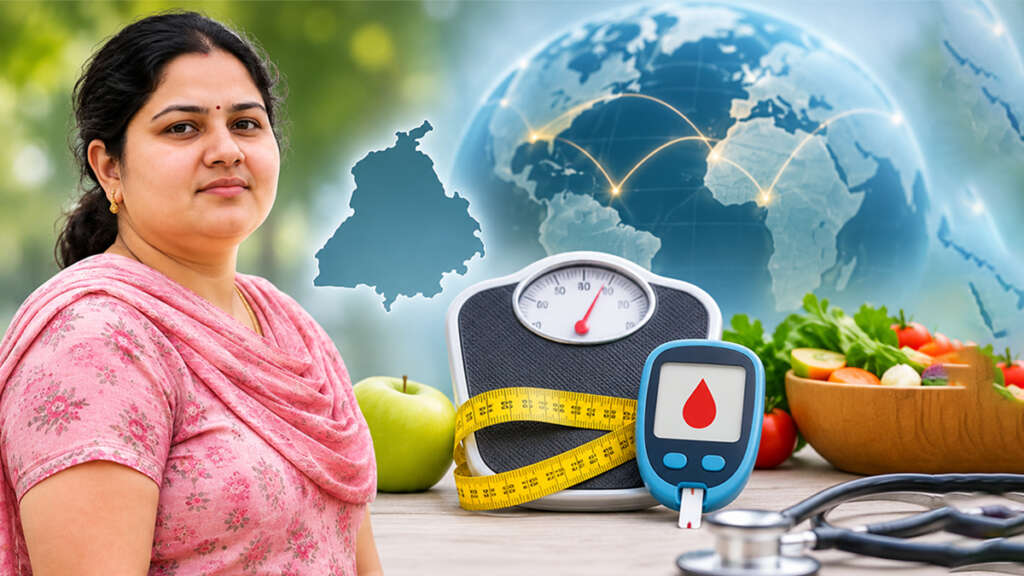
Therefore, taking into account age, family medical history, and other risk factors, undergoing medical examinations according to professional advice is important. A balanced diet, regular walking or other physical activities, and necessary treatment are also parts of healthcare.
However, the burden of all this responsibility cannot be placed solely on women. If they receive support in household responsibilities, easy access to healthy food, and reach to basic healthcare services, carving out time for themselves can also become easier.
NFHS-6 data does not state whether there is a single cause behind the rise of obesity and blood sugar among Punjab’s women, nor how much the situation has changed since the survey. But the gap between Punjab and the national average certainly raises a question that should not be ignored.
The women who take care of the family’s health and needs all day long deserve to have their own health treated with equal importance. Prioritizing it should not require waiting for a serious illness to surface.



Leave a Comment