

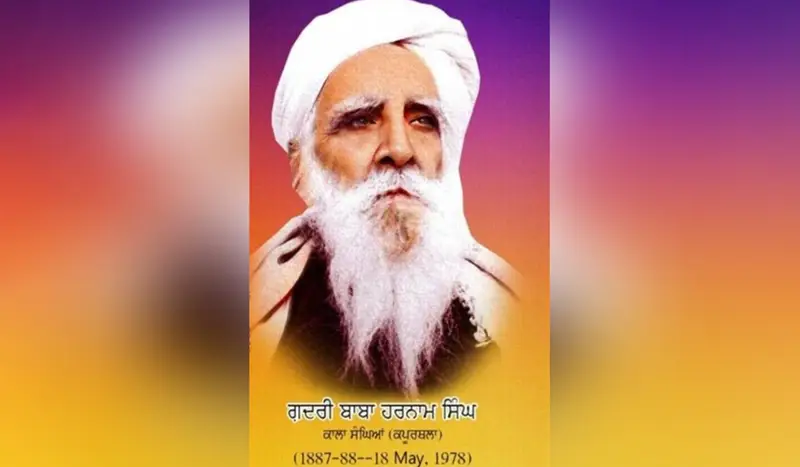

On 18 May 1978, this great symbol of struggle and resilience bid farewell to the world.
The history of India’s freedom movement is filled with stories of brave revolutionaries, martyrs, and individuals who sacrificed everything for independence. Among these frontline freedom fighters was Ghadri Baba Harnam Singh, a remarkable figure whose courage, conviction, and perseverance continue to shine through the pages of history.
He was one of the prominent revolutionaries associated with the powerful nationalist wave of the early twentieth century known as the Ghadar Movement. A close associate of Shaheed Kartar Singh Sarabha, Baba Harnam Singh’s life became a living example of resistance against British rule and unwavering love for the country.
From Kala Sanghian to the Ghadar Movement
Baba Harnam Singh belonged to the historic town of Kala Sanghian in Kapurthala district, Punjab.
When the Ghadar Party emerged overseas with the goal of liberating India from British colonial rule, Baba Harnam Singh became actively involved in the movement. Alongside legendary revolutionaries such as Kartar Singh Sarabha, Baba Sohan Singh Bhakna, and other Ghadar leaders, he worked to challenge the foundations of British imperial power.
He was not merely an ideological supporter but was considered among those involved in planning armed revolutionary action against colonial rule.
Twenty-Two Years of Imprisonment and Colonial Brutality
Like many freedom fighters of his generation, Baba Harnam Singh paid a heavy price.
Accused of rebellion against the British Empire, he was arrested and imprisoned. He spent nearly 22 years of his life in some of the harshest prisons of the time, including jails in Lahore, Montgomery (now in Pakistan), Hazaribagh, and Shahibagh.
British authorities subjected him to severe physical and psychological torture in an attempt to break his spirit. But according to accounts preserved in public memory, neither imprisonment nor suffering weakened his commitment to freedom.
Jail Cells Became Classrooms of Revolution
During his years in prison, Baba Harnam Singh reportedly came into contact with several other major freedom fighters.
Accounts describe interactions with members associated with Bhai Randhir Singh’s Akhand Kirtani movement, with Baba Sohan Singh Bhakna, and later with revolutionary circles connected to Bhagat Singh.
Behind prison walls, these freedom fighters discussed India’s future, planned hunger strikes, and imagined a free nation. For them, prison became not only a place of punishment but also a school of political thought and resistance.
When He Rejected the British Offer of Release
One of the most repeated stories associated with Baba Harnam Singh concerns the final phase of his imprisonment.
According to family and local historical accounts, British officials reportedly offered him conditional release. The condition was simple: he would have to promise not to oppose the government after release.
He refused. A reported administrative note described him as someone unaffected by prison hardship and considered him politically dangerous.
Whether preserved exactly or through oral retelling, the story reflects how his image survived in public memory: as someone unwilling to exchange freedom of thought for personal freedom.
The Family Also Paid the Price
The cost of patriotism did not stop with imprisonment.
Under actions linked to the Lahore Conspiracy / rebellion-related proceedings, British authorities reportedly confiscated 17 acres of agricultural land belonging to Baba Harnam Singh in Kala Sanghian.
The loss of land severely affected the family’s livelihood. His parents, wife, and children are remembered as having endured long periods of financial hardship while he remained behind bars.
This quieter side of the freedom struggle often receives less attention than public acts of resistance.
Freedom Came, Recognition Remained Incomplete
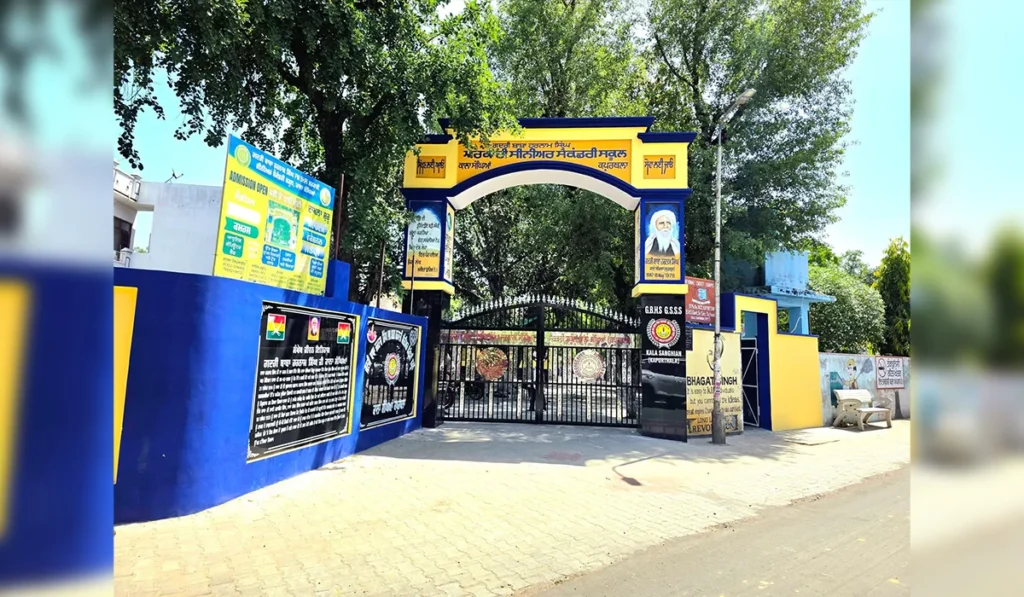
After independence, India changed politically, but many families of freedom fighters continued waiting for recognition and restitution.
Baba Harnam Singh passed away on 18 May 1978. As a mark of respect, a government school in Kala Sanghian was renamed after him.
However, public discussions around compensation, recognition, and restoration of losses reportedly continued across later decades.
Newspaper reports over the years have mentioned public assurances made by senior political leaders regarding the family’s long-standing demands, though these issues remain part of local public memory and debate.
Remembering Him on His 48th Death Anniversary
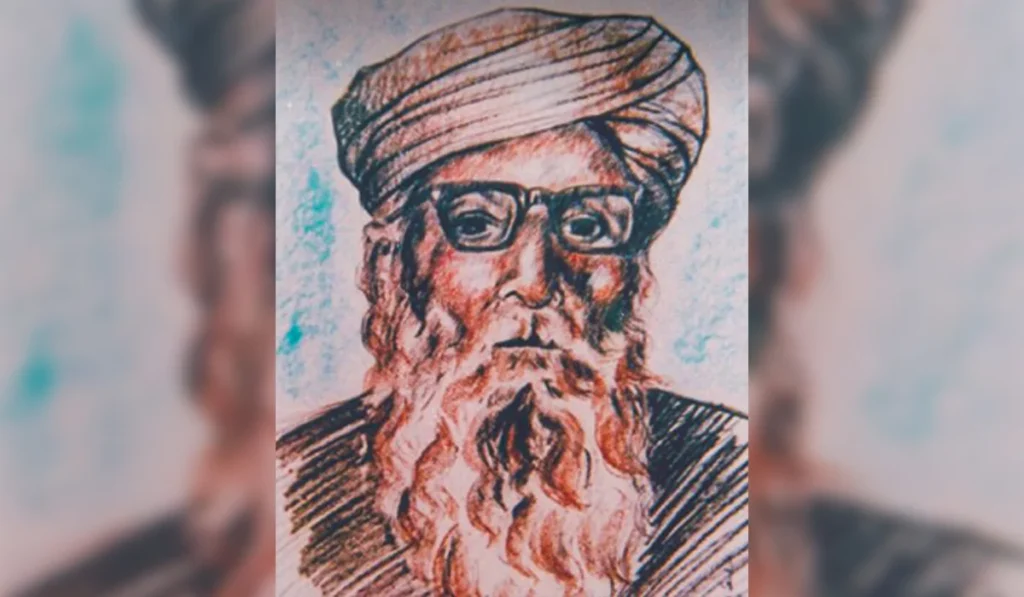
On 18 May 2026, residents, family members, and admirers gathered at Gurdwara Ghanta Ghar, Kala Sanghian, to remember Ghadri Baba Harnam Singh.
The event focused not only on paying tribute but also on revisiting his prison years, his contribution to the Ghadar Movement, and introducing younger generations to this revolutionary legacy.
More Than a Family’s Legacy, Figures like Baba Harnam Singh do not belong to one family alone. They become part of a nation’s collective memory.
Their stories remind us that freedom was not won only through speeches and negotiations, but also through long imprisonments, broken families, confiscated lands, and people who refused compromise even when no one was watching.
Remembering them is not only an act of respect. It is also an act of historical honesty.



Leave a Comment