
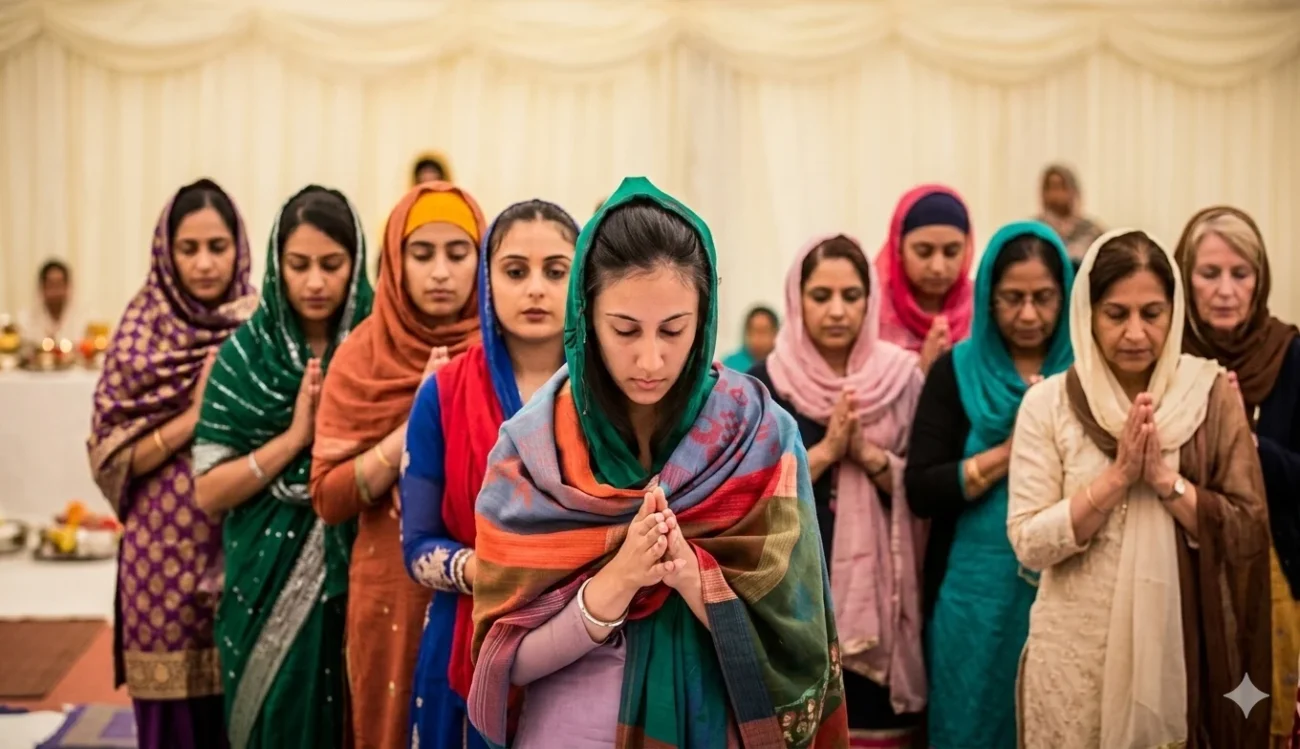

The land of Punjab is not only the land of five rivers, but also a land of bravery, valor, and a rich spiritual heritage. In shaping this heritage, Punjabi women have contributed as much as men and, in many cases, even more. The Sikh Gurus laid the foundation of a social revolution by giving women the status of “Jagat Janani” (mother of the world). Guru Nanak Dev Ji’s famous line, “So kyo manda aakhiye jit jammeh raajan” (“Why call her inferior, from whom even kings are born”), remains one of the most powerful statements in support of women’s dignity and rights.
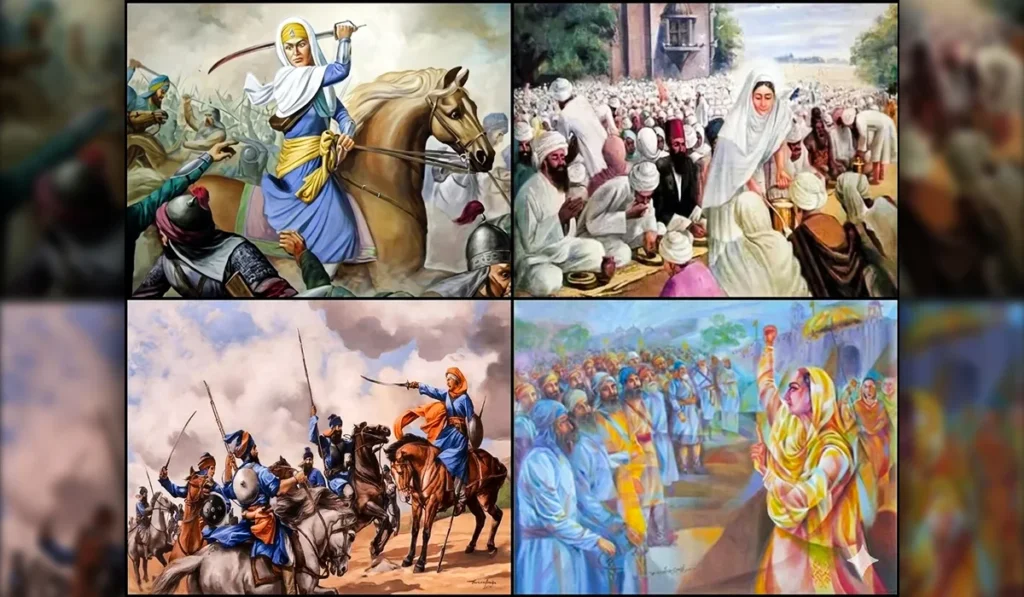
For centuries, Punjabi women have proven that they are not confined to the four walls of the home. Mata Khivi Ji institutionalized the Langar tradition, creating an enduring example of service and equality. In the battle of 1705, Mai Bhago’s leadership changed the course of Sikh history. Figures such as Bibi Sahib Kaur and Rani Sada Kaur demonstrated that women can be capable military generals and skilled political leaders.
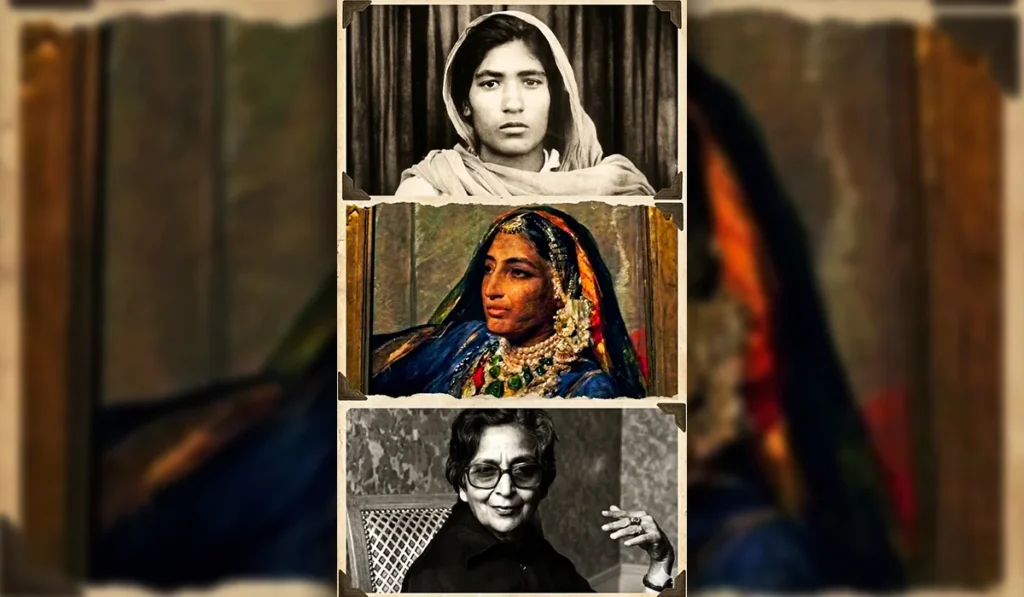
Maharani Jind Kaur shook the foundations of British authority, while Ghadar revolutionary Gulab Kaur helped keep the flame of freedom alive. In the twentieth century, Amrita Pritam, through her writings, brought the pain of women and the tragedy of Partition to an international stage.
Population and Educational Status
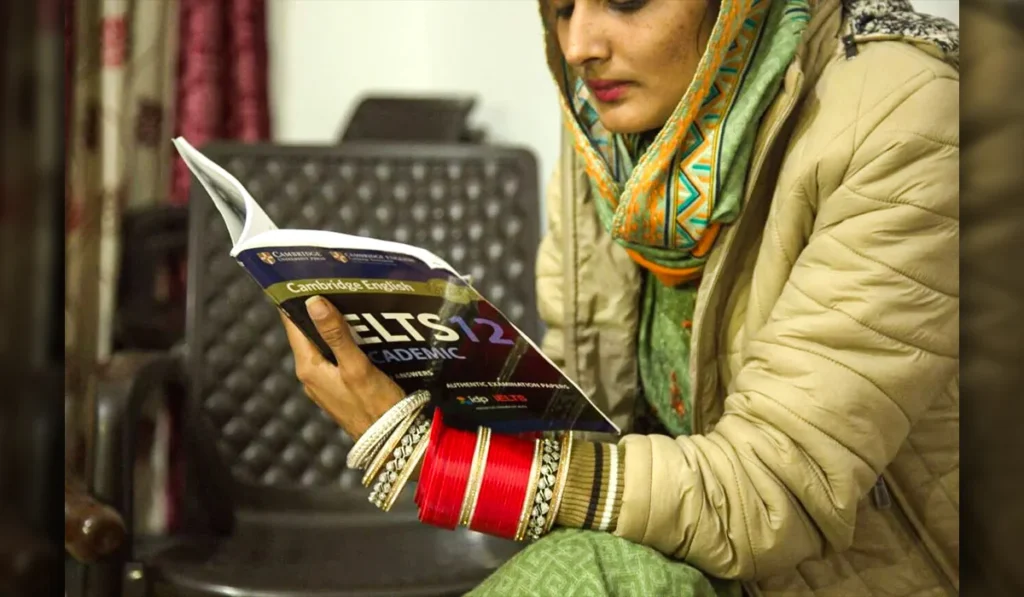
The 2011 Census and recent reports present a mixed picture of the condition of women in Punjab. The female population in Punjab is approximately 13.1 million, representing 47.2% of the total population. The sex ratio stands at 895 females per 1000 males, which remains a matter of concern. The female literacy rate is 70.73%, compared to 80.44% among men.
There are also significant regional disparities. Hoshiarpur district leads with a literacy rate of 80.3%, while Mansa district lags behind at 55.7%. Moreover, caste-based disparities in literacy are extremely pronounced. Among Scheduled Caste women, the literacy rate is only 31.03%, indicating that the benefits of development have not reached all sections of society equally.
Contribution to the Economy: Invisible and Unrecognized Work
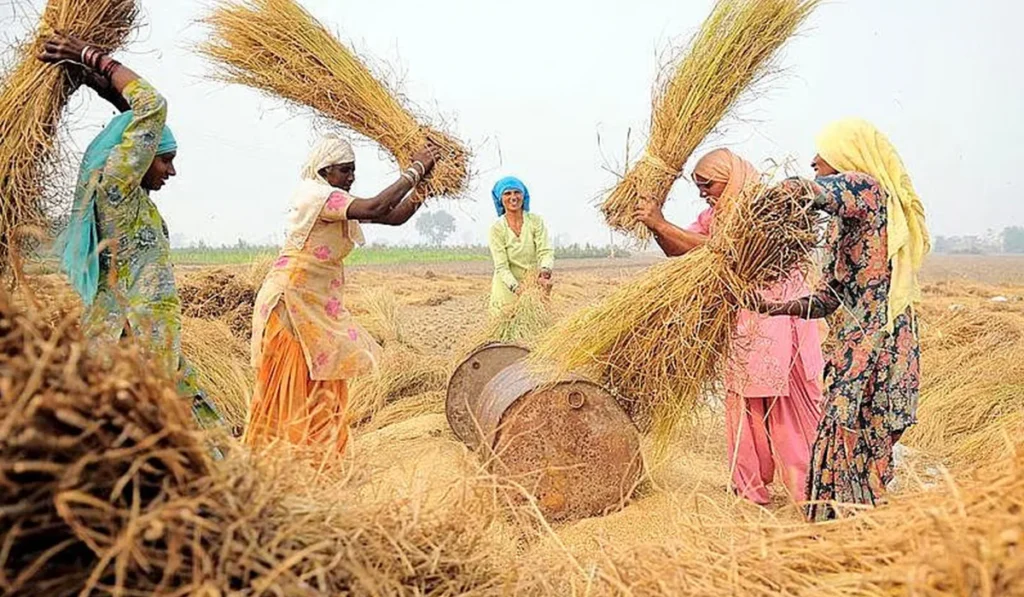
Punjab’s economy, particularly its agricultural sector, rests heavily on the labour of women. In 2022–23, women’s workforce participation increased to 26.2%, but it still remains lower than the national average. Rural women (14.3%) are more active in employment than urban women (13.2%).
Women work alongside men in fields, performing tasks such as weeding, paddy transplantation, and livestock care. On average, Punjabi women spend 7.6 hours daily on unpaid activities such as household work and childcare. This unpaid labour forms part of what is known as the “care economy,” which is not included in the calculation of GDP.
Legal Rights and Social Reality
While the law grants women equal rights, social customs often become obstacles. Although daughters legally have equal rights to property, only 31% of property in Punjab is registered in women’s names, while 69% remains under male ownership.
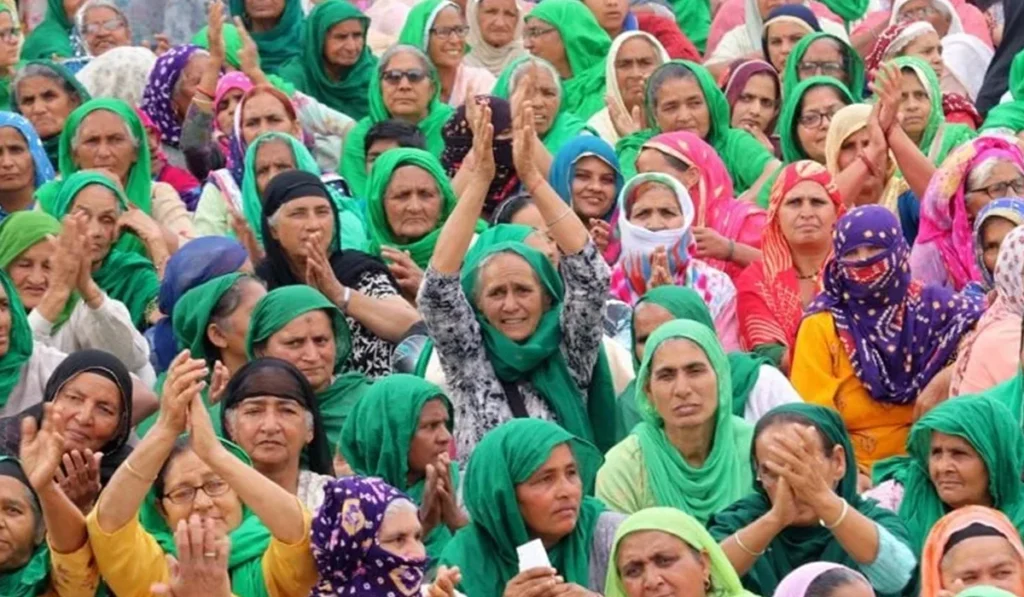
Even working women often depend on male members of the family when it comes to spending their salaries or making financial investments. During the farmers’ movement, women participated in large numbers, but their representation in decision-making committees such as the Samyukt Kisan Morcha remained minimal. This highlights a troubling reality: women are often mobilized to participate in struggles but are rarely given leadership roles.
The Road Ahead and Paths for Reform
If Punjab truly wishes to progress, improving the status of women is essential. Special provisions for higher education and vocational training should be created, particularly for girls from backward regions and Scheduled Caste communities. Awareness campaigns should encourage property ownership among women, and further reductions in property registration fees for women could help strengthen their financial independence.
There is also a need for a change in social attitudes so that domestic work is recognized as labour, and men actively share household responsibilities. Ensuring the safety of women in workplaces and public spaces is equally important so that women can participate in economic activities without fear.
Punjabi women possess immense potential. They are the heirs of Mai Bhago’s legacy. The day Punjabi women become not only educated but also economically and mentally independent, nothing will stop Punjab from becoming “Rangla Punjab” (a vibrant and prosperous Punjab). This is not merely a struggle of women, but a struggle for the very future and identity of Punjabi society.


Leave a Comment