

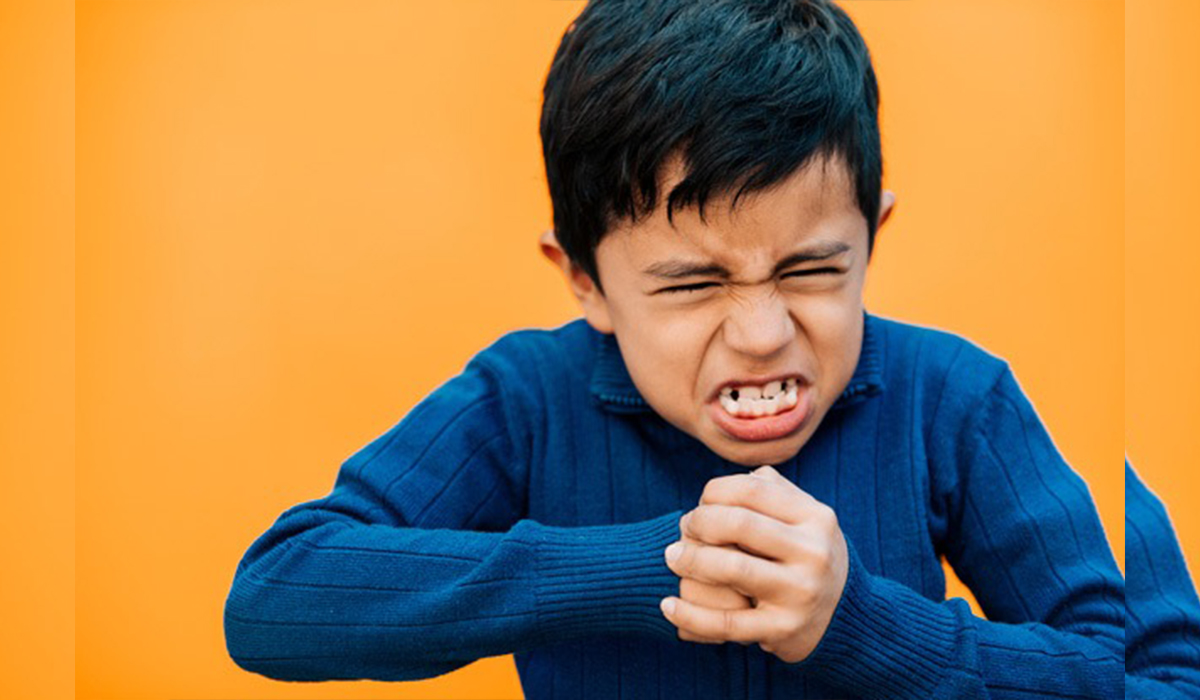

Adolescence is a delicate stage of human life in which physical, mental, and emotional changes occur very rapidly. At this age, children’s behavior becomes the foundation of their future personality. A recent study conducted by the Department of Education and Community Service at Punjabi University, Patiala, has brought forward several surprising and worrying facts about children in Punjab. The study clearly indicates that most children in Punjab show anger levels higher than average.
According to the available information, the research was carried out by Dr. Tajpreet Kaur under the guidance of Dr. Kavita Mittal. The significance of this study can be understood from the fact that it included 1,200 Class 11 students from different senior secondary schools across Punjab, including 580 boys and 620 girls. During the study, the students’ personalities, emotional intelligence, and the impact of the school environment on their behavior were scientifically assessed.
Different Dimensions of Anger and a Lack of Emotional Intelligence

The findings of the study are highly significant from both social and mental health perspectives. According to the research, boys showed a greater tendency toward anger than girls. At the same time, students from the arts stream were found to have higher anger levels than students studying science. One very important finding was that children from nuclear families showed higher anger levels than those living in joint families.
This suggests that family bonding and the guidance of elders play a major role in keeping children’s behavior balanced. The research also found that the level of emotional intelligence among children was below average. When a child is unable to understand and control their emotions, they often express their reactions through anger. Surprisingly, whether a child studied in a government or private school, or came from an urban or rural background, made no significant difference to anger levels. This means the problem is spread across Punjab in a fairly uniform way.
What Are the Reasons Behind Rising Anger Among Children?

Although the study confirmed the trend through data, social experts see several causes behind it. Increasing use of social media and technology, leading to higher screen time, is reducing patience among children. Academic pressure and growing anxiety about careers are also contributing factors. The growing problem of substance abuse in Punjab is also indirectly affecting the mental balance of young people. The lack of sports and physical activity, in other words distance from playgrounds, is diverting children’s excess energy in unhealthy directions, often toward anger.
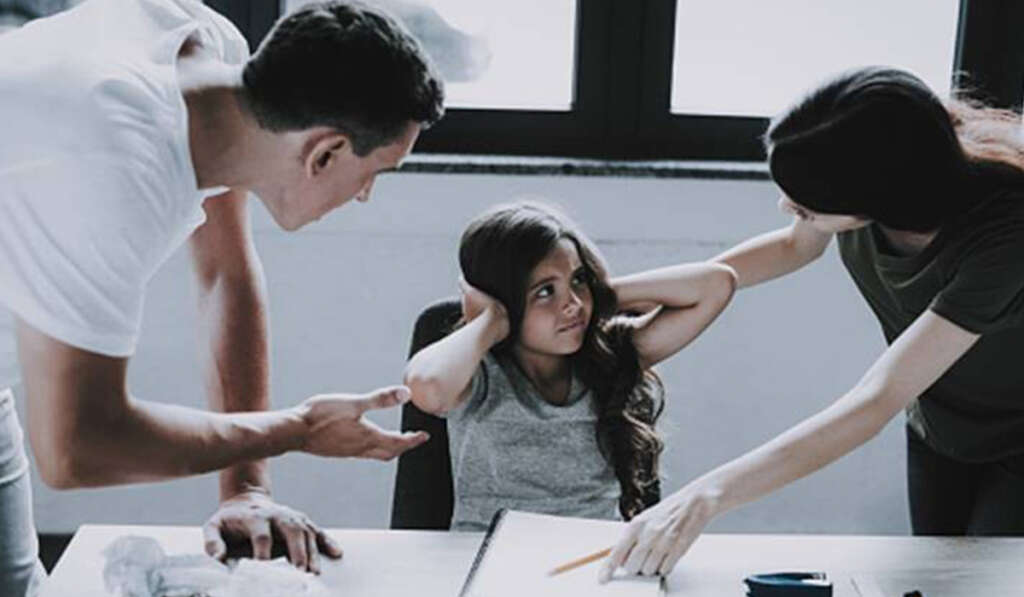
Punjabi University Vice-Chancellor Dr. Jagdeep Singh has described the study as timely and highly relevant. According to him, only socially relevant research can prepare us for the challenges of the future. Some important steps can be taken to address growing anger among adolescents. Schools should appoint mental health professionals and counselors. Instead of focusing only on bookish education, children should also be taught emotional skills. Parents should communicate with their children and keep them connected with the values of joint family life.
How Can Children’s Anger Be Managed?

In adolescence, a child’s anger is often the result of inner confusion. Parents can act as a bridge and help bring it under control. Children often become angry because they feel that nobody understands them. When your child speaks, do not interrupt. Listen to their feelings, even if you do not agree with them. Teach them that feeling angry is natural, but behaving badly in anger is not right. Encourage them to put their emotions into words, for example, saying, “I feel very disappointed today,” instead of throwing things.
If a child is shouting in anger, do not try to lecture or explain at that very moment. At that time, it is very important for parents to remain calm. Once the situation becomes peaceful, then talk about the issue. Your calm behaviour will set an example for the child.

Research shows that the constant race for likes and comments on social media increases irritability among children. Take children out of the digital world and involve them in outdoor games, walks, or family activities. As the Punjabi University study has shown that anger is higher in smaller families, parents should ensure that children remain connected with relatives, grandparents, and extended family. The love and experience of elders provide emotional security to a child.
Another very important point that emerges is sleep and food habits. Lack of sleep and junk food have a direct impact on mental health. Make sure that an adolescent gets at least eight hours of sleep and eats nutritious food. If a child’s anger is becoming uncontrollable or if they are harming themselves, immediately seek help from a good psychologist or counselor. This should be seen not as a “disease,” but as “support.”

In any case, the study conducted by Punjabi University on children’s anger is a very important subject. As the world changes, the habits of both children and adults are changing as well. Children are also picking up similar behavior because of conflicts between parents. If we want Punjab’s future to be safe and healthy, we must pay special attention to the emotional health of our children. Anger is not merely a behaviour, but a sign of emotional and psychological distress. It can only be addressed through love, education, and proper guidance.



Leave a Comment