

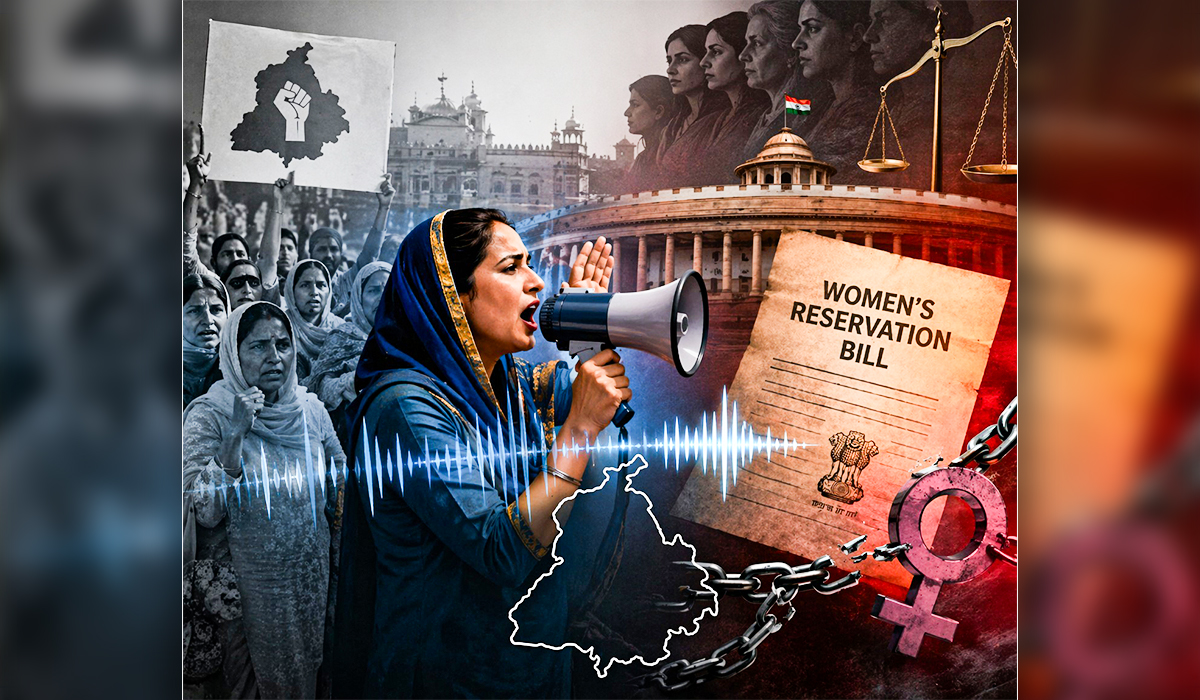

The amendments made by the central government in the Women’s Reservation Bill 2023 and the efforts to implement it quickly are being seen as a historic step toward gender equality in Indian democracy. But in Punjab’s political atmosphere, the discussion is not limited to enthusiasm alone. While, on one hand, different political parties are openly supporting 33% reservation in Parliament and state assemblies, on the other hand, a serious constitutional and regional question is also being raised: while this reform may increase women’s representation, will it weaken the political voice of smaller states like Punjab in a larger Lok Sabha?
The Need for Representation: Numbers and Reality
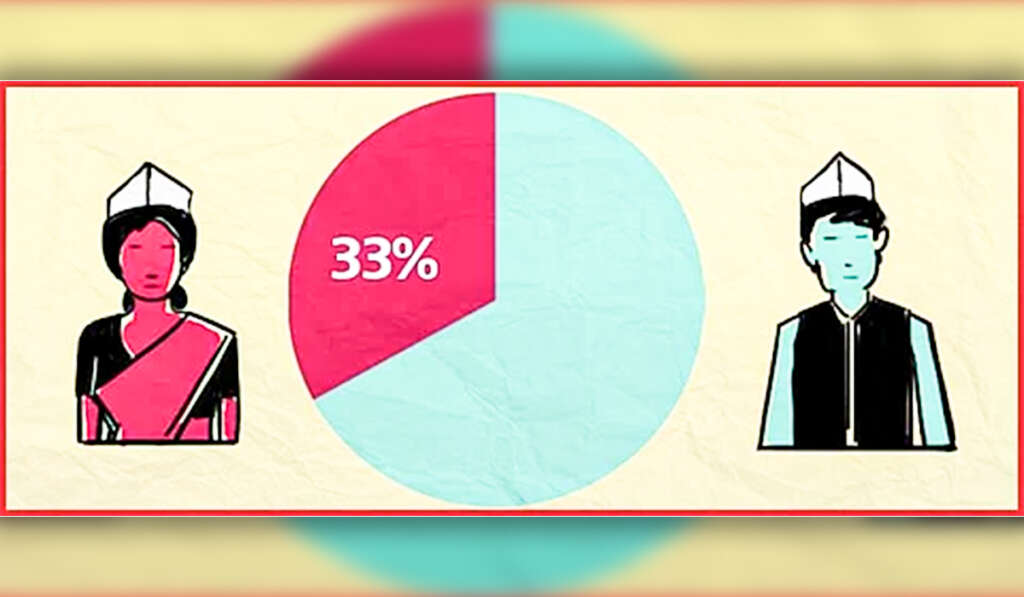
From one point of view, there can be no disagreement about the moral necessity of this bill. The participation of women in Indian politics is still at a deeply worrying level. If we take the example of Punjab’s 117-member Legislative Assembly, the number of women MLAs there usually remains between 10 and 12, which is not even 10% of the total strength. At the national level too, the situation is not very different, where women’s representation in the Lok Sabha is around 14 to 15 percent. In this context, 33% reservation is not merely a political concession, but a long-pending democratic reform.
Punjab has historically supported women’s empowerment. Reservation of up to 50% for women is already in place in panchayats and urban local bodies, which has created a strong grassroots foundation for women’s leadership. In recent years, government policies have also focused on women’s self-help groups and education, showing that the political environment is fully prepared for change.
Fresh Delimitation and Regional Balance
The real complication begins when the process of implementing this bill comes into focus. Punjab Congress president Amarinder Singh Raja Warring and several other regional leaders have expressed deep concern over linking this bill to a new delimitation exercise. The opposition here is not to the idea of reservation itself, but to its structural consequences.
The new delimitation is to be based on population. If the number of Lok Sabha seats rises from the current 543 to beyond 800, then highly populous states such as Uttar Pradesh, Bihar, and Madhya Pradesh will see a major increase in their seats. On the other hand, states like Punjab, which have performed better in family planning and population control, will not see an increase in seats in the same proportion. The arithmetic is very clear: in a bigger Parliament, Punjab’s 13 seats will carry less weight than before. This could weaken Punjab’s political significance in the decision-making process. The reservation law itself is also tied to a future census-and-delimitation sequence.
A Challenge for Political Parties
Opposing this bill could be morally and politically damaging for any party. The reality is also that political parties in Punjab have so far shown considerable reluctance in giving tickets to women. Electoral politics is still largely dominated by male leadership. If this bill is implemented sincerely, it will force parties to redefine what they mean by a “winnable candidate” and field more women.
This reform will also affect inner-party democracy. It will open the way to the Assembly and Parliament for women who have so far remained confined to the panchayat level. When more women participate in policymaking, issues such as health, education, child welfare, and social security are expected to come closer to the centre of the political agenda.
The Risk of Proxy Politics

But there is also a major danger on this path: proxy politics, or the so-called “sarpanch pati” culture. In Punjab, it has often been seen that after reservation in panchayat elections, women remain heads only on paper, while decisions are taken by the men in their families. If the same pattern continues in the Assembly and Lok Sabha, then the real purpose of women’s reservation will fail. The true test will be whether parties prepare strong and independent women leaders, or merely field symbolic candidates to fill the quota.
The 2027 Elections and Punjab’s Future
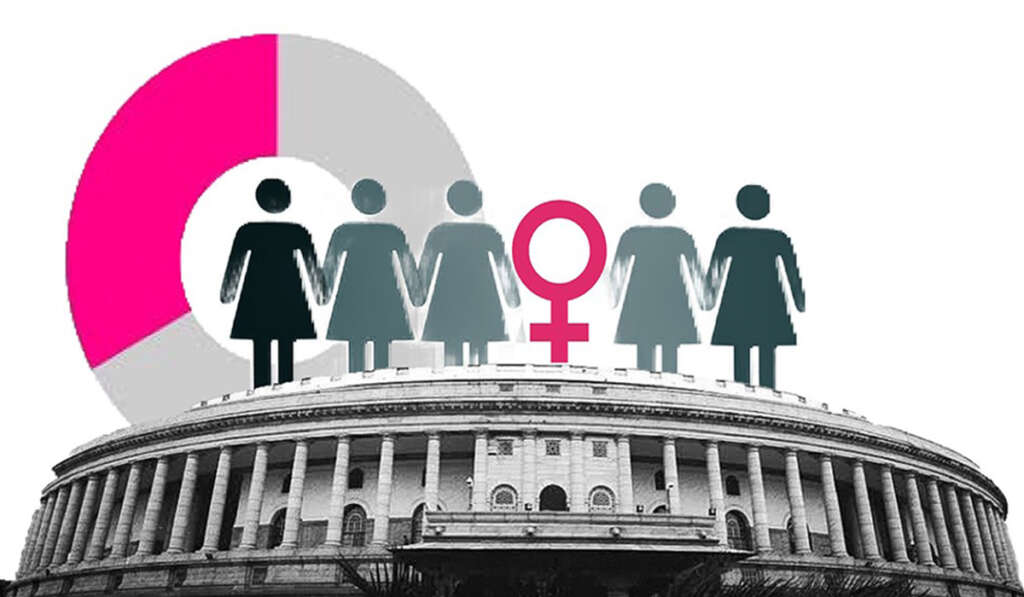
The Punjab Assembly elections of 2027 could become a major test of the effects of this bill. If the delimitation process gathers speed, Punjab may not remain merely a participant, but could become a “test case” for the whole country. At present, Punjab’s position is delicately balanced. On one hand, the state fully supports the progressive idea of empowering women. On the other, it remains cautious about the unintended consequences of structural changes within the federal framework.
In the end, the question is not whether this bill should be implemented or not. Its implementation is both necessary and timely. The real challenge is whether it can be implemented in such a way that the objective of gender equality is fulfilled without weakening the political identity of the states.
For Punjab, the stake is twofold: not only should more women from Punjab climb the steps of Parliament, but when they do reach there, they should represent a state whose voice in Delhi remains as strong and effective as before.
The Women’s Reservation Bill is not just an amendment. For Punjab, it is also an opportunity to find a new balance between political strength and social justice.
Leave a Comment