

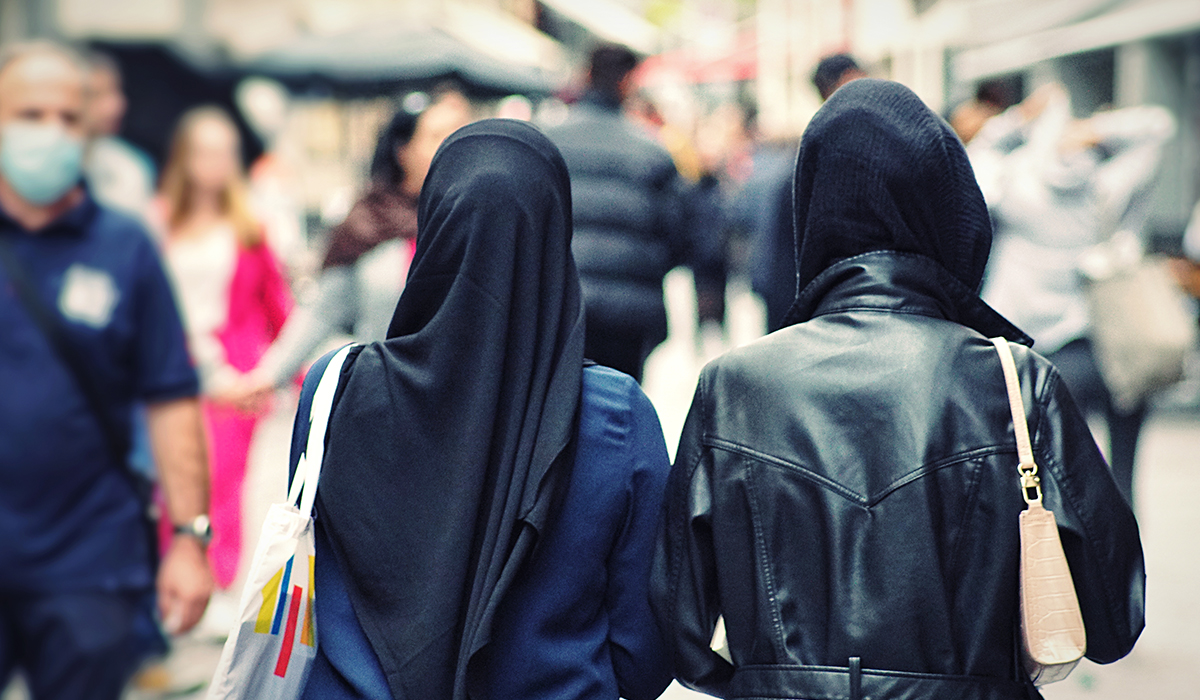

The Labour government’s proposal to appoint an “Islamophobia Tsar” has sparked concern among other minority groups in the United Kingdom. A non-statutory definition of anti-Muslim hostility announced by the government on Monday has drawn criticism from Hindu and Sikh organisations, which say the move will marginalise other faiths.
The Network of Sikh Organisations (NSO) and the Free Speech Union are planning to challenge the definition via a judicial review. In a statement released on Tuesday, the NSO asked, “If the government have a special Working Group for one faith, what about the others? If a special ‘Tsar’ is appointed to protect the interests of one faith, why the exclusivity?”
The group also questioned the rationale for creating a separate definition of anti-Muslim hostility. “The existing legal framework provides sufficient protection for all faiths from discrimination as outlined in the Equality Act 2010,” the statement noted, adding that criminal law already offers protection to all religious communities.
The statement also criticises the guidance for its “vague terminology” in defining hostility, saying phrases such as “prejudicial stereotyping” and “negative characteristics,” are open to subjective interpretation. “Who is the arbiter of what is ‘hostile’, ‘prejudicial’ or ‘negative’?” the NSO asked. “Such terms are loaded with subjectivity and open to inconsistent interpretation.” The organisation offered a pointed example: would Sikh objections to halal slaughter of animals be considered a “negative” view and therefore interpreted as hostility?
Britain’s half a million Sikhs fear the definition will strip them of the right to proclaim the history of their own religion. The Sikhs worship ten gurus, some of whom died refusing to convert to Islam under the Mughal rule.
Minority groups have also questioned why no Sikh, Hindu or representative of other faiths was appointed to the Working Group on Anti-Muslim Hatred tasked with developing the definition. The definition, created by an all-party group of Parliamentarians, includes criminal acts including verbal harassment directed at Muslims because of their religion; treating Muslims as a collective group with fixed characteristics; and practices designed to disadvantage them.
Although the definition will be non-binding legally, it will be provided to public bodies and institutions as guidance on what constitutes unacceptable treatment of Muslims. The Labour government says the move is necessary to address rising anti-Muslim hostility. Britain’s four million Muslims have faced what the Ministry of Communities describes as “record high” levels of hate incidents. The ministry also notes that such hostility often affects individuals perceived to be Muslim-including Sikhs, Hindus, or those who have left Islam.
Yet critics warn that the initiative could have unintended consequences. The Free Speech Union has long argued that any official definition of Islamophobia risks creating a chilling effect on free speech, potentially stifling debate on issues such as Islamist extremism or the grooming gangs scandal. Anti-hate campaigner Fiyaz Mughal has said he feared people opposing Islamic practices like polygamy might be branded Islamophobes.
The Hindu Council UK wrote to the Secretary of State for Communities, Steve Reed, in February saying the people would shy away from legitimate criticism of Islam for fear of falling foul of a “poorly defined standard” of “anti-Muslim hostility”. Other critics, such as former health secretary Sajid Javid, have warned this may open the gates for a “backdoor blasphemy law”. British Parliament abolished blasphemy laws in 2008.
Whether intended as protection or perceived as preferential treatment, the proposed definition has opened a wider debate about equality before the law. For many critics, the concern is not about combating anti-Muslim hatred but about ensuring that government policy does not create hierarchies among faith communities or inadvertently restrict legitimate public discussion. How the government responds may ultimately determine whether the initiative strengthens social cohesion or fuels further mistrust among Britain’s diverse religious groups.
Disclaimer: The views expressed in this article belong solely to the author and do not reflect the views or opinions of DNN24 or any affiliated organization.


Leave a Comment