
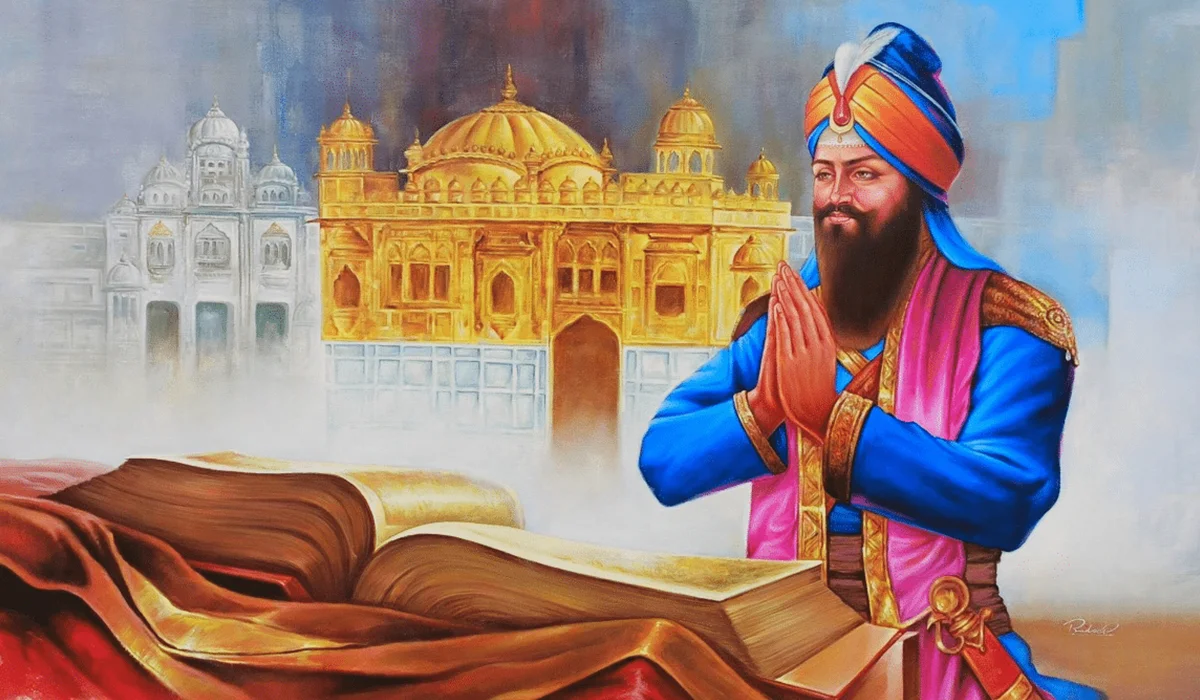

For centuries, Hindustan was kept enslaved by plunderers, raiders, and invaders, who for hundreds of years looted its honour and dignity mercilessly. Everything here, even animals, wealth, riches, and human beings, had become as if reserved possessions for the raiders. Whenever the Mughals or other foreign invaders wished, they would attack Hindustan, loot everything, and leave. While departing, they would also carry away the men and women here as their slaves. The condition of the people of this country had become like sheep, which anyone could shear whenever they wanted. Many kings ruled here, but only a rare one succeeded in protecting his people. Only a few rulers of some small kingdoms were willing to stake their lives for their people; otherwise, all of them would cower before Mughal attacks.
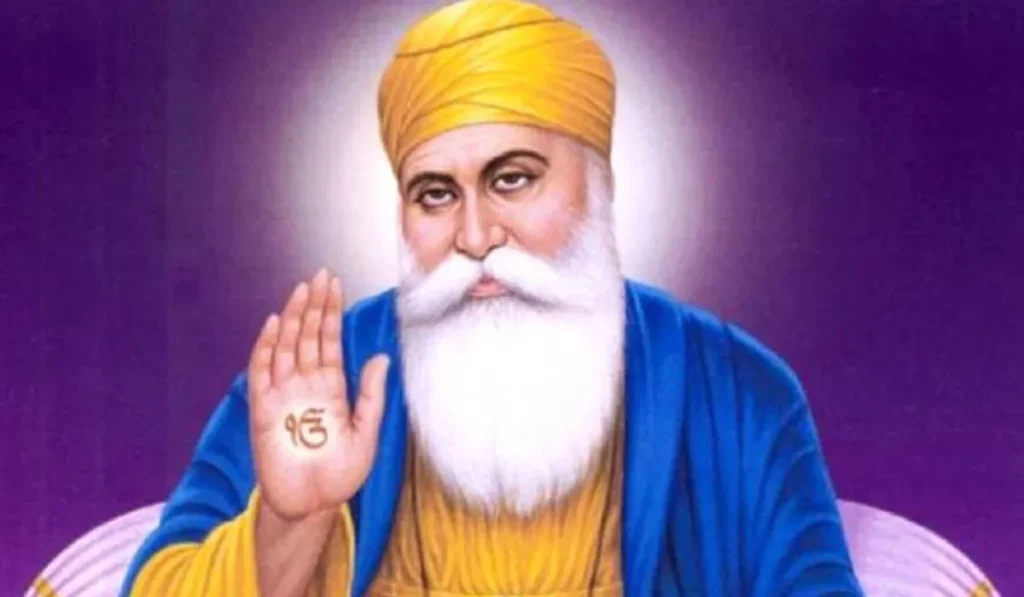
In the 15th century, a great revolutionary transformation took place. A great soul appeared in this world in the form of Sri Guru Nanak Dev Ji. He breathed a new spirit into the sleeping masses. Dr. Iqbal wrote at one place:
“Phir uthi aakhir sadaa tauheed ki Punjab se.
Hind ko ik mard-e-kamil ne jagaaya khwaab se.”
Sri Guru Nanak Dev Ji’s first task was to teach people how to call truth by its true name, and to inspire them to live a pure and truthful life. Giving the message of mutual brotherhood, he made a meaningful effort to free people from the slavery of caste, high and low, and discrimination. He forbade empty rituals and himself demonstrated everything through his own conduct.
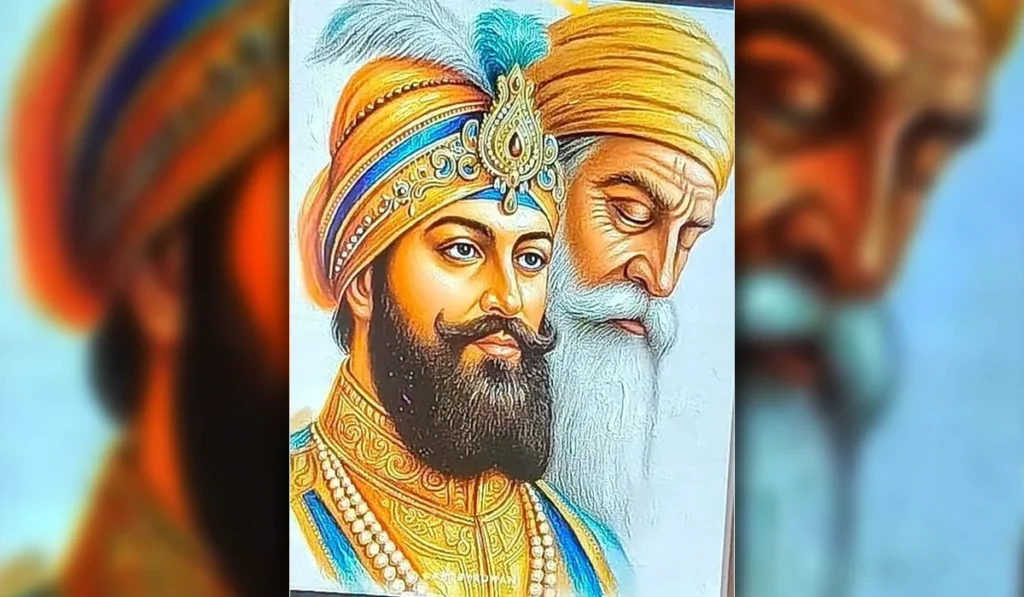
This ideal edifice, whose foundation had been laid by Sri Guru Nanak Dev Ji, was completed by Sri Guru Gobind Singh Ji. On 30 March 1699, at Sri Anandpur Sahib, at the place of Kesgarh Sahib, Sri Guru Gobind Singh Ji carried out such a revolutionary act, the like of which is found nowhere else in the world. Setting aside the false distinctions of caste, untouchability, and social division, which had gripped the country even more terribly than foreign plunderers, Guru Ji declared the whole world to be of one human race and laid the foundation of the Khalsa Panth.
Reports of Muslim intelligence officers from old times state that more than 80,000 sangat were present at that gathering of 30 March. The author of Sri Gurpratap Suraj Granth, Churamani Kavi Santokh Singh Ji, while describing this, writes:
“Door door te sangat aai.
Jis meh premi Sikh sumdaai.
Chahoon dishin te Guru hakaare.
Pathe hukamnaame pur saare.
Dhar dhar shastar tyaag nij ghar ko.
Prasthaane sabh Anand puri ko.”
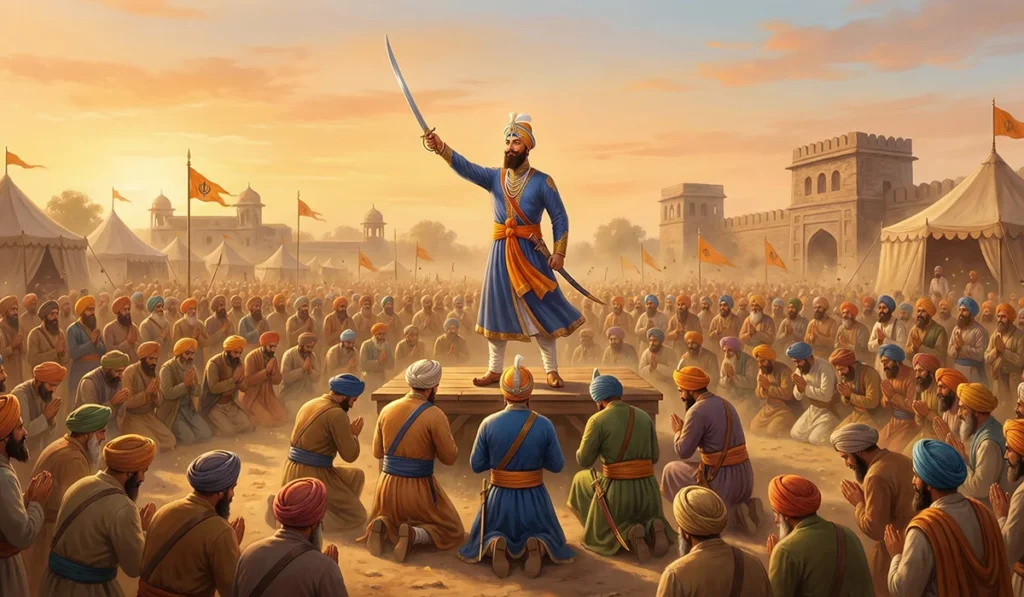
On this occasion, Sri Guru Gobind Singh Ji Maharaj came among the sangat, and a strange and wondrous event took place. Guru Ji held a naked sword in his hand, and there was a unique radiance and majesty on his face. When Guru Ji asked the sangat for a head, silence spread through the whole congregation, and people began looking at one another. When the sangat looked towards Guru Ji’s face, they could not bear its blazing majesty. Seeing silence all around, Guru Ji once again challenged the sangat and asked for a head. Even this time, no one stepped forward. Whispering began in the congregation, and fear also took hold. When Guru Ji repeated the same words for the third time, Bhai Daya Ram, a Khatri from Lahore, stood up with folded hands and came before Guru Ji, bowing his neck. Bhai Daya Ram Ji said, “O Master of both worlds, O True King, this head belongs to you. Use it as you wish.” Bhai Santokh Singh Ji writes:
“Daya Singh ik basai Lahore.
Chhatri sabh singhan sirmaur.”
and
“Binti bhani jor jug kar ko.
Leejai Satigur mere sir ko.
Suni Kalgidhar tajyo prayanka.
Deno sir ton aai nishanka.”
Sri Guru Gobind Singh Ji took Bhai Daya Ram Ji by the arm and led him into the tent.
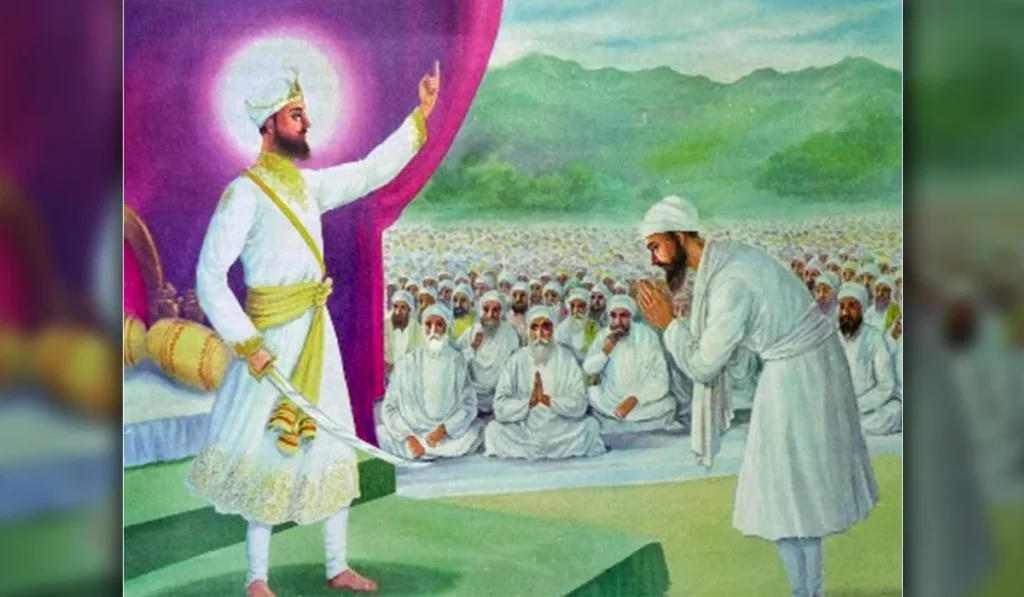
In the same way, one after another, four more brave men stepped forward and offered their heads. These were Dharam Chand Ji from Hastinapur in present-day Uttar Pradesh, who was by caste a Jat; third was Bhai Himmat Chand Ji of the Jhieur caste from Jagannath Puri in Odisha; fourth was Mohkam Chand Ji, a Chhimba from Dwarka; and fifth was Sahib Chand Ji, a Nai from Bidar in Karnataka.
At that moment, while asking for heads, Guru Ji had not said that a person of any particular caste or any particular place should come forward. Rather, he had said that a true human being should step forward. Thus, though these five belonged, by common saying, to different castes, Guru Ji erased all their castes and made them one single caste of purity. These five had not come forward out of attachment to life; rather, mocking death itself, they had come before the Guru. Sri Guru Nanak Dev Ji’s command is:
“Jau tau prem khelan ka chaao. Sir dhar tali gali meri aao.
It maarg pair dhareejai. Sir deejai kaan na keejai.”
These five acted upon this teaching.
Guru Ji took the five into the tent one by one and united humility, devotion, and power. Guru Ji remained inside the tent for a considerable time. When, after some hours, Guru Ji came out of the tent, the sangat was astonished to see that along with him stood those same five devoted Sikhs alive, whom Guru Ji had taken one by one into the tent, and whom the sangat had assumed had had their heads cut off by Guru Ji’s sword. In the Amrit that was administered to the five, the sugar crystals symbolized humility, the double-edged sword symbolized power, and the bani symbolized devotion. To increase love among all, Amrit was given from the same bowl, and the false castes were erased and replaced with one single caste, Khalsa. To their names was added the word Singh, symbol of rising spirit, and thus they became Daya Singh, Dharam Singh, Himmat Singh, Mohkam Singh, and Sahib Singh. They were blessed with the same attire, the saffron bana, and Bhai Daya Singh was appointed the leader of the five. Then it was declared that from that day onward, all authority would rest with these five. This was, in the truest sense, decentralization of power.
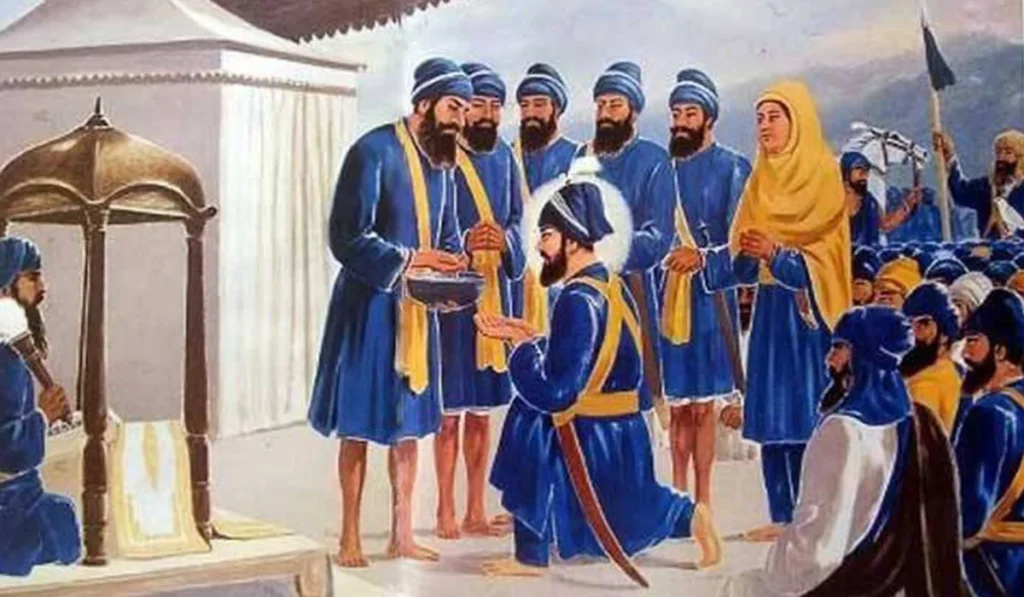
Guru Ji gave these five the title of Panj Piare, and by ending all caste distinctions, attached the word “Singh” to all their names. Then the sangat witnessed a wondrous spectacle: Guru Gobind Singh Ji knelt before these Panj Piare, folded his hands, and asked from them the gift of Amrit. The entire sangat was astonished that Guru Ji was standing with folded hands before the Sikhs. Lifting the veil from this mystery, Guru Ji said that from that day onward these Panj Piare would be the form of the Guru, and the authority to administer Amrit would rest only with the Panj Piare. Guru Ji received Amrit from these five and changed his own name from Gobind Rai to Guru Gobind Singh. Considering them his own Guru, he himself asked from them the blessing of Amrit. For the future, he gave them the authority to approve any action. Later, these same Panj Piare even imposed punishment upon Guru Ji. In this way, Guru Ji erased the distinction between Guru and disciple.
All are equal, all are Khalsa, no single hand should hold power, sit together and make decisions collectively, live a pure and ideal life based on reason, avoiding hollow rituals. Earn through righteous labour, through truth, and share with others, and always remember the One Akal Purakh so that ego may not arise. This was the message given to the Khalsa. Guru Ji said that other women should be regarded as mothers, daughters, and sisters. Women must be respected.
“Jab lag rahai Khalsa niyaara. Tab lag tej diyo main saara.
Jab ih gahai bipran ki reet. Main na karo inki parteet.”
History bears witness that the Khalsa always confronted oppression. It protected the helpless and the poor. The sword was raised not to commit oppression, but to stop oppression. In conduct, it remained noble and pure. From raiders like Abdali, it rescued the women and daughters of Hindustan who had been taken captive, and returned them safely to their homes. Today is the time for self-examination, to see in how many senses we still remain Khalsa. Earlier, the kings of states fought for themselves; today our leaders fight for dominance. Neither then did anyone care for the people, nor now. There is benefit in celebrating this day only if we walk on the path shown by Guru Ji. We must strike down the Abdalis and Aurangzebs of corruption, dishonesty, and selfishness. May Sri Guru Gobind Singh Ji bestow his grace upon us so that we may all become true Khalsa.

Leave a Comment