

In the fertile fields of Punjab, where the five rivers once whispered ballads of love, rebellion, and resilience, a darker force has stalked its artists for decades. It does not merely kill bodies — it murders the spirit. It strangles Punjabiyat — that raw, generous, unapologetic essence of being Punjabi: loud laughter at weddings, tears in folk songs, the courage to speak truth to power, and the freedom to sing of both the earth and the heart’s desires.
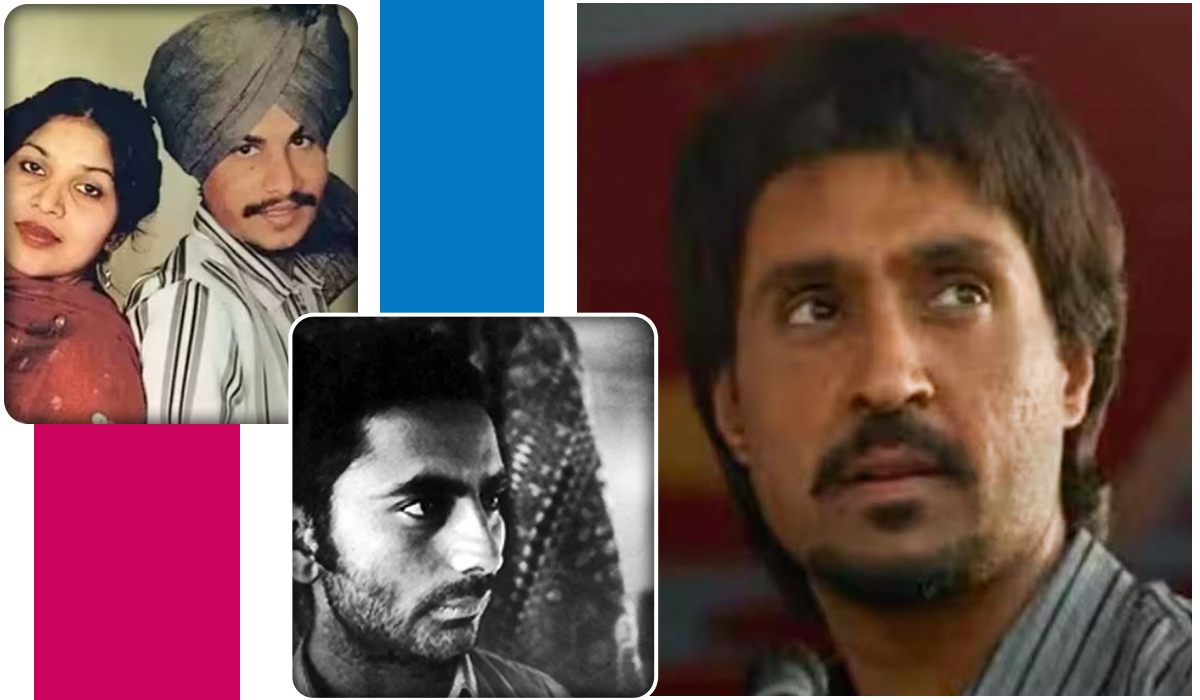
On March 23, 1988, Avtar Singh Pash, the fiery poet of the people, stepped out of his modest home in Talwandi Salem. The next day he was to leave for Delhi. That evening, Sikh separatist militants gunned him down along with a friend. Pash had dared to reject the cult of the gun. His pen celebrated humanity over communal hatred. “The most dangerous is the one who has no fear of death,” he once wrote. They made sure he never wrote again.
Just fifteen days earlier, on March 8, another voice fell silent forever. Amar Singh Chamkila, the “Elvis of Punjab,” was driving to a performance in Mehsampur when assassins opened fire. Chamkila and his wife Amarjot were killed on the spot. His crime? Singing of love, longing, betrayal, and the everyday joys and pains of village life — songs too earthy, too sensual, too alive for the self-appointed guardians of morality. The man who packed stadiums and gave voice to the common Punjabi was cut down in his prime. His music celebrated life; they wanted control over it.
These were not isolated tragedies of the turbulent 1980s. They were declarations: Punjab’s culture must bow to ideology. Poets who dreamed of universal justice, singers who made the masses dance — both were threats.
Decades later, the gun has largely given way to the video threat and the orchestrated protest, but the intent remains chillingly the same.
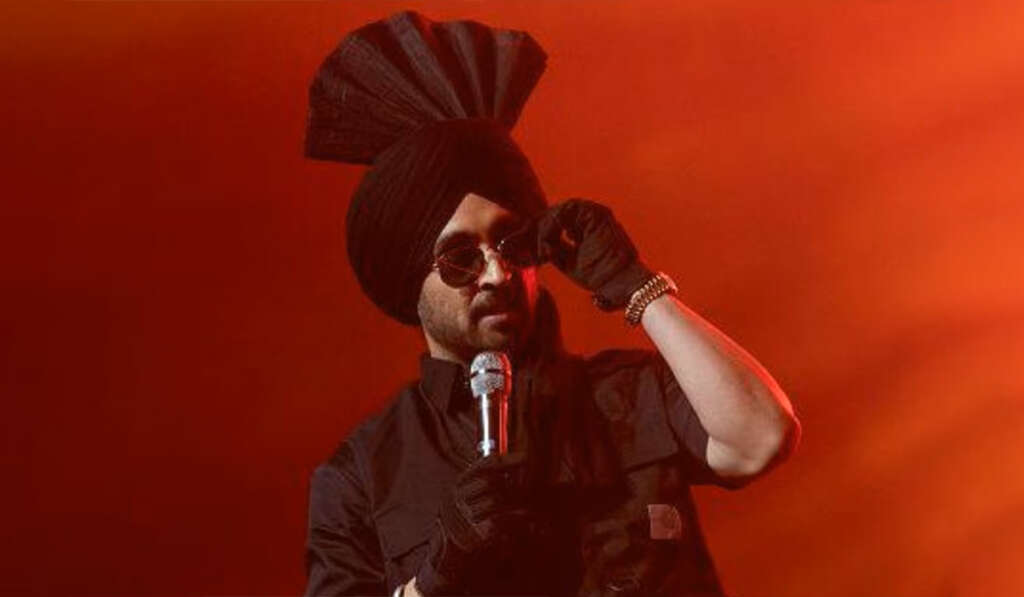
Today, global superstar Diljit Dosanjh faces the wrath of pro-Sikh separatist groups, particularly Sikhs for Justice and its leader Gurpatwant Singh Pannun. His “offences”? Touching the feet of Amitabh Bachchan in respect. Removing separatist flags waved at his concerts. Choosing to perform for millions in India and abroad without endorsing a divisive referendum. For these acts of cultural normalcy and artistic independence, Diljit has received public threats, calls for disruptions of his Aura World Tour, and online campaigns branding him a “traitor.”
At a recent Calgary show, Diljit paused mid-performance, looked at the crowd, and asked security to remove those waving flags and raising slogans. The message from the diaspora hardliners was swift: you will pay for choosing peace and performance over politics.
What is being killed is not just individuals — it is the soul of Punjabiyat itself.
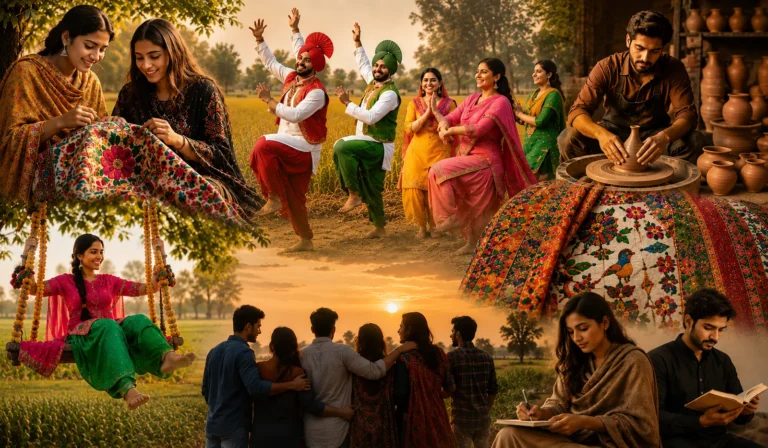
Punjabiyat has always been bigger than any single ideology. It is the warmth of langar, the defiance of Pash’s poetry, the infectious energy of Chamkila’s tumbi, the modern fusion that lets Diljit conquer stages from Mohali to Melbourne. It is the right to sing about romance without apology, to criticise injustice without joining the gun, to belong to your soil while reaching for the world.
When extremists dictate what a Punjabi artist can sing, where he can perform, whom he can respect, and which flags he must tolerate, they shrink this vast, vibrant identity into a narrow cage. They turn art into propaganda and festivals into battlegrounds. They replace the dhol with fear.
The human cost is heartbreaking. Families shattered. Talented voices silenced mid-note. Young artists learning to self-censor, choosing safe silence over honest expression. Diaspora youth growing up with a distorted, politicised version of their heritage. And ordinary Punjabis — farmers, students, mothers, lovers — robbed of the soundtrack of their lives.
Yet the spirit refuses to die completely. Pash’s poems are still read. Chamkila’s songs still echo in fields and alleys. Diljit still sells out arenas, his fans singing along in defiance of threats. Punjab’s artists, generation after generation, keep choosing creation over destruction.
The rivers of Punjab have seen many invaders. But the deepest wound comes from those who claim to speak in its name while burying its most authentic voices. True Punjabiyat does not need protection by the gun or the threat. It lives in open hearts, free stages, and uncensored songs.
Until that freedom is respected, the killing of Punjab’s soul will continue — one bullet, one threat, one silenced melody at a time.
Leave a Comment