


Punjab, known as the land of five rivers, is today fighting one of its biggest battles for survival and the future under the impact of the so-called “sixth river” of drugs. This serious social crisis has not only weakened Punjab’s youth physically, but has also deeply damaged families and the social fabric. According to estimates cited by Punjab’s Health Department, the number of people addicted to drugs in the state runs into lakhs, and a large number of them are young people between the ages of 15 and 35.
At such a sensitive time, the Sikh community and religious institutions have emerged as a strong spiritual and social shield. Today, gurdwaras are not merely spiritual centres or places of worship. They have become important support systems for de-addiction and mental health, where efforts are being made to give affected young people a new direction through medical treatment, spiritual strength and rehabilitation.
Seva and Sarbat Da Bhala: A Spiritual Foundation
To understand the role of gurdwaras, it is important to understand two core principles of Sikhism — seva and Sarbat Da Bhala. Sikh history shows that gurdwaras have always served as shelters against oppression, hunger and disease. Today, when drugs have spread like an epidemic, gurdwara management committees and local sangat have adopted this fight as a form of humanitarian service.
Sri Guru Granth Sahib teaches clearly about the harmful effects of intoxicants, alcohol and a confused mind. It refers to how intoxicants can disturb mental stability and take wisdom away. The Sikh Rehat Maryada also directly prohibits opium, alcohol, tobacco and other intoxicants. This becomes the spiritual foundation of gurdwaras’ anti-drug campaign.
SGPC’s “Nasha Chhaddo, Singh Bano” Campaign
The Shiromani Gurdwara Parbandhak Committee (SGPC), the highest elected religious body of the Sikhs, has taken direct action against drugs in Punjab. Under its Dharam Parchar Committee, the SGPC launched the “Nasha Chhaddo, Singh Bano” campaign, sending 14-member special teams into rural Punjab. These teams go door to door, encouraging young people to stay away from drugs and reconnect with Sikh values. The teams include preachers, kirtan singers and social-service volunteers.
In addition, through Amrit Sanchar ceremonies, young people are connected with the Sikh way of life, which has proved to be an effective way of keeping them away from addiction. The SGPC also runs around 31 colleges and 50 schools in Punjab and Himachal Pradesh, along with special centres for people facing physical and mental challenges.
Running De-addiction Centres
Organisations such as the SGPC and the Delhi Sikh Gurdwara Management Committee have contributed significantly to de-addiction campaigns in Punjab through awareness, service and support. In many places, they have also collaborated with government-run or NGO-led de-addiction programmes.
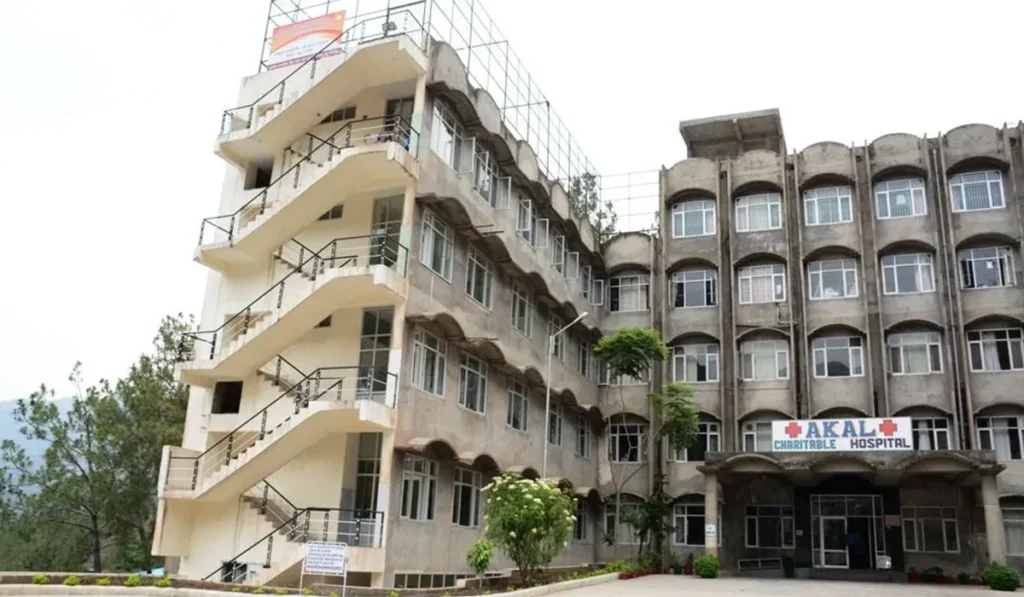
Some gurdwara-linked centres are not limited to prayer and seva alone. Under the supervision of doctors and psychologists, they provide medical therapy for de-addiction and recovery.
Several centres run under gurdwara institutions offer services either free of cost or at very low cost, making de-addiction treatment accessible for poor families.
Mental Support and Counselling
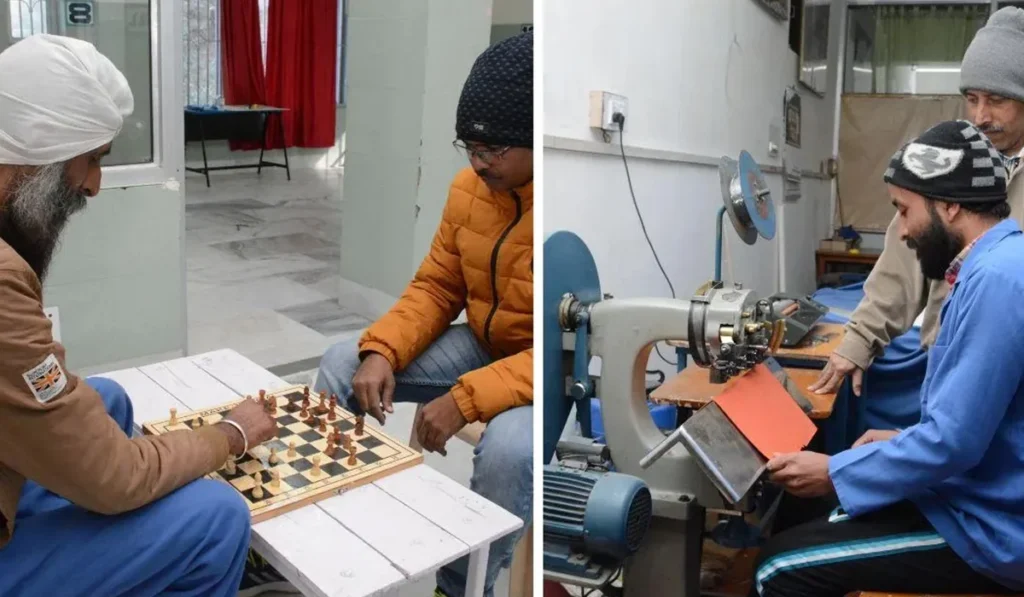
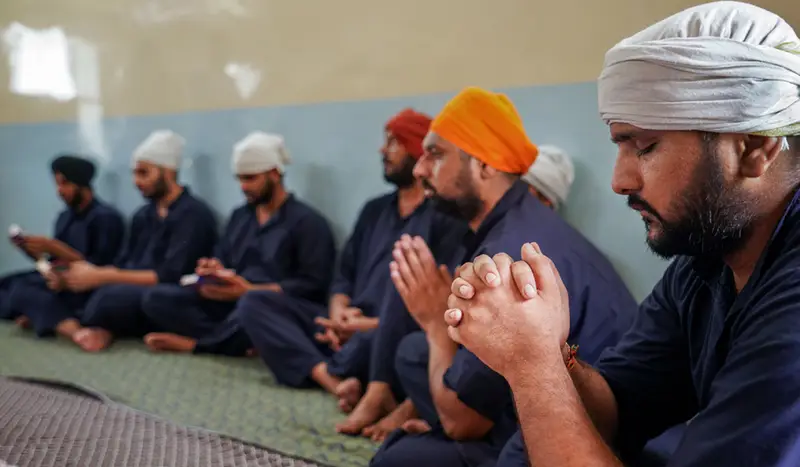
One of the biggest challenges in quitting drugs is mental stress and depression. Modern psychology also recognises that many people fall into addiction because of depression, loneliness or trauma. The peaceful environment of a gurdwara often works like therapy for patients.
When a young person sits in the sangat, he does not feel alone. He begins to feel like part of society again.
Naam Simran also plays an important role. Meditation is known to improve mental focus and reduce cravings. Through kirtan and katha, gurdwaras provide emotional and mental strength that helps patients become stronger from within.
Social Rehabilitation and Employment
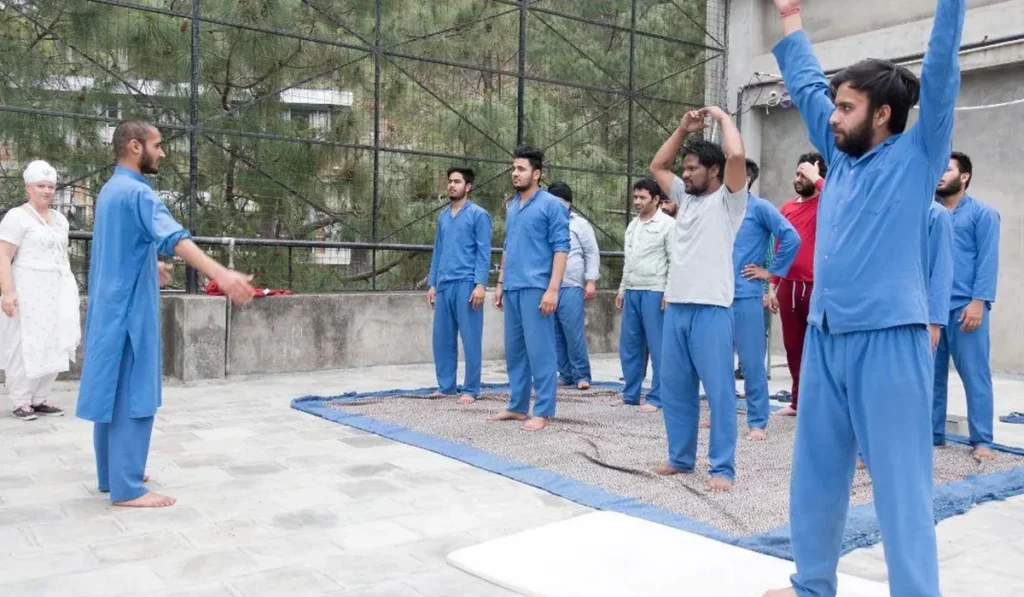
Helping a young person quit drugs is not enough. The real challenge is bringing them back into the mainstream of society. Gurdwaras play an important role here too.
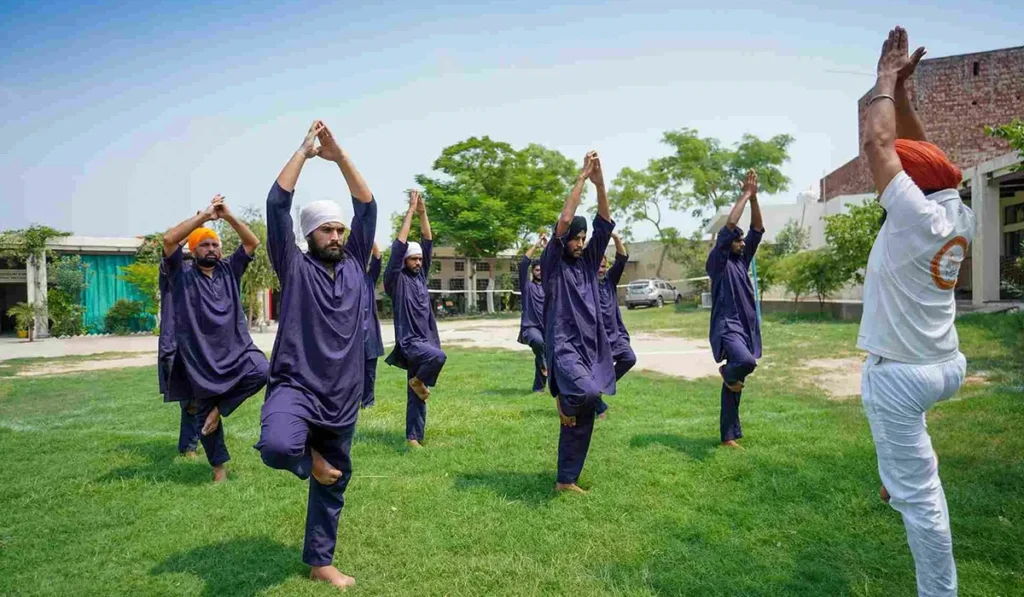
Young people are encouraged to take part in langar seva, farming, dairy work and other constructive activities. This builds the habit of kirat karna, or honest work, and keeps them engaged so that they do not return to addiction.
Some gurdwaras also run skill-development centres where young people are trained in computers, electrical work and other technical skills, helping them become self-reliant.
Awareness Campaigns and Nagar Kirtans
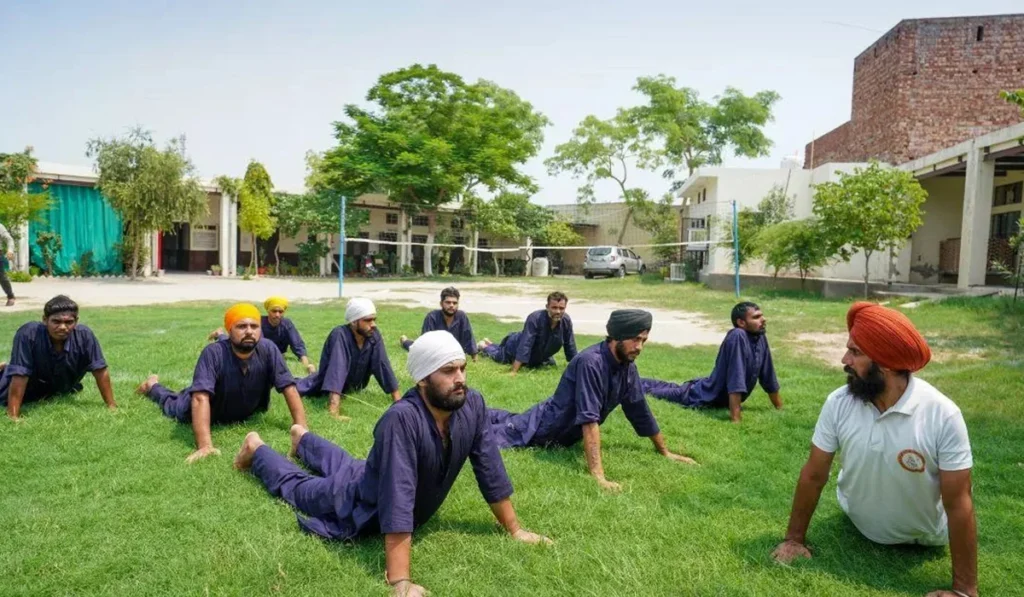
Village gurdwaras use loudspeakers to spread awareness about the harmful effects of drugs. During religious gatherings and fairs, exhibitions and literature are used to educate people against drug abuse.
Through dhadi vaars and kavishri, the history of Sikh warriors is narrated to inspire young people with courage, dignity and self-respect. This helps motivate them to break free from the slavery of drugs.
Ethics and Character Building
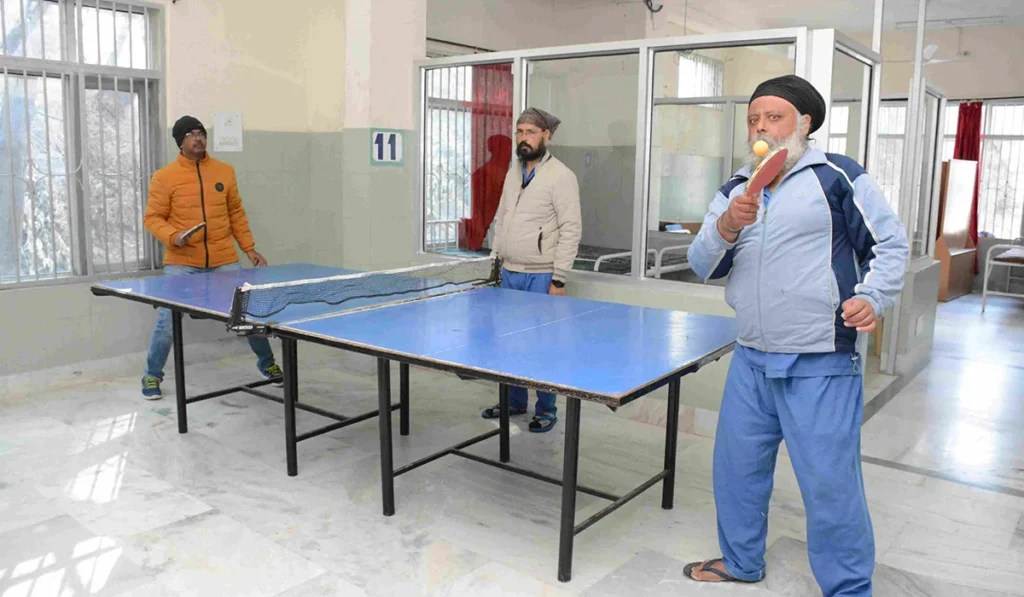
One major reason behind addiction is the weakening of moral values. The teachings given in gurdwaras guide young people to wake up at Amrit Vela, live with discipline and stay away from bad company. When a young person connects with Sikh identity and Rehat Maryada, his self-confidence grows. This gives him the strength to give up drugs and live a meaningful life.
Conclusion
The role of gurdwaras in de-addiction and mental health support in Punjab is multidimensional. These institutions offer a rare blend of medical science and spirituality. However, much more still needs to be done in this fight.
If governments and religious institutions work together, the day may not be far when Punjab once again becomes Rangla Punjab, and its youth come out of the trap of drugs to contribute to the progress of the nation.

Leave a Comment