

Punjab’s 553-kilometre-long India-Pakistan border is not just a line on the map, but a story of survival and struggle for lakhs of people. Life is extremely challenging for those living in the border villages of Punjab’s six frontier districts — Fazilka, Ferozepur, Tarn Taran, Amritsar, Gurdaspur and Pathankot. While these people stand shoulder to shoulder with the BSF and the Army in protecting the country, they continue to suffer under several geographical, social and economic hardships. Their lives are as complicated as the barbed wire along the border and as uncertain as the flow of the Sutlej.
The problems faced by people in these border areas are largely similar. According to the 2011 Census, around 1,840 villages and 9–10 towns fall within a 16-kilometre belt from the zero line, stretching from Pathankot to Fazilka. Of these, 290 villages lie within 2–3 kilometres of the zero line, and their condition remains deeply distressing.
Natural Disasters, Polluted Water and Health Crisis
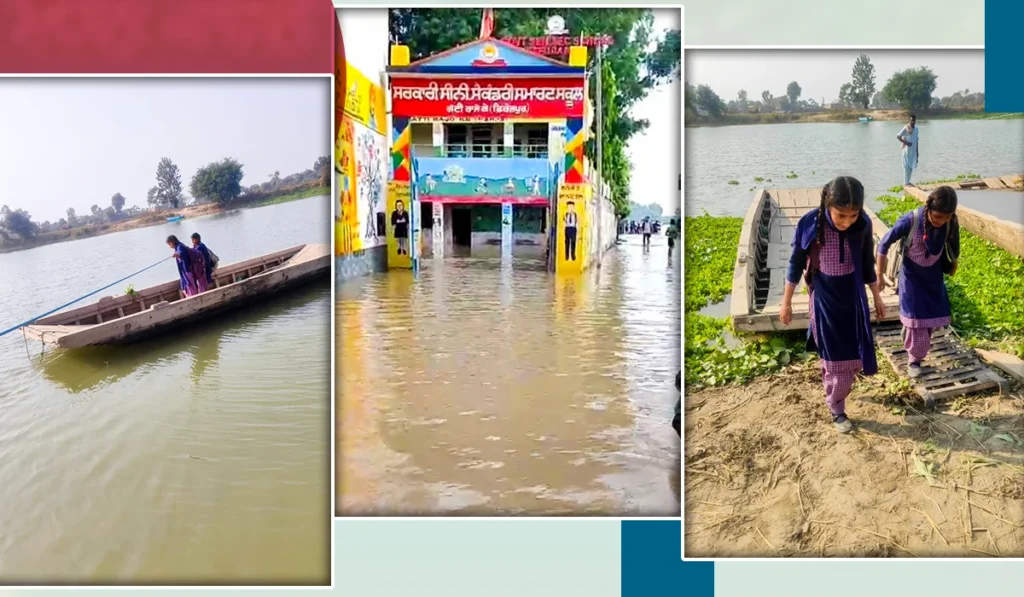
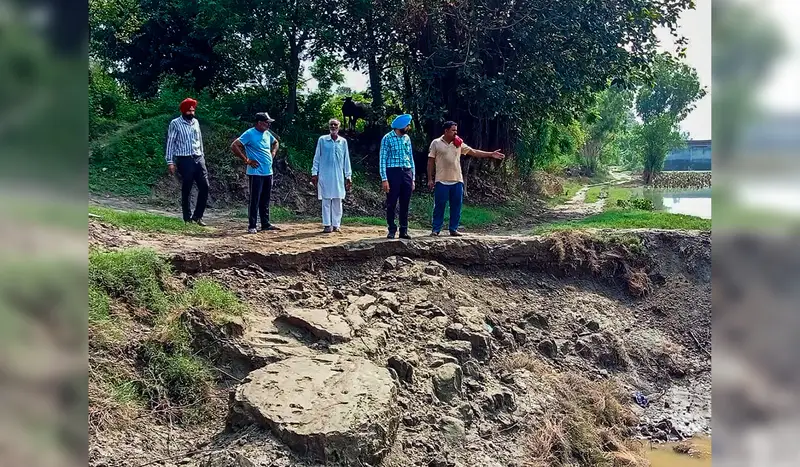
The biggest tragedy for border villages is land ownership and floods. The floods of 2023 and 2025 broke the backbone of these people. Many villages are recorded in revenue records as “be-chirag”, and a large number of farmers have been cultivating land for nearly 78 years since Independence without having ownership rights. As a result, they neither get bank loans nor full government compensation for crop damage. They are forced to fall into the trap of commission agents who charge high interest.
On the other hand, the Sutlej river, once considered a blessing, is increasingly becoming a curse. Toxic chemical water from leather industries in Pakistan’s Kasur city is reportedly mixing into the river, leading to diseases such as cancer, hepatitis, skin ailments and bone-related disorders in the region. The lack of clean drinking water is slowly damaging people’s health.
Border Tension and Loss of Education
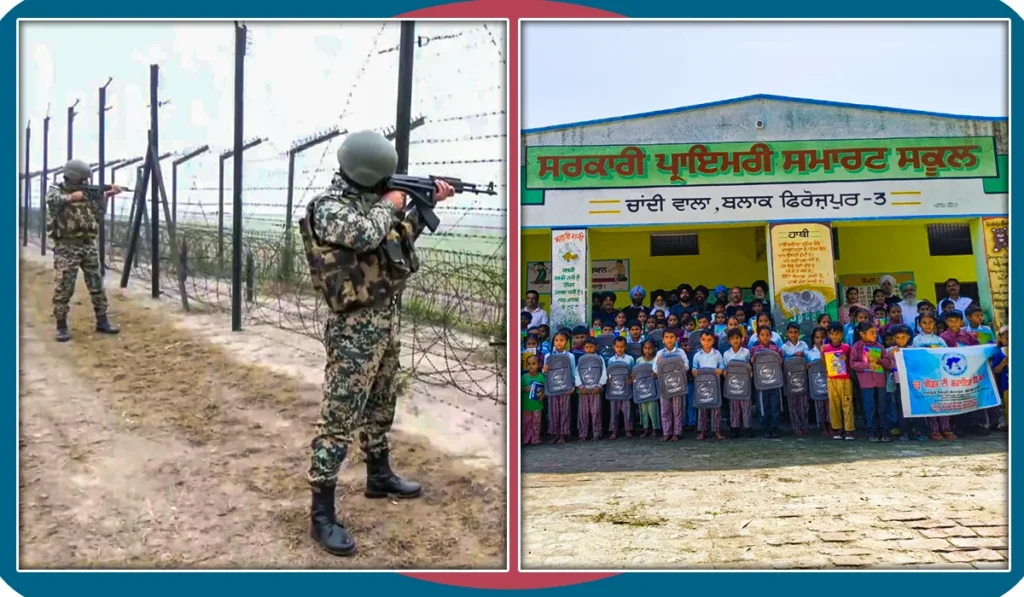
Whenever tension rises along the India-Pakistan border, the lives of these border residents are disrupted. From the wars of 1965 and 1971 to Kargil, Pulwama and the Pahalgam attack, these people have repeatedly suffered displacement. The worst impact falls on children’s education. Due to school closures and financial distress, the dropout rate rises. Girls are especially affected; many are forced to leave education midway and are married off at a young age.
A majority of the population depends on agriculture and allied occupations. The land is fertile, but farming beyond the barbed wire near the zero line is a major challenge. Entry and exit timings, as well as the type of crops that can be grown, are decided by the BSF. Wild animals, especially boars, also damage crops.
While our own governments often ignore these border communities, Pakistan tries to exploit their difficulties and pull vulnerable people into its network. Drugs sent through drones from across the border have become a major threat to the youth of these areas. Due to unemployment, some young people are led astray, and the entire region suffers the consequences. Security checks by the BSF are necessary for national safety, but because of this, local residents are often viewed with suspicion, which is deeply painful.
How Will the Issue Be Solved?
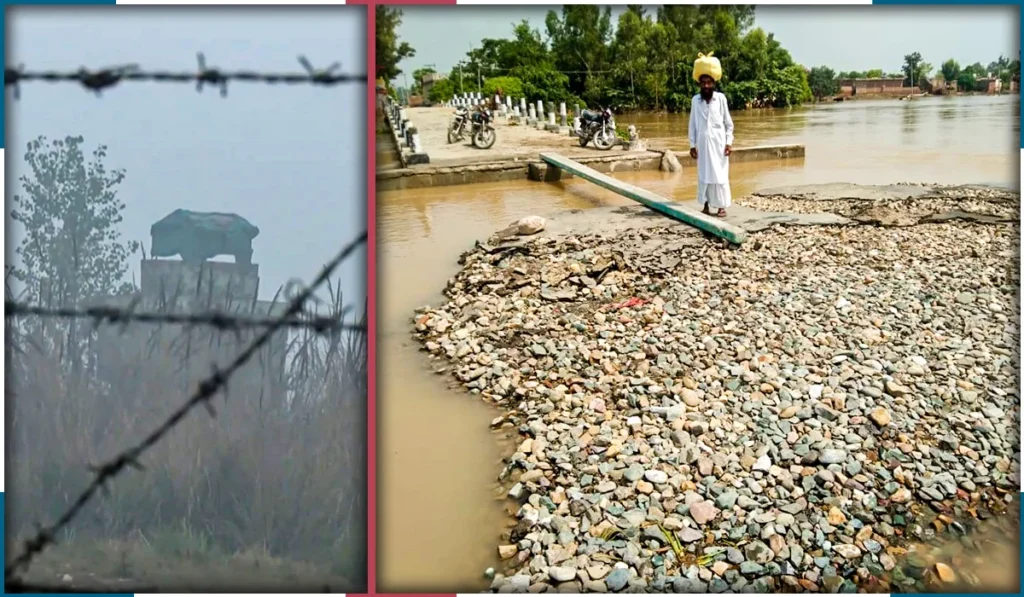
Even after more than seven decades of Independence, it is tragic that people in India’s border areas are forced to live a life marked by hardship and insecurity. In the world’s largest democracy, these border residents participate in elections with 80–90% polling, yet their region remains backward in terms of development.
What is needed now is not just promises, but a concrete policy for border-area development. Villages within a 5-kilometre belt should get reservation in jobs and educational institutions. Broken roads, hospitals and schools must be improved. Trade routes should be reopened as they were before 1971, or these areas should be developed as tourism centres to create employment. Sports academies and skill-development centres should be opened to steer young people away from drugs.
This is, in many ways, an international-level issue, but neither the state government nor the central government has paid enough attention to it. The people of Punjab’s border areas are the country’s unrecognised guardians. Solving their problems is not only the responsibility of the government, but of society as a whole.
Until the light of education and healthcare reaches the last village on the border, the development of our country will remain incomplete.

Leave a Comment