

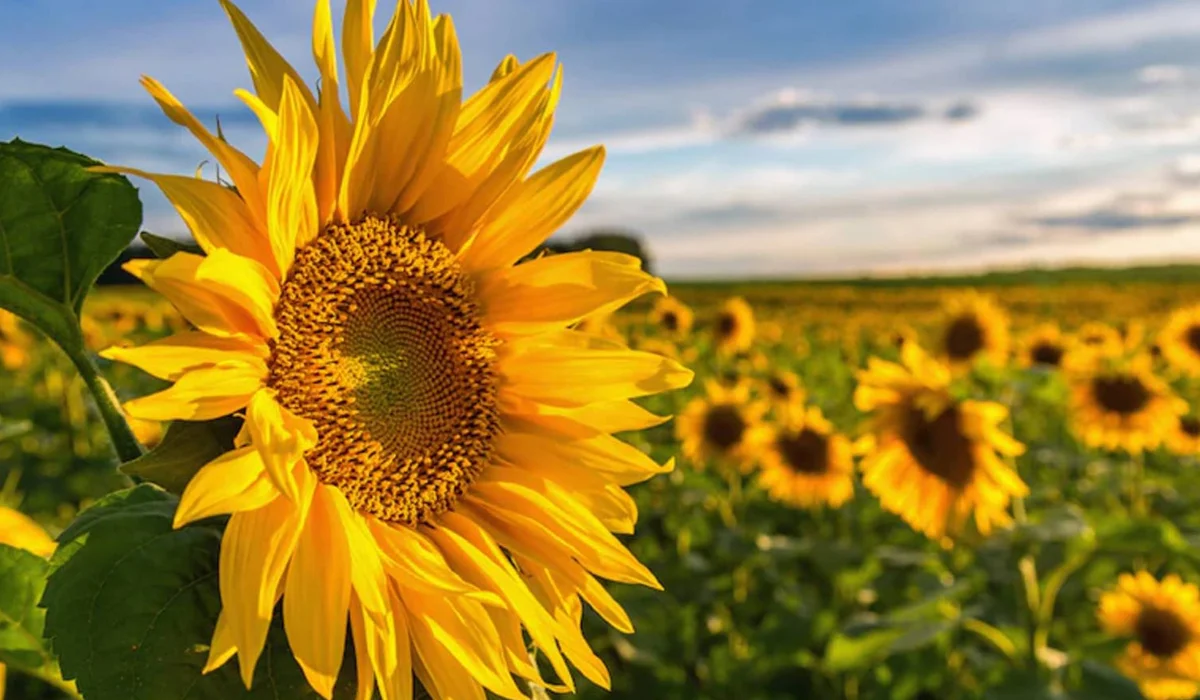

Sunflower Returns to Punjab: A Major Step Towards Crop Diversification
Punjab’s agriculture has reached an important crossroads. The traditional paddy-wheat crop cycle has contributed to declining groundwater levels and deteriorating soil fertility, forcing agricultural scientists and farmers in the state to look towards alternative crops. Sunflower is already cultivated in districts such as Jalandhar, Kapurthala, Hoshiarpur, Shaheed Bhagat Singh Nagar (Nawanshahr), Rupnagar (Ropar), and Sangrur. However, the border district of Fazilka has now come into focus because the crop has returned to its fields after nearly 20 years.
An encouraging development has emerged from Fazilka district. After almost two decades, sunflower cultivation has returned to this border region.
Around 20 acres of bright yellow sunflower fields near Mahuana Bodla village on the Fazilka-Malout Road have become a major attraction for passers-by. This comeback is not only emerging as a potential source of higher income for farmers but is also being seen as the beginning of a new phase of crop diversification in Punjab.
Ground Reality and Farmers’ Experiences
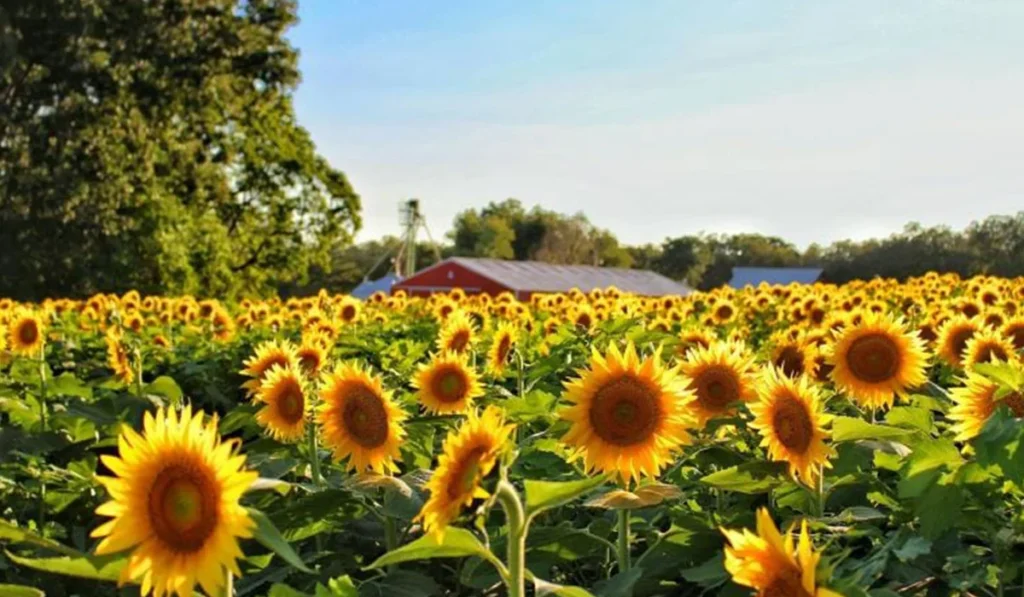
Harmeet Singh, a farmer from Mahuana Bodla, said he received sunflower seeds completely free of cost at a special camp organised under the Central Government’s Pradhan Mantri Dhan-Dhaanya Krishi Yojana.
He sowed sunflower across 20 acres. According to Harmeet Singh, the crop can produce around 10 quintals per acre. If farmers receive the right price, their gross income can exceed ₹77,000 per acre.
However, he also highlighted a major concern and demanded that the Punjab Government ensure procurement of sunflower within the state at the Minimum Support Price (MSP).
At present, because there is no government procurement arrangement for sunflower in Punjab, farmers have to take their produce to neighbouring Haryana, where an MSP of ₹7,721 per quintal is available.
Mangat Ram, a farmer from Lalowali village, has also cultivated sunflower on three acres. He believes that by moving beyond the paddy-wheat cycle, farmers can grow three crops within a year, such as paddy, potato, and sunflower. This not only helps save water but can also significantly increase farmers’ earning potential within a shorter period.
Government Neglect Had Driven the Crop Out of Punjab’s Fields
Dina Nath Sachdeva, a 70-year-old commission agent from Fazilka, recalled that until 2005, nearly 2.5 lakh bags of sunflower, each weighing 40 kilograms, used to arrive at Fazilka mandi during the season.
However, because of neglect by successive governments, uncertainty over procurement, and the absence of a reliable marketing system, sunflower gradually disappeared from Punjab’s fields.
The Fazilka administration has expressed satisfaction over the crop’s return, saying that efforts to promote crop diversification are beginning to produce meaningful results. Officials have also said that in the future, self-help groups will be encouraged to take up beekeeping alongside sunflower cultivation because sunflower flowers are an excellent source of nectar for honeybees.
According to Chief Agriculture Officer Harbans Singh Sidhu, Fazilka is the only district in Punjab selected under this Central scheme. Out of the district’s total 2.48 lakh hectares of cultivable land, a target has been set to bring 1.04 lakh hectares under crop diversification. Under this initiative, special emphasis is being placed on kinnow orchards, desi cotton, basmati, pulses, mustard, and sunflower.
Scientific Sunflower Cultivation and Modern Techniques

According to Punjab Agricultural University, farmers who want to maximise sunflower production and profitability should follow the scientific practices recommended by the university.
Sunflower is highly sensitive to waterlogging. Therefore, fields must have proper drainage. Loamy and fertile soils are considered most suitable for the crop. Saline or excessively heavy soils should be avoided. January and February are considered the best months for sowing sunflower.
If sowing cannot be completed in January, early-maturing varieties may be planted in early February. In late-sown crops, higher temperatures during flowering can result in smaller flower heads, poorly filled seeds, and increased pest and disease attacks.
Sowing on ridges has several advantages over sowing on a flat field. Ridge-sown crops emerge earlier, face less risk from cutworms, are less likely to lodge, and require less irrigation. Ridges should be prepared in an east-west direction at a spacing of 60 centimetres.
Seeds should be placed on the southern side of the ridge, 6-8 centimetres below the top and at a depth of 4-5 centimetres. A plant-to-plant distance of 30 centimetres should be maintained. Around 2 kilograms of seed should be used per acre. To protect against diseases such as stem rot, one kilogram of seed should be treated before sowing with 6 grams of Tagran-35 WS (metalaxyl).
Weed Management and Irrigation Schedule
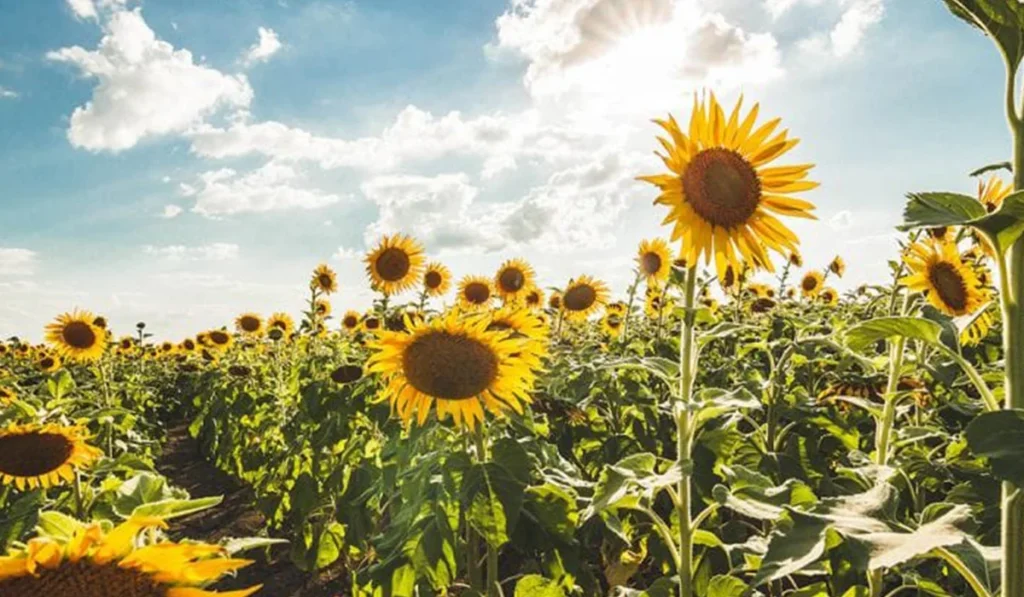
According to the university, the first hoeing for weed control should be carried out two to three weeks after germination. If necessary, a second hoeing may be carried out around three weeks later.
For crops sown on ridges, the first irrigation should be given two to four days after sowing, ensuring that the water remains below the seed level. The second irrigation should be given about one month later.
During March, irrigation should be provided at intervals of two to three weeks, while during April and May it should be given every eight to ten days. Irrigation is especially important at the stages of 50 per cent flowering, seed formation, and milk development in the seeds.
Drip irrigation can help save around 20 per cent water and fertilisers while also improving yield. The crop is ready for harvesting when the underside of the flower head turns yellow-brown, the outer disc begins to dry, and the seeds turn black.
The flower heads can then be dried thoroughly and threshed using a thresher. The return of sunflower cultivation to Fazilka represents an encouraging beginning for Punjab’s agricultural sector. The crop offers an attractive alternative because it requires less water, matures relatively quickly, and has the potential to deliver higher returns.
If the Punjab Government establishes assured procurement at MSP and creates a strong marketing system within the state, sunflower could emerge as one of Punjab’s most successful models of crop diversification.
Scientific sunflower cultivation can not only improve farmers’ financial condition but also contribute significantly to conserving Punjab’s natural resources.



Leave a Comment