


Sikh history is replete with countless sacrifices, bravery, and martyrdoms laid down for the protection of religion. Following the demise of Maharaja Ranjit Singh Ji, when the East India Company (British Rule) attempted to capture the Khalsa Kingdom through deceit and conspiracies, the Jathedars of Shiromani Panth Akali Buddha Dal and Sri Akal Takht Sahib sounded the bugle of armed struggle against the British.
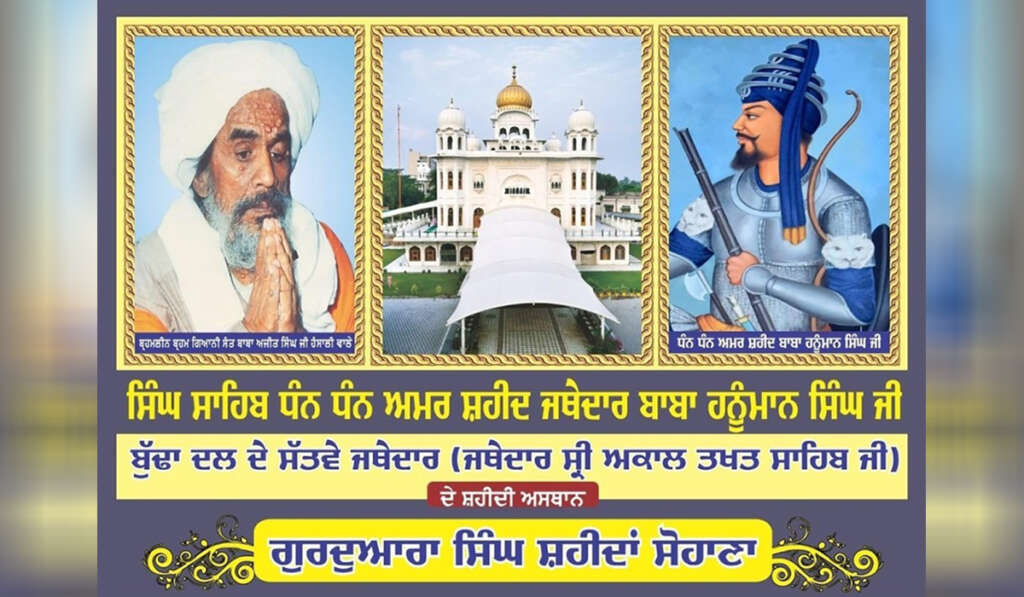
Among these great martyrs, the most prominent name is that of Jathedar Baba Hanuman Singh Ji (Amar Shaheed Baba Hanuman Singh Ji), who was the 7th Jathedar of the Shiromani Panth Akali Buddha Dal and the Jathedar of Sri Akal Takht Sahib Ji. At the advanced age of 90, he embraced martyrdom alongside thousands of Singhs while fighting against the British regime. This article describes in detail Baba Ji’s life, his martial history, the treachery of the Dogras, and the significance of his place of martyrdom in Sohana (Sahibzada Ajit Singh Nagar/Mohali).
Baba Hanuman Singh Ji was born on November 18, 1755, in the village of Narang Singh Wala, Ferozepur district, to father Sardar Garja Singh and mother Mata Harnam Kaur. Baba Ji’s family was well-versed in the Gursikh way of life and martial arts. From his childhood, Baba Ji was inclined towards the love of Gurbani, selfless service, and weapons practice. He joined the Shiromani Panth Akali Buddha Dal and dedicated himself to the service of the Khalsa forces.
The great general of Sikh history and the leader of the Akali forces, Akali Baba Phula Singh Ji, attained martyrdom in the Battle of Nowshera in 1823 CE. Following the martyrdom of Akali Baba Phula Singh Ji, recognizing Baba Hanuman Singh Ji’s lofty personality, foresight, and martial prowess, the entire Khalsa Panth and Buddha Dal appointed him as the Jathedar of Sri Akal Takht Sahib Ji and the 7th head of the Buddha Dal in the year 1823.
During the reign of Maharaja Ranjit Singh Ji, Baba Ji made a significant contribution to upholding the Maryada (code of conduct) of Sri Akal Takht Sahib, Panthic unity, and the high spirits of the Khalsa forces.
The Demise of Maharaja Ranjit Singh Ji and the Conspiracy of the Dogras
After the demise of Sher-e-Punjab Maharaja Ranjit Singh Ji, instability spread across the Lahore Darbar. The internal ministers of the Sikh kingdom and the Dogras, prominent among whom were Gulab Singh Dogra, Misr Lal Singh, and Tej Singh, formed a secret alliance with the East India Company (the British) for their personal interests. These traitors were passing secret information and war strategies of the Lahore Darbar to the British in order to destroy the Khalsa Kingdom.
When Maharani Jind Kaur learned about this treasonous conspiracy of the Dogras and the increasing interference of the British, she wrote letters to the great generals of the Sikh Panth to save the Khalsa Kingdom. Maharani Jind Kaur sent these letters to the great general of the Khalsa Panth Sardar Sham Singh Attariwala, the 7th Jathedar of the Shiromani Panth Akali Buddha Dal Baba Hanuman Singh Ji, and other prominent Sikh Sardars of Amritsar Sahib. In the letter, the Maharani pleaded for their immediate intervention to save the Khalsa Kingdom from the policies of the British.
The First Bloody Battle Against the British
Heeding Maharani Jind Kaur’s plea and to protect the Khalsa Kingdom, the 90-year-old veteran general Baba Hanuman Singh Ji declared war against the British, taking along an army of 32,000 Sikh troops (Nihang Singhs). This was the first direct and extremely bloody battle between the Sikhs and the British Empire. Under the leadership of Baba Hanuman Singh Ji, the Sikh forces launched a fierce attack on the British. Showcasing their bravery in this battle, the Sikh warriors put more than 10,000 British soldiers to death, giving a fitting reply to the British regime. The British officers were terrified by the martial prowess and guerrilla warfare tactics of the Nihang Singhs.
The Treachery of the King of Patiala and the Tragedy at ‘Nihang Singhan Di Dhab’
While battling the British, the Buddha Dal army reached ‘Nihang Singhan Di Dhab’ (a pond) near Patiala. At that time, the Maharaja of Patiala (Maharaja Karam Singh) was colluding with the British. Betraying the Sikh Panth, Maharaja Karam Singh sided with the British forces and launched a sudden artillery attack on the Singhs of the Buddha Dal. In this surprise attack and conspiracy, more than 15,000 Sikhs were martyred. The pyre (Angitha) of these 15,000 martyred Singhs is still present today beneath the sacred flame at Gurdwara Sri Dukh Nivaran Sahib in Patiala, bearing witness to the history of Sikh sacrifice and betrayal.
Despite the heavy losses suffered at Patiala, Baba Hanuman Singh Ji’s spirits remained high. Taking the remaining Sikh warriors with him, Baba Ji advanced towards Majri (Karala) while continuously fighting the British. Here, the British forces attempted to encircle the Sikhs. During the battle, a cannonball fired by the British struck Jathedar Baba Hanuman Singh Ji, severely wounding him. Despite this, Baba Ji did not lose heart and continued to confront the enemy even in his wounded state.
In his wounded condition, Baba Hanuman Singh Ji, along with his remaining Nihang Singhs, reached Sohana (Sahibzada Ajit Singh Nagar / Mohali) via Rajpura while fiercely fighting the British. The final, terrible battle against the British forces took place at Sohana. At the age of 90, despite deep wounds from cannons and bullets on his body, Baba Ji continued to wield his double-edged sword (Khanda) in both hands. Ultimately, on this sacred land, Baba Hanuman Singh Ji drank the cup of martyrdom alongside thousands of martyred Singhs and became immortal.

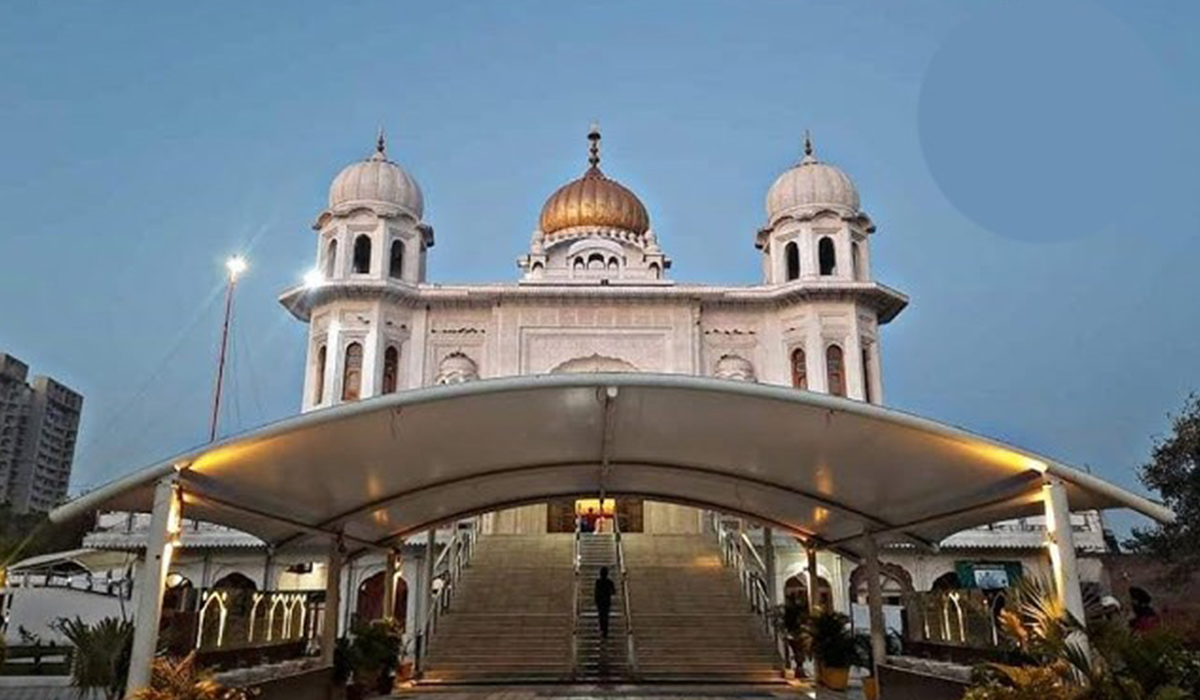
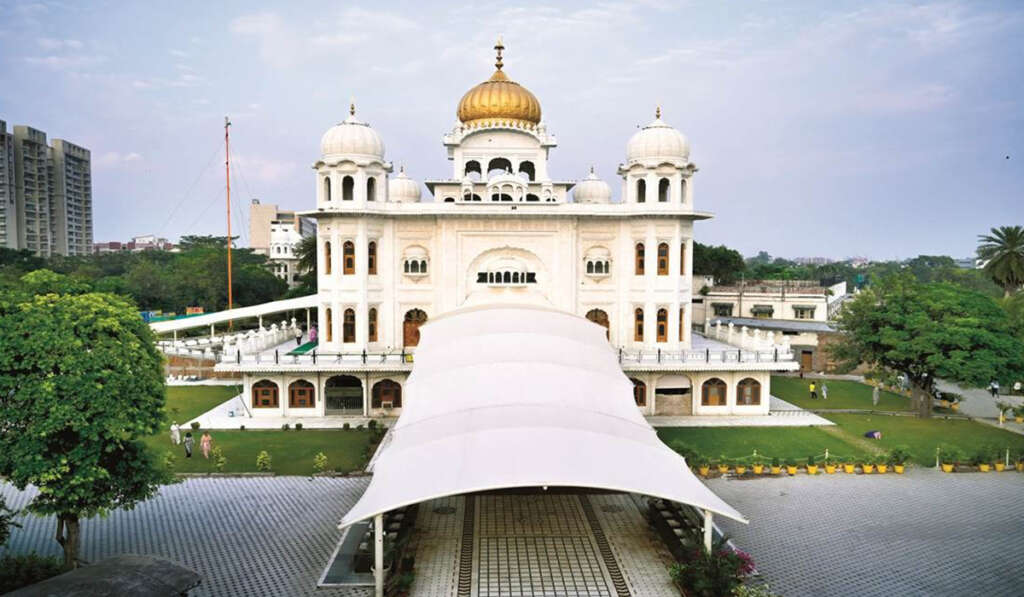
Today, Gurdwara Singh Shaheedan Sohana Sahib (Mohali) gracefully stands on the sacred site where Amar Shaheed Baba Hanuman Singh Ji attained martyrdom. This Gurdwara Sahib is a center of immense reverence and faith for Sikhs all over the world. Every year, special martyrdom congregations (Shaheedi Samagams) are held here in memory of Baba Hanuman Singh Ji and the thousands of Singhs who were martyred with him. Millions of devotees come here to bow their heads and offer their tributes to the martyrs.
The martyrdom of Baba Hanuman Singh Ji is a golden page in Sikh history, which teaches us that at the age of 90, when a person becomes physically weak, Baba Ji fought on horseback against the British Empire. Even before the revolt of 1857, the Sikhs had fought the first war of independence against the British regime under the leadership of Baba Hanuman Singh Ji. The treachery of the King of Patiala and the Dogras of Lahore teaches us how much damage the betrayal by one’s own people can cause to entire nations.
The sacrifice of Amar Shaheed Baba Hanuman Singh Ji (Jathedar of Sri Akal Takht Sahib) is an invaluable treasure of the Sikh nation. He sacrificed his very self for the glory of the Khalsa Kingdom, the honor and dignity of Sri Akal Takht Sahib, and the freedom of the Panth. The martyrdom of Baba Ji and the thousands of Singhs who laid down their lives with him will be saluted for ages to come. This memorial site built at Sohana Sahib will continue to inspire coming generations to live with pride in their heritage, sacrifice, and honor.


Leave a Comment