

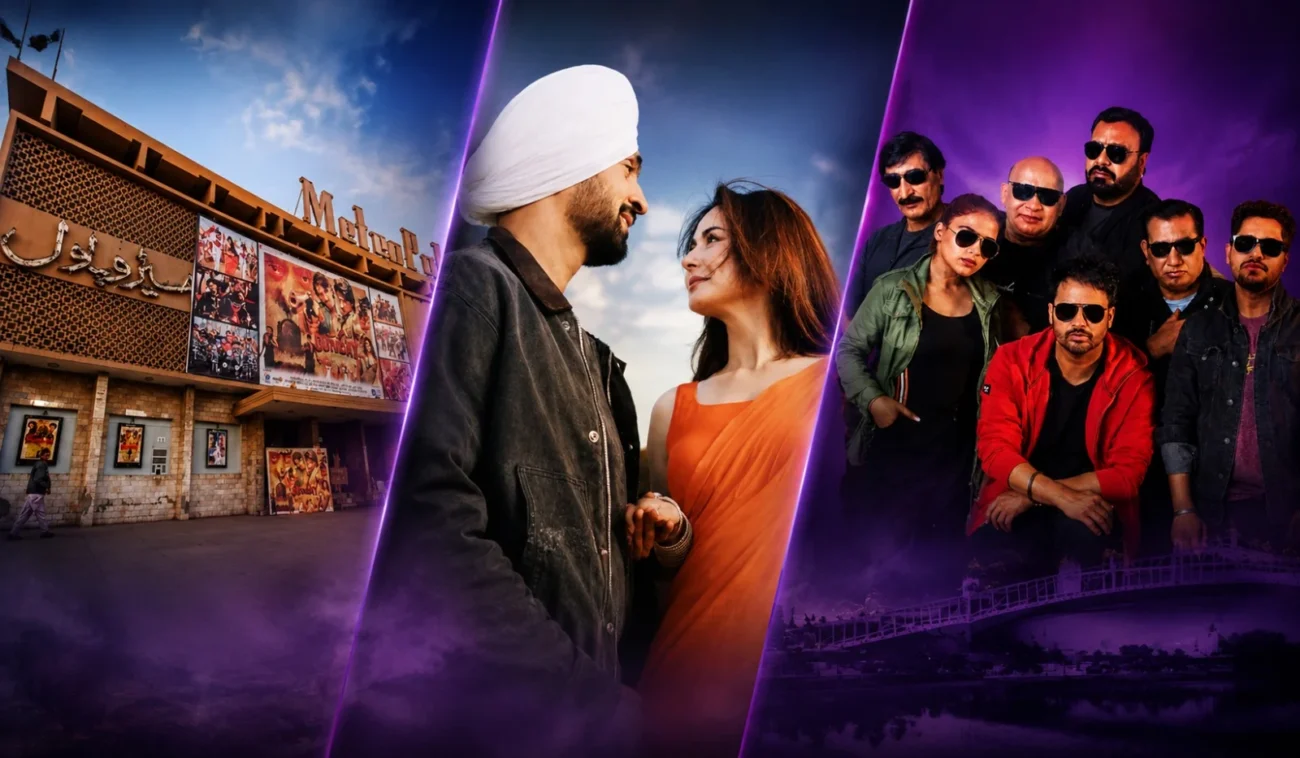

“Khoon Khanne da vi ohi, khoon Lahore da vi ohi,
Khoon Lyallpur wale Ludhiane bolde.”
These lines are from the song Punjab, sung in Pakistani Punjab, or Lehnda (West) Punjab. They present a beautiful glimpse of a shared Punjab and Punjabi identity. Even 78 years after Partition, the hearts of Punjabis on both sides still beat for one another. Punjabis on both sides paid a heavy price for Partition. The rulers tried to divide not only the land but also people’s hearts, and these attempts continue even today. Punjab does not carry the same hostility towards Pakistan that the hate-driven section of the media is spreading across large parts of the country.
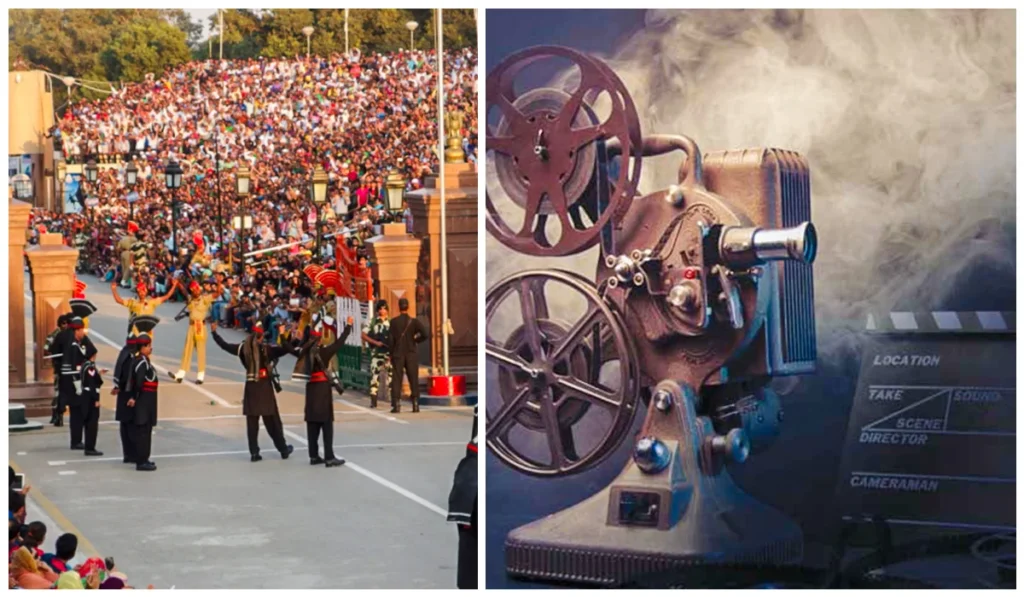
The historical, social, and cultural bonds between Punjabis on both sides are very deep. Their customs, folk tales, and beliefs are similar. Punjabi writers from Indian Punjab are taught in the syllabuses of universities in Pakistani Punjab, while Punjabi writers from Pakistani Punjab are included in the syllabuses of universities in Indian Punjab. For nearly three decades, Punjabi newspapers in Indian Punjab have used the terms Lehnda Punjab, or Western Punjab, for Pakistani Punjab and Charhda Punjab, or Eastern Punjab, for Indian Punjab. These terms were introduced by some Punjab-loving individuals and Punjabi writers from both sides. The writings of authors from Lehnda Punjab are regularly published in newspapers of Charhda Punjab. Punjabi readers like and demand such writings.
Similarly, Punjabi films and music from both sides have played a major role in connecting Punjabis with one another. Indian and Pakistani films and music, and even television advertisements, share a relationship that often works quietly and indirectly. However, here we will limit the discussion to Punjabi films and music from both countries.
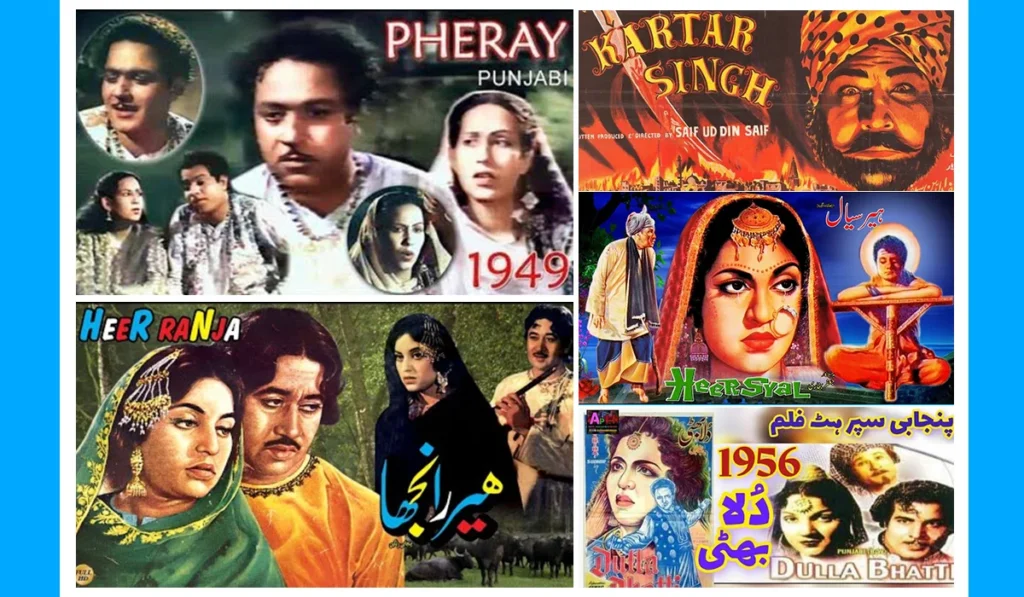
Pakistani films continued to be screened in Indian Punjab until 1970. From Pheray, the first Punjabi film made in Pakistan after its creation, to the 1970 film Heer Ranjha, elderly people still remember their stories and songs. When conversations begin with older people, they often start discussing Punjabi films from Lehnda Punjab, including Pheray, Kartar Singh, Yakke Wali, Heer Sial, Dulla Bhatti, and Heer Ranjha.
The song from the film Dulla Bhatti remains evergreen in Charhda Punjab:
“Vaasta ve Rabb da, tu jaaveen ve kabootra,
Chitthi mere dholay nu pahunchaaveen ve kabootra.”
The song sung by Noor Jehan in the 1951 Pakistani Punjabi film Chanway is also immortal in Indian Punjab:
“Tere mukhre da kaala kaala til ve,
Mera kadd ke lai gaya dil ve,
Mundeya Sialkotia.”
The 1970 Pakistani Punjabi film Heer Ranjha was written by the famous Punjabi poet Ahmed Rahi, who wrote both its story and songs. Ejaz Durrani played Ranjha, while Firdous played Heer. All the songs sung by Noor Jehan in the film have acquired the status of folk songs in Indian Punjab as well.
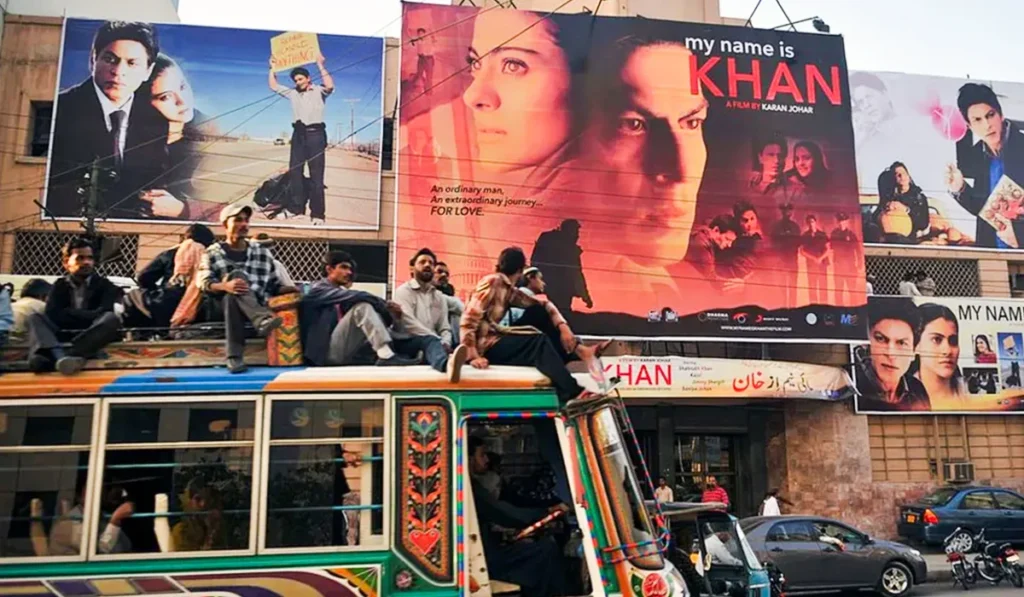
Some of the film’s famous songs include:
“Ve vanjhli waladeya
Tu taan moh layi oh mutiyaar,
Jinne kade na manni si haar,
Main kar baithi tainu pyaar.”
“Sun vanjhli di mithdi taan ve.”
After 1970, the screening of Pakistani films in cinemas in Indian Punjab was banned. Today, in the age of the internet, when the younger generation of Indian Punjab watches old Pakistani Punjabi films, they often comment:
“Hai Rabba! Assi hun takk kinnian vadhiya filmaan dekhan ton vanjhe reh gaye si.”
Pakistani authorities have imposed restrictions on Indian films only in recent years, after relations between the two countries deteriorated significantly. However, Punjabi films featuring Indian artists that are shot overseas are still watched in Pakistan in record numbers.
Pakistani Punjabi poet Afzal Sahir says, “For the past several years, Pakistan’s film industry has been going through a crisis. Good films are not being made, even though we have large and magnificent cinema halls. Indian films are widely watched here, and because of them the cinema business continues to do well. Earlier, only Hindi films from India were popular, but ever since high-quality Punjabi films started being made in India, they too have become extremely popular. Therefore, I believe the Pakistani government cannot completely stop Indian films. Punjabi films shot abroad are screened here under the category of ‘non-Indian’ Punjabi films. They earn very well. Our younger generation is reconnecting with their mother tongue, Punjabi, after watching these films.”
It is true that people in Lehnda Punjab initially preferred Indian Hindi films over Indian Punjabi films. One reason for this was that, compared to Pakistani Punjab, relatively fewer quality Punjabi films were made in Indian Punjab. Until 2002, the number of Indian Punjabi films was also limited. The 2002 film Jee Aayan Nu, made with a budget of ₹5 crore, which was the biggest budget for an Indian Punjabi film at the time, achieved record-breaking success. After its release, Indian Punjabi films also began attracting much larger audiences in Pakistan. Even so, older Indian Punjabi films, particularly Chaman (the first Punjabi film made in Indian Punjab after Independence) and Do Lachhian, remain well known in Lehnda Punjab, especially for their songs.
Indian Punjabi cinema has often drawn inspiration from Pakistani Punjabi cinema. When films based on Jatt characters became popular in Pakistan, Indian Punjabi filmmakers also began producing films centred on Jatts. When romantic, classical love stories and action films gained popularity in Pakistan, Indian Punjabi cinema followed the same trend.
The Pakistani Punjabi film Kartar Singh, based on Partition, was released on Eid, 18 June 1959. Its storyline was closely adapted in India for the Punjabi film Chaudhary Karnail Singh, released in 1964. Towards the end of the 1970s, the Pakistani blockbuster Maula Jatt, starring Sultan Rahi and Mustafa Qureshi, became a phenomenal success and is widely believed to have matched the commercial success of the Hindi film Sholay. Inspired by this film, Indian Punjab released Putt Jattan De in 1983.
Two Indian Punjabi actors, Gugu Gill and Yograj (the former cricketer), were introduced on screen in roles modelled after Pakistani stars Sultan Rahi and Mustafa Qureshi. They were even instructed to imitate the performances of these Pakistani actors, a fact Yograj himself later revealed in an interview.
The 1998 Pakistani Punjabi film Choorian also inspired the Indian Punjabi film Majajan, released in 2007. Interestingly, even its title was borrowed from the Pakistani Punjabi film Majajan, which had been released only a few months earlier. The 1970 Pakistani Punjabi classic Heer Ranjha inspired three to four Hindi and Punjabi films in India.
Other Indian Punjabi films that were inspired by or adapted from Pakistani Punjabi films include Dhee Rani, Sukhi Parivaar, Daaj, Naukar Vahuti Da, and Badla Jatti Da.
Similarly, Pakistani Punjabi cinema has also adapted a few Indian Punjabi films. The 1986 Indian Punjabi film Long Da Lishkara, starring Raj Babbar and Gurdas Maan, was adapted in Pakistan under the same title in 2000. The Pakistani version featured well-known actors Shaan, Shafqat Cheema, Reema, and Nargis.
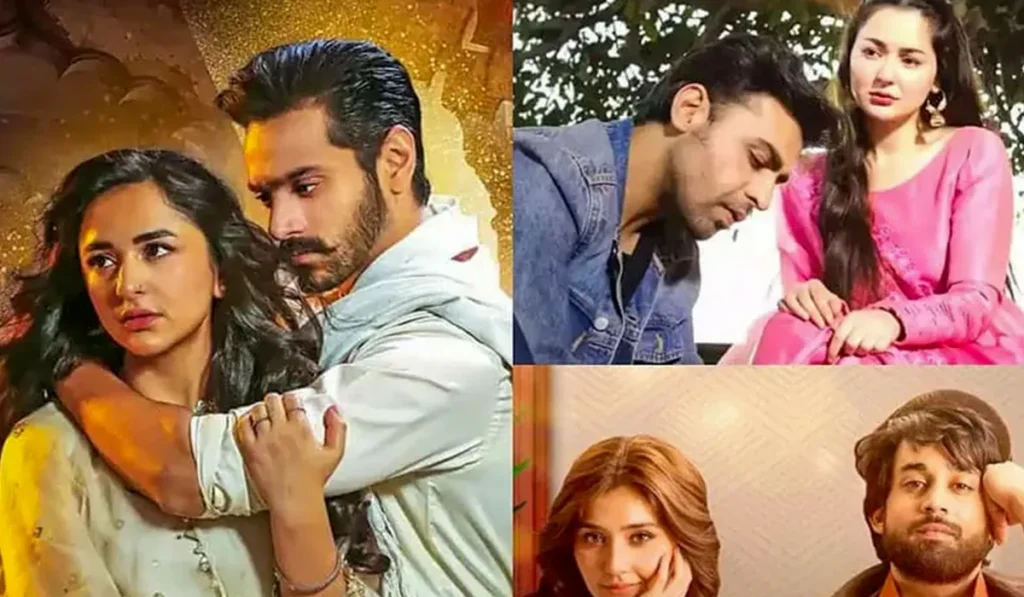
Partition has also been portrayed in Pakistani and Indian Punjabi films, and the theme continues to appear in Indian Punjabi cinema even today. Pakistani Punjabi cinema includes some good films that portray Partition and the beautiful relations between Sikhs and Muslims before Partition. However, Pakistani filmmakers have not given much space in their films to the subject of Partition, especially to the bloodshed that took place there. One reason for this is that Pakistani cinema has not had as secular a foundation as Indian cinema. The 1959 film Kartar Singh, directed by Saifuddin Saif, can be regarded as one of the finest films made on Partition. The film presents a symbolic village in pre-Partition Punjab where Hindus, Sikhs and Muslims live together. Hindu and Sikh characters, especially Hindu characters, are presented in a highly positive manner, something rarely seen in Pakistani films.
The song written by Amrita Pritam, “Ajj Aakhaan Waris Shah Nu,” was sung with great emotion in the film by Inayat Hussain Bhatti. The 2010 film Channa Sachi Muchi, made by Ijaz Bajwa, is among the best recent Pakistani films based on Partition. It gave new life to Pakistan’s weakened film industry, popularly known as Lollywood. It is a love story set in 1947. The film was also released in Indian Punjab and Australia. It featured major Pakistani actors such as Moammar Rana, Saima Noor, Babar Ali, Hina, Naghma, Shafqat Cheema and comedian Irfan Khoosat. Indian Punjabi films continue to explore Partition, with recent examples including Lahoriye, Sardar Mohammad and Chal Mera Putt. The 2015 Punjabi film Angrej is not based on Partition, but its story is set in 1945. It presents the culture of undivided Punjab and offers a beautiful portrayal of Sikh-Muslim friendship. The 1999 Partition film Shaheed-e-Mohabbat Boota Singh, which director Manoj Punj describes as being based on a true love story, starred Gurdas Maan and Divya Dutta. Some Pakistani actors have also worked in Indian films. Pakistani actress Veena Malik appeared in the Indian Punjabi film Pind Di Kudi.
One distinctive feature of Pakistani Punjabi films is that they often include Sikh characters, even when the story is set after 1947. Puttar Jagge Da is one such example. Sikh characters in Pakistani films are generally presented in a humorous manner, but films such as Malangi and Chann Varyam portray Muslim-Sikh friendship beautifully. Sikh characters have also been shown positively in several television serials. The serial Muthi Bhar Chawal is one such example. Sikh characters can also be seen in the currently discussed Pakistani serial Ghughi.
Many Punjabi singers are heard and admired equally in both Punjabs, including Malika-e-Tarannum Noor Jehan, Nusrat Fateh Ali Khan, Shaukat Ali, Mehdi Hassan, Ghulam Ali, Inayat Hussain Bhatti, Surinder Kaur, Parkash Kaur, Mahendra Kapoor, Mohammed Rafi, Gurdas Maan, Hans Raj Hans, Harbhajan Mann and Naseebo Lal. In recent years, many songs by young Punjabi singers from both sides have also celebrated the shared bonds and affection between the two Punjabs.
Despite the many bitter tensions between India and Pakistan, the hearts of Punjabis on both sides continue to beat with love. Their shared language and culture draw them towards one another. This is why, even after 79 years, the younger generation has not lost the desire to understand and know the land across the border. Punjabis paid a heavy price for the Partition of 1947. Today, it must be acknowledged that Punjabis on both sides can play an important role in improving relations between India and Pakistan.
Pakistani Punjabi poet Iqbal Qaiser says, “We cannot ignore the role of the music and films of both Punjabs. Art, music and cinema make an important contribution to bringing people together. Punjab is, in essence, Punjab. You can divide the land with borders, but not Punjabi identity.”

Leave a Comment