

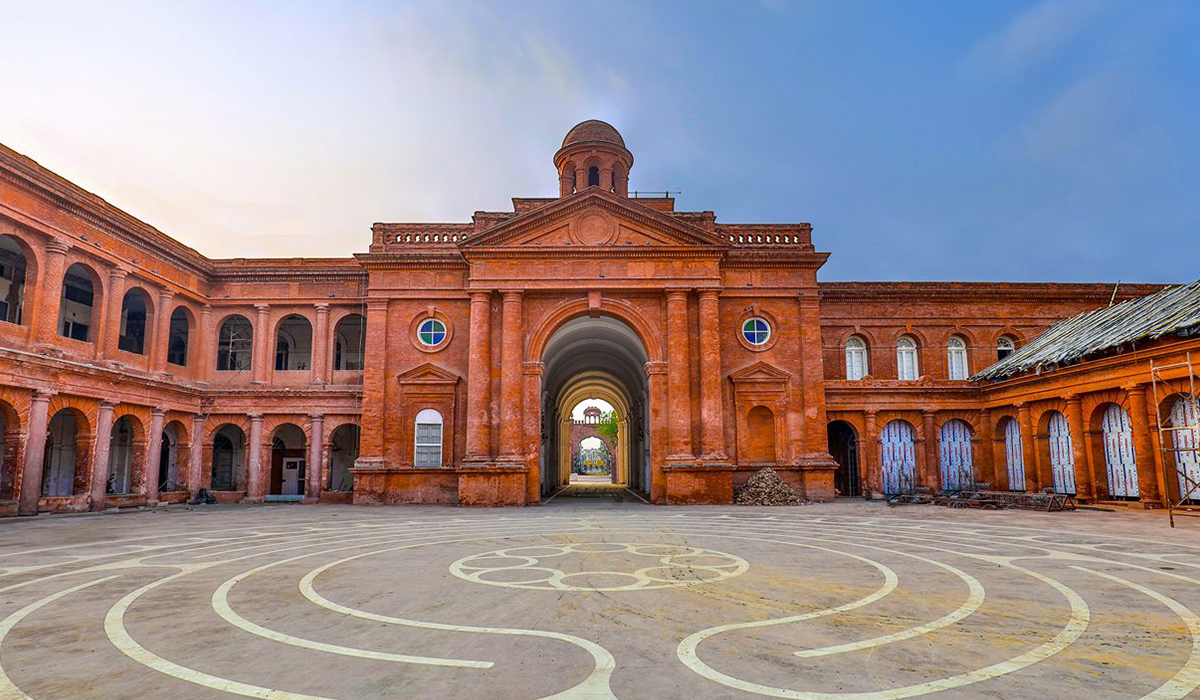

The 1947 Partition of Punjab is one of the biggest and most tragic periods in human history. To preserve the memories of this tragedy, the uprooting of millions of people, and their struggles, the ‘Partition Museum’ has been established at the historic Town Hall in Amritsar. Prepared by ‘The Arts and Cultural Heritage Trust’ (TAACHT) in collaboration with the ‘Punjab Heritage and Tourism Promotion Board’ (PHTPB) of the Punjab Government, this museum is the world’s first such museum entirely dedicated to the victims and survivors of the 1947 partition.
Historic building and architecture
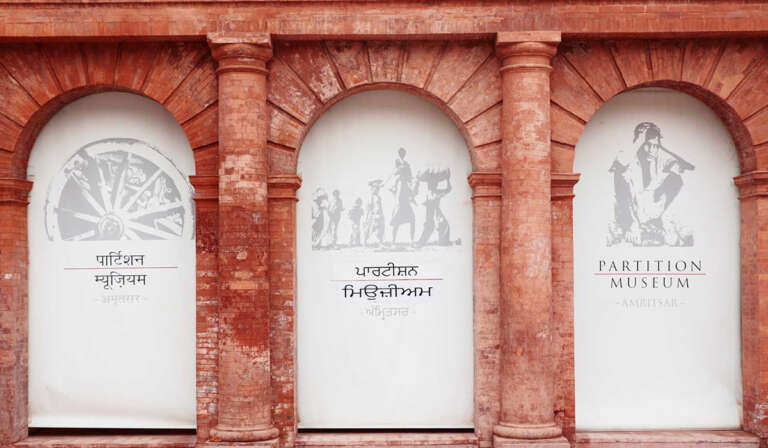
This museum has been built in a 19th-century red-stone English building (Town Hall) located at the beginning of Amritsar’s famous ‘Heritage Street’. The 14 galleries of the museum have been designed in a very systematic way, taking visitors from the era of the freedom struggle, the demarcation of partition boundaries (Boundary Commission), the tragedy of the massive migration from both sides, up to the resettlement and struggle-filled journey of the survivors thereafter.
Invaluable items kept in the galleries
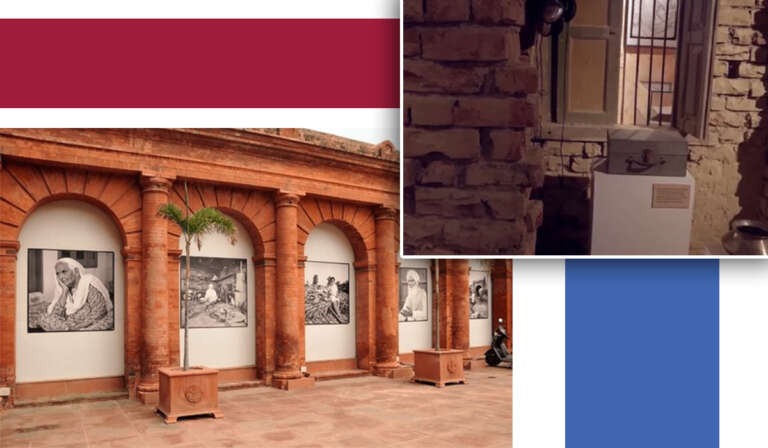
The biggest specialty of the Partition Museum is the original artifacts kept here, which have been donated by those refugees who had to leave their homes during the partition. Notably, old trunks, pocket watches, household utensils, photographs, garments, letters, and other personal items are present here. In fact, these are not just lifeless objects, but living witnesses to the emotions and lived experiences of millions of uprooted families.
Audio-video and oral history
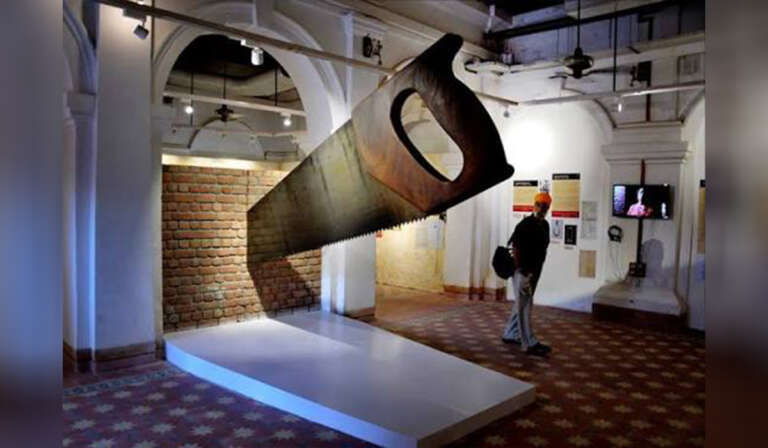
Not just photographs, but oral histories have also been given great prominence in the museum. Special audio and video stations have been created for visitors, where recorded interviews of elders who endured the agony of the partition can be heard. Not only this, newspaper cuttings from that era, government documents, and rare maps related to freedom and partition are also exhibited here.
‘Tree of Hope’
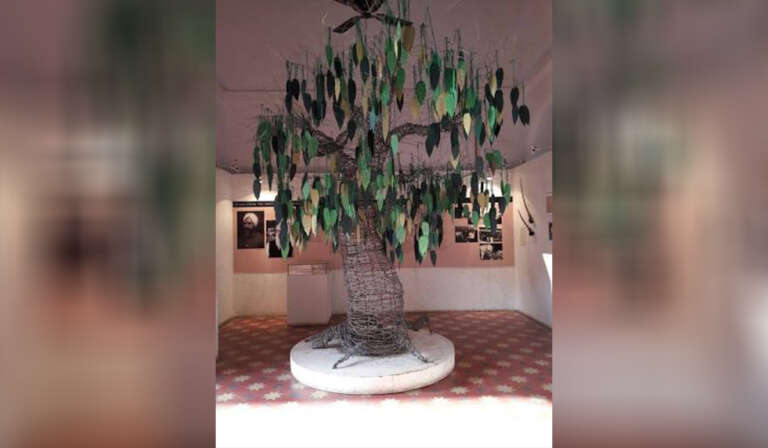
The final section of the museum dispels the sadness from visitors’ minds and kindles a new hope. A special ‘Tree of Hope’ made of barbed wire has been installed here. Tourists visiting the museum write messages of peace, harmony, and brotherhood on green paper leaves and hang them on this tree. Furthermore, this section teaches us that the power of love, peace, and reconstruction is always greater than the thorns of hatred.
Educational and cultural significance
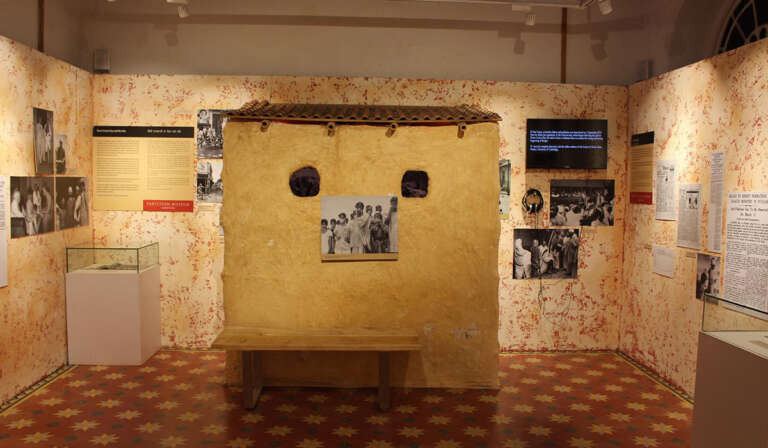
The Partition Museum is not just a tourism center, but it is also an important educational center for the new generation. This is why it makes us realize the sacrifice, struggle, and resilience of our ancestors. Therefore, for pilgrims and tourists visiting Amritsar, along with Sri Harmandir Sahib and Jallianwala Bagh, visiting the Partition Museum is also very essential to understanding the glorious history of Punjab.
Leave a Comment