


Preparations underway to give a new direction to crop varieties, farmers’ income, and the rural economy from Arniwala
Punjab has long been called the food provider (annadata) of the country. After the Green Revolution, wheat and paddy took center stage in the state’s agriculture, and Punjab played a crucial role in filling the country’s grain reserves. But over time, the continuous crop cycle of wheat and paddy has raised serious questions about groundwater levels, soil health, and the long-term sustainability of agriculture. In such an era, shifting towards horticulture and the cultivation of fruits and vegetables is considered important for crop diversification.
In this direction, an initiative has been taken to establish a Jamun (Black Plum) market at a cost of about Rs 12 crore at Arniwala in the Fazilka district of Punjab. This project is being presented as Asia’s first specialized Jamun market. Punjab’s Agriculture and Farmers Welfare Minister, Gurmeet Singh Khudian, laid the foundation stone of the ‘Fruit Market-Sri Sant Baba Tara Singh Khushdil Grain, Fruit and Vegetable Jamun Mandi’.

This initiative is not limited to just the construction of a new market. It is being viewed in connection with promoting horticulture in Arniwala and the surrounding areas, providing farmers with better marketing for their produce, and boosting local economic activities.
Why is the new market in Arniwala important?
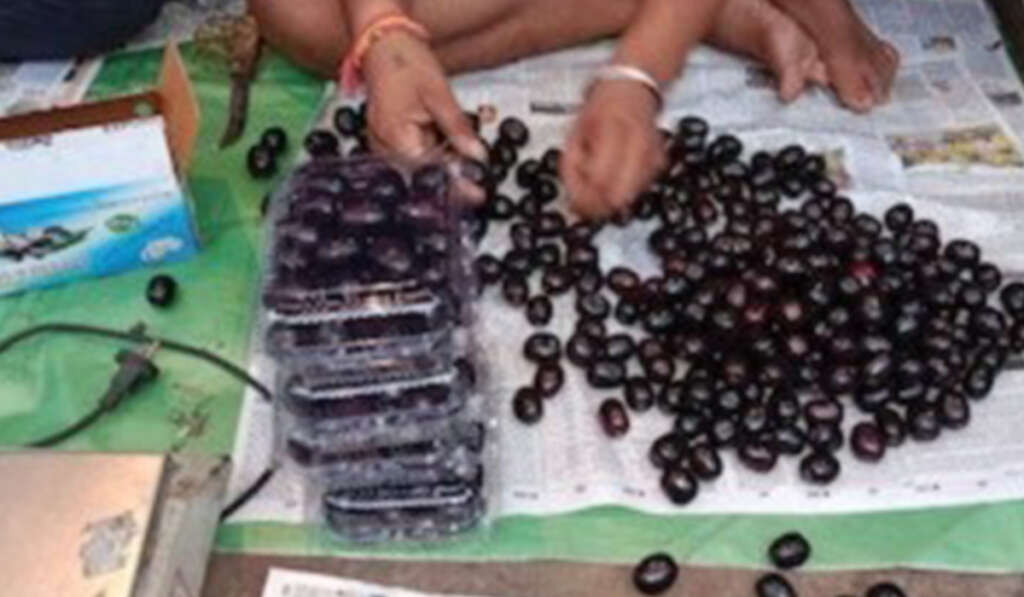
The Arniwala area of Fazilka district is known for the production of Jamun and other fruits and vegetables. For the farmers here, producing the crop is one aspect, while reaching a suitable market to secure a reasonable price is the second major challenge. If post-production marketing facilities are not robust, the farmer’s income can be negatively impacted in comparison to their hard work and expenses.
An important aspect of the new market to be built in Arniwala is that it is planned to be developed keeping local agricultural needs in mind. Along with grains, provisions for suitable facilities for fruits and vegetables in the market have been discussed. In this way, this market can act as a multi-purpose marketing center for local farmers. This project of about Rs 12 crore is a massive investment in Arniwala’s agricultural infrastructure. With its completion, there is a strong possibility of increased agriculture-related economic activities in the region.
Jamun is a fruit that is not easy to preserve for a long time after being plucked. Therefore, swift access to a suitable market is very important for it. If a farmer has to travel to a distant market to sell their produce, transportation costs increase and it also consumes more time.
Especially for small and medium farmers, taking smaller quantities of produce to a distant market can sometimes be economically difficult. Due to delays on the way or conditions like extreme heat, there is also a risk of the delicate fruit’s quality being compromised. With the construction of the market in Arniwala, local farmers can get the opportunity to sell their produce nearby. Along with saving transportation costs and time, this can also help in maintaining the freshness of the product.
Furthermore, if traders from outside areas and states start coming to this market, commercial activities can also receive a boost due to the increase in the number of buyers. Competitive marketing can create the potential for farmers to secure better prices.
One of the biggest challenges facing Punjab’s agriculture is the growing dependence on the traditional wheat-paddy crop cycle. Given the continuously depleting groundwater levels, the need to further diversify agriculture is constantly being felt. Fruit orchards and horticulture can be a pathway to this diversification. Promoting the cultivation of Jamun and developing its marketing system can inspire farmers to think about alternatives beyond traditional crops.
However, before shifting to any new crop or horticulture, it is necessary for a farmer to evaluate several aspects such as market demand, water availability, weather, cost, production, storage, and pricing. Therefore, not just the establishment of the market, but also strong arrangements for technical advice regarding horticulture and marketing will be crucial for the success of this initiative.
Jamun: A fruit with taste and many possibilities

Jamun is not a new fruit for the people of Punjab. Jamun trees have long been seen in village streets, on the edges of fields, and around houses. Despite this, there is still considered to be significant potential in the commercial cultivation of Jamun and its associated value-added industries. Jamun is generally known as a fruit rich in nutritional elements and antioxidant properties. For this reason, its demand remains steady in the food and health-related markets. However, instead of presenting Jamun as a cure for any specific disease, it is necessary to understand its nutritional properties in a scientific context.
Another major potential for Jamun lies in its processing. Apart from the fresh fruit, juice, syrup, jam, vinegar, powder, and other food products can be prepared from it. If Jamun-related processing units are established in the Arniwala area, farmers can get an opportunity to connect with the value-added market along with selling their raw produce.
Employment opportunities connected with the market

The impact of any large market is not limited solely to the farmer and the trader. Employment opportunities related to transport, packing, loading-unloading, labor, commission agencies (Aarht), sorting, packing materials, and other services can emerge around the market. With the development of the Jamun and other fruits-vegetables market in Arniwala, there is a possibility of creating new opportunities in the business and service sectors for local youth as well.
If infrastructure like cold chains, storage, packing, and food processing is also developed alongside this, its impact can be far more comprehensive. Thus, developing the market as a complete agri-business hub instead of just a place to sell crops can be vital for the region’s rural economy.
While laying the foundation stone of Asia’s first Jamun market, Agriculture and Farmers Welfare Minister Gurmeet Singh Khudian mentioned the Punjab government’s initiatives regarding agriculture and rural development. According to him, the government’s objective is to make agriculture more profitable while strengthening the infrastructure in rural areas. The importance of roads and irrigation systems alongside marketing is no less significant. If the farmer’s produce does not reach the market from the field on time and at a low cost, the full benefit of the market facility cannot be realized. Therefore, the repair, renovation, and improvement of rural link roads are also an essential part of this entire system.
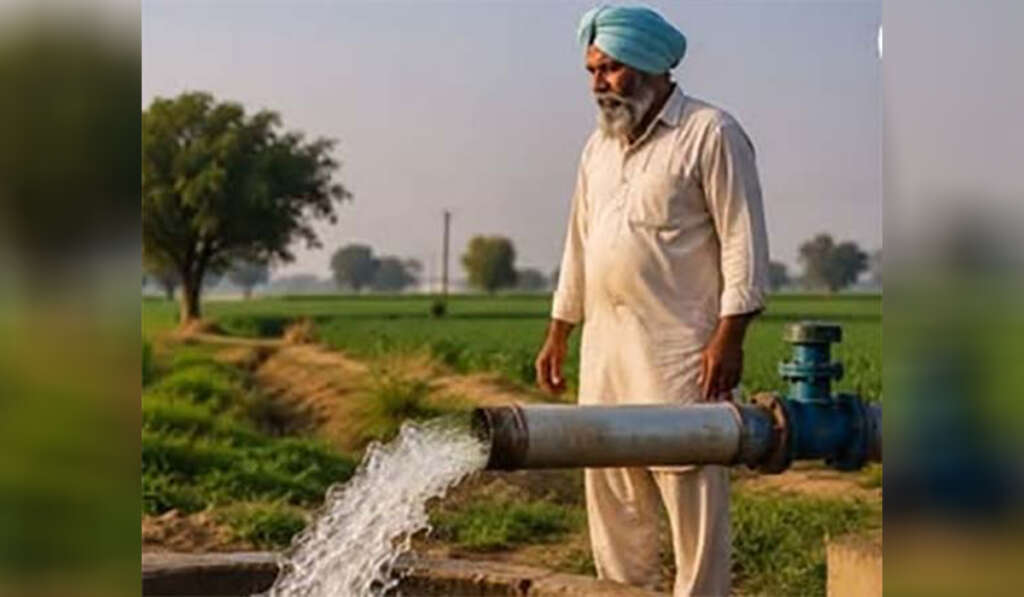
This project in Arniwala also ties into the larger context of rural development. When agriculture-related trade grows in an area, it can also boost transportation, retail, services, and other small businesses. Bringing the youth of rural areas toward new business opportunities related to agriculture is equally important. Opportunities can be created for the new generation in fields like fruit packing, online sales, supply chains, processing, and agricultural services.
Along with this, the minister also highlighted the efforts being made at the government level to connect youth with sports and keep them away from drugs. The development of sports facilities and other activities in villages can strengthen the foundation of a robust and active rural society. The establishment of the Jamun market is an important fundamental step, but its true success will depend on how effectively the market is operated.
For a highly perishable crop like Jamun, facilities such as fast marketing, accurate weighing, transparent bidding, packing, sorting, and need-based cold chains will remain crucial. Additionally, providing farmers with information about product quality, grading, packing, and market demand will also be essential. If a strong supply chain is built to transport the local product to major markets outside Punjab, the impact of this project can extend far beyond Arniwala.

The establishment of the Jamun market at a cost of about Rs 12 crore in Arniwala has emerged as an important initiative toward diversification and modern marketing in Punjab’s agriculture. With this project being presented as Asia’s first specialized Jamun market, there are possibilities for local farmers to secure a nearby market for their produce, reduce transportation costs, and establish new business contacts.
Even more significantly, this initiative connects the discussion of taking Punjab’s agriculture out of the traditional wheat-paddy cycle with a practical framework. If a robust arrangement is made for Jamun cultivation along with its processing, packing, storage, and access to large markets, Arniwala can develop into a major fruit-trading hub.
The future of Punjab’s agriculture lies not just in higher production, but in different varieties of crops, better marketing, value addition, and ensuring the farmer gets a suitable market price for their produce. In this regard, Arniwala’s Jamun market is one such initiative, the true significance of which will be determined by its effective operation after construction and the actual benefits reaped by the farmers.



Leave a Comment