
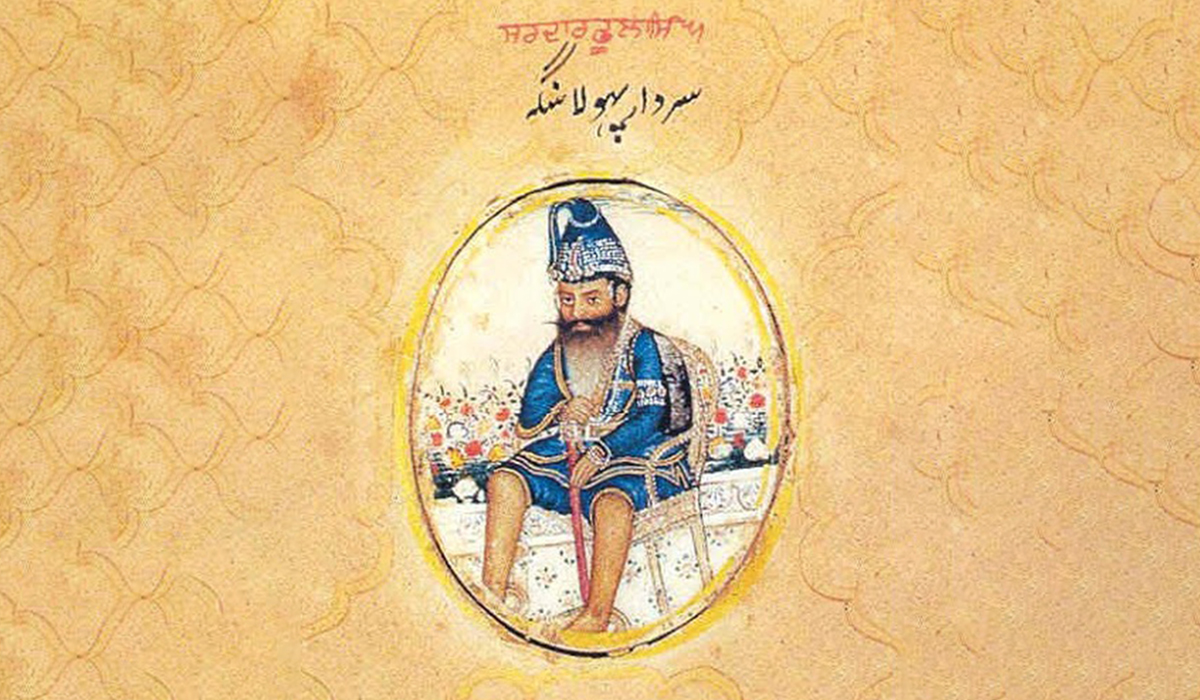

Jathedar Akali Phula Singh, who pronounced the sentence of flogging to Maharaja Ranjit Singh; read the history of the great general of the Panth
Sikh history is filled with countless tales of braves, martyrs, saints, and warriors. Among these great personalities, the name of Jathedar Akali Phula Singh is taken with special respect. He was such a fearless Sikh general whose life displays a wonderful combination of Gursikhi, Khalsa Maryada, fearlessness, adherence to principles, and battlefield heroism.
Akali Phula Singh emerged in that era of the nineteenth century when the Sikh empire was expanding under the leadership of Maharaja Ranjit Singh. On one hand, he remained the Jathedar of the Budha Dal, the prominent organization of the Nihang Singhs, and on the other hand, he was associated with the service of Sri Akal Takht Sahib. The most important aspect of his personality was that he considered the Panthic Maryada above all, without being influenced by any political power.
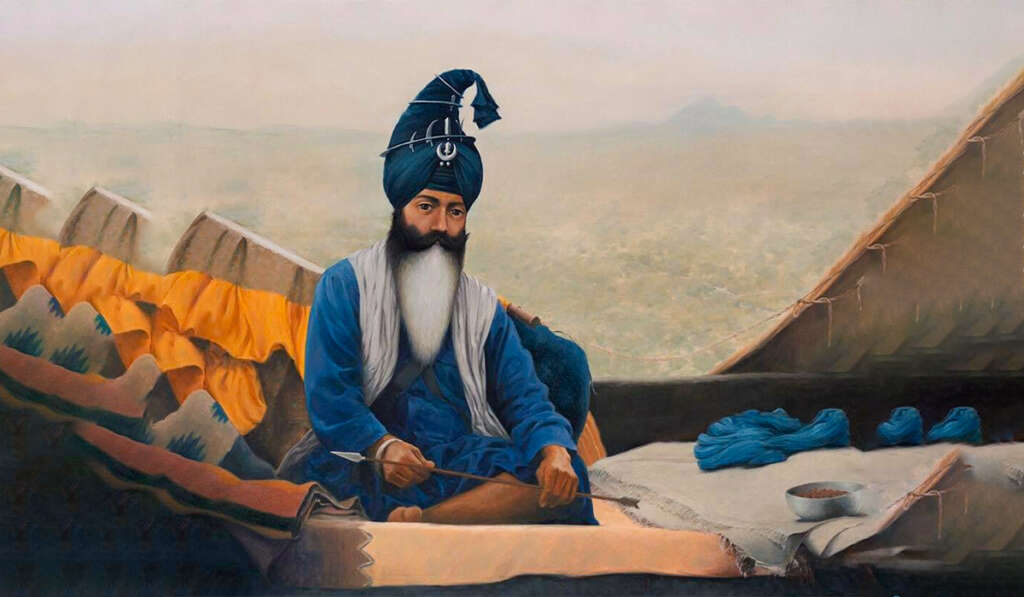
This courage of Akali Phula Singh, who asked even a powerful ruler like Maharaja Ranjit Singh to appear before Sri Akal Takht Sahib in a religious matter, is remembered in Sikh history as an example of steadfast adherence to principles. His martyrdom in the Battle of Nowshera in 1823 etched the life of this great general in the immortal pages of Sikh history.
Akali Phula Singh was born in 1761 in the village of Dehla Seehan in the Lehragaga area of Sangrur district. His father, Bhai Ishar Singh, was a brave Sikh associated with the Shaheedan Misl. Akali Phula Singh’s childhood was spent at a time when the Sikhs were constantly facing challenges from the Mughal and Afghan regimes. After the death of his father, the responsibility of his upbringing and education is linked to Baba Naina Singh Ji, a prominent leader of the Nihang tradition.
From childhood, he received education in Gurmukhi, Gurbani, the Gursikh way of life, and martial arts (Shastar-Vidya). Horse riding, spear fighting, swordsmanship, and combat practice became an integral part of his life. The camps of the Nihang Singhs were not merely religious centers at that time but were also important centers of Gursikh discipline and martial arts. It was here that the combination of spiritual resolve and combat proficiency developed in Phula Singh’s personality.
When Akali Phula Singh clashed with the British…

Akali Phula Singh played an active role in the Malwa region during the early phase of his life. After the Treaty of Amritsar in 1809, British influence began to increase in the areas across the Sutlej. Princely states like Patiala, Nabha, and Jind were also protecting their interests through various political agreements with the British.
British officials were surveying and mapping the areas around the Sutlej. Akali Phula Singh found these activities suspicious and opposed British interference. According to historical traditions, on one occasion, he, along with his Nihang Singhs, stopped a contingent of British officials and forced them to return from the area.
This incident further clarified his fearlessness and hostile attitude towards foreign power. His influence among the people and Sikh warriors of the Malwa region continued to grow. Around 1800, Akali Phula Singh reached Amritsar along with his Nihang Jatha. At that time, Amritsar was the prominent religious and political center of the Sikh Panth. Akali Phula Singh played a significant role in maintaining the code of conduct (Maryada) and security of Sri Harmandir Sahib and Sri Akal Takht Sahib.
Under his leadership, the Jatha of Nihang Singhs remained active in Panthic matters along with protecting religious shrines. The greatest virtue of his personality was that he considered religious Maryada above political power.
Effort to stop bloodshed in Amritsar and the appearance of Maharaja Ranjit Singh before Sri Akal Takht Sahib
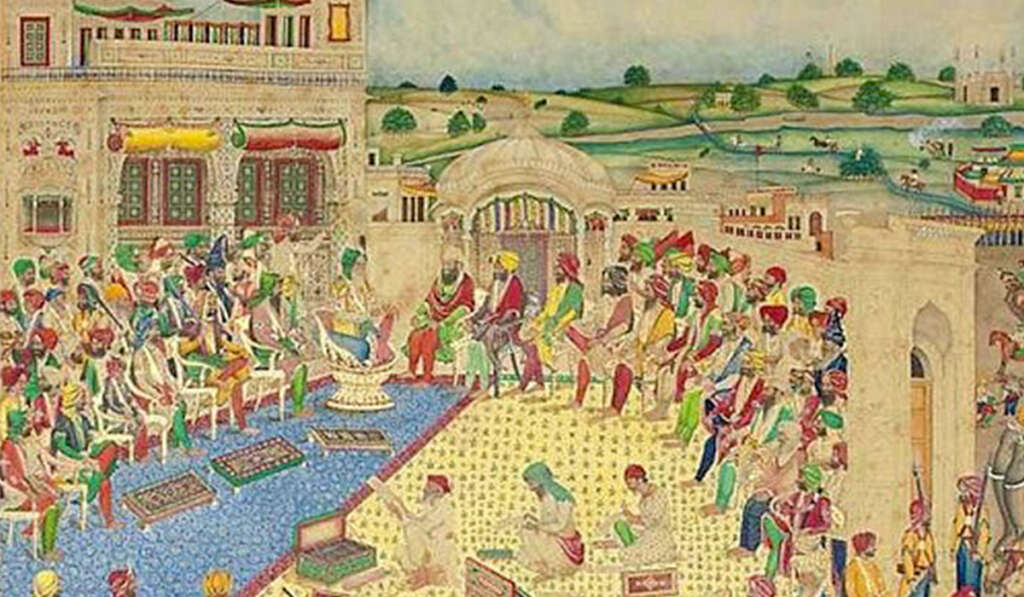
In 1802, Maharaja Ranjit Singh attempted to annex Amritsar into his empire. At that time, the city was under the control of influential leaders of the Bhangi Misl. There was a fear of heavy bloodshed due to the clash between the two sides. Keeping Panthic unity in mind, Akali Phula Singh mediated. He believed that the blood of Sikhs should not be shed at the hands of Sikhs.
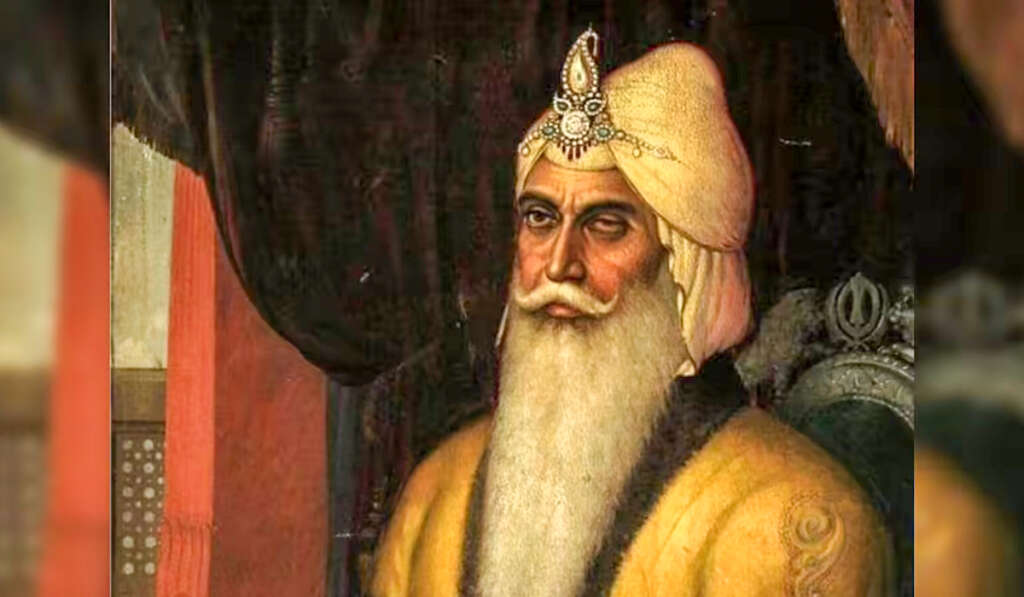
His role helped prevent large-scale bloodshed in the conflict, and Amritsar became a part of Maharaja Ranjit Singh’s empire. This episode reflected Akali Phula Singh’s Panthic thinking and foresight. The most famous incident associated with the life of Akali Phula Singh is the appearance of Maharaja Ranjit Singh before Sri Akal Takht Sahib. According to history, a matter related to the Maharaja’s personal life was considered a violation of Sikh religious conduct. Akali Phula Singh ordered the Maharaja to appear before Sri Akal Takht Sahib.
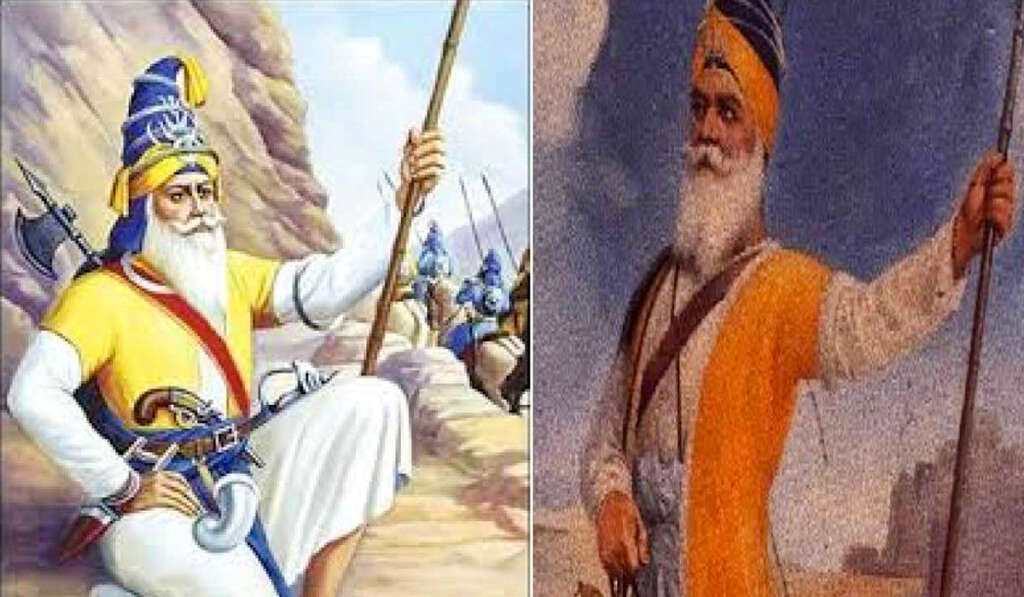
Instead of citing his political power, Maharaja Ranjit Singh accepted the supremacy of Sri Akal Takht Sahib and appeared before it. Akali Phula Singh announced a severe punishment for him. Popular historical accounts mention the sentence of flogging. However, when the Maharaja humbly accepted his mistake and readied himself to suffer the punishment, the congregation (Sangat) and Akali Phula Singh decided to forgive the physical punishment and instead imposed a religious penalty. This incident is considered a symbol of the idea in Sikh history that Panthic Maryada and a sense of accountability must be above political power. Akali Phula Singh was not just a religious leader. He was also a renowned military general. Under his leadership, Nihang Singhs participated in many campaigns of Maharaja Ranjit Singh.
The Kasur Campaign/Battle of Multan and the Conquest of Kashmir
Akali Phula Singh and his Nihang Jatha played a crucial role in the Sikh military campaigns against the Pathan rulers of Kasur. The fort of Kasur was strong, and to conquer it, the Sikh army had to face heavy resistance. The bravery of the Akali Singhs boosted the morale of the Sikh army.
The conquest of Multan in 1818 was a significant event in the expansion of the Sikh empire. The Sikh army had to fight a fierce battle to conquer the fort of Multan. Akali Phula Singh took part in the battle from the front and led the Nihang Singhs. During this campaign, his bravery and risk-taking ability became evident.
The Kashmir campaign of 1819 is also considered important in the history of the Sikh empire. The Sikh army eliminated the Afghan influence and annexed Kashmir into the Sikh empire. The role of the Akali army was crucial in the campaigns of this era.
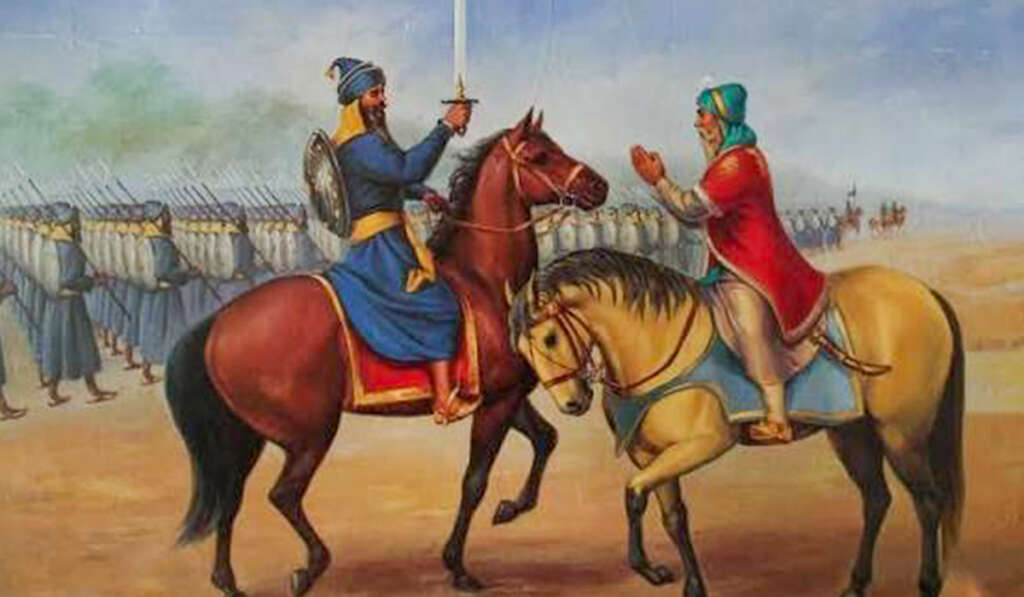
The most important and final battle of Akali Phula Singh’s life was the Battle of Nowshera in 1823. Afghan forces gathered to oppose the growing influence of the Sikh empire in Peshawar and Afghan territories. A fierce clash took place between the two sides in the region of Attock and Nowshera. According to history, Akali Phula Singh, along with his Nihang Singhs, played a leading role in the battle by staying at the forefront. Before the battle, he performed Ardas (prayer) and motivated his Singhs to step into the battlefield in high spirits (Chardi Kala).
In popular Sikh historical accounts, it is also stated that Maharaja Ranjit Singh, assessing the situation, had advised delaying the attack, but Akali Phula Singh refused to step back after performing Ardas. For him, Ardas was not just words, but a resolve made before the Guru. During the battle, Akali Phula Singh advanced riding his horse. Despite a hail of bullets, he continued to lead his Singhs. His horse was injured, but he did not retreat. He continued to lead the battle even while riding an elephant.
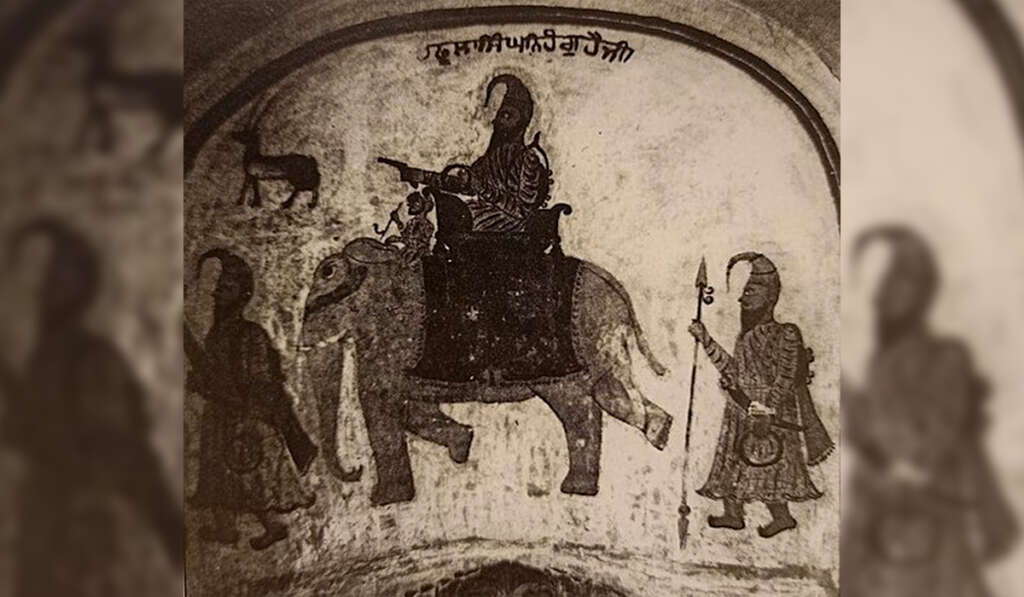
Ultimately, he was severely wounded and attained martyrdom on March 14, 1823. His martyrdom infused enthusiasm into the Sikh army, and the Sikhs achieved a significant victory in the Battle of Nowshera. The martyrdom of Akali Phula Singh became an immortal example of fearlessness and sacrifice in Sikh military history.
Akali Phula Singh’s legacy is not limited to military victories

Akali Phula Singh’s legacy cannot be limited to just military victories. His greatest contribution is the example of adherence to principles and fearlessness that he presented through his life. He showed that a religious position is not just an honor, but also a responsibility. In the matter of the Maryada of Sri Akal Takht Sahib, he did not accept stepping back from his duty even in the face of political power. Similarly, on the battlefield, he upheld the tradition of fighting from the front before his fellow Singhs. His life also highlights that ideology of the Sikh Panth in which religious freedom, self-respect, justice, fearlessness, and sacrifice are given importance. Jathedar Akali Phula Singh is such a great personality in Sikh history in whose life an impressive form of the Saint-Soldier tradition is visible. He was the great Jathedar of the Nihang Singhs, the protector of the Maryada of Sri Akal Takht Sahib, and a fearless general of the Sikh empire.


Leave a Comment