

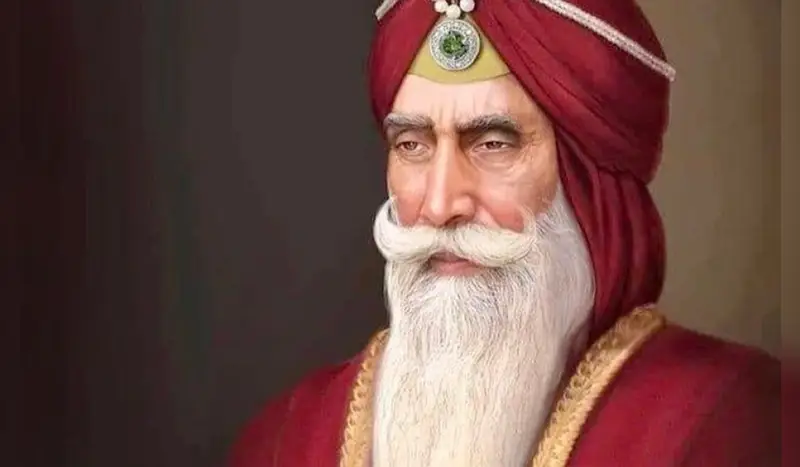

27 June is a deeply significant day in the history of Punjab. It marks the day in 1839 when the founder of the Sikh Empire, Sher-e-Punjab Maharaja Ranjit Singh, passed away. On his death anniversary, people remember the remarkable reign that gave Punjabis worldwide a distinct identity and a lasting sense of pride. Maharaja Ranjit Singh was not only a fearless warrior but also a visionary, generous, and people-centric ruler whose legacy continues to inspire generations.
A Secular Kingdom That Honoured Every Religion
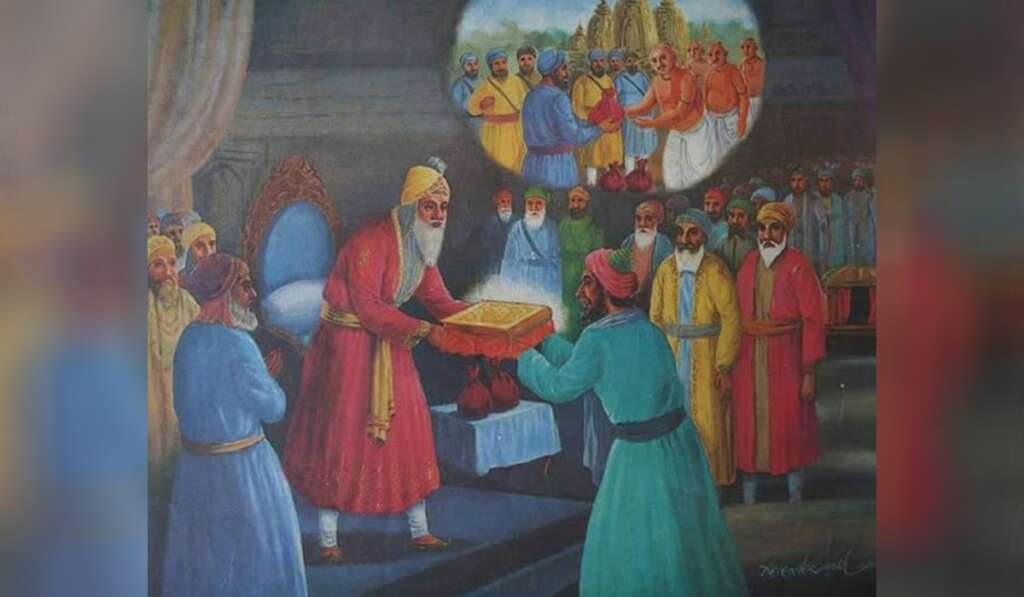
Maharaja Ranjit Singh’s Sarkar-e-Khalsa stood as a true example of a secular state. Although he was a devoted Sikh, he never allowed religion or caste to become the basis of discrimination. Hindus, Muslims, and Europeans all held important positions in his administration. Fakir Azizuddin served as his Foreign Minister, and Diwan Dina Nath managed the royal treasury. At the same time, French officers such as General Allard and General Ventura played a key role in modernising the Khalsa Army.
The Maharaja often said that God had given him sight in only one eye so that he would look upon all religions equally. He extended royal patronage to mosques, temples, and gurdwaras without distinction. Under his leadership, people increasingly identified themselves as Punjabis rather than by religion, fostering a strong sense of unity throughout the region.
A Justice System Without Capital Punishment
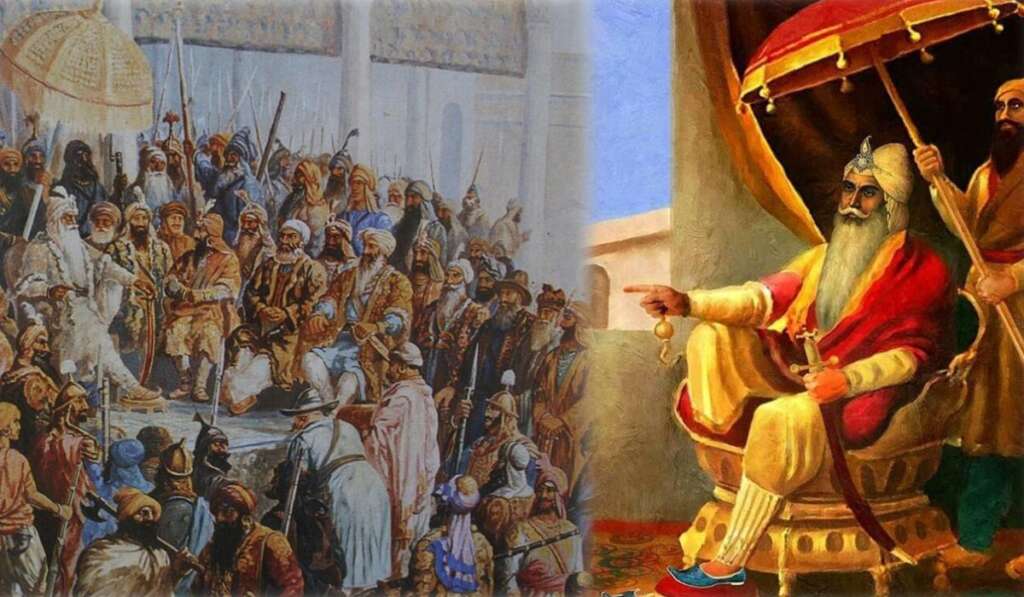
At a time when harsh punishments were common, Maharaja Ranjit Singh introduced a justice system based on fairness and compassion. During his nearly forty-year reign, he did not sentence a single person to death. Even those guilty of serious crimes were punished by heavy fines, property confiscation, or exile rather than execution.
Special courts ensured that justice was delivered in accordance with each community’s traditions. Muslim personal matters were decided under Sharia law, while disputes involving Hindus and Sikhs were settled according to their own customs. Minor village disputes were resolved through local panchayats. Because of this balanced system, corruption and injustice remained rare, allowing the people of Punjab to enjoy peace and security after years of Afghan and Mughal oppression.
The Golden Service to Sri Harmandir Sahib
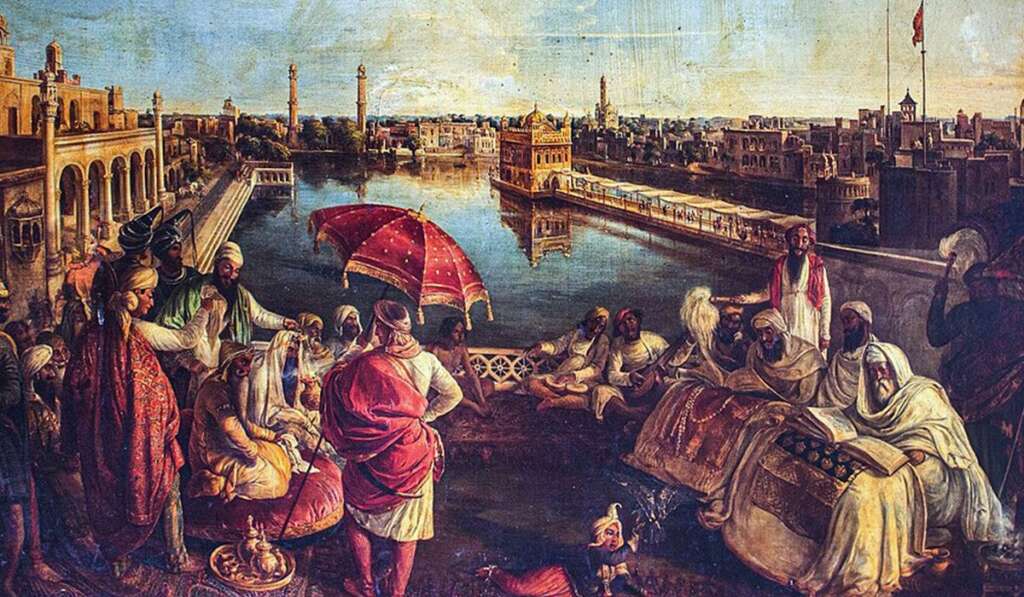
Today, Sri Harmandir Sahib is known around the world as the Golden Temple, and its iconic golden appearance is largely due to Maharaja Ranjit Singh’s devotion. After the shrine suffered damage during Afghan invasions, he ordered extensive restoration work using marble and copper. In 1830, he financed the covering of its upper structure with nearly 750 kilograms of pure gold, giving the shrine its world-famous identity.
The Maharaja generously funded this project from the royal treasury. He also restored nearby sacred sites, including Akal Bunga and Baba Atal Sahib. Skilled artists from Kangra were invited to decorate the walls with intricate floral designs and detailed artwork, many of which can still be admired today.
The Kohinoor Diamond: The Pride of the Sikh Empire
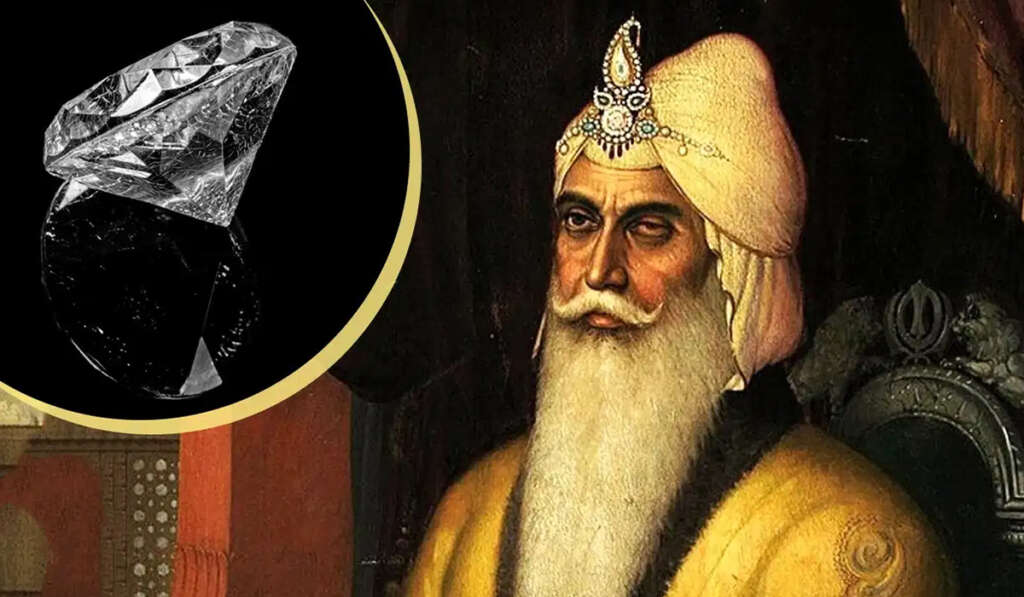
The legendary Kohinoor Diamond, one of the world’s most valuable gemstones, once symbolised the glory of Punjab. Maharaja Ranjit Singh acquired it in 1813 from the Afghan ruler Shah Shuja, whom he had offered refuge in Lahore. For the Maharaja, the Kohinoor was not merely a jewel but a symbol of his kingdom’s prestige and power. On important royal occasions, the diamond was displayed around the neck of his favourite horse, Laili, making ceremonial processions even more magnificent.
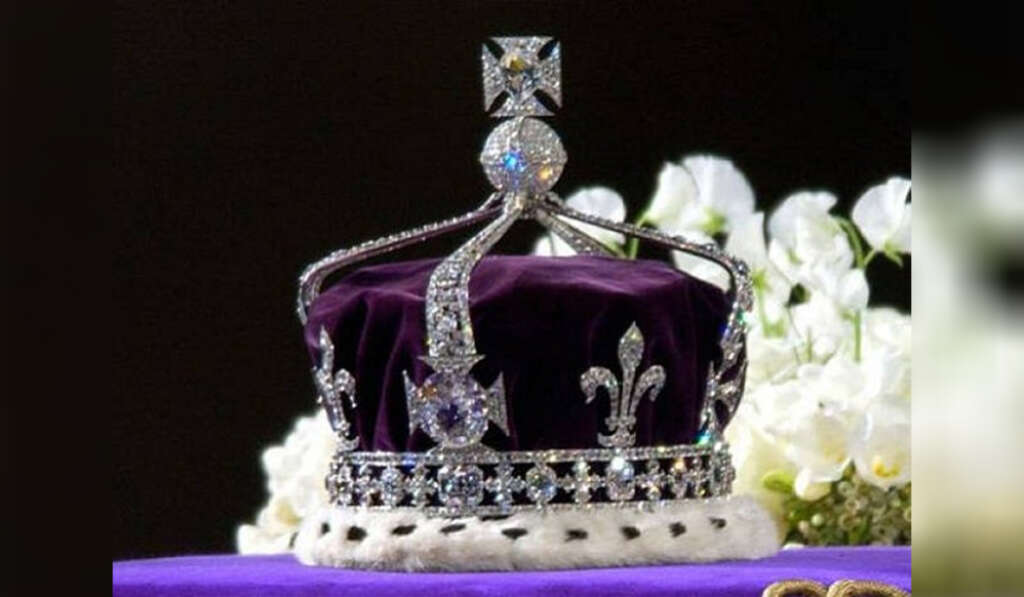
After Maharaja Ranjit Singh’s death, the Kohinoor remained in the Lahore treasury until the British annexed Punjab in 1849. It was then taken from the young Maharaja Duleep Singh and presented to Queen Victoria. Today, it remains part of the British Crown Jewels.
A Revolution in Education and Literacy
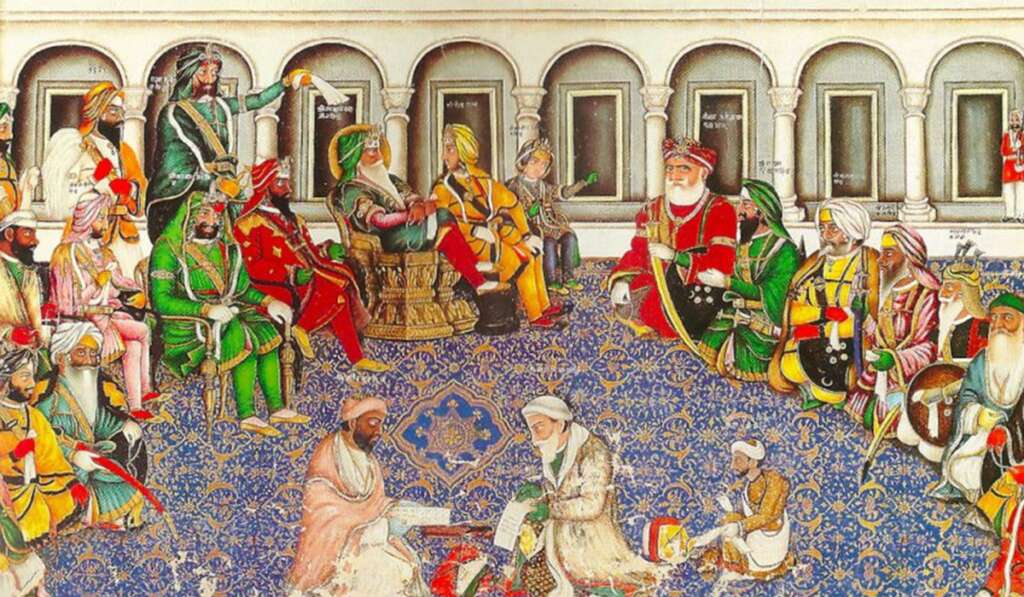
Although Maharaja Ranjit Singh never received formal education himself, he fully understood the importance of learning. According to British historian G. W. Leitner, before 1857, nearly 330,000 students across Punjab studied subjects such as Arabic, Sanskrit, mathematics, law, logic, and Ayurveda. Lahore alone had several schools dedicated to girls’ education.
Punjabi primers were distributed across villages, and it became common for girls to learn to read and write Gurmukhi before marriage. As a result, Punjab had a literacy rate significantly higher than that of many other parts of British India. Sadly, after the British annexation of Punjab, this traditional education system gradually disappeared.
His Extraordinary Love for Animals and the Royal Horse Laili
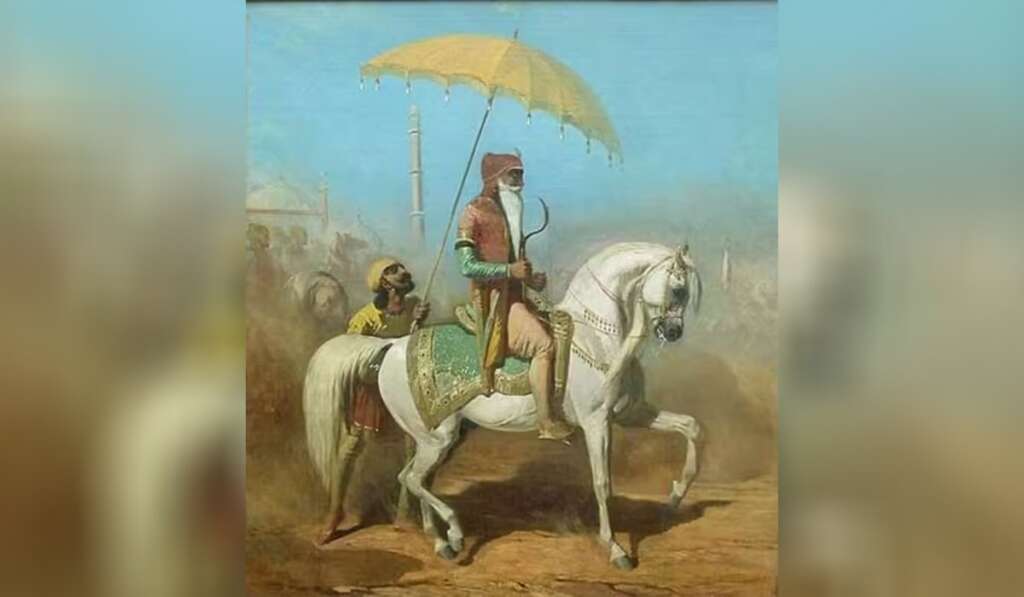
Maharaja Ranjit Singh’s love for horses remains one of the most fascinating chapters of his life. The ruler of Peshawar owned a magnificent horse named Laili, whose beauty became legendary. After learning about the horse in 1822, the Maharaja attempted to acquire it peacefully. When negotiations failed, he launched a military campaign.
Historical accounts suggest that nearly 60 lakh rupees and the lives of around 12,000 soldiers were spent before Laili was finally brought to Lahore in 1827. The horse soon became the Maharaja’s most treasured companion. When Laili died in early 1839, Maharaja Ranjit Singh was deeply heartbroken. He honoured the horse with a royal burial and a 21-gun salute, reflecting the extraordinary bond they shared.
The Lasting Legacy of Sher-e-Punjab
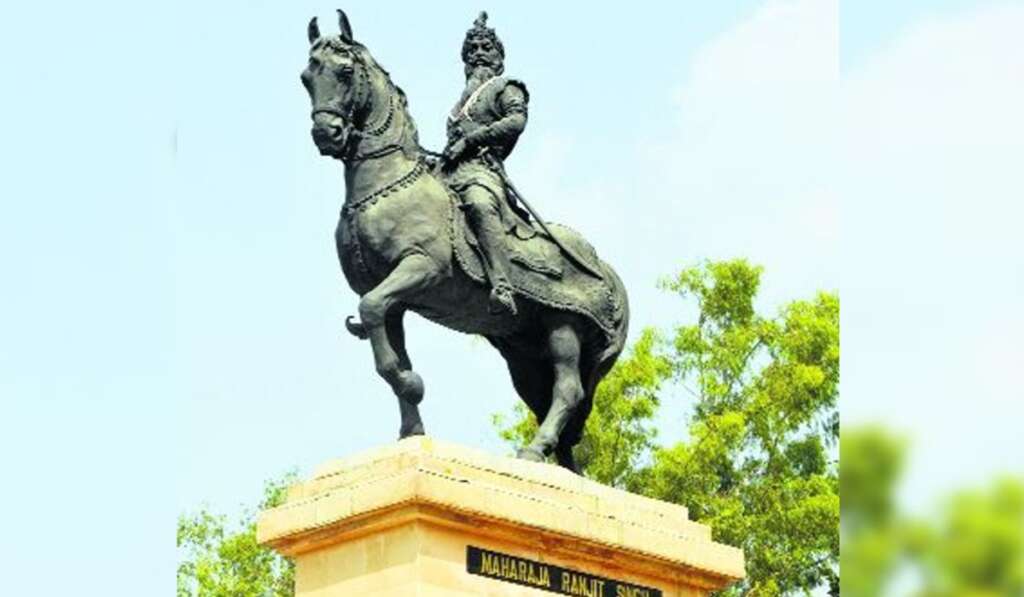
Maharaja Ranjit Singh was far more than a victorious ruler. He built a kingdom founded on religious harmony, justice, education, art, and compassion. His administration united people from different communities and laid the foundation for one of the most prosperous periods in Punjab’s history.
Within just ten years of his death, internal conflicts and British political manoeuvres led to the collapse of the Sikh Empire. However, his legacy continues to live in the hearts of Punjabis across the world. His death anniversary is not merely a day of remembrance. It is a tribute to the golden age when Punjab stood united, prosperous, and proud.
Tribute to Sher-e-Punjab Maharaja Ranjit Singh on his death anniversary.
Leave a Comment