
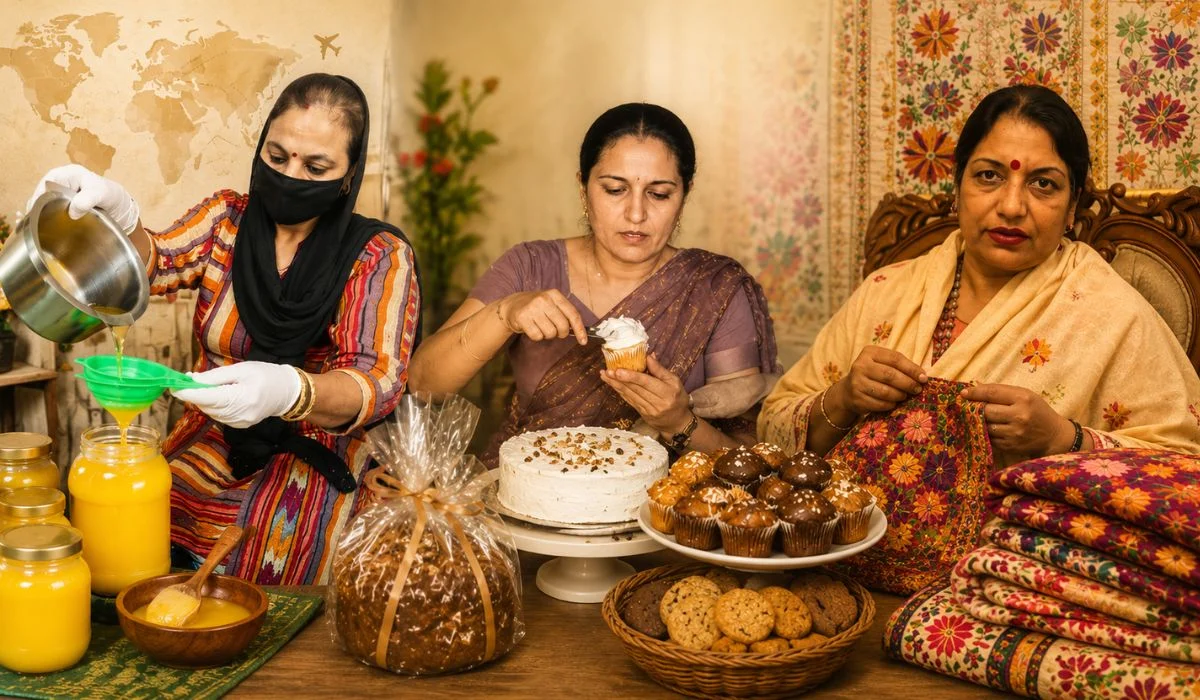

Punjab’s fertile land has always reflected courage, determination, and hard work. Whether working alongside men in the fields or managing households with dedication, Punjabi women have never stepped back from challenges. Today, in the digital era, this same spirit has taken a new direction. Thousands of women across Punjab, from villages to cities, are successfully running businesses through Instagram and other social media platforms. While working from home, they are turning their skills into successful ventures and becoming the financial backbone of their families.
Social Media Has Become the New Marketplace for Women Entrepreneurs
Not long ago, starting a business required a physical shop, heavy investment, and the freedom to work outside the home. Today, a smartphone, good lighting, and a valuable skill are enough to begin. Instagram has opened a digital window to the world for Punjab’s women, allowing them to move beyond local markets and reach customers across India and abroad. This digital transformation is not only making women financially independent but also giving their hidden talents and self-confidence the recognition they deserve.
From a Home Kitchen to Earning ₹20 Lakh Every Month
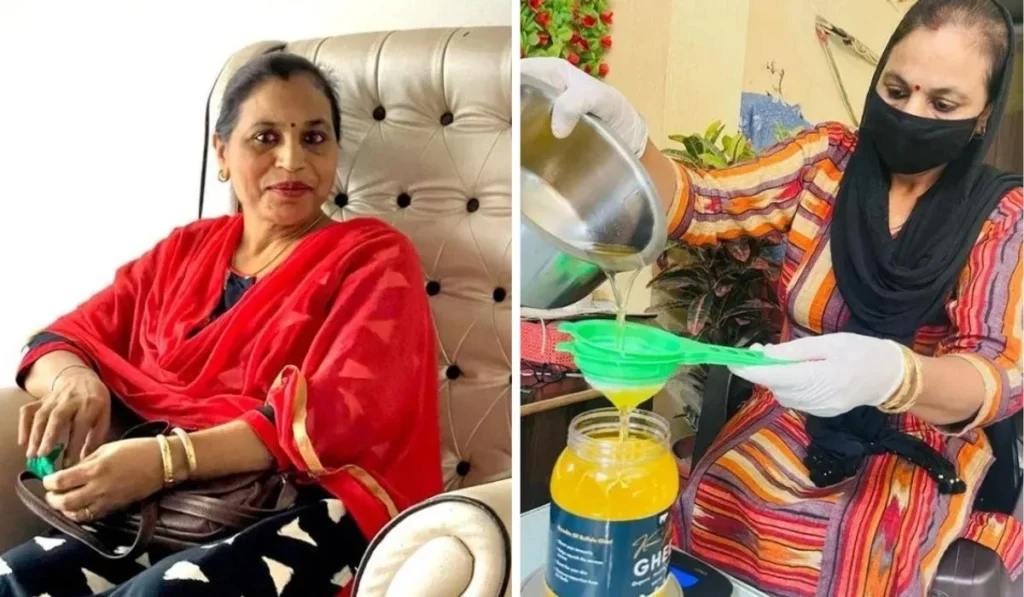
Kamaljeet Kaur, born in Jahangir village near Ludhiana, started Kimmu’s Kitchen in 2020 after recovering from COVID at age 50. She prepares traditional Bilona desi ghee using buffalo milk sourced from nearby villages. With the help of Instagram and online marketing, her business expanded rapidly, attracting customers from India and overseas. Today, she earns more than ₹20 lakh per month and ships over 4,500 bottles of ghee. Her products have even reached customers in Poland. Her husband and children actively support the business, making it a successful family enterprise.
From ₹300 to a ₹7,000 Crore Business Empire: The Story of Cremica
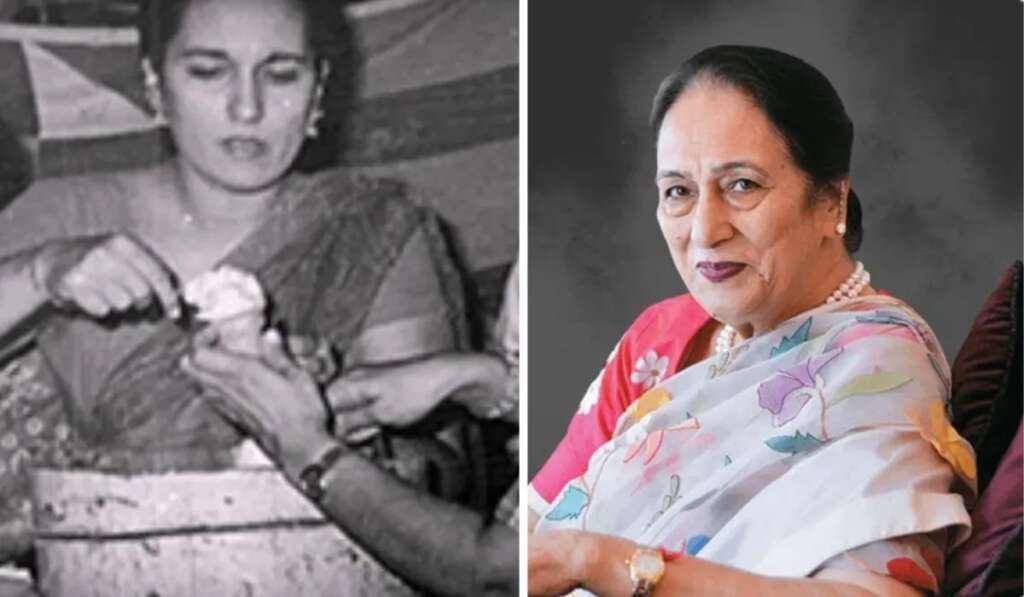
One of Punjab’s biggest business success stories belongs to Rajni Bector. In 1978, she purchased an oven for just ₹300 and started baking cakes and making ice cream from her home in Ludhiana. Today, her brand Cremica has grown into a company valued at around ₹7,000 crore. She was honoured with the Padma Shri in 2021 for her contribution to the food industry. Her company, Mrs. Bector’s Food Specialities Limited, now operates across 23 Indian states and exports to 64 countries through more than 550,000 retail outlets. Its popular brands include Mrs. Bector’s Cremica and English Oven. The company also supplies products to Burger King, Pizza Hut, Papa John’s, Indian Railways, and Defence Canteens. Rajni Bector has often credited her husband, Dharamvir Bector, as the strongest supporter behind her success.
Patiala Cooperative Society Is Transforming Women’s Lives
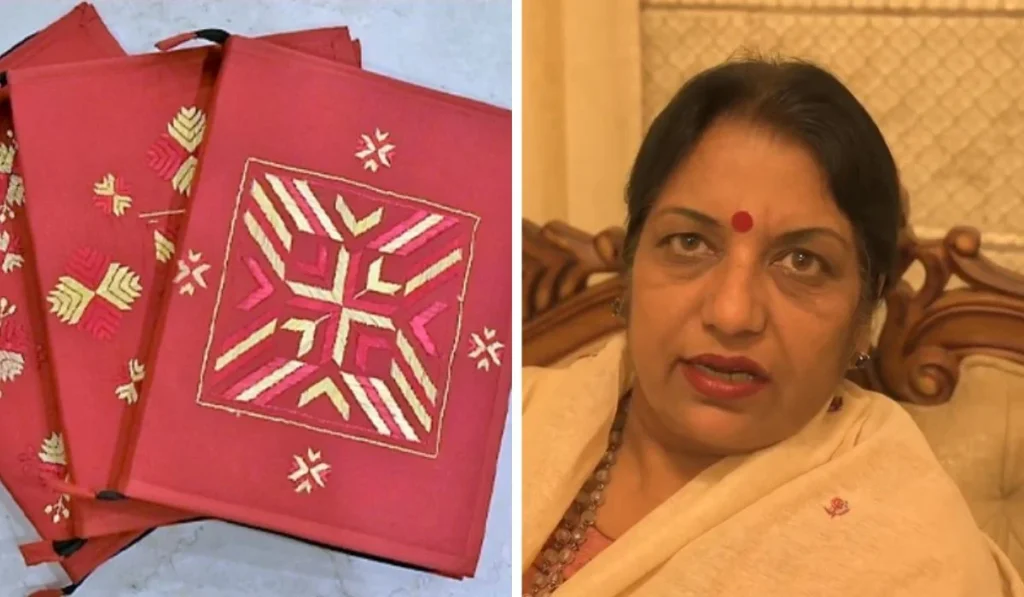
Traditional crafts such as Phulkari embroidery, pottery, and crochet have always been part of Punjab’s cultural identity. For many years, these skills remained limited to household use. Today, Instagram and other social media platforms have given these traditional crafts a global audience. Seema Rani and Rekha Mann from Patiala established a cooperative society for Phulkari artisans, which has trained between 55,000 and 65,000 women since 1994 and helped them become financially independent.
The Patiala Handicraft Workshop Cooperative Industrial Society Ltd. (PHWCS) has transformed the lives of thousands of women across Punjab. Skills that were once considered only household activities have now become a source of income and self-reliance. The society aims to empower women while preserving Punjab’s traditional Phulkari embroidery. Along with Phulkari, it also provides training in several other handicrafts. In recognition of its outstanding contribution, the society has received a National Award.
Traditional Skills Are Creating Modern Success Stories
These inspiring journeys prove that when traditional skills are combined with the power of social media, extraordinary success becomes possible. Women across Punjab have demonstrated that building a successful business no longer requires an expensive showroom. A strong determination, valuable skills, and a smartphone can open doors to national and international markets. This digital revolution also sends a powerful message that talent is never limited by age or the boundaries of home. As more women embrace entrepreneurship, they are strengthening their families, preserving Punjab’s heritage, and writing a new chapter in the state’s economic future.
How Instagram Is Changing the Business Landscape for Punjab’s Women
Instagram has become much more than a platform for sharing photos and videos. For thousands of women in Punjab, it has turned into a powerful business tool that connects them directly with customers. Instead of depending on intermediaries or local shopkeepers, women entrepreneurs can now display their products, interact with buyers, receive orders, and build a loyal customer base through a single platform. Features such as Reels, Stories, Live sessions, and direct messaging have made it easier to market products without spending heavily on advertising. Many women who started with only a few followers now receive hundreds of orders each month thanks to consistent content and positive customer reviews.
One of the biggest advantages of social media is that it removes geographical barriers. A woman preparing homemade pickles in a village near Amritsar or stitching Phulkari dupattas in Patiala can easily sell her products to customers in Delhi, Mumbai, Canada, Australia, or the United Kingdom. Digital payment systems and reliable courier services have made online selling simple and convenient. As more consumers look for authentic handmade products, Punjab’s women entrepreneurs are finding new opportunities to expand their businesses beyond state and national borders.
The Rise of Home-Based Businesses in Punjab
Home-based businesses have become one of the fastest-growing forms of entrepreneurship in Punjab. Many women who once viewed their cooking, stitching, embroidery, baking, or handicraft skills as hobbies are now earning a steady income from them. The flexibility of working from home allows them to manage family responsibilities while running successful businesses. This balance has encouraged many homemakers to take their first step toward financial independence.
Customers today appreciate products that are handmade, authentic, and prepared with care. Homemade pickles, organic ghee, traditional sweets, designer suits, handmade jewellery, crochet items, and customised gifts have gained strong demand on social media. Since these businesses require relatively low investment during the initial stage, women can gradually expand as orders increase. Many entrepreneurs begin with small batches and reinvest their earnings to improve packaging, branding, and product quality. This step-by-step growth has helped numerous women build sustainable businesses without taking large financial risks.
Family Support Plays a Key Role in Success
Behind many successful women entrepreneurs in Punjab stands a supportive family. While determination and talent remain the foundation of every business, encouragement from family members often makes the journey easier. Many husbands help with deliveries, online order management, photography, and financial planning, while children assist with social media marketing and digital content creation. This teamwork allows women to focus on maintaining product quality and building customer trust.
The stories of Kamaljeet Kaur and Rajni Bector clearly show how family support can strengthen a business. When responsibilities are shared, women gain the confidence to dream bigger and explore new opportunities. As society becomes more accepting of women entrepreneurs, families are increasingly recognising that empowering women also strengthens the household’s financial stability. This changing mindset is creating an environment where more women feel encouraged to transform their skills into successful brands.
Punjab’s Traditional Crafts Are Finding Global Recognition
Punjab has always been known for its rich cultural heritage and skilled artisans. Crafts such as Phulkari embroidery, handwoven textiles, pottery, crochet work, and handmade decorative items have been passed down through generations. Earlier, these crafts were mainly produced for family use or sold in local markets. Today, digital platforms have introduced these traditional products to customers worldwide who value handmade craftsmanship and cultural authenticity.
International buyers are increasingly attracted to products that tell a story and preserve traditional techniques. Social media enables artisans to explain the history behind their work, showcase the production process, and connect emotionally with customers. This storytelling creates trust and adds value to every product. As a result, Punjab’s traditional crafts are no longer limited to exhibitions or local fairs. They have become part of a growing global market that appreciates quality, heritage, and handmade excellence.
Leave a Comment