
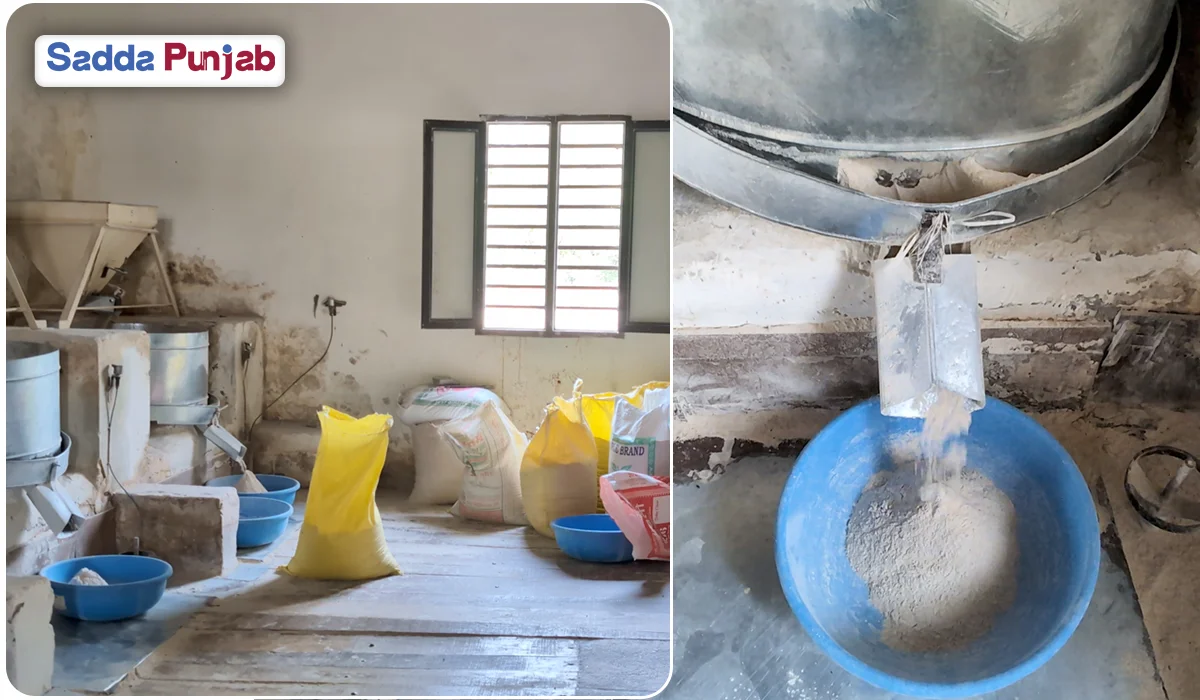

In today’s modern world, where almost every industry depends on electricity, diesel, or expensive fuels, a centuries-old natural technology continues to operate successfully in a corner of Punjab. One such remarkable example is Sullar Gharat, where a traditional flour mill runs entirely on the power of flowing water without using electricity, diesel, or any other fuel. The river or canal water flowing through the system is not just ordinary water. It serves as a powerful renewable energy source, keeping this flour mill running for generations. Even in the digital age, this traditional water-powered mill continues to preserve its identity and demonstrate the value of sustainable technology.
Giving New Life to a Historic Heritage Site

Karunveer Singh Gill has played a key role in protecting this historic heritage from disappearing and giving it a fresh direction. In 2025, he leased Sullar Gharat from the government. According to him, the condition of the flour mills was extremely poor when the site was handed over. Along with his team, he carefully restored the structure without disturbing its original design and cultural character. While preserving the traditional milling mechanism, significant improvements in cleanliness and hygiene standards were made, ensuring that the heritage remains functional while meeting modern expectations.
A 150-Year-Old Legacy Dating Back to 1875
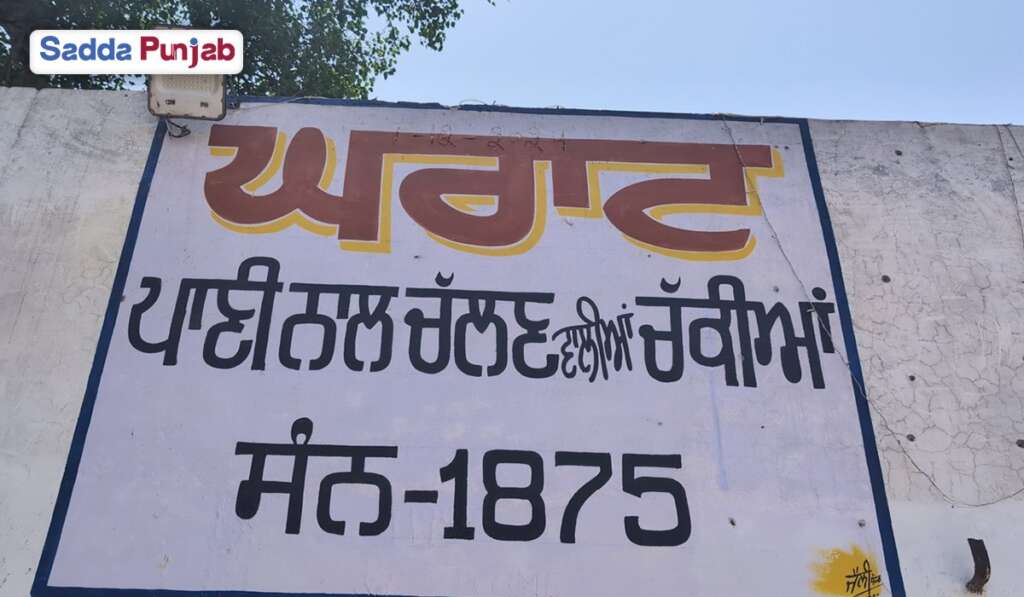
According to official records provided by the concerned department, the history of Sullar Gharat dates back to at least 1875, making it nearly 150 years old. Sharing its historical significance, Karunveer Singh Gill explained that these water mills were established during the British era. As the British developed Punjab’s canal irrigation network, they identified locations where water naturally dropped in elevation. They used this water pressure to power traditional flour mills. Long before large hydroelectric dams became common, engineers created special canal channels known as “Chakki Nala” to divert water towards these mills. Wherever the water dropped by around 10 to 15 feet, the mills operated efficiently using only the force of flowing water.
The Simple Yet Effective Scientific Mechanism
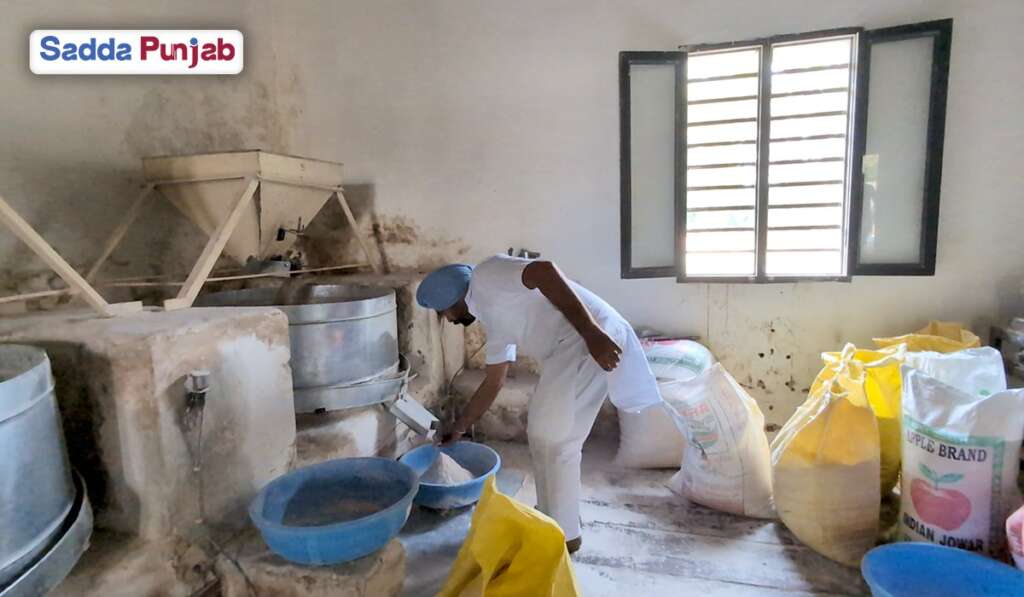
The working mechanism of Sullar Gharat is simple yet highly efficient. Water diverted from the canal enters the specially designed channel at high speed and strikes the propellers installed beneath the mill. Karunveer Singh Gill explained that the force of the flowing water continuously rotates these propellers. The propellers are connected to the upper grinding stones via a vertical shaft. As the lower propellers spin with the energy of flowing water, the grinding stones above begin rotating automatically. This mechanical movement allows grains to be ground naturally without requiring electricity, fuel, or any external power source.
Slow Grinding Preserves Nutrients
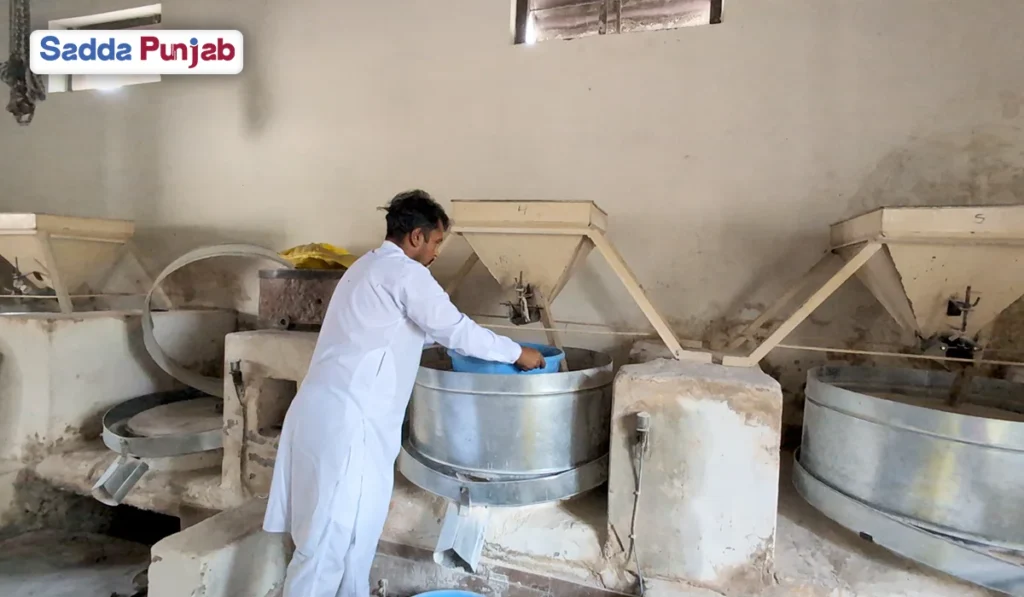
Modern electric flour mills rotate at very high speeds, generating significant heat during grinding. According to Karunveer Singh Gill, this excessive heat can reduce the nutritional quality of flour by depleting key nutrients, including proteins, carbohydrates, and minerals. In scientific terms, this is often associated with changes in ash content and nutrient loss caused by excessive friction. In contrast, the traditional water mill operates at a slow speed of only about 30 revolutions per minute (RPM). Since it is powered by flowing water, the flour remains naturally cool during grinding, helping preserve the grain’s original nutritional value.
Health Benefits of Traditionally Ground Flour
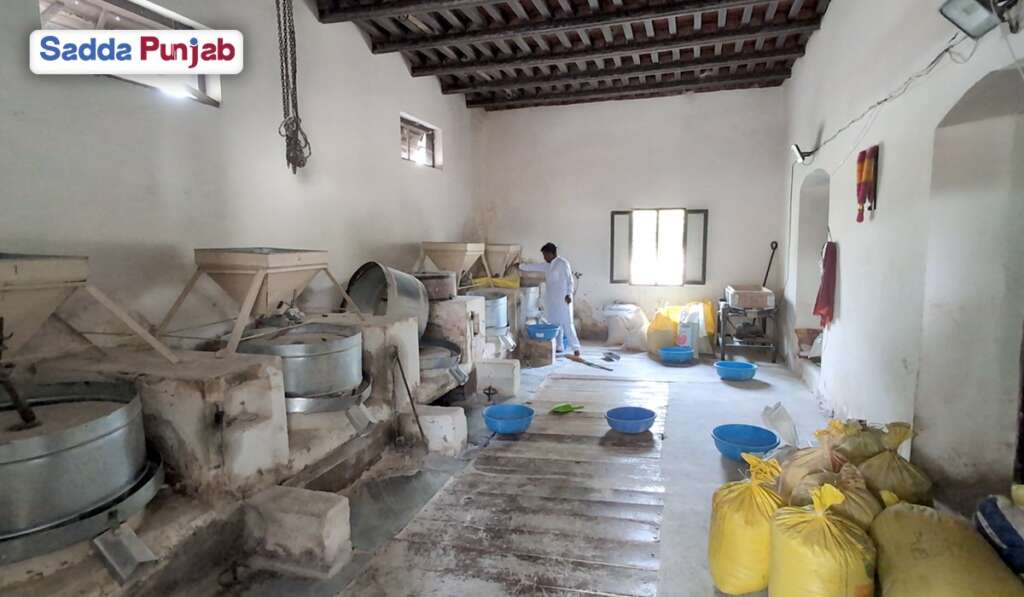
Sadhu Singh, an employee at Sullar Gharat, explained that older generations have always appreciated the superior quality of flour produced by this traditional mill. Families often sent their children on bicycles to get their wheat ground here because they believed it produced healthier flour. Based on residents’ experience over the past three decades, he said that bread made from this flour remains soft, fresh, and moist for much longer. In comparison, bread made from flour ground in modern high-speed mills tends to harden over time. This is one of the main reasons many customers continue to return to Sullar Gharat once they experience the difference.
Grinding a Wide Variety of Grains
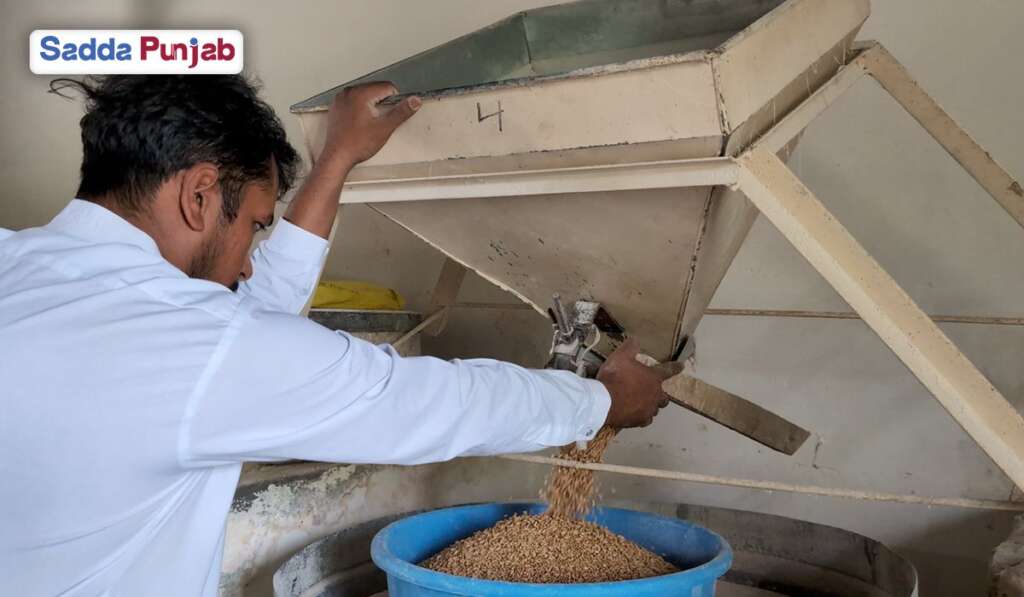
Sullar Gharat is not limited to grinding wheat alone. According to Karunveer Singh Gill, the mill processes a wide range of grains, including barley, sorghum, finger millet, pearl millet, and maise, depending on customer requirements. The quality of maise flour produced here is especially appreciated by regular customers. The mill has also introduced multigrain flour, which has received an encouraging response from health-conscious consumers. However, grains with high oil content, such as soybeans, are not processed because the natural oils can damage the traditional stone grinding wheels.
Improved Hygiene and Future Plans
In the past, one of the biggest challenges at traditional water mills was maintaining cleanliness. Flour used to fall directly onto the ground before being collected and packed. Since taking over the site, Karunveer Singh Gill has focused on improving hygiene standards without altering the heritage structure. The milling process has now been redesigned to ensure cleaner and safer flour production while maintaining the authenticity of the traditional system. Looking ahead, he plans to modernise the facility further while preserving its historical identity. With a long-term lease now secured, his vision is to transform Sullar Gharat into a model of sustainable heritage that showcases Punjab’s traditional engineering to visitors from across India and around the world.
A Rare Example of Eco-Friendly and Renewable Energy
At a time when the world is searching for cleaner and more sustainable energy sources, Sullar Gharat quietly demonstrates that nature has been providing such solutions for centuries. Unlike modern flour mills that consume electricity and contribute to rising energy costs, this traditional system depends entirely on the natural flow of water. As long as the canal continues to flow, the mill remains operational without producing pollution or carbon emissions. This makes it an excellent example of renewable energy being used practically and sustainably. It also highlights how traditional engineering techniques can still offer valuable lessons for today’s environmentally conscious world.
The growing interest in sustainable living has increased appreciation for heritage technologies like Sullar Gharat. Visitors are often surprised to see a fully functional flour mill operating without a single electric motor. The system proves that innovation is not always about replacing old methods with new machines. Sometimes, preserving traditional knowledge can be equally valuable. As governments and environmental experts encourage renewable energy solutions, Sullar Gharat stands as a living reminder that Punjab has been practising sustainable technology for generations.
A Heritage Site with Tourism Potential
Beyond its role as a flour mill, Sullar Gharat has the potential to become an important heritage tourism destination in Punjab. Heritage lovers, engineering students, researchers, and travellers interested in traditional technology can all learn from this unique site. Watching the flowing water rotate the wooden and stone mechanism offers visitors an experience that cannot be found in modern factories. It is not only a working mill but also a demonstration of historical engineering that has survived for nearly 1.5 centuries.
With proper infrastructure, guided tours, and educational displays, the site could attract both domestic and international tourists. Such development would not only preserve Punjab’s cultural heritage but also create employment opportunities for local communities. Schools and colleges could organise educational visits to teach students about renewable energy, traditional engineering, and the importance of conserving historical technologies. Sullar Gharat has the potential to become a symbol of Punjab’s rich industrial heritage alongside its agricultural identity.
Balancing Tradition with Modern Standards
One of the biggest challenges in preserving heritage structures is maintaining their originality while meeting modern safety and hygiene standards. The restoration work at Sullar Gharat has focused on achieving this balance. Instead of replacing the traditional mechanism with modern machines, efforts have been made to improve cleanliness, maintenance, and operational efficiency while retaining the original technology. This careful approach allows visitors and customers to experience the authentic working system without compromising food safety.
The management also recognises that preserving heritage requires continuous maintenance rather than one-time restoration. Regular inspections of the water channels, grinding stones, propellers, and wooden structures help ensure smooth operation throughout the year. By combining traditional craftsmanship with modern management practices, Sullar Gharat demonstrates that historical technology can continue serving present-day needs without losing its identity.
Why Sullar Gharat Matters Today
Sullar Gharat is much more than an old flour mill. It represents Punjab’s engineering heritage, environmental wisdom, and cultural resilience. At a time when industries are seeking energy-efficient alternatives, this 150-year-old system continues to perform its task with nothing more than the natural force of flowing water. It also reminds people that many traditional technologies were designed with sustainability at their core long before environmental conservation became a global concern.
The revival of Sullar Gharat also sends an important message about heritage conservation. Historic structures should not simply be preserved as museum pieces. When restored thoughtfully, they can continue serving communities while educating future generations. By protecting this remarkable water-powered flour mill, Punjab is preserving not only a piece of history but also an example of practical, eco-friendly engineering that remains relevant even in the twenty-first century.

Leave a Comment