
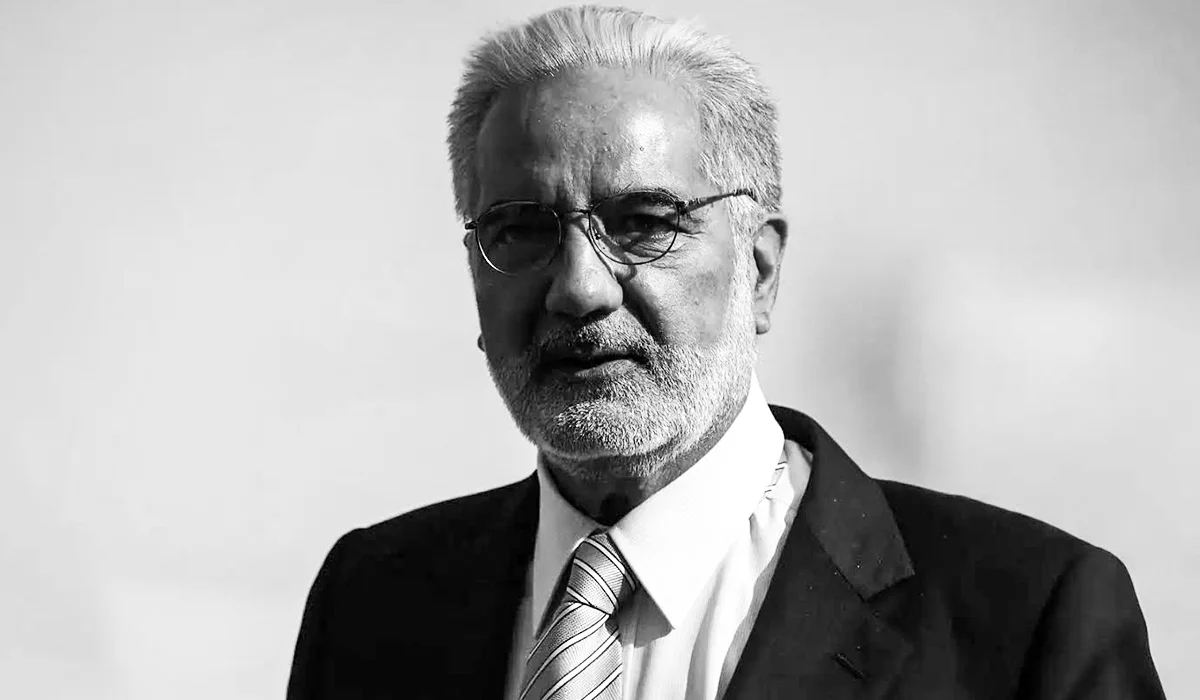

Inderjit Singh Bindra, the son of Punjab who gave a new direction to Indian cricket, needs no introduction. A guiding force in modern Indian cricket administration, Bindra played a decisive role in shaping not only Punjab cricket but also the national and international cricketing ecosystem. On 25 January 2026, this towering figure of Indian cricket administration passed away, leaving behind a legacy that transformed the Board of Control for Cricket in India (BCCI) into one of the most powerful sporting bodies in the world.
Throughout his life, Bindra held several key administrative positions and consistently worked to modernise cricket infrastructure, governance, and finances. His contribution laid the foundation for the global stature Indian cricket enjoys today.
Birth and Early Career
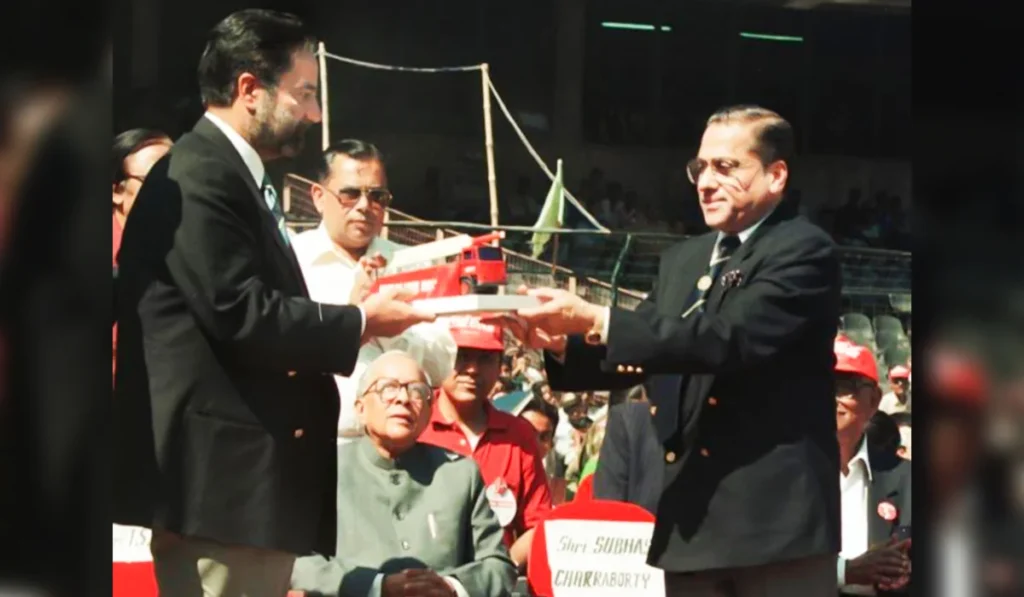
Sardar Inderjit Singh Bindra was born on 2 September 1942 in Amritsar, Punjab. A distinguished civil servant, he belonged to the Indian Administrative Service (Punjab cadre). During his bureaucratic career, he served as Deputy Commissioner of Ludhiana and Patiala, and later as Special Secretary to the President of India. His administrative experience proved invaluable when he transitioned into cricket governance.
Contribution to Punjab Cricket
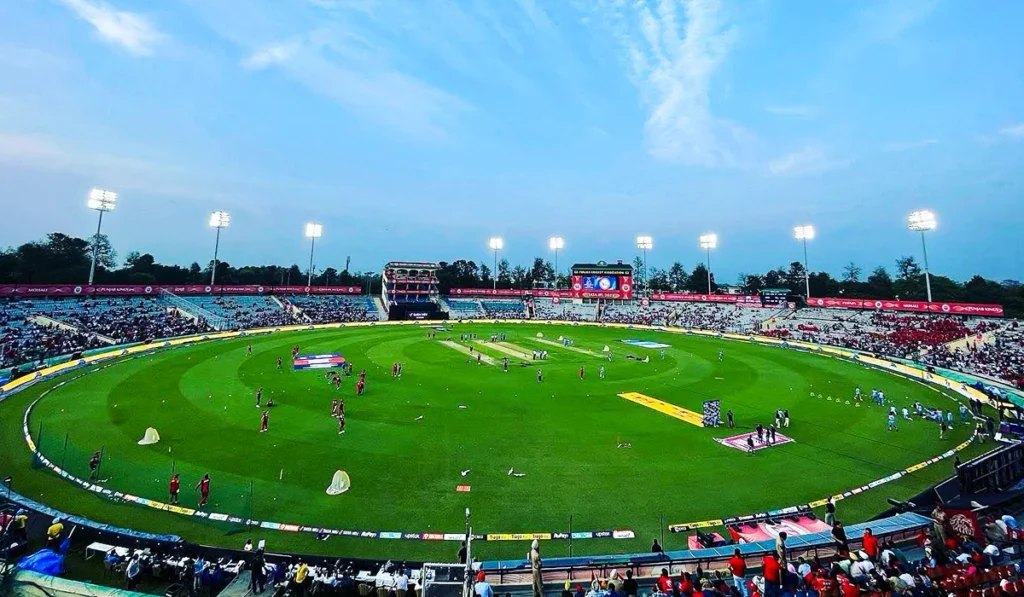
As a proud son of Punjab, Bindra played a transformative role in reshaping the state’s cricketing landscape. He served as the President of the Punjab Cricket Association (PCA) from 1978 to 2014, one of the longest tenures in Indian cricket administration.
One of his most enduring contributions was the construction of the PCA Stadium at Mohali, completed in 1993. With this stadium, Mohali emerged on the global cricket map. Known for its modern facilities and advanced infrastructure, the stadium hosted numerous international matches, including the 2011 ICC Cricket World Cup semi-final, where India defeated Pakistan. The match was witnessed by the Prime Ministers of both India and Pakistan, highlighting the stadium’s global significance.
In recognition of Bindra’s immense contribution, the stadium was officially renamed I.S. Bindra PCA Stadium in April 2015.
Contribution to Indian Cricket
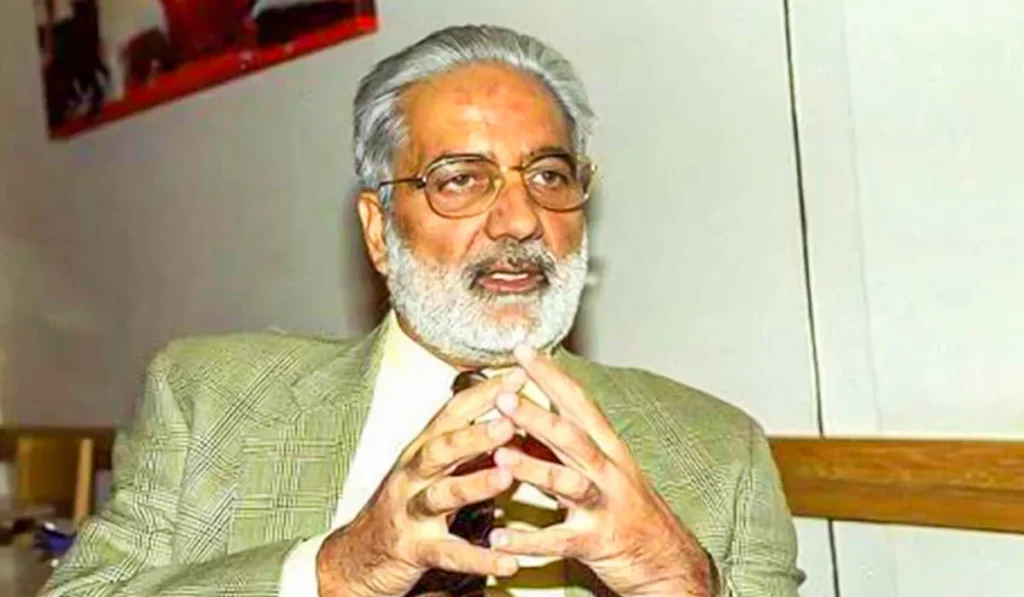
Bindra’s influence extended far beyond Punjab. Through his sustained efforts, India co-hosted the Cricket World Cup for the first time in 1987, marking the first occasion the tournament was held outside England. This milestone shifted the global centre of cricket towards the subcontinent.
He later served as President of the BCCI (1993–1997). During this period, he played a crucial role in organising the 1996 ICC Cricket World Cup, jointly hosted by India, Pakistan, and Sri Lanka. This tournament further established the subcontinent as the epicentre of world cricket.
Strengthening the Financial Power of the BCCI
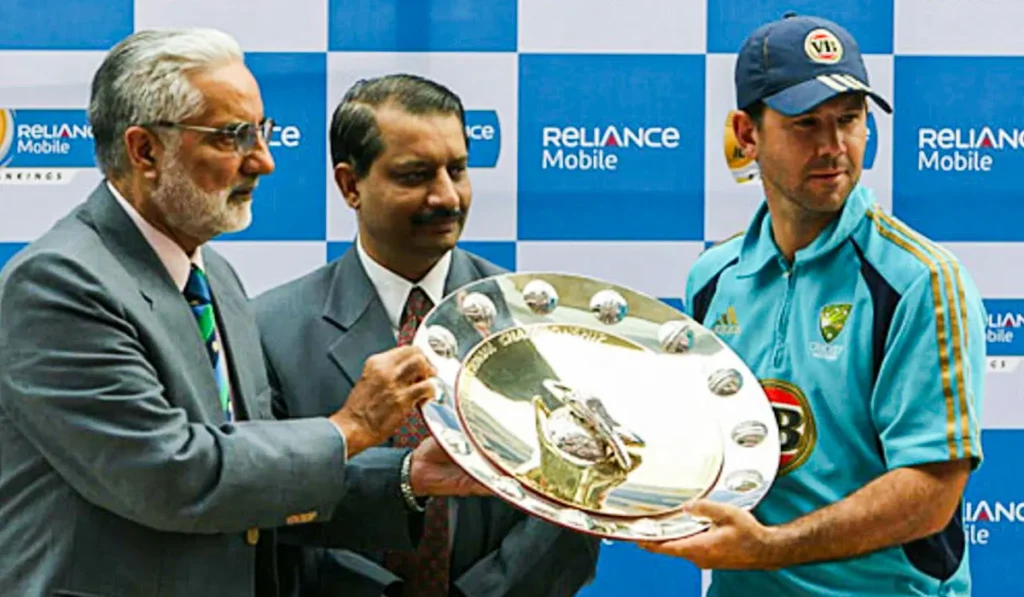
One of Bindra’s most significant contributions was strengthening the financial autonomy of the BCCI. Until the early 1990s, Doordarshan held a monopoly over the broadcasting of India’s international cricket matches.
In 1994, under Bindra’s leadership, the BCCI approached the Supreme Court of India to assert its right over television broadcast revenues. Following a landmark legal battle, the BCCI secured these rights. This decision fundamentally changed the economics of Indian cricket, ushering in a new era of commercial growth and making the BCCI the world’s richest cricket board.
Contribution to International Cricket
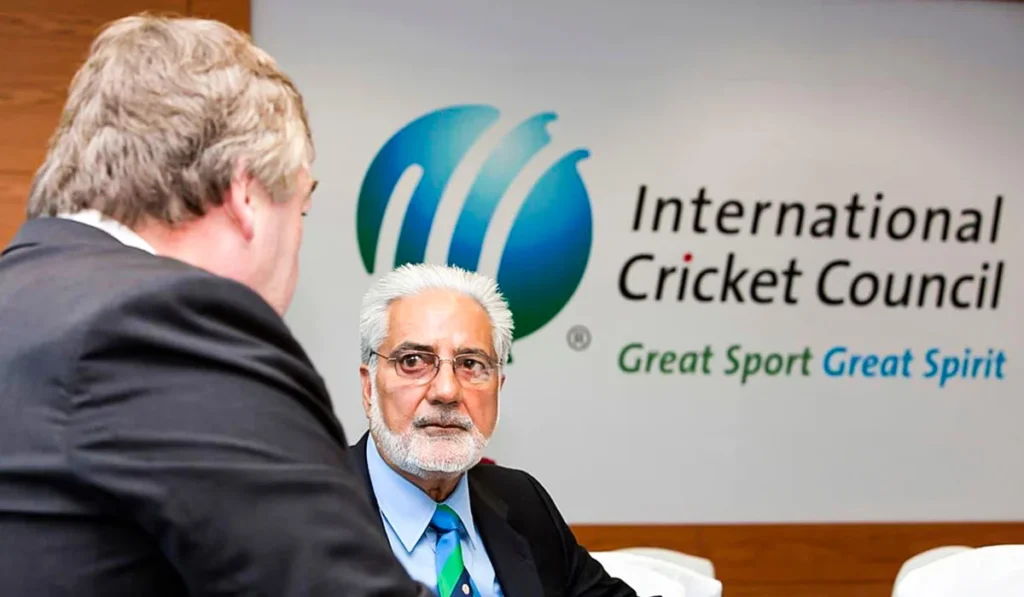
Bindra’s stature was recognised globally when he was appointed Principal Advisor to the International Cricket Council (ICC) from 2010 to 2012. During this period, India’s influence within international cricket administration further strengthened.
Final Farewell
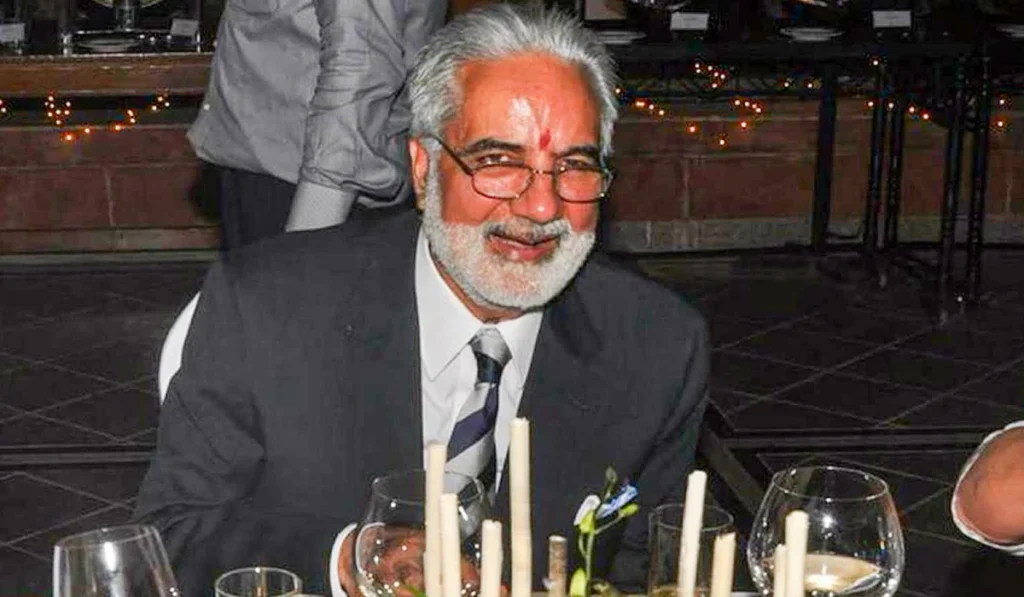
Born on the soil of Punjab, Inderjit Singh Bindra dedicated his life to elevating cricket—from local grounds in Punjab to the world stage. His vision, administrative acumen, and bold decision-making permanently altered the course of Indian cricket.
Although he passed away on 25 January 2026 at the age of 84, his legacy lives on in the structures, systems, and global stature of Indian cricket. Indian cricket today stands as a testament to his foresight and leadership.


Leave a Comment