
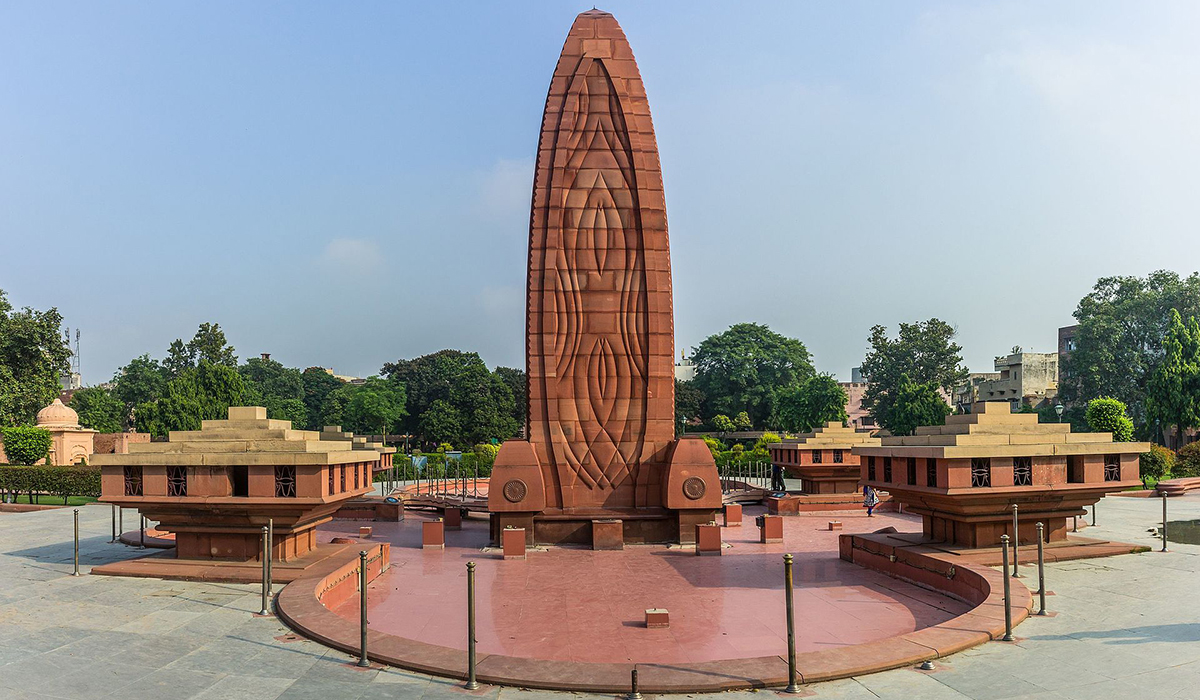

13 April 1919, the day of Vaisakhi, is the most painful and blood-soaked page in the history of India. Unarmed and innocent people who had gathered to celebrate Vaisakhi and to raise their voice for their rights were mercilessly fired upon. In no time, the soil of Jallianwala Bagh was drenched in the blood of these unarmed and innocent people, and this blood-soaked tragedy became a turning point in India’s freedom struggle.
If we look into the history of India from the beginning of the 20th century, it appears that the youth of India were already moving forward with the desire to free the country from British rule. In 1885, a major political organization, the Indian National Congress, had already been formed, and now the people of India were prepared to fight a constitutional battle through this party. But the famines of the late 19th century and the peasant movement in Punjab in the early 20th century forced many Punjabis and Indians to leave the country and settle abroad.
The partition of Bengal in 1905 and the split of the Indian National Congress into two factions at Surat in 1907 had heated the political atmosphere in India. Indians who had migrated from India and Punjab to different countries began, after improving their economic condition, to make efforts from abroad to free India from the British Empire. As a result, the Ghadar Party came into existence in America and Canada. With the outbreak of the First World War in 1914, these overseas Indians did try to seize the opportunity, but they did not succeed. Raja Mahendra Pratap, with the help of the Ghadarites, formed a provisional government in Afghanistan on 1 December 1915, but this effort too did not succeed in freeing India from British rule.
After the Surat split of 1907, Bal Gangadhar Tilak and Sri Aurobindo Ghosh were imprisoned for six years and sent to Mandalay Jail. After his release, Tilak and Annie Besant launched the Home Rule Movement in India. Annie Besant was a devoted follower of Madam Blavatsky and supported the establishment of self-government for Indians under the British Empire. This Home Rule Movement created a new ray of hope among Indians after the Komagata Maru incident and the failure of the Ghadarites. But due to the repressive policies of the British government, this movement also could not succeed.
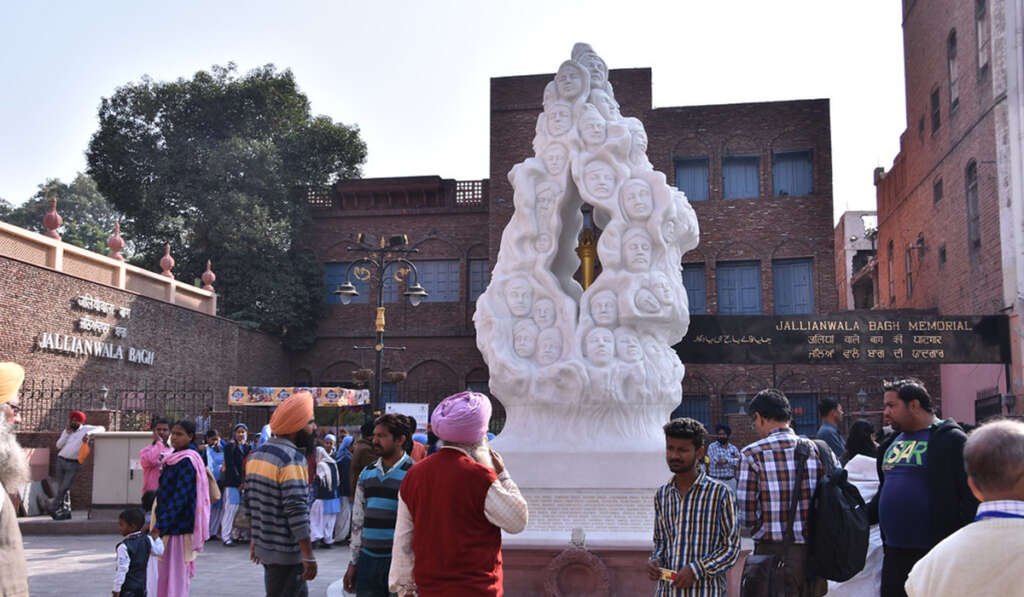
During the First World War, whether one speaks of soldiers or supplies, Punjab contributed the most to various war fronts. But near the end of the war, an epidemic spread in Punjab, and nearly 5% of the population of the entire province died from it. Despite receiving the greatest support from Punjab, the British government did not undertake any special welfare measures for Punjabis. On the contrary, keeping in view the activities of Indian and Punjabi patriots against British rule during the war, the British government enforced the Defence of India Act in 1915. These activities included, in particular, the actions of the extremist faction of the Congress, the Ghadarites, the Silk Letter Conspiracy, and thefts in the south-western part of Punjab. All of these activities aimed at driving the British out of Punjab and India.
To investigate the Indian revolutionary movement and the activities of Punjabis against the British government, a committee was formed on 10 December 1917, headed by Sir Sidney Arthur Taylor Rowlatt. Along with Sir Sidney Rowlatt, five other members were appointed to the committee. On 15 April 1918, the committee submitted its report. In that report, the committee proposed that two bills be passed to ensure the permanent continuation of British rule in India.
Accordingly, the first resolution was passed on 21 March 1919 and became law. Under this law, the British government was given the authority to detain any person on mere suspicion, without proof of any crime, and to keep that person in custody for up to one year. In simple Punjabi words, this came to be known as:
“Na vakil, na daleel, na appeal” – “No lawyer, no argument, no appeal.”
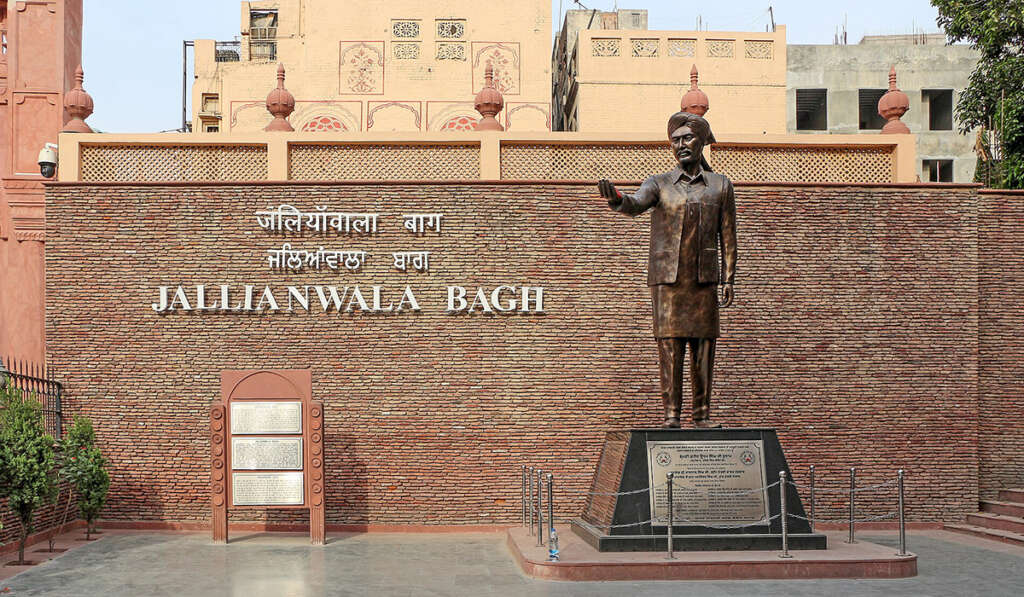
The enforcement of this law caused deep humiliation and resentment among the Punjabi community, because Punjabis had supported the British government in the First World War both militarily and in supplies, and they saw the enforcement of this law after the war as a betrayal by the British government.
In protest against this law, representatives of several newspapers in Punjab met on 8 February 1919 and passed a resolution of opposition. These newspapers included Paisa Akhbar, Akhbar-e-Aam, The Desh, The Himalaya, The Public, and The Leader. On 23 March 1919 in Amritsar, Dr. Saifuddin Kitchlew and Dr. Satyapal mobilized Punjabis against the Rowlatt Bill. On 29 and 30 March 1919, nearly 45,000 people gathered in protest against it. The atmosphere had now become fully charged.
A day of strike was peacefully observed on 30 March in Punjab. Shops remained closed all day in Amritsar, Ferozepur, and Mukerian. On the evening of 30 March 1919, in Jallianwala Bagh in Amritsar, Dr. Saifuddin Kitchlew addressed a gathering of nearly 35,000 Punjabis against the bill. At that time, Jallianwala Bagh was not a beautiful garden as it is today, but rather an uneven piece of land about 229 metres long and 183 metres wide. It belonged to Bhai Himmat Singh Jalla, who had served Raja Jaswant Singh Nabha, the lawyer of Maharaja Ranjit Singh, and later became the Maharaja’s lawyer himself. It was named Jalle-wala Bagh after him, and gradually came to be called Jallianwala Bagh.
After 30 March 1919, Punjabi revolutionaries began addressing people at many places in Punjab against the Rowlatt Bill. On 31 March, Dr. Saifuddin Kitchlew and Dina Nath, both residents of Amritsar, went to Jalandhar and addressed a large Punjabi gathering there. The daughter of Munshi Ram of Delhi, along with several other women, addressed a Punjabi crowd gathered at the Arya Samaj temple in Ludhiana against the law. Many gatherings were held in Punjab and outside Punjab, including in Ambala, Hoshiarpur, Jalandhar, Lahore, Montgomery, Multan, Karnal, Sialkot, Gurdaspur, Batala, Dera Ghazi Khan, Rohtak, and Rawalpindi. In these gatherings, it was decided to observe 6 April 1919 as a strike day.
The strike on 6 April 1919 was carried out in a complete manner. Hindus, Sikhs, and Muslims gathered together on the banks of the Ravi and bathed together, raising slogans against the Rowlatt Bill. On 9 April 1919, Punjabis together celebrated the festival of Ram Navami in the streets of Amritsar. In a large procession through the streets, slogans were raised against the Rowlatt Bill, including “Hindu-Sikh-Muslim ki jai” and “Mahatma Gandhi ki jai.”
Alarmed by these slogans, the Deputy Commissioner of Amritsar, Miles Irving, decided on 9 April to deport Dr. Saifuddin Kitchlew and Dr. Satyapal from Punjab to Dharamshala, and he also prohibited Gandhi from entering Punjab. The news of the detention of Mahatma Gandhi, Dr. Saifuddin Kitchlew, and Dr. Satyapal spread like wildfire. The people of Amritsar once again went on strike and began marching as a crowd towards the Deputy Commissioner’s house. These people only wanted to ask peacefully about their detained leaders. When the British soldiers tried to stop them and the Punjabi crowd did not halt, the soldiers opened fire on the unarmed people, and many Punjabis were injured.
On 10 April 1919, violence between the British government and Punjabis greatly increased. On 13 April, the day of Vaisakhi, many people gathered in Amritsar. Many had come with devotion to pay obeisance at Sri Harmandir Sahib, and many had come to the cattle fair held near Gobindgarh Fort. On Vaisakhi day this animal fair was always held, and people came from far-off places to attend it. On that same day, the Punjabi masses were also to gather in Jallianwala Bagh in the evening to protest the Rowlatt Bill and demand the release of Dr. Saifuddin Kitchlew and Dr. Satyapal.
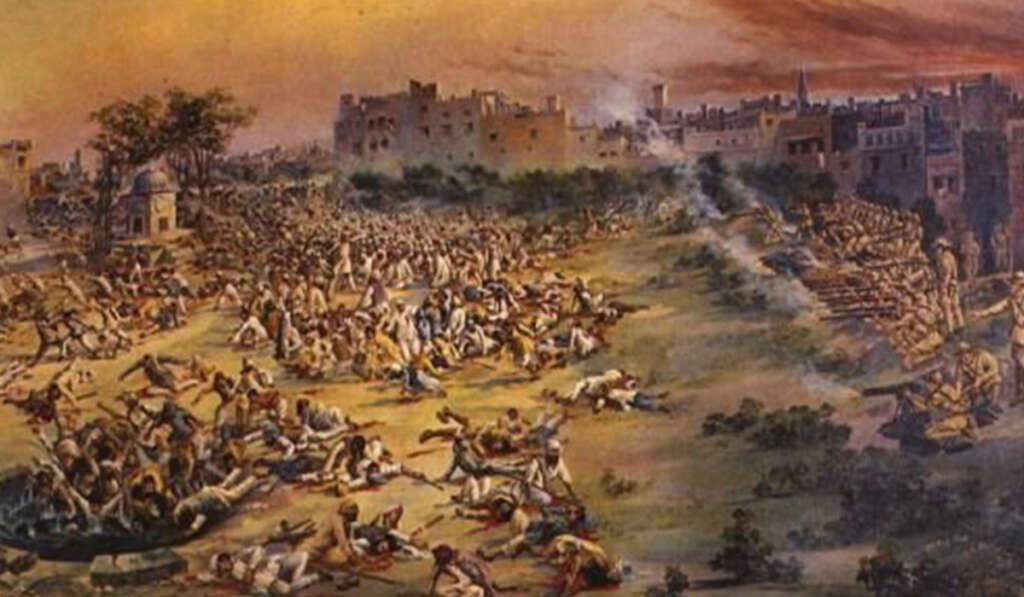
By evening, Punjabis had assembled in the Bagh. The atmosphere was peaceful. Before Dyer arrived, Punjabi leaders present in the garden had already put forward two resolutions. The third resolution concerned the release of Dr. Saifuddin Kitchlew and Dr. Satyapal. At about 5 p.m., General Dyer arrived at the gate of the Bagh with his troops. Seeing Dyer’s soldiers, the Punjabis were frightened for a moment, but they gathered courage and remained seated. The speech continued.
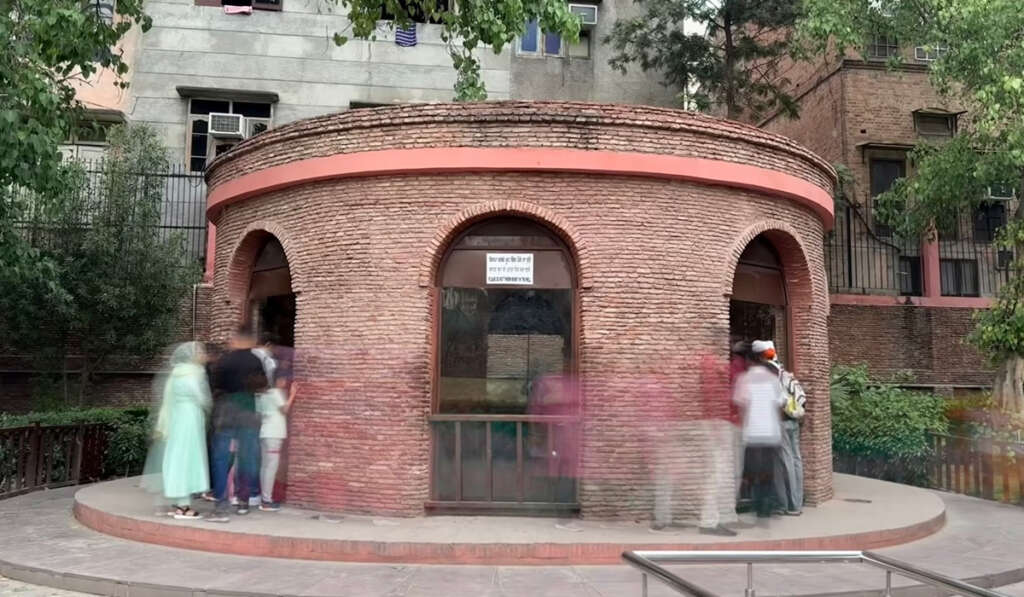
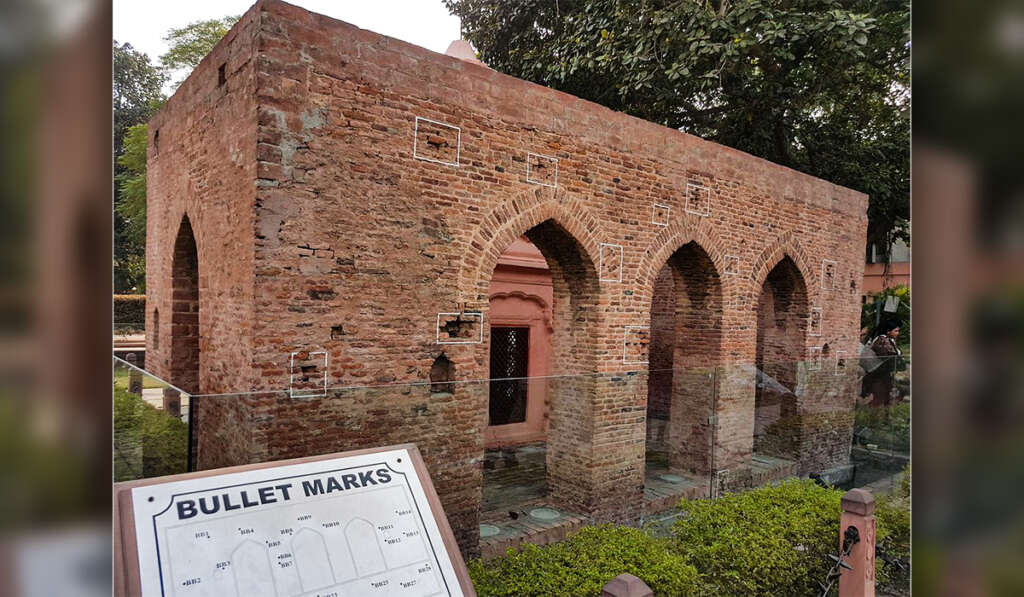
Without giving any warning or instruction, Dyer ordered his men to fire on the crowd. The firing continued for ten minutes. According to official records, 1,650 bullets were fired. To save their lives, many Punjabis jumped into a well inside the Bagh, and a large number were killed in the massacre. The soil of Jallianwala Bagh became blood-soaked. By opening fire on unarmed and innocent people, Dyer proved his cruelty, brutality, and inhumanity.
After this bloody massacre, grief and outrage spread throughout India. Different historians give different estimates of the dead. At first, the number of those killed was put at 379, but the actual number was more than 1,000. This incident made India’s freedom struggle even more determined and intense. After this event, the Indian and Punjabi people resolved firmly to free India, and they did not let the martyrdom of those killed at Jallianwala Bagh go in vain. On 15 August 1947, the country was finally freed from British rule.
Leave a Comment