

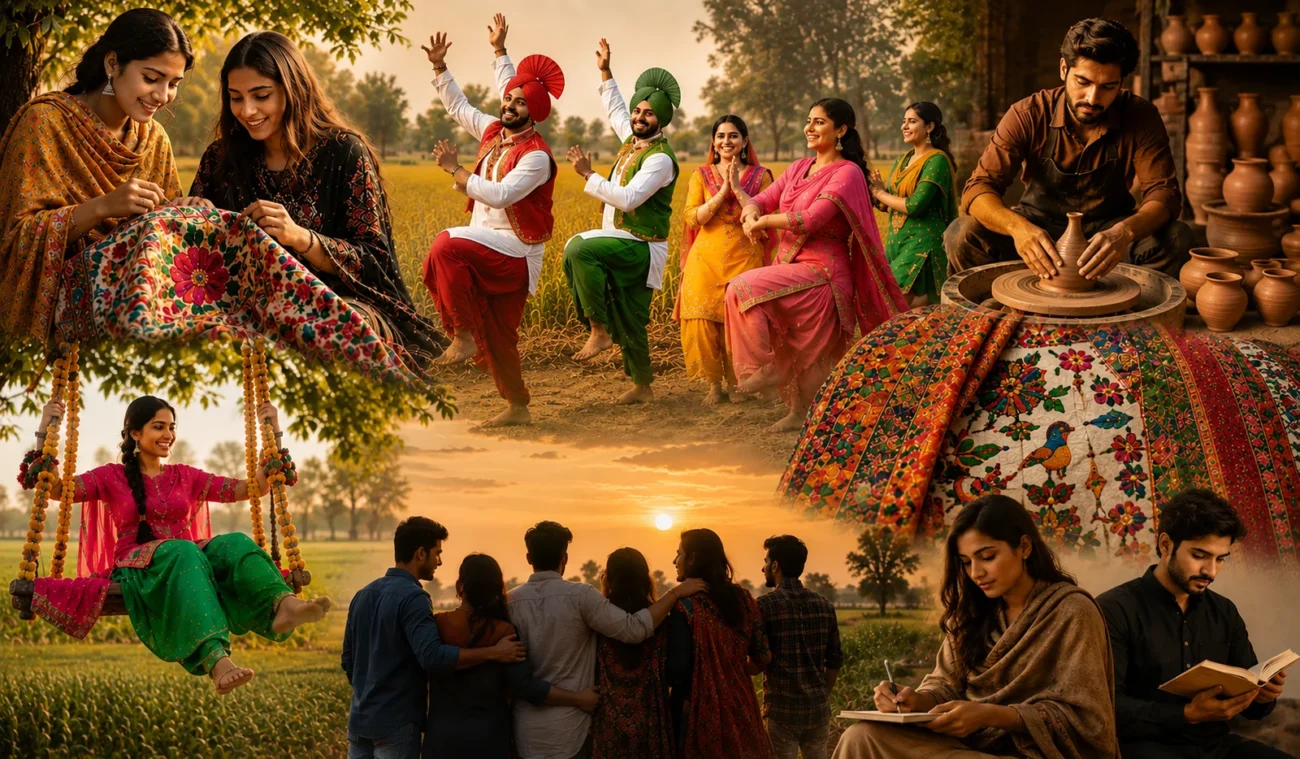

The generation once blamed for drifting away from tradition is quietly bringing Punjab’s fading cultural heritage back into everyday life. From forgotten folk songs to handcrafted Phulkari, young Punjabis are giving old customs a fresh place in the modern world.
Punjab has always been known for its rich cultural identity. Its fertile fields have produced more than crops. They have nurtured songs, stories, crafts, festivals, and customs that shaped the everyday lives of generations. For centuries, these traditions passed naturally from elders to children, becoming part of family life and community celebrations.
During the past few decades, however, many of these customs slowly disappeared from public life. Rapid urban growth, changing lifestyles, and the influence of global popular culture pushed several traditional practices into the background. Many feared that Punjab’s cultural wealth would survive only in museums, archives, and old family memories.
However, an unexpected change is unfolding. Generation Z, often described as the most digitally connected generation, is showing renewed interest in the customs of their grandparents’ generation. Young Punjabis are learning forgotten art forms, recording oral traditions, reviving folk music, and celebrating festivals with fresh enthusiasm. Their efforts suggest that technology and tradition can grow together rather than compete.
The Return of Punjab’s Folk Songs
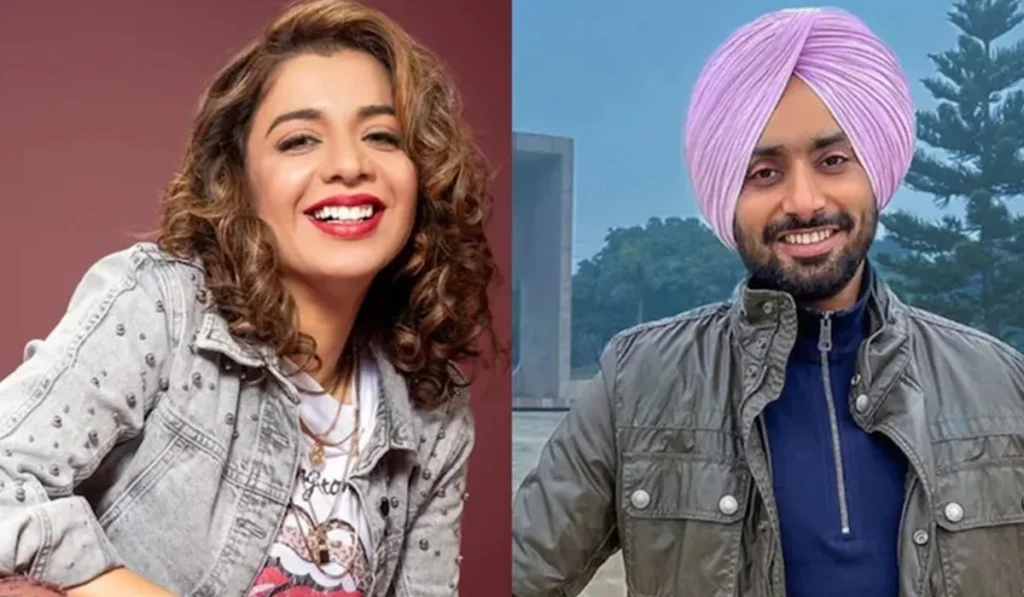
For generations, the sounds of Mahiyas, Tappay, Suhag, Ghoriyan, and Sithniyan echoed through Punjab’s villages. Women sang while drawing water from wells, working in the fields, or preparing for weddings. These songs carried stories of love, family life, humour, and everyday emotions.
As film music and commercial entertainment became more common, these traditional songs gradually disappeared from daily life. Younger audiences grew familiar with modern music, while many folk compositions were left unheard.
Today, that trend is changing. Young singers across Punjab are rediscovering these traditional melodies and sharing them through digital platforms. College festivals, cultural competitions, and local heritage events have become important spaces where students learn and perform folk music. Cities such as Amritsar, Ludhiana, and Patiala regularly host programmes that encourage young performers to preserve Punjab’s musical traditions.
Many families are also recording elderly relatives singing songs that had never been formally documented. These recordings are becoming valuable cultural records for future generations.
Phulkari Finds a New Generation of Artists
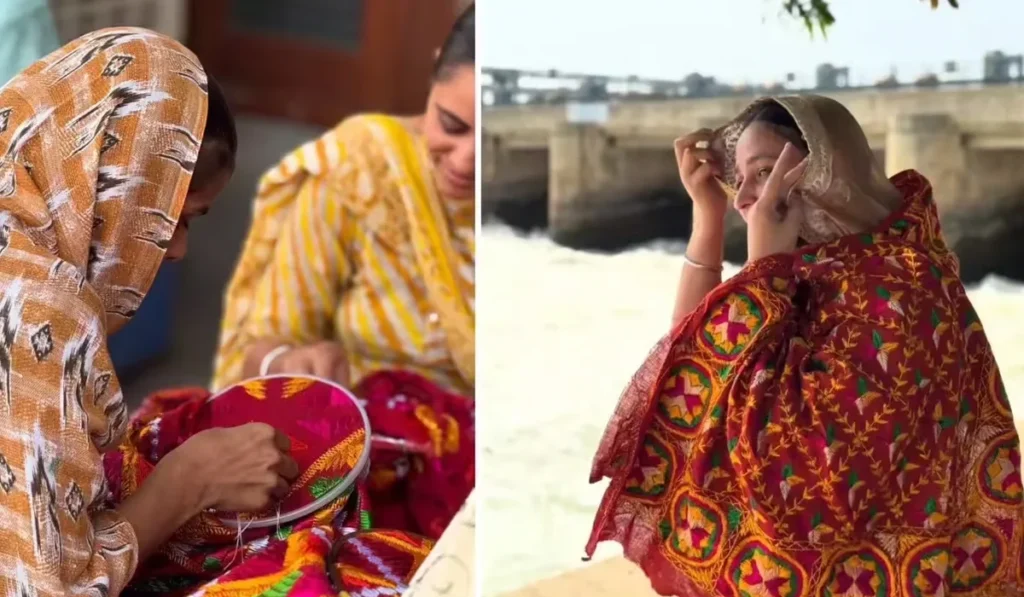
Phulkari has long been one of Punjab’s finest textile traditions. Every carefully stitched pattern carried personal meaning. Mothers and grandmothers embroidered colourful shawls and dupattas for daughters as symbols of affection, blessings, and family heritage.
As machine-produced clothing became widely available, fewer families continued this time-consuming craft. Skilled artisans found fewer buyers, and many traditional embroidery techniques were at risk of disappearing.
Young women are now helping restore Phulkari’s place in everyday life. Many have learned traditional embroidery from older family members, while others have studied the craft through workshops and community organisations. Small businesses started by young entrepreneurs are introducing authentic Phulkari products to customers across India and overseas.
Instead of limiting Phulkari to wedding gifts, designers are incorporating traditional embroidery into scarves, jackets, handbags, and home furnishings. This wider use has created fresh opportunities for artisans while keeping traditional techniques alive.
Bhangra and Giddha Continue to Thrive
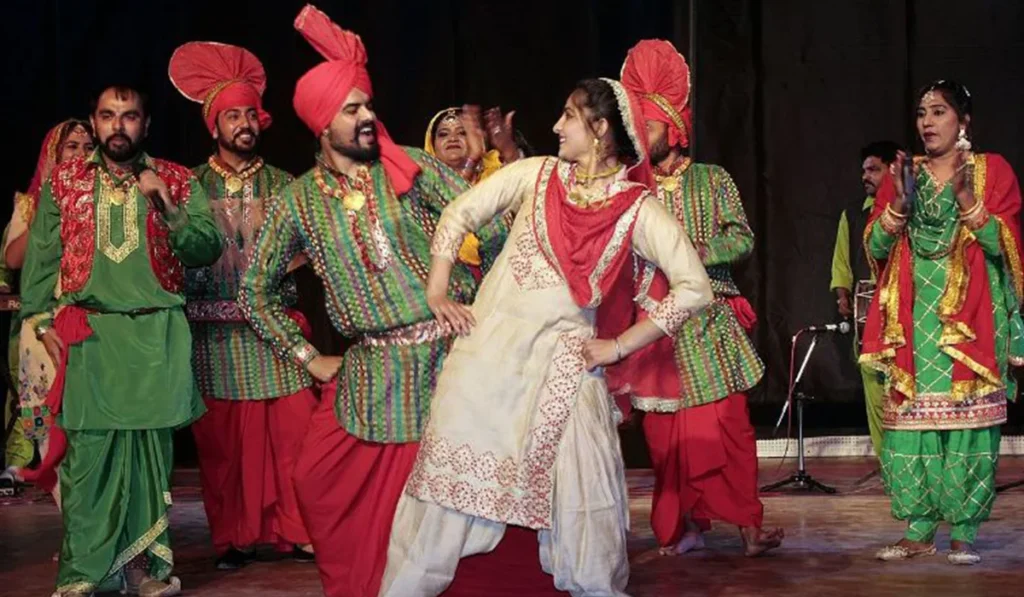
Few cultural expressions represent Punjab more strongly than Bhangra and Giddha. These energetic dance forms celebrate harvests, festivals, weddings, and community gatherings. Their rhythms have travelled far beyond Punjab and are recognised worldwide.
A few years ago, many observers believed Western dance styles and electronic music would gradually replace traditional performances. Instead, young Punjabis have renewed interest in learning authentic Bhangra and Giddha.
Universities and colleges have expanded cultural clubs that offer students formal training from experienced performers. Competitive events have encouraged participants to study traditional costumes, instruments, and dance movements with greater care.
Punjabi communities living in Canada, the United States, the United Kingdom, and Australia have also played an important role. Their cultural festivals regularly feature Bhangra and Giddha competitions that attract large numbers of young participants, strengthening ties between overseas Punjabis and their cultural roots.
The Revival of Pottery and Clay Crafts
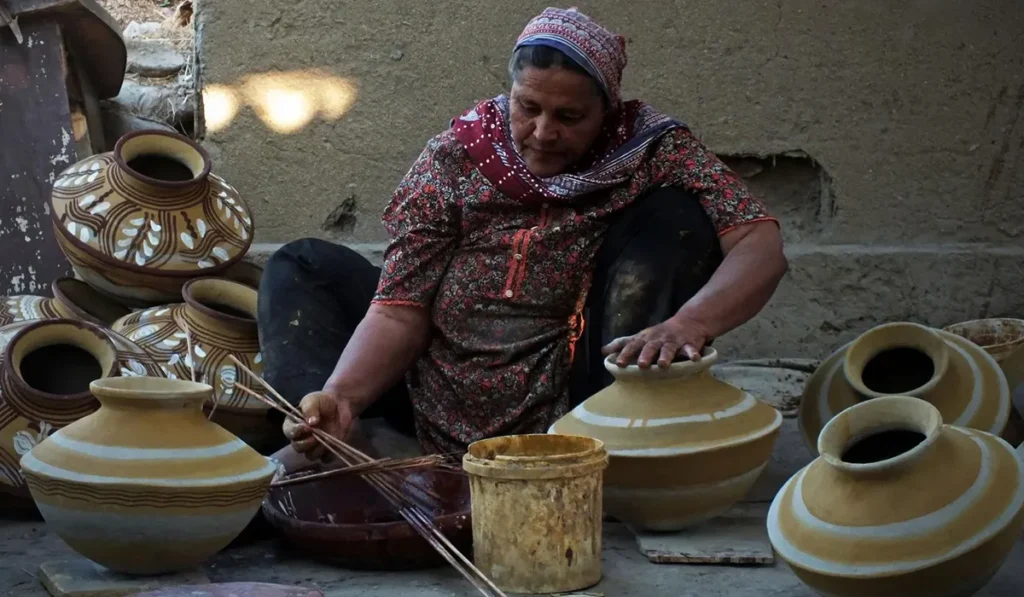
Punjab’s pottery tradition stretches back centuries. Potters once produced earthen pitchers, cooking vessels, lamps, bowls, and household items that were part of daily village life.
The widespread use of plastic, steel, and factory-made products greatly reduced demand for handmade clay items. Many potters struggled to continue their profession.
Recently, pottery has found a new audience among younger people. Workshops introducing traditional pottery techniques attract students, artists, and working professionals interested in learning handcrafted skills. Growing concern about environmentally friendly products has also increased demand for reusable clay utensils and decorative pieces.
Several young entrepreneurs now work directly with traditional potter families, helping them reach wider markets through exhibitions and online stores. Their efforts provide income while protecting an important part of Punjab’s craft heritage.
Festivals That Strengthen Community Bonds
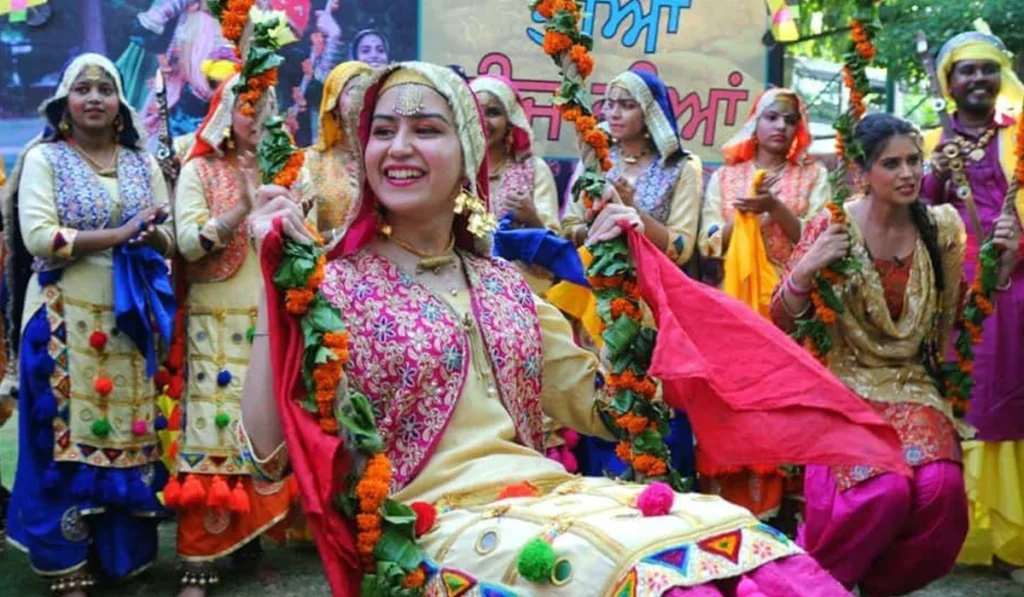
Punjab’s festivals have always represented much more than annual celebrations. They strengthen neighbourhood relationships, preserve local customs, and bring families together.
Festivals such as Teeyan once filled villages with colourful gatherings where women wore traditional clothing, sang folk songs, danced Giddha, and enjoyed swings decorated for the monsoon season. Lohri celebrations brought entire communities together around bonfires, while families sang traditional songs passed down from one generation to another.
Although some of these customs had begun to fade, younger Punjabis are helping restore their popularity. Cultural organisations, schools, and community groups now organise Teeyan events that encourage participation from children and young adults.
Lohri songs that were once heard mainly in villages are reaching wider audiences through recordings, documentaries, and live performances. Young photographers, filmmakers, and researchers are documenting these festivals so that future generations can better understand their cultural significance.
Protecting Punjabi Literature and Oral Storytelling
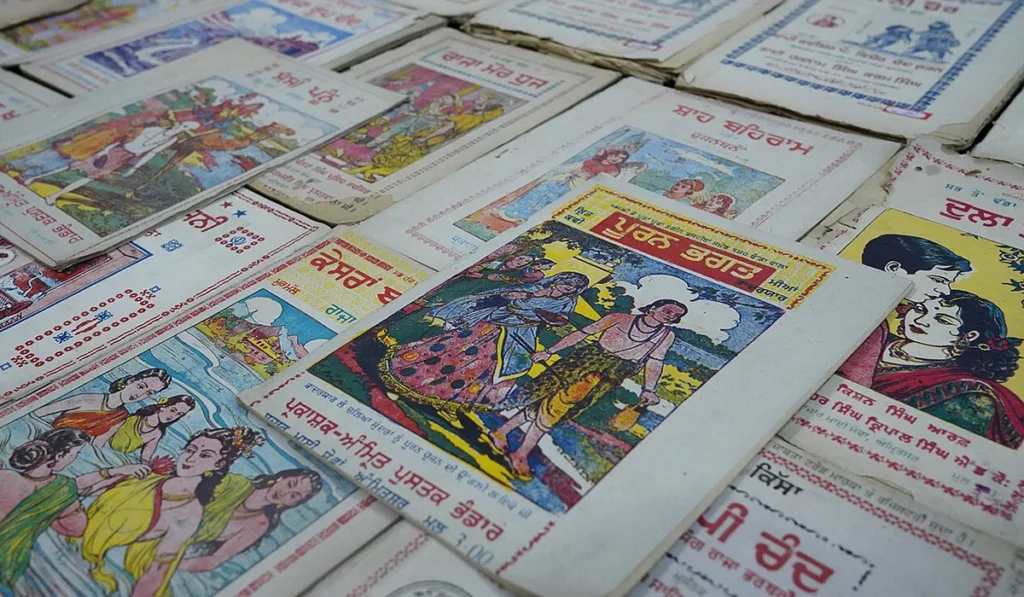
Punjab’s literary tradition remains one of its greatest cultural treasures. The poetry of Waris Shah, Bulleh Shah, and Shah Hussain continues to influence readers across generations. Classical love stories such as Heer Ranjha and Mirza Sahiban remain central to Punjabi storytelling.
For many years, fewer young readers engaged with these literary works. Today, writers, educators, and artists are introducing them through modern formats such as audio recordings, public readings, podcasts, and community discussions.
Online Punjabi language groups have also encouraged younger audiences to read, write, and speak their mother tongue with greater confidence. These efforts are helping preserve both literary heritage and everyday language.
A New Chapter for Punjab’s Cultural Heritage
Generation Z is proving that cultural preservation does not require rejecting modern life. Young Punjabis are using today’s technology to protect traditions that were once in danger of disappearing. A smartphone can record a grandmother singing an old Mahiya. A digital marketplace can support a Phulkari artisan. A cultural festival can introduce students to traditional dance for the first time.
Punjab’s heritage has always adapted to changing times without losing its identity. That ability continues today through a generation determined to reconnect with its roots.
If this renewed interest continues, many customs once considered forgotten may once again become familiar parts of everyday life. Punjab’s traditions were shaped over centuries through the lives of ordinary people. Their future now rests in the hands of young people who have chosen to preserve them with both respect and renewed purpose.
Leave a Comment