
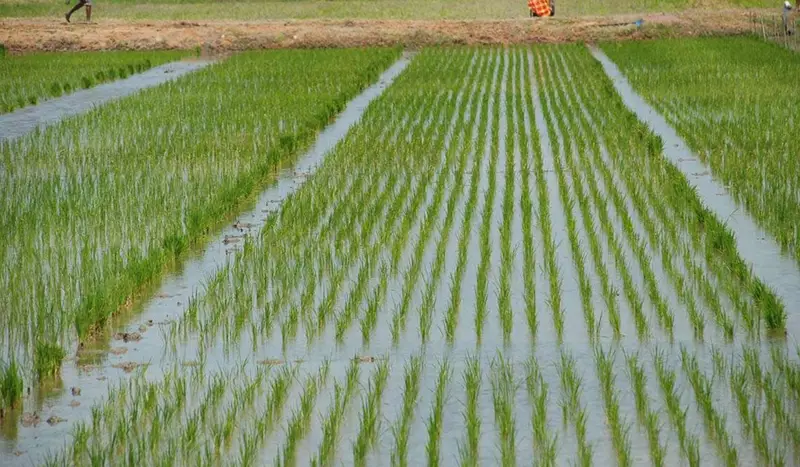

As Punjab’s groundwater levels sink to alarming lows, a simple change in rice cultivation is emerging as one of the state’s strongest hopes for conserving water, cutting farming costs, and securing agriculture for future generations.
Punjab has long been celebrated as the land of five rivers, a region whose prosperity has always been tied to its abundant water resources. Today, however, that identity faces an unprecedented challenge. The state’s groundwater reserves are declining at an alarming pace, raising serious concerns among scientists, agricultural experts, and policymakers. If this trend continues unchecked, Punjab could face severe water shortages that threaten both farming and rural livelihoods in the coming decades.
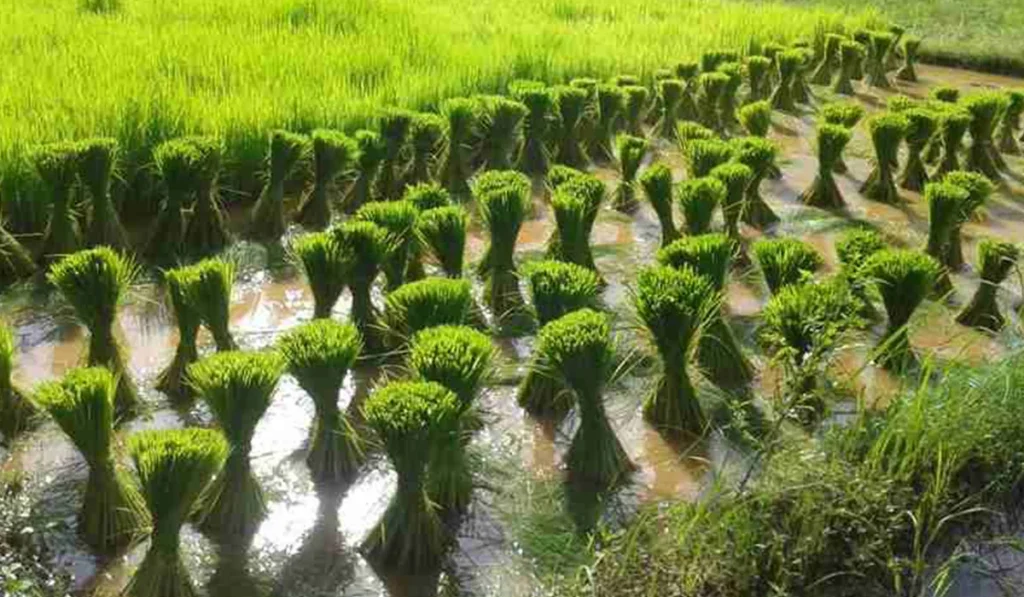
The crisis is closely linked to the state’s agricultural practices. Rice, the dominant crop during the kharif season, requires substantial water under conventional cultivation methods. Fields are continuously flooded for several days before and after transplantation, resulting in massive losses from evaporation and unnecessary water use. Every season, billions of litres of precious groundwater are pumped from underground aquifers to maintain standing water in paddy fields.
With groundwater levels falling year after year, experts believe Punjab must embrace farming techniques that use water more efficiently without reducing productivity. One such method is Direct Seeding of Rice (DSR), particularly the Tar Wattar method, which is gaining recognition as a practical solution for sustainable rice cultivation.
What Is the Tar Wattar Method?
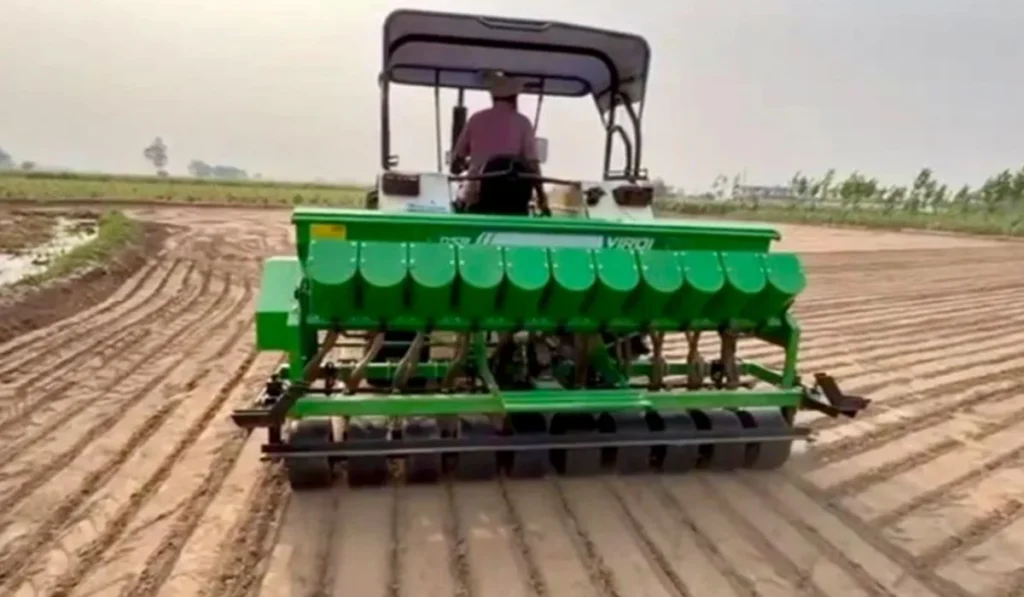
According to Agriculture Development Officer Dr. Jaspreet Singh, the Tar Wattar method is one of the most advanced and dependable forms of direct rice seeding.
The process begins by irrigating the field. Once the soil reaches a moist, workable condition known as “Tar Wattar,” rice seeds are sown directly in the field using a specialised DSR drill. Unlike traditional transplantation, seedlings are not raised separately or transplanted manually.
Immediately after sowing, farmers apply a recommended pre-emergence herbicide to prevent weeds from competing with the young rice plants. Proper weed management during the early stages is crucial to the success of this cultivation method.
Saving Water Without Compromising Production
The greatest advantage of direct seeding lies in its remarkable water efficiency. Unlike conventional paddy cultivation, which keeps fields submerged for extended periods, the Tar Wattar method does not require standing water after sowing. Agricultural experts recommend delaying irrigation until about 21 days, allowing the crop to establish while significantly reducing unnecessary water use. This single change can save 15-20 percent of irrigation water, a substantial reduction in a state where groundwater depletion has become one of the most pressing environmental concerns.
The benefits extend beneath the soil as well. Traditional puddling creates a compact layer that blocks the natural movement of water through the soil. Since direct seeding eliminates puddling, soil pores remain open, allowing rainwater to percolate more effectively into the ground. Experts estimate that this improves groundwater recharge by 10 to 12 percent, helping replenish underground aquifers rather than further exhausting them.
Lower Costs and Greater Farm Efficiency
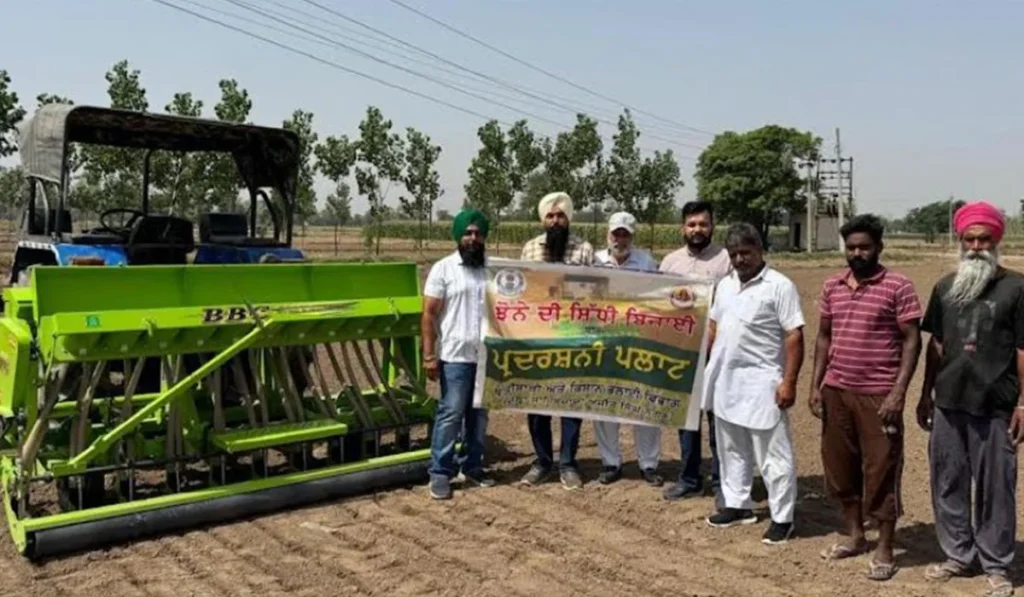
Direct seeding also offers significant economic advantages. Farmer Lavrinder Singh Mundi, who has successfully adopted the technology, says labour shortages during the paddy transplantation season have become a serious challenge across Punjab. Migrant labour has become scarce, and wages rise sharply during peak planting periods.
Since direct seeding relies on machinery rather than manual transplantation, labour requirements are drastically reduced. Farmers can save thousands of rupees per acre by simply avoiding costly transplanting operations.
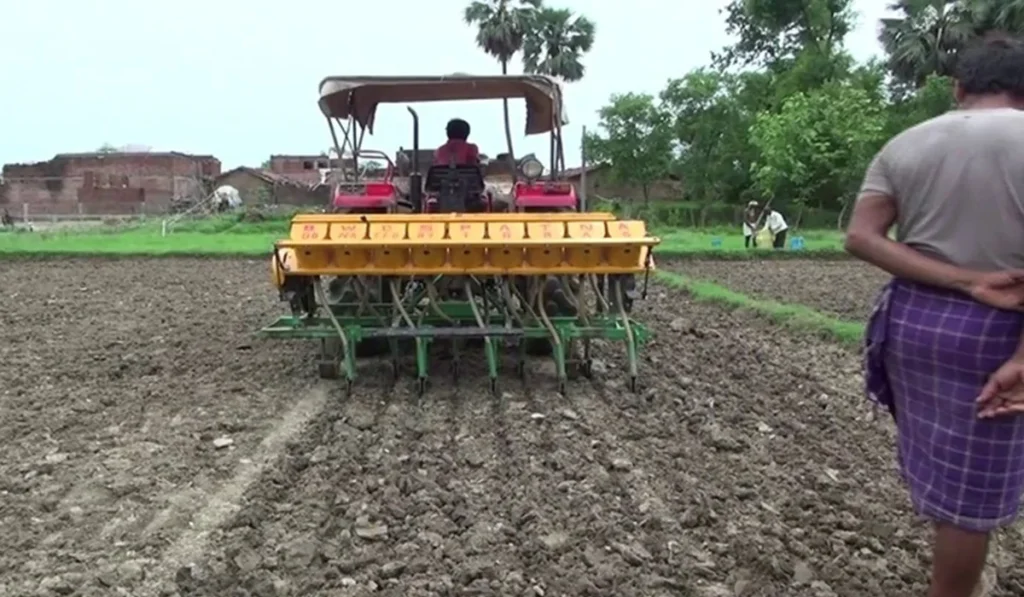
The method also reduces diesel consumption. Conventional rice cultivation requires repeated tractor operations to puddle fields before transplantation. Direct seeding eliminates this step, reducing fuel costs and lowering electricity consumption for operating tube wells for irrigation. These combined savings improve farm profitability at a time when cultivation expenses continue to rise.
Better Soil Health for Future Crops
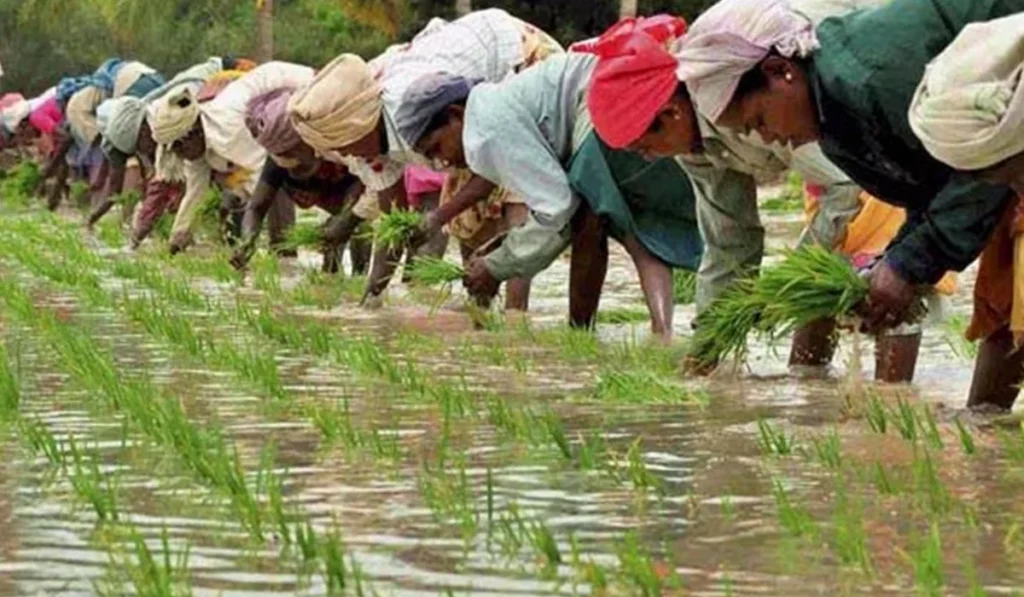
The advantages of direct seeding continue even after the rice harvest. Repeated puddling often creates a hard pan beneath the soil surface. This compact layer restricts root growth and affects the performance of the following wheat crop.
According to Lavrinder Singh Mundi, fields under direct seeding do not develop this hard layer. Wheat roots penetrate deeper into the soil, allowing plants to absorb nutrients and moisture more efficiently. As a result, wheat yields are often better than those obtained from conventionally prepared paddy fields. Improved soil structure also contributes to healthier farmland over the long term, making agriculture more sustainable.
Government Incentive Encourages Adoption
To promote water conservation and encourage farmers to adopt modern cultivation practices, the Punjab Government has introduced financial assistance for direct rice seeding. Agriculture Officer Dr. Shubhkaran Singh said farmers adopting DSR will receive an incentive of ₹1,500 per acre.
To claim the benefit, farmers must register on the Agriculture Department’s designated online portal before or during cultivation. Department officials will visit the fields to verify that direct seeding has been carried out in accordance with the prescribed guidelines.
After successful verification, the incentive amount will be transferred directly to farmers’ bank accounts. The financial support is intended to reduce initial hesitation among farmers while encouraging wider adoption of water-saving technology.
Precautions for Successful Direct Seeding
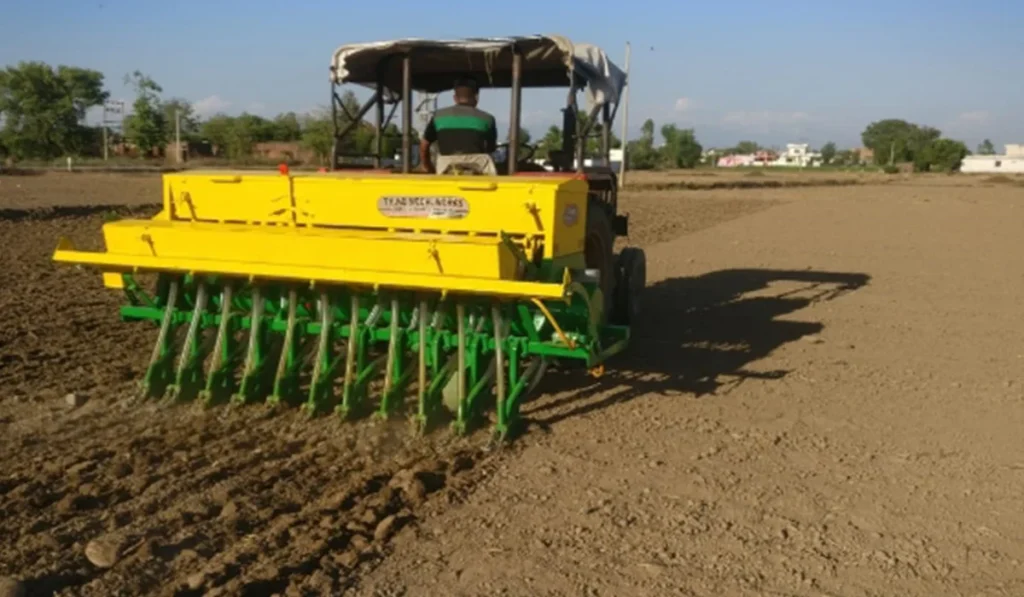
Agricultural experts emphasise that proper field management is essential for achieving good results. The field should be carefully levelled to ensure uniform soil moisture across the entire area. Certified seed should always be used, and seed treatment before sowing is recommended to minimise disease problems during crop establishment.
Weed control requires particular attention. Herbicide should be applied within 24 hours of sowing, provided sufficient soil moisture is present. Delayed application can lead to heavy weed infestation and reduced crop performance.
In some fields, iron deficiency may cause rice leaves to turn yellow during early growth. Experts advise farmers to apply ferrous sulphate as recommended if deficiency symptoms appear. Regular consultation with agriculture officers can help farmers address such issues promptly and improve crop performance throughout the season.
Protecting Punjab’s Water for the Next Generation
Punjab’s groundwater crisis cannot be solved solely through government policies. Meaningful change depends on farmers adopting practices that balance productivity with conservation.
Direct Seeding of Rice represents far more than a new farming technique. It offers an opportunity to reduce groundwater extraction, lower cultivation costs, improve soil health, and strengthen the long-term sustainability of Punjab’s agriculture.
Farmers like Lavrinder Singh Mundi demonstrate that modern agricultural practices can protect both farm incomes and natural resources. Their experience shows that environmental responsibility and economic benefit can go hand in hand.
Chief Agriculture Officer Dr. Sukhjinder Singh Bajwa has urged farmers across the state to move beyond conventional methods and adopt scientifically proven technologies. He has encouraged them to stay connected with Agriculture Department officials, conserve groundwater, and make full use of the government’s ₹1,500 per acre incentive.
Punjab’s agricultural success has always depended on water. Preserving that resource is no longer simply an environmental concern. It has become a necessity for protecting the state’s economy, ensuring food security, and safeguarding the future of future generations. Every acre brought under direct seeding is another step towards securing Punjab’s most valuable natural resource before it is too late.



Leave a Comment