
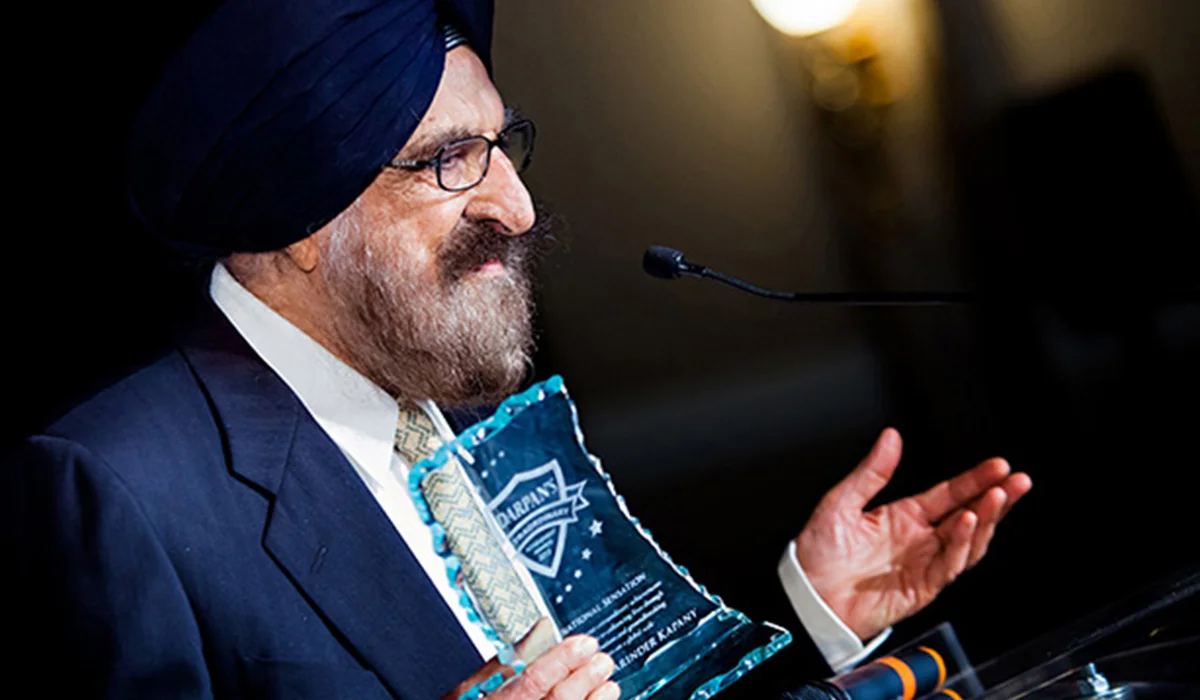

The Punjabi Scientist Who Challenged a Scientific Belief and Changed Modern Communication
For centuries, one scientific idea remained largely unquestioned. Light, scientists believed, could travel only in a straight line. It was accepted as a basic law of physics and taught in classrooms across the world. Then a young student from Punjab began asking a simple question. What if light could be guided along a curved path without losing its strength?
That question eventually transformed global communication.
Every video call, high-speed internet connection, international telephone network, and undersea data cable used today rests upon a scientific breakthrough that began with the work of Dr Narendra Singh Kapany. Recognised around the world as the Father of Fibre Optics, the Punjabi physicist challenged accepted thinking during the early 1950s and laid the foundation for one of the greatest technological advances of the modern era.
His discovery reshaped communication, influenced medical science, inspired generations of researchers, and established India as the birthplace of one of the twentieth century’s most influential scientific minds.
A Curious Student From Punjab
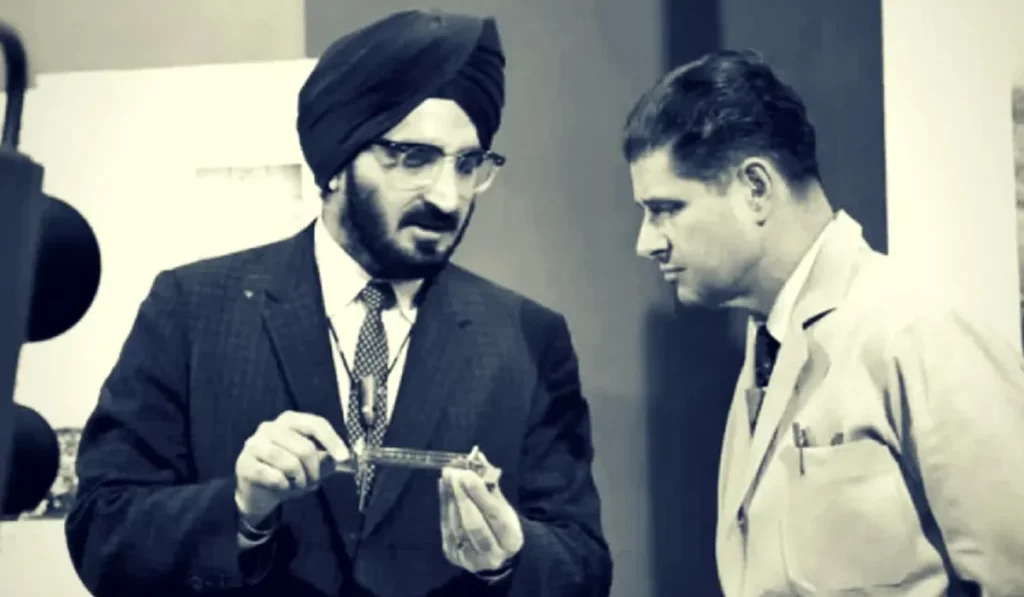
Dr Narendra Singh Kapany was born on 31 October 1926 in Moga, Punjab. From an early age, he displayed an unusual curiosity about science and the natural world. Rather than accepting ideas simply because they appeared in textbooks, he preferred asking questions that others overlooked.
While studying at Agra University, one classroom lesson stayed with him. His physics professor explained that light always travels in a straight line. Most students accepted the statement without hesitation. Kapany did not.
He believed there had to be another possibility. He wondered whether light could be bent and guided through a different path while remaining useful. That question became the starting point of a scientific journey that would eventually influence the lives of billions.
The Experiment That Changed Scientific History
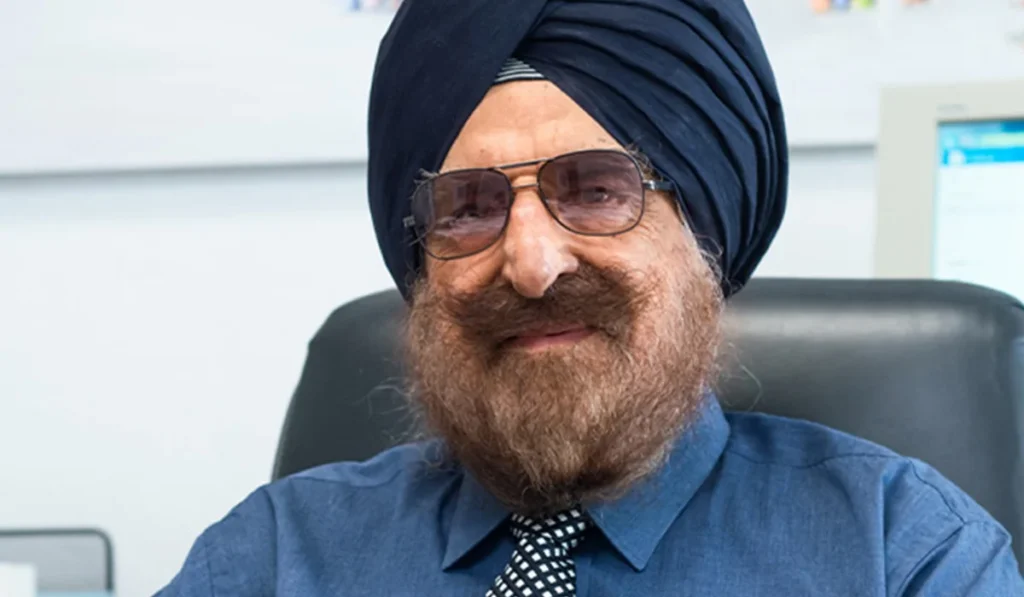
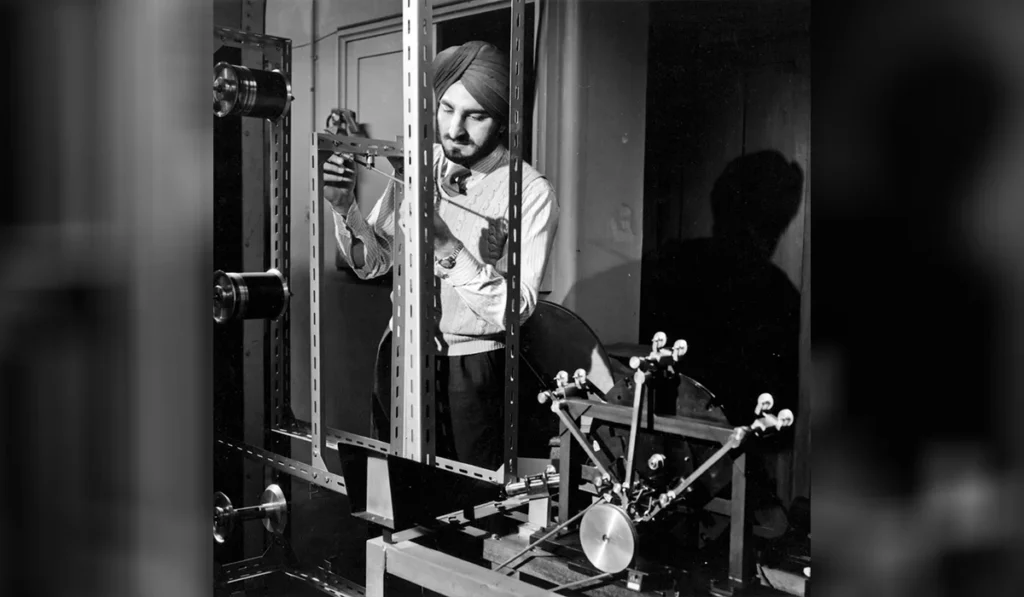
In 1952, Kapany moved to Imperial College London to pursue doctoral research under the guidance of renowned physicist Harold Hopkins. Working with extremely thin strands of glass, the two researchers attempted something many scientists considered impossible. In 1953, they successfully transmitted light through bundles of fine glass fibres while preserving the image quality.
This achievement demonstrated that light could indeed travel through carefully designed curved glass fibres instead of moving only in a straight line through open space. Kapany later introduced the term “fibre optics,” which eventually became standard in scientific literature and industry. His work marked the beginning of a completely new branch of applied physics and engineering.
Building the Backbone of the Digital Age
The importance of fibre optics became clearer with every passing decade. Modern communication networks depend on bundles of glass fibres thinner than a human hair. These fibres carry enormous amounts of information across cities, countries, and oceans at remarkable speed.
Today, fibre optic cables form the backbone of the global internet. Telephone systems, cable television services, cloud computing, banking networks, and high-speed broadband all rely on the same principle demonstrated by Kapany during his early experiments.
Thousands of kilometres of fibre optic cables now lie beneath the world’s oceans, linking continents through vast communication networks. Data that once required hours or days to travel now moves across the globe within seconds. Without this technology, today’s digital economy would not exist in its present form.
A Discovery That Extended Beyond Communication
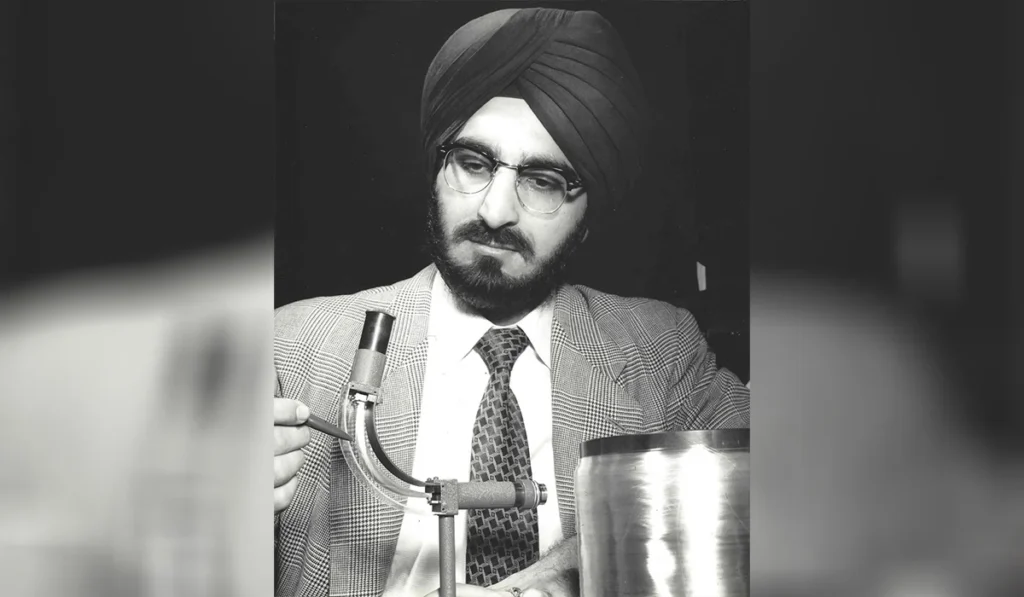
Kapany’s contribution was never limited to telecommunications. His research opened entirely new possibilities in medicine, allowing doctors to see inside the human body without major surgery. Modern endoscopy relies on fibre-optic technology to transmit clear images from inside the body. Gastroscopy, bronchoscopy, and several other diagnostic procedures also rely on fibre-optic systems.
Laser-based surgical techniques benefited from the same scientific principles. Fibre optics enabled doctors to guide light with exceptional precision during delicate medical procedures. Photodynamic therapy, used in certain cancer treatments, also builds on developments enabled by fibre-optic technology. These medical applications improved diagnosis, reduced recovery time, and expanded treatment options for millions of patients worldwide.
The Scientist Behind “The Man Who Bent Light”
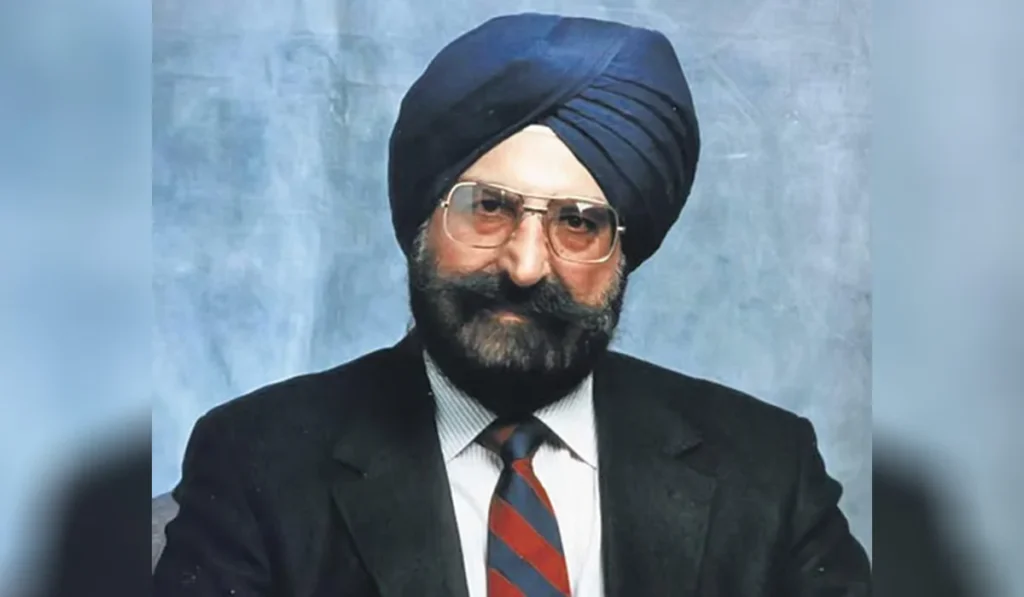
Dr Kapany documented his remarkable journey in his autobiography, The Man Who Bent Light. The book offers far more than a scientific memoir. It reveals the life of a researcher who combined scientific discipline with creativity, entrepreneurship, and public service.
Throughout the narrative, readers encounter a man who remained curious despite repeated challenges. He approached every problem with patience and treated each setback as another opportunity to learn. His career demonstrates how scientific discovery often begins with a willingness to question accepted ideas rather than simply accepting established beliefs.
Recognition Arrived, But One Honour Remained Elusive
Many scientists have argued that Dr Kapany deserved the Nobel Prize for his pioneering contribution to fibre optics. His breakthrough came in 1953, long before fibre optic communication became commercially widespread.
However, the 2009 Nobel Prize in Physics recognised Charles K. Kao for achievements related to transmitting light through optical fibres for communication. This decision led many researchers and historians of science to note that Kapany’s earlier work had laid the scientific foundation for later developments.
Despite these discussions, Kapany never publicly pursued controversy. He remained focused on scientific progress rather than personal recognition. His quiet dignity earned respect throughout the international scientific community.
Honours That Reflected His Global Influence
Although the Nobel Prize never came his way, Dr Kapany received several prestigious honours during his lifetime. In 1999, Fortune magazine included him among seven Unsung Heroes whose contributions had significantly influenced the modern world but had not received equal public recognition.
The Times also listed him among the most distinguished scientists of the twentieth century. India honoured him with the Padma Vibhushan, the country’s second-highest civilian award, recognising his extraordinary contribution to science and technology.
Over the course of his career, Kapany secured more than 120 patents covering fibre optics, laser technology, communication systems, and medical devices. His work reflected both scientific originality and practical innovation.
Science Never Separated Him From His Roots
Despite building his career abroad, Kapany remained deeply connected to his Punjabi and Sikh heritage. In 1967, he established the Sikh Foundation in the United States to preserve and promote Sikh history, culture, and artistic traditions.
The foundation organised major exhibitions of Sikh art at internationally respected museums, including London’s Victoria and Albert Museum. It also supported permanent Sikh art galleries in North America, helping introduce global audiences to Sikh history through paintings, manuscripts, and historical artefacts.
During periods when public understanding of Sikh history faced serious challenges, the foundation continued presenting carefully researched exhibitions that highlighted the community’s rich cultural heritage. Kapany also supported Sikh Studies programmes at universities, encouraging academic research into Sikh history and civilisation. His cultural work reflected the same commitment to preservation that characterised his scientific career.
A Vision That India Almost Lost
During the 1950s, Dr Kapany hoped to return to India and contribute directly to the country’s scientific development. At one stage, Prime Minister Jawaharlal Nehru reportedly considered appointing him as Chief Scientific Adviser to Defence Minister V. K. Krishna Menon.
The proposal, however, never materialised. Administrative delays and bureaucratic procedures prevented the appointment from moving forward. As a result, India lost an opportunity to bring one of its brightest scientific minds back into its national research system during a crucial period of technological growth.



Leave a Comment