

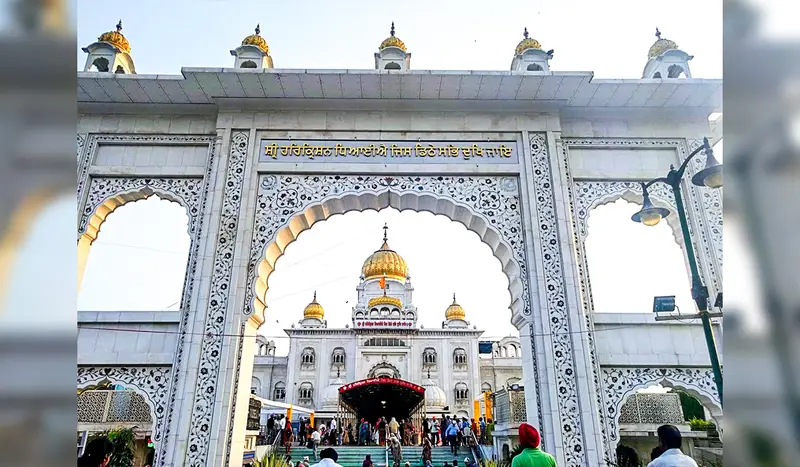

“If anyone needs a place to stay, food, or any kind of help, the doors of Gurdwara Bangla Sahib are always open to them. No one here is asked about their religion, caste, language, or identity.”
This message, shared on social media during the unusual circumstances that recently arose in Delhi, once again reminded the world of the great Sikh tradition founded on selfless service, langar, and the principle of Sarbat da Bhala, the welfare of all. The situation in the capital over a few days left many people in need of shelter, food, and a safe place. At such a time, Gurdwara Bangla Sahib once again proved that the doors of Sikh gurdwaras always remain open to every person in need.
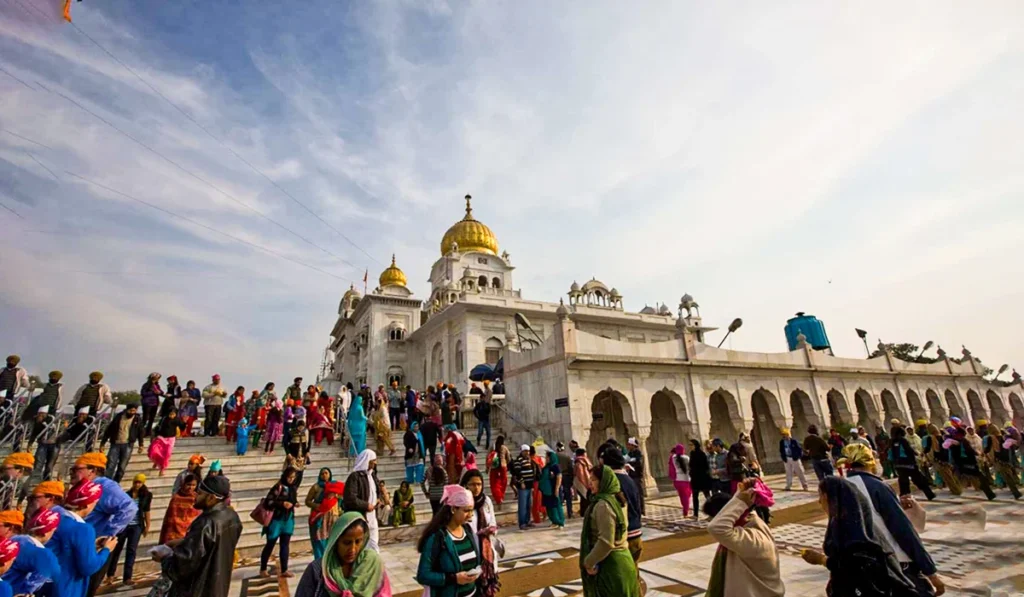
Gurdwara Bangla Sahib is not merely a place of worship, but a living symbol of service to humanity. Every day, thousands of people eat langar here, stay in the sarai, and receive different forms of assistance. No person arriving here is asked which religion, caste, or state they belong to. They are first welcomed with respect, offered water and langar, and, when required, provided with a place to stay. This is the Sikh tradition that has continued for centuries without any discrimination.
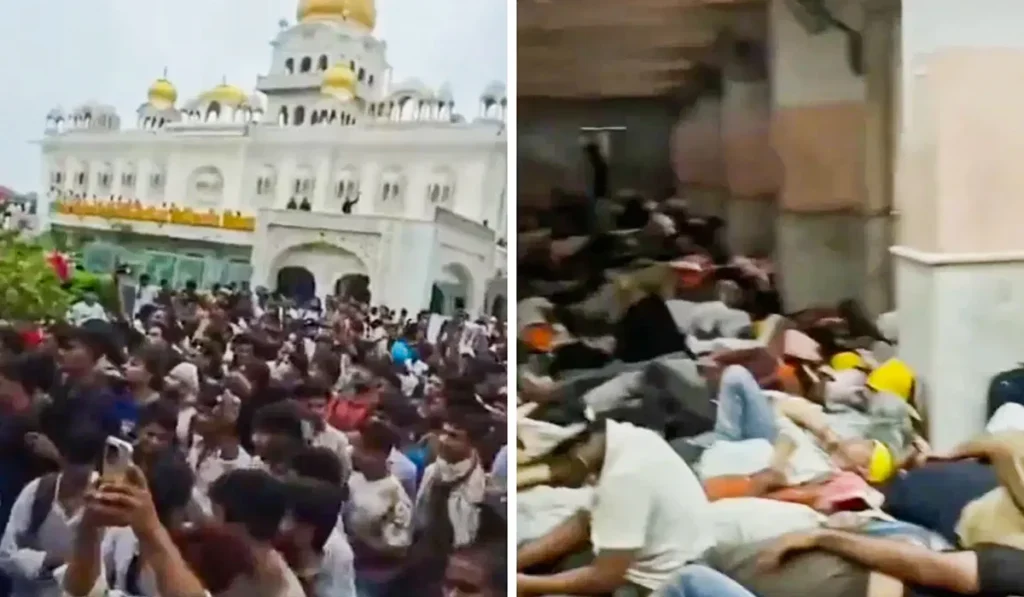
Recently, when some people in Delhi suddenly found themselves trapped in difficult circumstances, Gurdwara Bangla Sahib, Gurdwara Rakab Ganj Sahib, Gurdwara Sis Ganj Sahib, and other gurdwaras opened their doors as well. The sevadars cared for every person who arrived as if they were a member of their own family. Some were given drinking water, accommodation was arranged for others, and many people were also helped to contact their families. All of this was done without publicity or discrimination.
Throughout this period, the Delhi Sikh Gurdwara Management Committee, or DSGMC, also made it clear that there was space in the gurdwaras for every person in need and that langar service would continue without interruption. This statement was not merely an administrative announcement, but an expression of a philosophy that places a person’s needs above their identity.
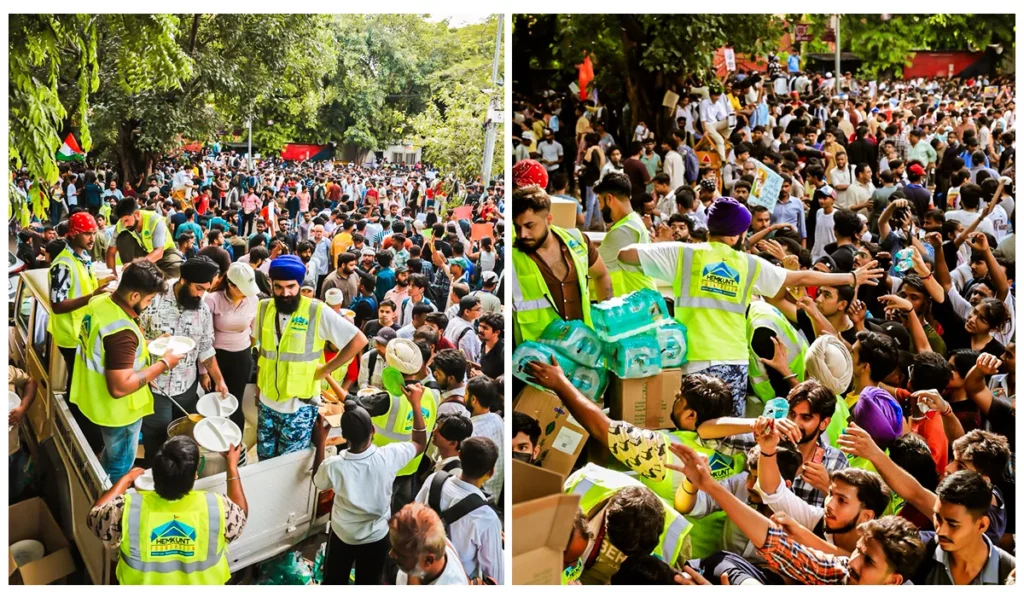
Not only the gurdwaras, but Sikh service organisations also fulfilled their social responsibility beautifully on this occasion. Volunteers from the Hemkunt Foundation delivered fresh food, water, juice, and other essential supplies to thousands of people in need. Their only aim was to ensure that no one remained hungry. Similarly, the Sachkhand Foundation carried the langar service forward in its own distinctive way. Along with distributing food, volunteers also provided first-aid kits, medicines, and other necessary assistance.
In the Sikh tradition, service is not limited to serving food. After feeding thousands of people, volunteers also cleaned the surrounding areas themselves. Plastic bottles, used plates, and other waste were collected, and the area was restored to its earlier cleanliness. This is the spirit of service that makes Sikhi not merely a religion, but a way of life.
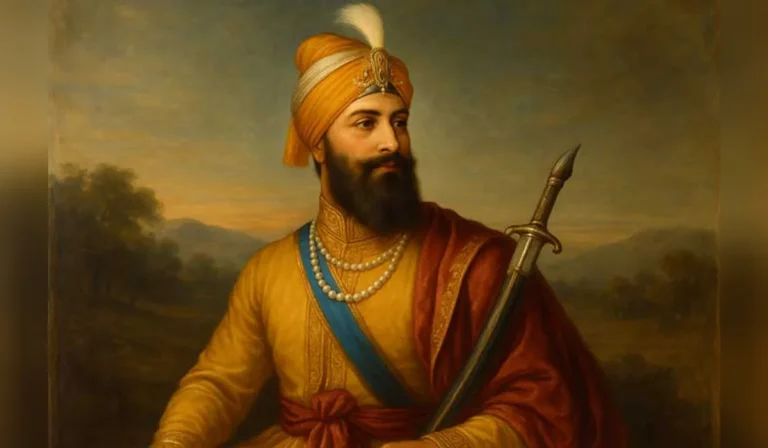
The history of Gurdwara Bangla Sahib is also deeply connected with service to humanity. The eighth Sikh Guru, Sri Guru Har Krishan Sahib Ji, selflessly served the sick during the smallpox and cholera epidemics in Delhi. Even today, the sacred water of the sarovar and the service of the Guru’s house remain a source of hope and faith for millions of people. Times have changed, but this tradition of the Guru’s house has never changed.
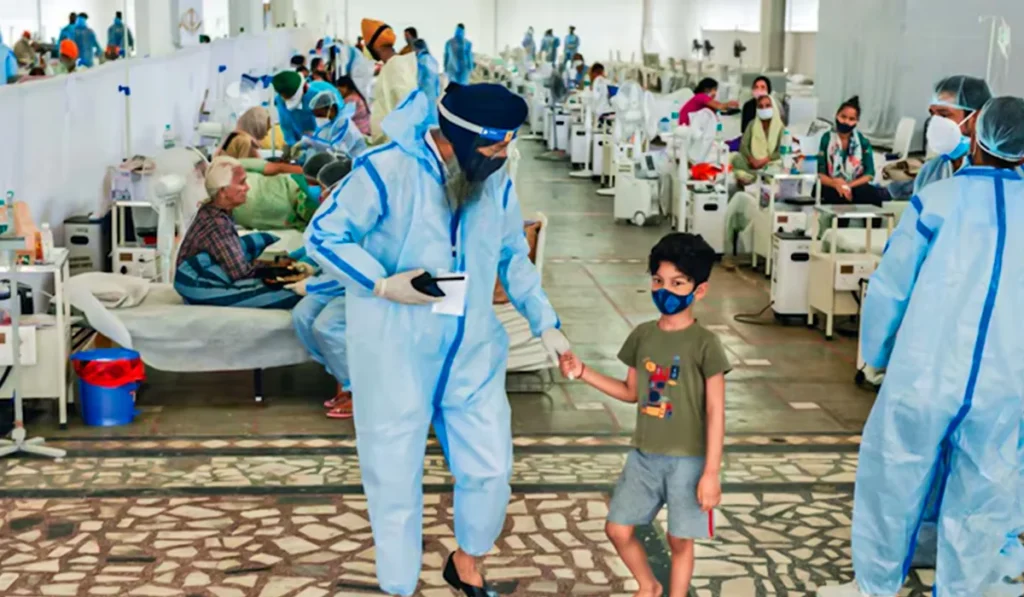
From operating oxygen langars during the coronavirus pandemic to helping people affected by natural disasters and other crises, the Sikh community has repeatedly been among the first to step forward in service. The recent events in Delhi once again conveyed the message that Gurdwara Bangla Sahib is not merely a religious place, but a symbol of humanity, compassion, and selfless service. Every person who arrives here is welcomed not according to their identity, but according to their need. Perhaps this is the greatest message of Sikhi: “Service to humanity is service to God.”

Leave a Comment