

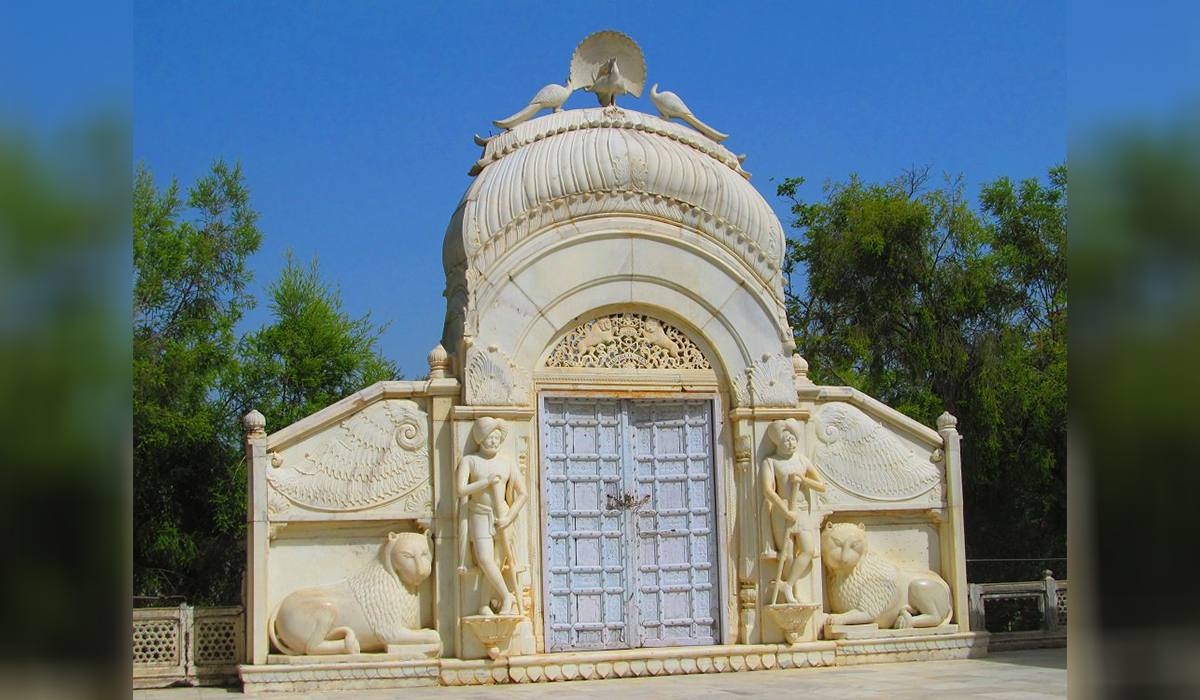

The land of Punjab is known across the world for its rich history, tales of bravery, cultural heritage and royal grandeur. Sangrur city, situated on this historic land, was once the capital of the famous Jind State. Even today, many such historic buildings are present within the city that bear witness to the grandeur and artistic excellence of the bygone royal era. Among them, Banasar Bagh and the District Museum located inside it hold a special place.
The museum located inside Banasar Bagh is not merely a place for preserving ancient objects, but it presents a living picture of the history, royal life, art, culture and heritage of the Jind State. For a long time, it remained closed to the general public and tourists due to conservation, repair and restoration work. Now, after preserving this historic heritage and giving it a new look, it has once again been opened to the public, giving new strength to Sangrur’s heritage identity.
Historical Background of Banasar Bagh
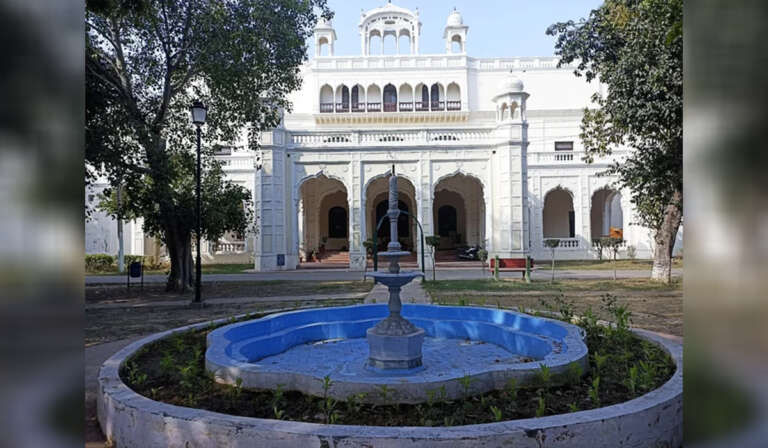
The Jind State has held an important place in the history of Punjab. The rulers of Jind made a major contribution to developing Sangrur as a planned and beautiful city. Palaces, gardens, courts and other historic buildings were constructed in the city.
Banasar Bagh is also an important part of this royal heritage. This garden was used as the summer residence of the rulers of Jind. The marble Baradari located in the middle of the garden is one of its most attractive features. Surrounded by water on all sides, this Baradari presents a magnificent example of the beauty, architecture and comforts of the royal era.
The Darbar Hall located inside Banasar Bagh is also historically extremely important. Activities related to the administrative functioning of the state used to take place here, and the rulers would hold court with their ministers, officials and people. With the passage of time, this building was converted into a museum to preserve and display rare objects related to the Jind State.
A Magnificent Example of Architecture
The importance of the Banasar Bagh Museum is not limited only to the objects kept inside it. The building itself is a wonderful blend of different artistic and architectural styles. The influences of Mughal, Rajasthani and Persian art can clearly be seen in it.
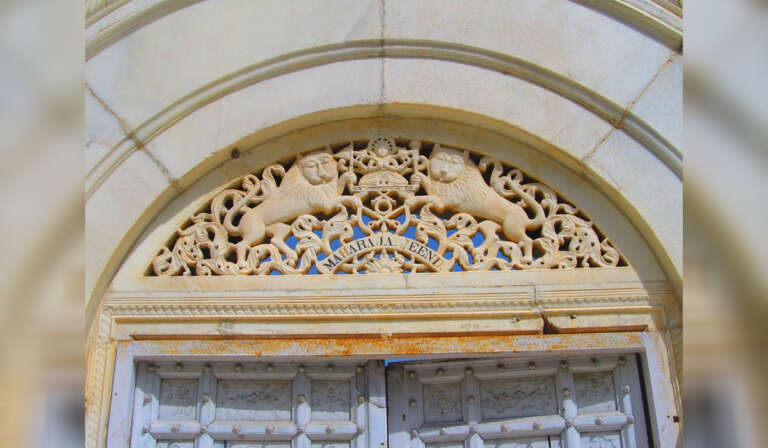
According to historical information, the foundation of this building was laid in 1870 by Maharaja Raghbir Singh, the ruler of the Jind State. Maharaja Raghbir Singh had a special interest in art, literature and architecture. During his period, an attempt was made to develop Sangrur on the lines of Jaipur, and several magnificent buildings were constructed during the same period.
The enamel work and fine gold craftsmanship done on the ceiling of the building are its distinctive features. There is mention that expert craftsmen were called from Persia for this work. The colours, patterns and decorative work used on the ceiling and in the interiors are evidence of the high level of craftsmanship of the artists of that time.
The wood carving of this building also draws special attention. The interior decoration and woodwork of the building are associated with the renowned artist and architect Bhai Ram Singh. The fine carving done on the doors, jharokhas and other wooden parts reflects the high tradition of Punjabi art.
A Collection of Rare Historical Treasures
As soon as visitors enter the museum, they feel as if they have entered an old chapter of history. Many rare objects related to the rulers of the Jind State and the royal family have been preserved here.
These include ancient weapons, swords, shields, pistols and guns. Apart from these, royal costumes, ancient documents, coins, portraits of rulers and other historical material also acquaint visitors with the royal life of that time.
The museum also contains material of religious and literary importance. Kirpans with fine gold craftsmanship and old handwritten manuscripts of religious scriptures offer a glimpse of the religious faith and artistic skill of that era.
Every object kept here is a story in itself. The weapons provide information about the warfare system of that time, the coins give a glimpse of the economic and royal administration, while paintings and costumes tell us about the royal lifestyle and artistic taste.
A New Look After Restoration
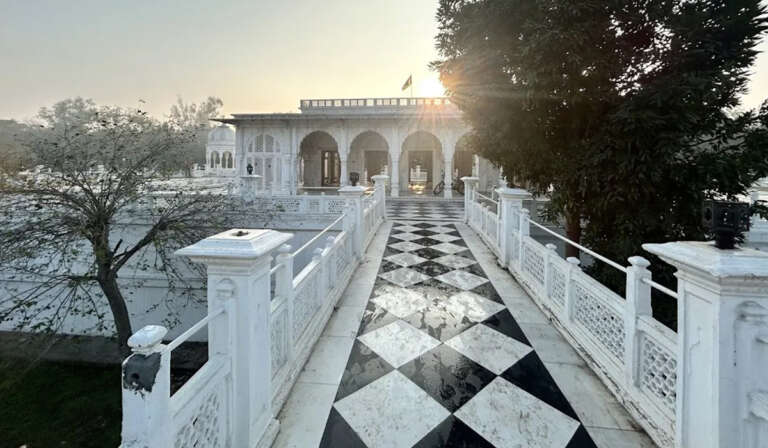
With the passage of time, historic buildings suffer damage due to natural and environmental effects. Banasar Bagh and the museum were also not untouched by this. The need for restoration was felt in order to preserve the original architecture of the building and its interior artistic heritage.
The department of the Punjab government related to tourism and cultural affairs carried out the conservation and repair work of this historic building. During this process, special attention was paid not only to strengthening the structure of the building but also to the artistic decoration of the ceiling, woodwork, lighting and other essential parts.
The main objective of the restoration was to give the building renewed strength without compromising its original architecture and historic appearance. Therefore, traditional methods and the original artistic style were kept in mind as far as possible.
The reopening of the museum to the public after restoration is being considered an important step towards the preservation of Sangrur’s heritage. This will provide an opportunity not only to local residents but also to tourists and people interested in history to visit the site.
Importance in the Eyes of Researchers
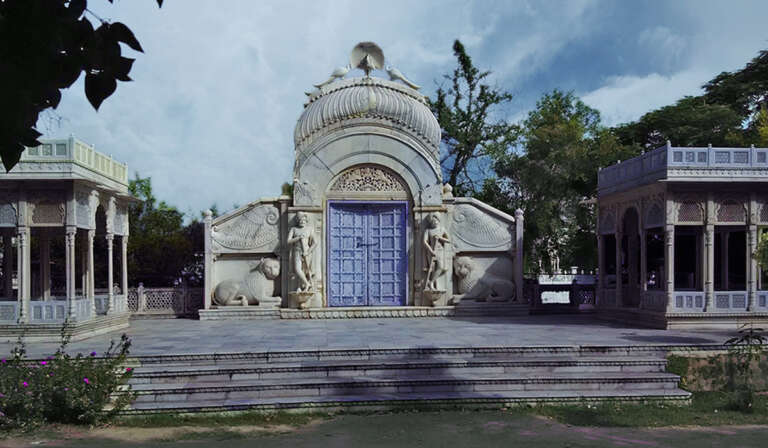
According to local researcher Rajiv Jindal, who has researched Sangrur’s historic buildings, structures such as Banasar Bagh, the royal samadhs, the Clock Tower and Ranbir Club are an invaluable part of Sangrur’s architectural heritage.
Restoring such old buildings is a much more difficult task than repairing ordinary buildings. During this process, preserving the original structure, artistic work and historic identity of the building is the biggest challenge. The conservation of Banasar Bagh Museum is an important effort from this point of view.
A Lesson in Heritage for the New Generation
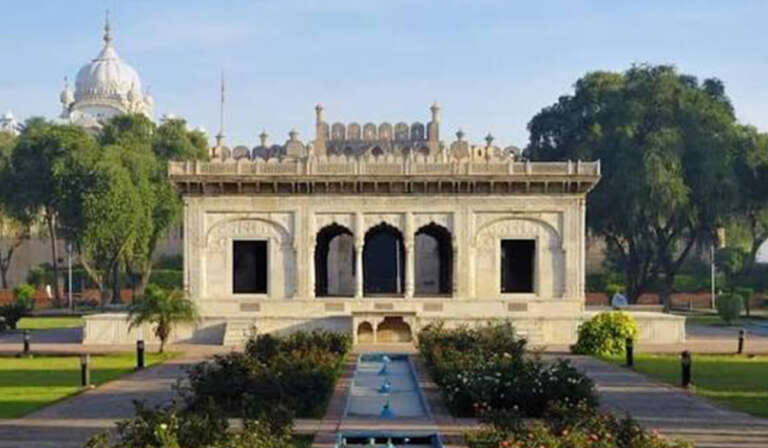
Museums are not merely places to see objects from the past. They are also important educational centres that connect the new generation with history. The objects kept in Banasar Bagh Museum give students an opportunity to understand in real form the history that they read about in books.
For students of schools, colleges and universities, such places can be extremely useful from the point of view of research and education. Through the weapons, coins, documents, paintings and artistic objects kept here, students can understand different aspects of politics, society, economy, religion and art.
Great Possibilities for Tourism
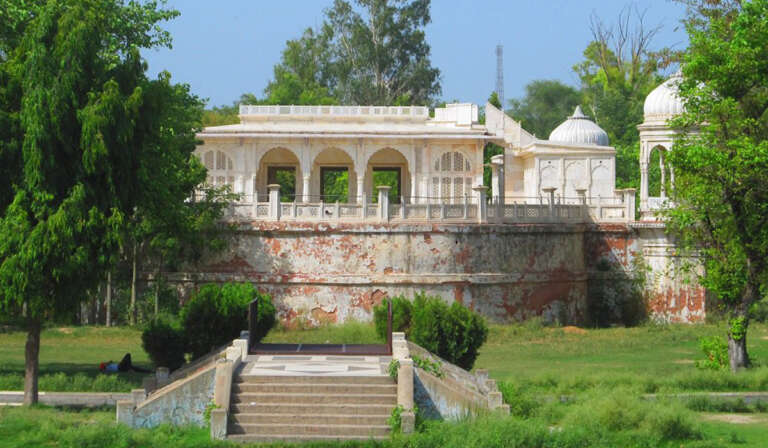
The reopening of Banasar Bagh Museum is also important for Sangrur’s tourism sector. If this site is linked with other historic buildings and developed as a heritage tourism circuit, Sangrur can establish its place among Punjab’s important heritage tourism centres.
In the future, digital guides, audio-visual shows, information centres and other modern facilities can make this museum more attractive. This will also increase the interest of young people and tourists coming from outside.
The District Museum located inside Banasar Bagh in Sangrur is a unique symbol of the rich heritage of the Jind State, Punjab’s royal tradition and high-level artistry. The architecture of its building, gold enamel work, wood carving and the rare historical objects preserved inside make it one of Punjab’s important heritage sites.
Restoring this historic building and reopening it to the public is not merely the repair of an old structure, but an effort to carry Punjab’s cultural memory and heritage to the new generation. What is needed is that such historic places be continuously preserved and connected with modern facilities.
Banasar Bagh Museum reminds us that history is not only the name of words recorded in books. History also lives in our buildings, objects, arts and heritage memories. Therefore, it is our shared responsibility to understand, preserve and safely pass on this priceless heritage to future generations.

Leave a Comment