
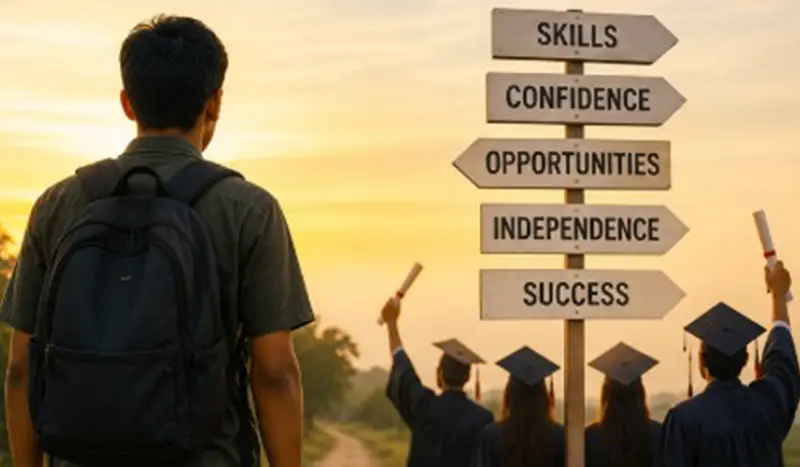

Imagine you have barely turned 18, and there is no family roof for you to return to. No one to hug you during holidays, no parents to guide you in difficult moments, no relative to recommend you for a job, and not even a single rupee in savings. For most of us, adulthood arrives slowly, with the family holding our hand. Parents manage college admissions, relatives suggest job options, and the family stands like a safety shield at every difficult turn. Even when everything seems to be slipping away, there is usually at least one number on the phone screen that can be called.
But for children growing up in the country’s observation homes, special homes and Child Care Institutions, adulthood does not arrive like a gentle knock. It hits like a sudden wall. The day they legally turn 18, the doors of the institution close for them, and they are expected to face an unfamiliar world alone. This is why a new step taken by the Punjab government deserves special attention. This is not a routine government scheme meant only to decorate press releases and then be buried in files.
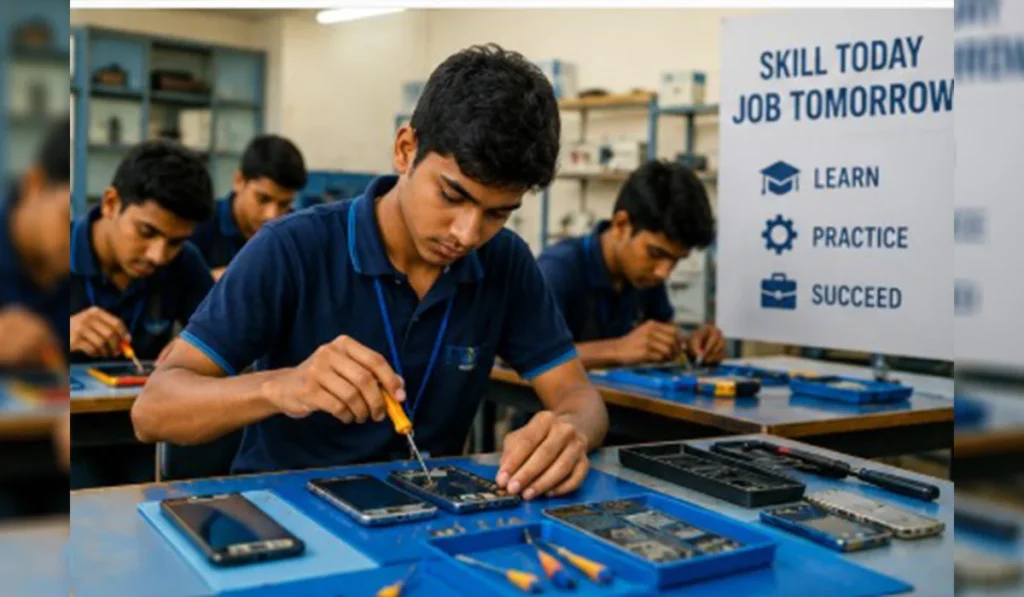
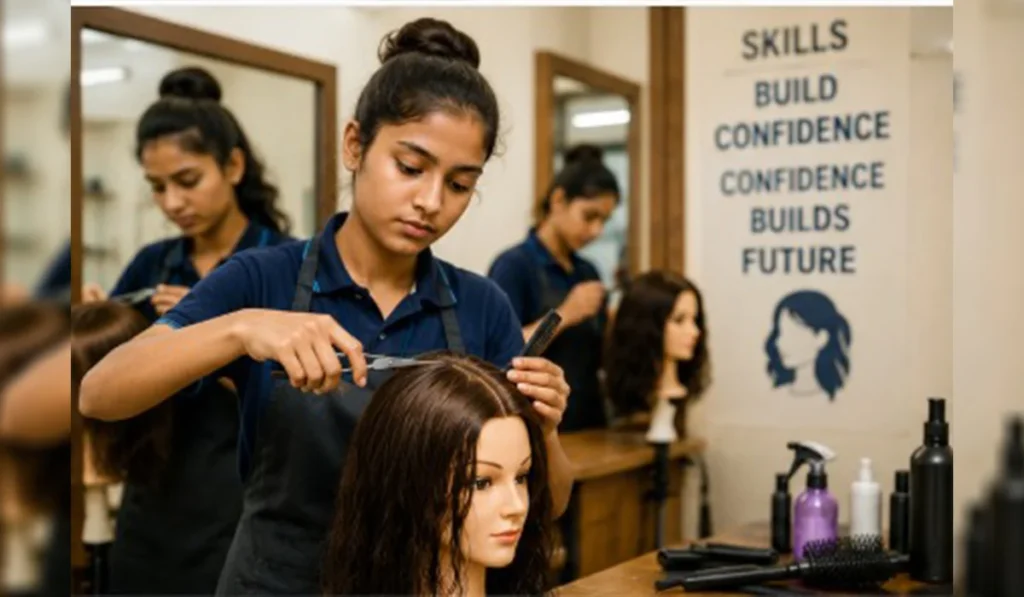
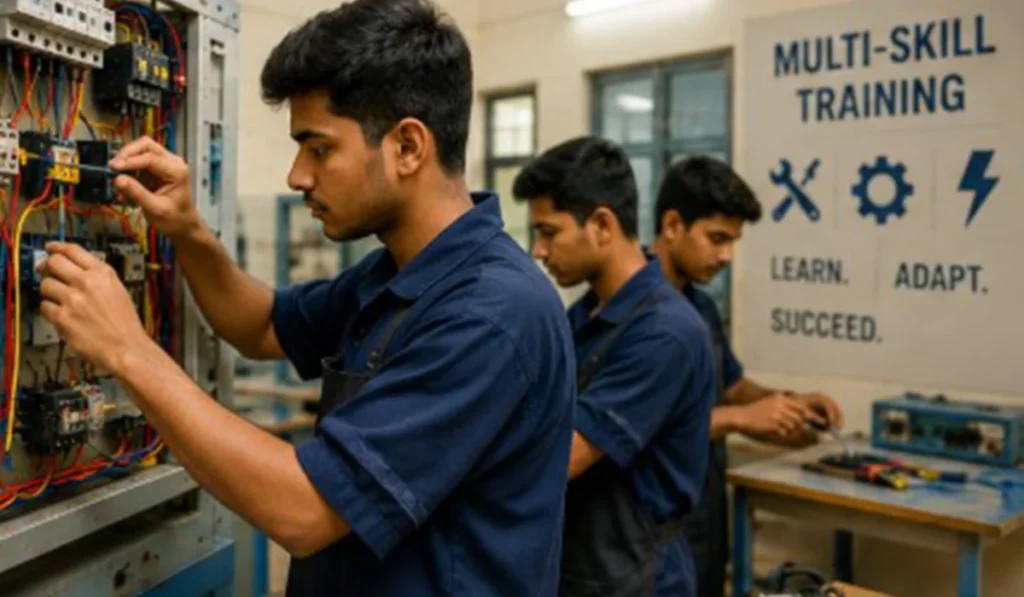
Punjab has become the first state in the country to launch a special structured skill-development programme for children living in observation and special homes. In the first phase, 211 children are being linked with employment-oriented courses, including smartphone assembly, multi-skill technical work, hairdressing and styling, and other hands-on training programmes. On paper, this may seem like a simple administrative decision, but in reality, it addresses one of the most neglected questions in the child welfare system: when the period of government care ends, who will hold these children’s hand?
The Overlooked Side of the Child Welfare System
Over the past two decades, India’s child protection system has come a long way. Under the Juvenile Justice Act, thousands of vulnerable children have received safe shelter, education, healthcare and legal assistance. But the end of this protection is often harsh. As soon as these children turn 18, they are left to deal with housing, employment and social life on their own. Without any family background or support, building life from zero is like chewing iron grains. This is why this stage becomes the most dangerous turning point in the lives of such young people.
This Is Not Just Our Problem
This challenge is not limited to Punjab or India. Data from North America, Europe and Australia also presents the same worrying picture. Studies by Chicago’s well-known Chapin Hall and several international agencies show that children leaving institutional care face the highest risk of homelessness. Australian research also indicates that when proper support is not provided during this critical transition into adulthood, these young people fall into the trap of unemployment, mental stress and social isolation.
Across the world, one thing is common: young people leaving state care are forced to “grow up” much earlier than their peers. While children from ordinary families often remain dependent on their parents well into their twenties, these children are pushed into the battle for livelihood on the very first morning of their 18th year.
Skill as a New Safety Shield
There is now a growing understanding that sympathy and basic schooling are not enough. If a young person does not have a skill in hand, the real-world market does not allow them to stand on their feet. According to a 2022 UNICEF report, stable employment is often the deciding factor in whether a young person joins the social mainstream or slips into crime and despair. The International Labour Organization has also long argued that proper vocational training can change the fate of young people from such vulnerable groups. The logic is simple: skills create opportunities, opportunities bring economic independence, and economic independence opens the door to a life of dignity.
Not Charity, But a Vision for the Future
What makes Punjab’s initiative stand apart is the thinking behind it. This programme does not see these children merely as recipients of government mercy or charity. It treats them as future professionals and entrepreneurs. The selected courses are also relevant to the times. Smartphone assembly and repair connect them with one of the fastest-growing digital markets in the country, while hairdressing and styling can open the door to immediate self-employment with very low investment. Similarly, multi-skill technical training helps them adapt to changing market needs.
Most importantly, the programme is not limited to mechanical skills. It also teaches communication skills, teamwork, work responsibility and, above all, self-confidence. In today’s world, these soft skills are often the first requirement for holding on to a job.
Comparison With Other States
Several states in India have made rehabilitation efforts from time to time, but there are very few examples of a permanent government structure being created inside observation homes themselves. Kerala is praised for its after-care network, Maharashtra has made some efforts with the help of NGOs, and Tamil Nadu has linked skill development with social welfare. Yet, the national framework largely remains trapped in the traditional cycle of “rescue, shelter and institutional care”. In terms of making long-term employment a central priority, Punjab’s model is a major and new beginning.
A Lesson From Scandinavia
If we look internationally, Scandinavian countries such as Norway and Sweden offer a strong example. There, the government does not withdraw its support as soon as a young person turns 18. Instead, young people are provided government housing, career counselling and paid apprenticeships until they are able to step into early adult life with stability. Their philosophy is clear: the success of a child welfare system should not be measured only by how safe a child was inside the institution, but by where that child stands in society after leaving it.
Long-Term Benefit for Society
This programme also has a practical economic dimension. OECD studies have repeatedly shown that early investment in vulnerable young people gives society several times the return in the future. When a young person stands on their own feet and starts earning, they contribute to the economy instead of becoming a lifelong burden on support systems. The cost of good training today is far lower than the future cost of unemployment, homelessness and social insecurity.
Beyond Employment: The Battle for Identity
But the biggest impact of this change goes beyond economic numbers. It is linked to self-respect. Children raised in care institutions are often identified through the pain of their past, the label of being abandoned, or numbers in legal files. When they learn a skill with their own hands, that identity begins to change. They are no longer merely a “case” in government records. They become technicians, stylists or skilled workers. Psychology also tells us that meaningful work restores a person’s belief in themselves. For a child who has seen instability since childhood, this change is no less than a blessing.
The Real Test Begins Now
Of course, announcing a policy is only the first step. Its real success will be decided by its performance in the coming years. Some sharp questions will have to be watched closely. How many children complete the training? How many receive certificates that have real value in the market? How many actually get jobs? And most importantly, will the government continue to hold their hand even after the training ends? The answers to these questions will decide whether Punjab has merely created a newspaper headline or written a new chapter for the entire country.
The Need to Change the Perspective
Punjab’s experiment raises a larger question before India: should it not be our constitutional responsibility to ensure concrete employment support for every child leaving state care? For decades, our focus has remained limited to rescue and shelter. That is essential and will remain so. But the next chapter of child welfare is incomplete without economic self-reliance.
A child’s helplessness and insecurity do not end merely because they have turned 18. They end when that young person becomes capable of paying rent, earning their own food and living in society with their head held high. Punjab is trying to rebuild this broken bridge. If this effort succeeds, it can redefine rehabilitation in India—not as the end of a painful childhood, but as the beginning of a self-made and dignified future.

Leave a Comment