

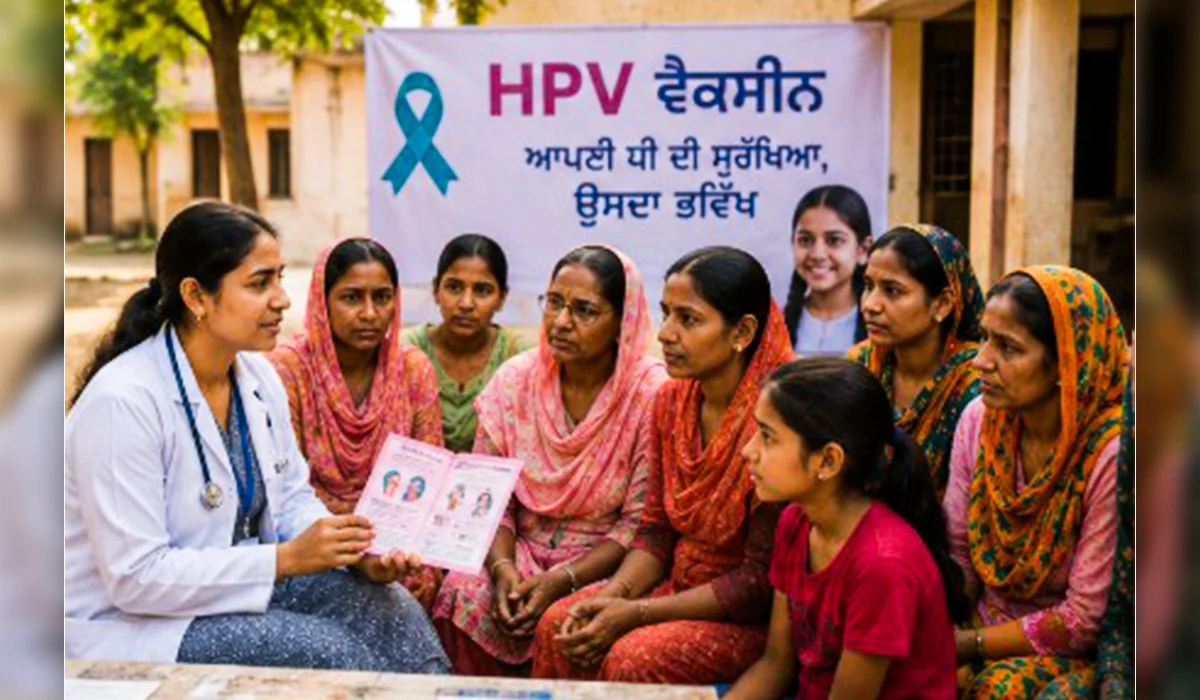

When Punjab introduced the human papilloma virus (HPV) vaccine in 2016, hardly anyone could have imagined that the move would one day become an important chapter in India’s public health policy. There were no major political speeches at that time, nor was it made an election issue. But health experts knew it was the beginning of a battle that would pay off years later—that battle against cervical cancer.
Today, nearly ten years later, the HPV vaccine is widely regarded as one of the greatest scientific weapons in cancer prevention. But Punjab faces a big and uncomfortable question. The state which first showed the way, why could not the same state deliver this life-saving vaccine to its daughters today? According to the latest data, the target was set to give HPV vaccine to around 3.11 lakh adolescent girls in Punjab. But by early June 2026, only 26,339 girls had received the vaccine. It means that even ten percent of the target could not be achieved. It’s not just a statistic. This is a question that brings out the reality of the health system, social thinking and awareness.
A discovery that attracted the attention of the world
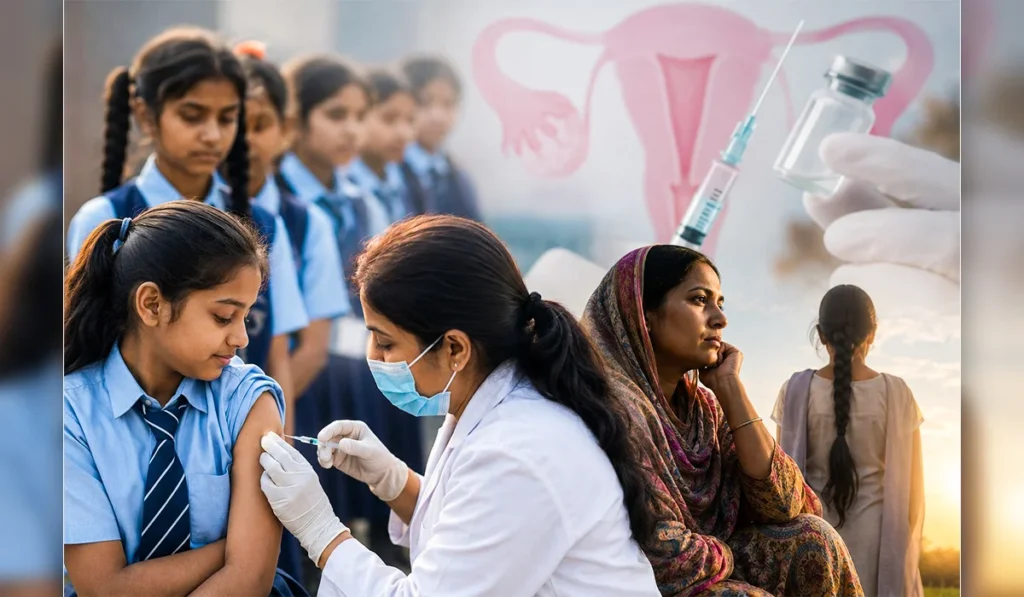
A study published this month in the world-renowned medical journal The Lancet has given a new direction to the discussion about the HPV vaccine. Punjab pioneered researchers from Queen Mary University of London analyzed data related to vaccination and mortality rates in England. They found that girls who received the HPV vaccine between ages 12 and 13 had almost no risk of dying from cervical cancer before age 30. According to the researchers, about 200 deaths have been avoided so far in England due to this vaccination. What was even more important was that between 2020 and 2024, no women between the ages of 20 and 24 died from cervical cancer. Health experts say this is the first time there has been large-scale evidence that the HPV vaccine not only prevents infections, but also saves lives.
A cancer that can be prevented
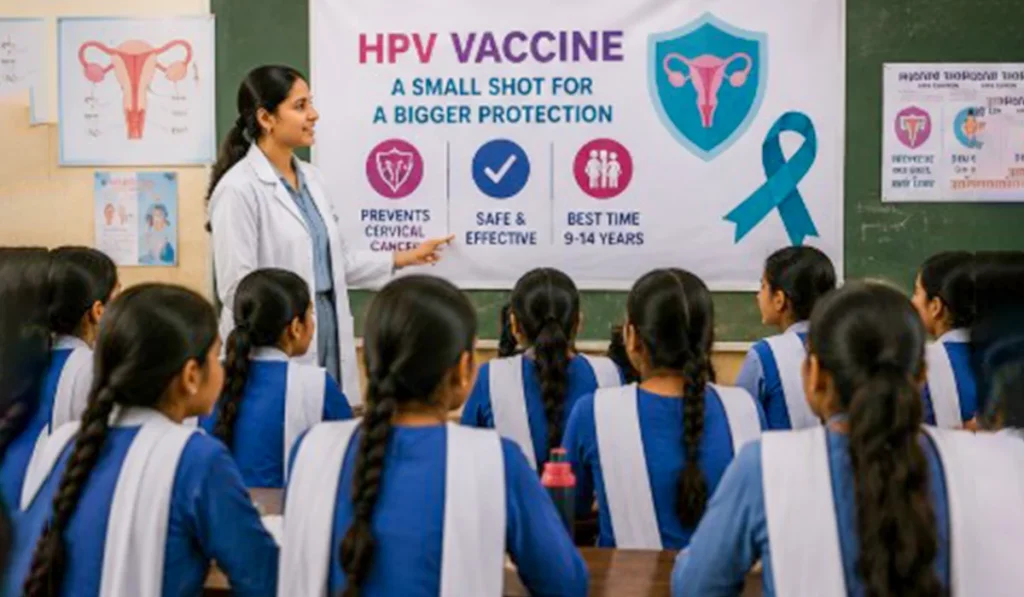
Cervical cancer remains a serious health problem for women worldwide. This disease is mainly caused by long-term infection with HPV virus. Its biggest difficulty is that it is almost silent in the early stages. Many women do not experience any specific symptoms. By the time the disease is diagnosed, treatment can be more complicated and expensive. That’s why health scientists say that the combination of the HPV vaccine and regular screening is the most effective protection against cervical cancer.
Punjab was the first to show courage
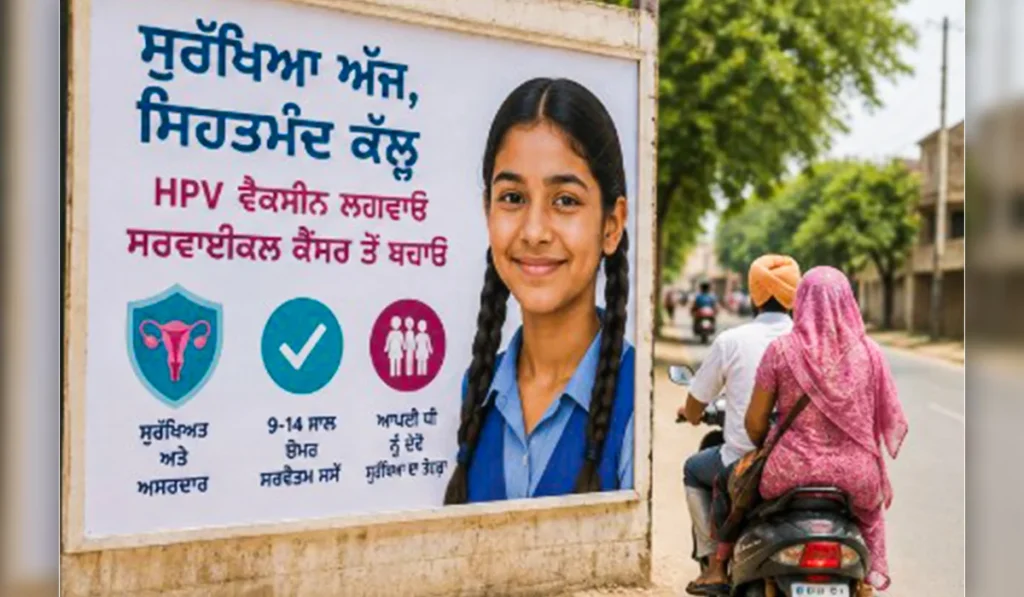
In 2016, Punjab introduced HPV vaccination in Bathinda and Mansa in collaboration with the World Health Organization (WHO) and other partners. At the time, this move was considered very forward thinking. The health department hoped that the impact would be seen in the coming years in the form of reduction in cervical cancer cases. Actually this initiative was not just a vaccination campaign. It was also a message of prioritizing women’s health.
Where did the obstacle come from?
The question is, when the vaccine is free, there is scientific evidence and the government is also campaigning, why is the coverage so low? Health experts believe that the biggest reason for this is lack of awareness. People have known about diseases like polio, measles or tuberculosis for a long time. But many families are still not fully aware of HPV and cervical cancer. Many parents don’t even know what disease this vaccine protects against. Some people still have misconceptions about its side effects. In villages and small towns, people are still reluctant to talk openly about topics related to reproductive health. Due to this, many families feel hesitant to take a decision.
The research on doctors also surprised
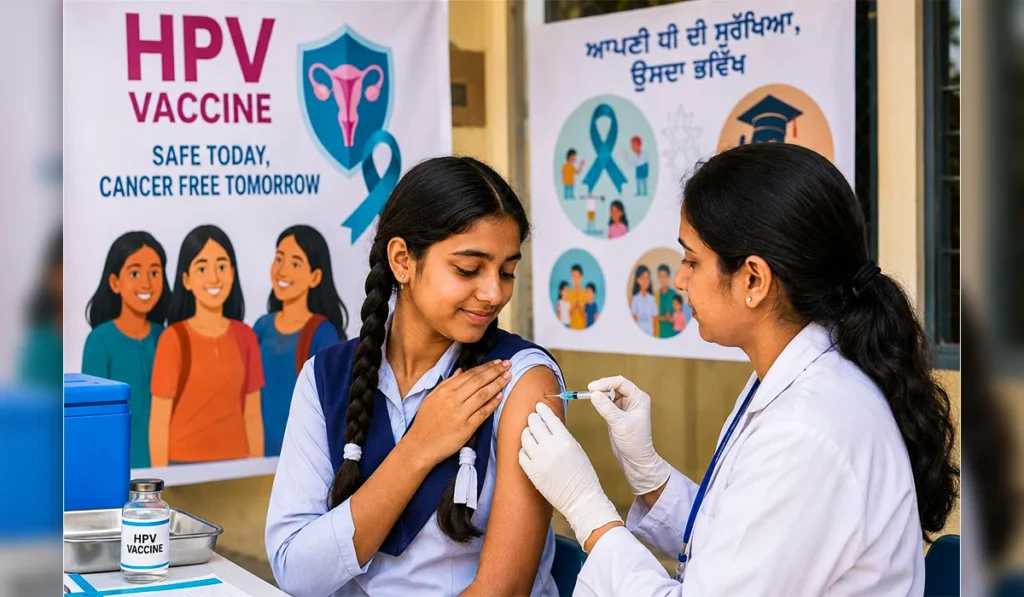
Another important study published in Scientific Reports in May 2026 also attracted attention. In this study, 616 female doctors from Punjab were surveyed. The researchers assessed their knowledge and attitudes about HPV, cervical cancer screening and vaccination. The results revealed that the level of awareness was not the same everywhere. Knowledge was higher among gynecologists, but in some areas there was also a difference between health professionals. If the level of awareness varies within the medical community itself, then the challenge of conveying accurate information to the general public becomes even greater.
The hidden pain behind the statistics
Every year, women reach cancer hospitals in Punjab who are diagnosed with cervical cancer when the disease is quite advanced. They are not just patients. They are someone’s mother, someone’s daughter, someone’s wife or the economic backbone of the house. One disease can change the life of an entire family. That is why health experts say that the HPV vaccine is not just about vaccination, but about saving thousands of lives in the future.
The way forward
Punjab has the experience. The infrastructure. And a legacy that has shown the way to the country. Now there is a need to unite schools, health workers, doctors, panchayats and parents in a common campaign. Scientific evidence from around the world is showing that the HPV vaccine can prevent cancer and save lives. The question before Punjab now is not whether this vaccine is effective or not. The real question is whether we will be able to reach our daughters with this protection in time, or will the opportunity slip through our hands once again?


Leave a Comment