

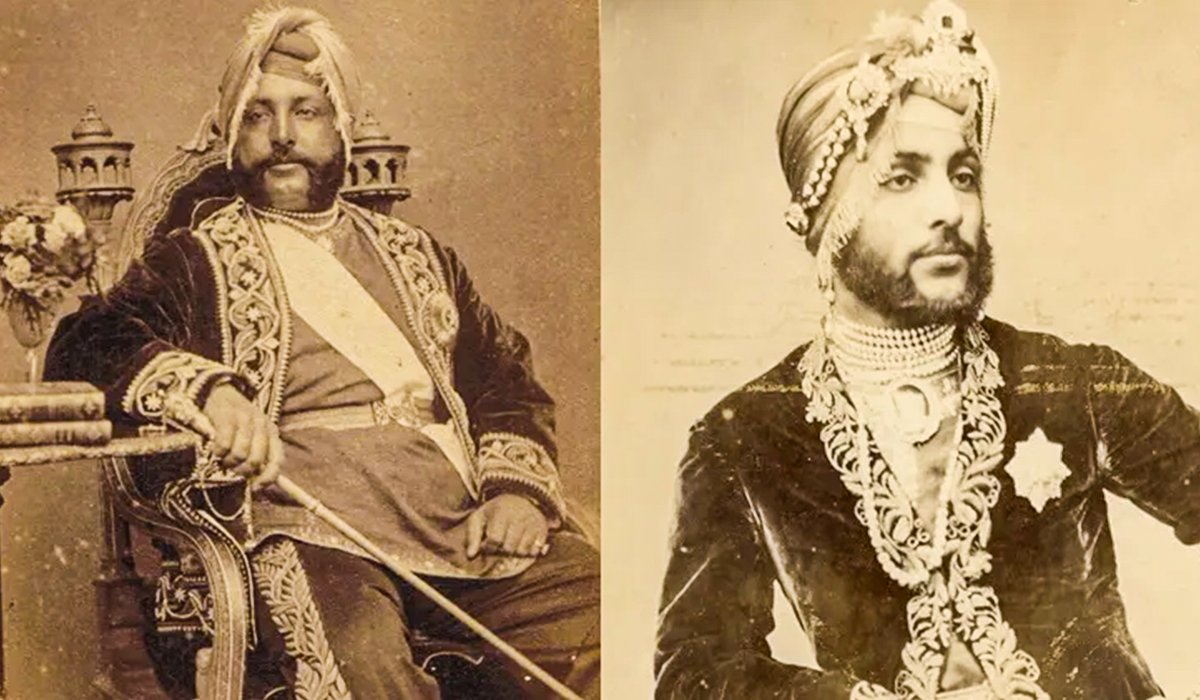

The life of Maharaja Duleep Singh is one of the most emotional and tragic chapters in Sikh history. It tells the story of the brutality of imperialism and the fall of a great kingdom. It is not merely the story of a king who lost his throne, but of a young prince who was separated from his homeland, his faith and his heritage.
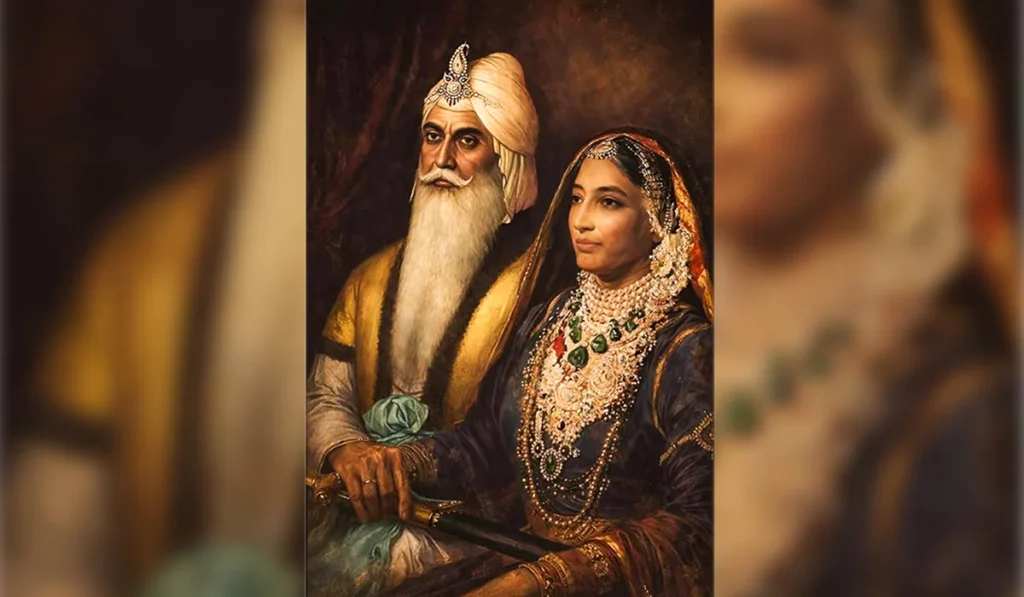
Maharaja Duleep Singh was born on 6 September 1838 in Lahore to Sher-e-Punjab Maharaja Ranjit Singh and Maharani Jind Kaur. He was the youngest son of Maharaja Ranjit Singh. Tragically, just one year after his birth, Maharaja Ranjit Singh passed away in 1839. His death marked the beginning of political instability in the Lahore Darbar.
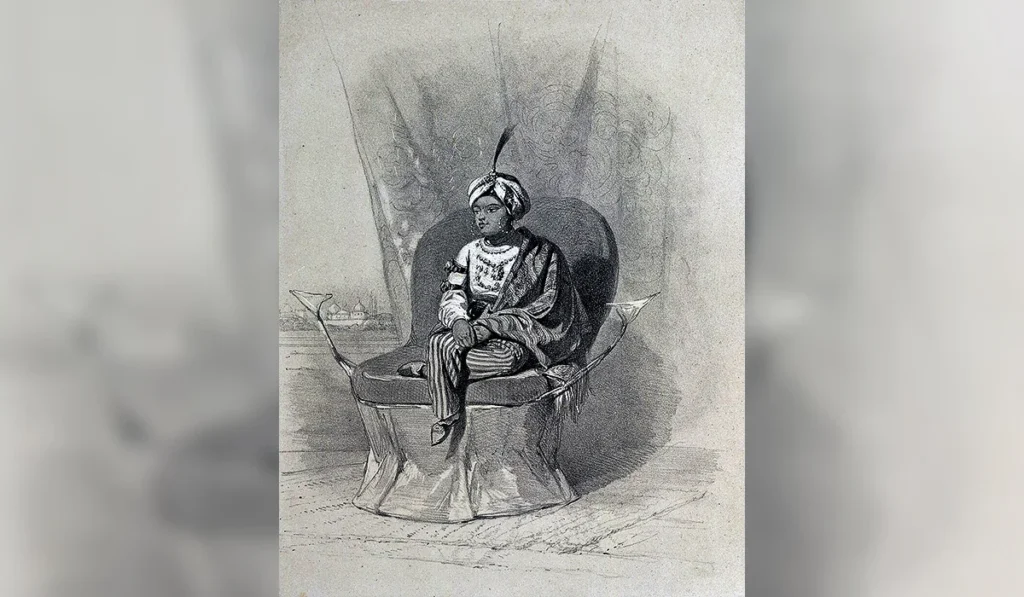
The next four years proved extremely turbulent for the Sikh kingdom. Successive heirs, including Maharaja Kharak Singh, Kanwar Nau Nihal Singh, Maharani Chand Kaur and Maharaja Sher Singh, fell victim to conspiracies and assassinations. Finally, after the murder of Maharaja Sher Singh and Wazir Dhian Singh Dogra by the Sandhawalia Sardars, five-year-old Duleep Singh was placed on the throne of Lahore on 16 September 1843.
British Strategy and the Fall of the Sikh Empire
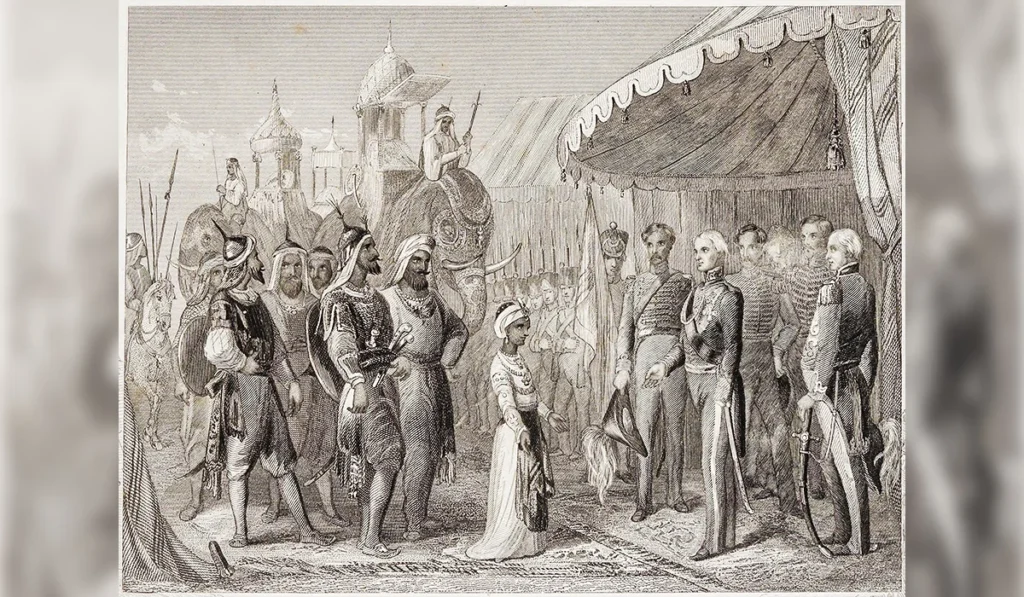
By that time, the British had already brought large parts of India under their control. Their next target was the wealthy and powerful Sikh Empire of Lahore. Through diplomacy, political manipulation and internal divisions, they weakened the Sikh kingdom. Following the First and Second Anglo-Sikh Wars (1845–46 and 1848–49), the British annexed Punjab.
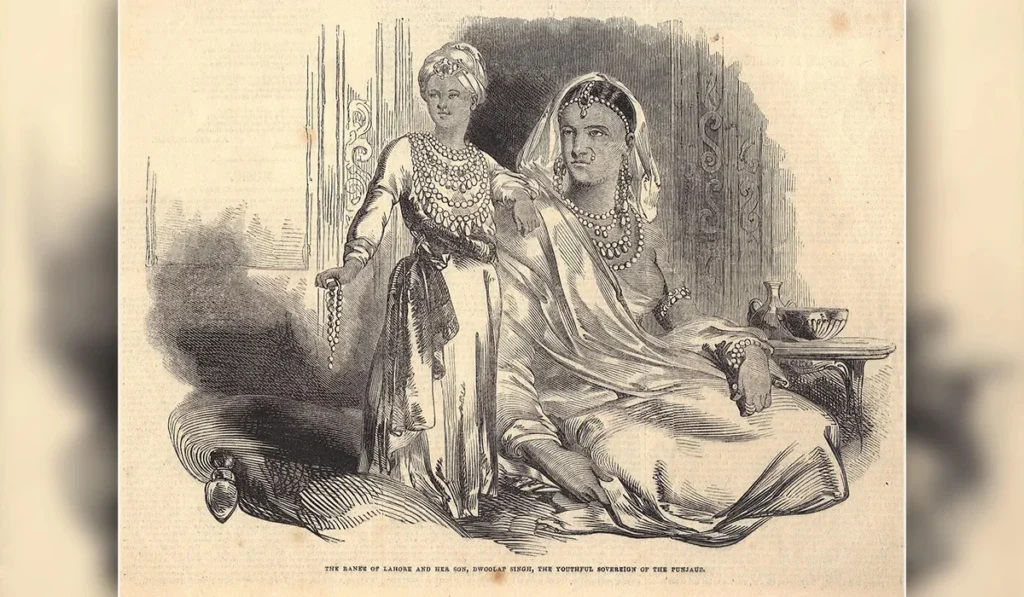
After the conquest, the British separated Maharaja Duleep Singh from both his kingdom and his mother. Maharani Jind Kaur was first imprisoned at Chunar and later confined in Nepal. She was a courageous and politically astute leader whom the British feared could unite the Sikhs once again.
Exile in England and a Crisis of Identity
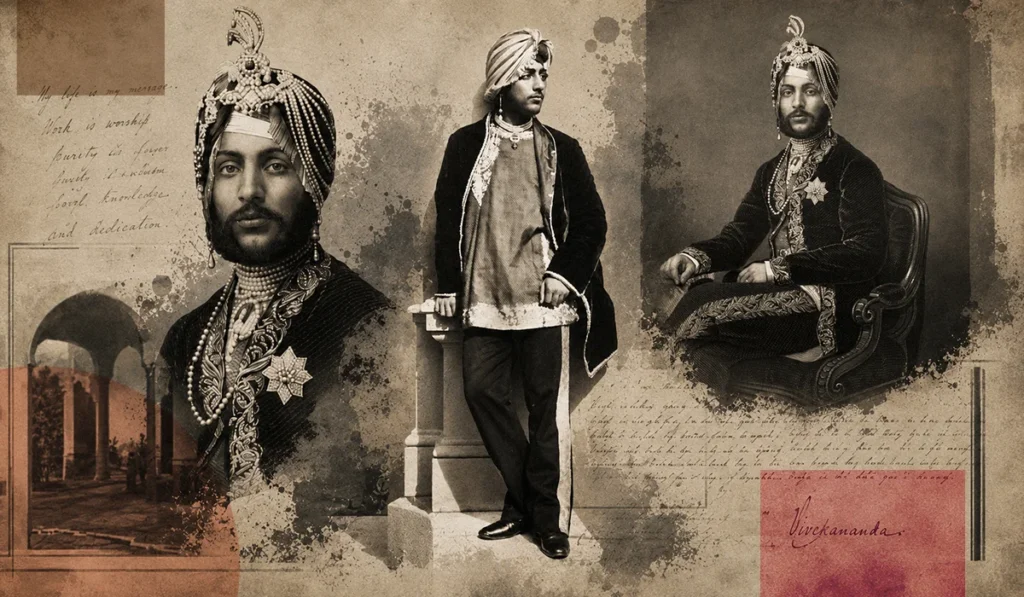
Maharaja Duleep Singh was sent to England, where he was converted to Christianity. Removed from his homeland at a young age, he was brought up in British culture. However, as he grew older, he developed a deep longing for his roots and for his mother.
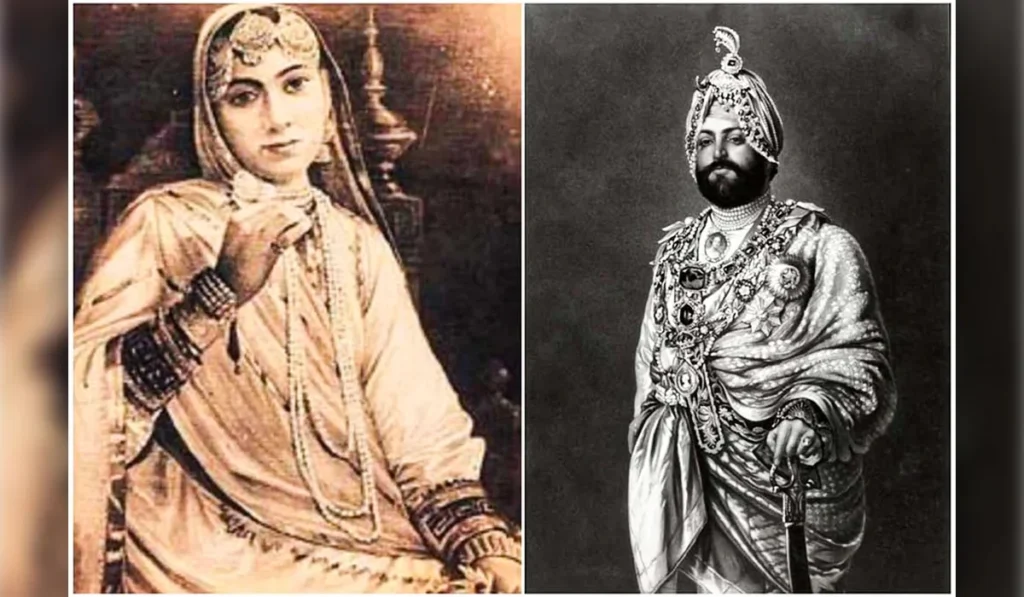
When he eventually returned to India and reunited with Maharani Jind Kaur, he reconnected with his Sikh heritage. He requested permission from the British to take his mother with him to England. Seeing her as a political threat in India, the British readily agreed.
In England, Maharani Jind Kaur told him about his father’s kingdom and the glorious history of the Sikhs, rekindling in him a strong sense of identity and patriotism.
Separation from His Mother and the Beginning of Resistance
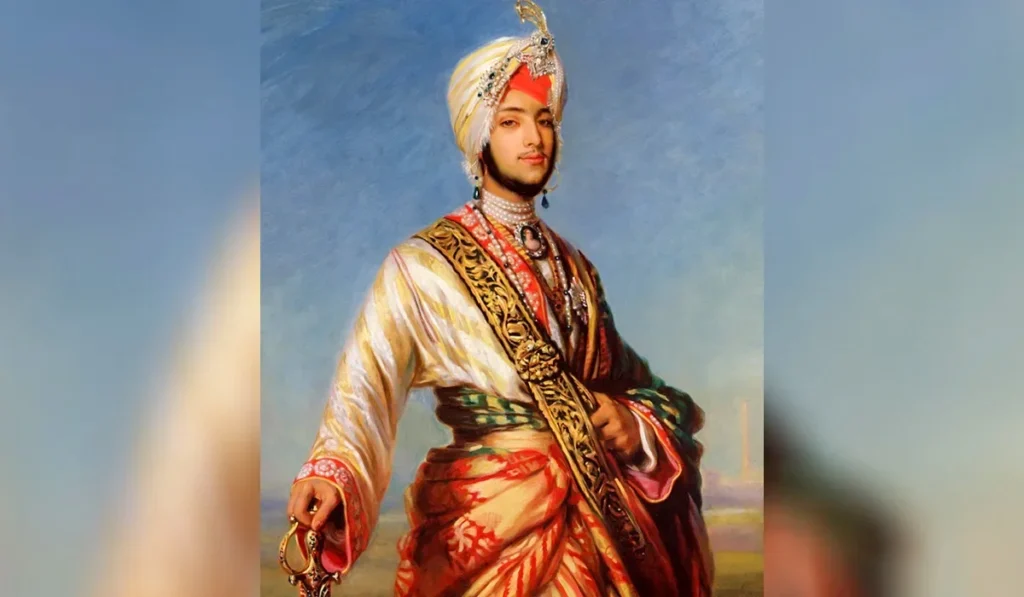
When the British realised that Maharani Jind Kaur was inspiring her son to reclaim the Sikh kingdom, they forcibly separated them once again. The trauma of imprisonment and separation severely affected her health, and she passed away while still living apart from her son.
Her final wish was to be cremated near Maharaja Ranjit Singh’s samadhi in Lahore. However, the British refused to allow Duleep Singh to travel to Punjab. Eventually, he performed her last rites near a river close to Calcutta before returning to England.
Rebellion Against the British
After his mother’s death, Maharaja Duleep Singh openly challenged British rule. He demanded the restoration of his kingdom, arguing that under the treaty he had now reached adulthood and was entitled to reclaim it. When the British rejected his demand, he left for France in disappointment, seeking international support against them, but received none.
Undeterred, he travelled to Russia and appealed to the Tsar for assistance in restoring the Sikh Empire. He also published letters in Indian newspapers in an effort to awaken public opinion in Punjab. However, due to diplomatic considerations, no foreign power came forward to support him.
His Final Years and Legacy

While continuing his struggle for his kingdom and his people, Maharaja Duleep Singh spent his final years in poverty and ill health, moving between England and France. On 22 October 1893, he died alone at the Grand Hotel in Paris.
Maharaja Duleep Singh was a visionary and courageous ruler. Like the Koh-i-Noor, which was taken from his family, he too was taken away from his homeland by the British. Had he not been exiled, the history of Punjab might have unfolded very differently.
He was not merely a king but a symbol of Punjab’s lost sovereignty, who fought until his final days to reclaim his kingdom. Even today, his life reminds us of the importance of preserving one’s identity, heritage and connection to one’s roots.


Leave a Comment