


Punjab has witnessed many historical upheavals whose wounds remain fresh in the hearts of Punjabis even today. The period of the 1980s and 1990s, commonly described as Punjab’s “dark era”, was marked by fear, uncertainty, and immense human tragedy.
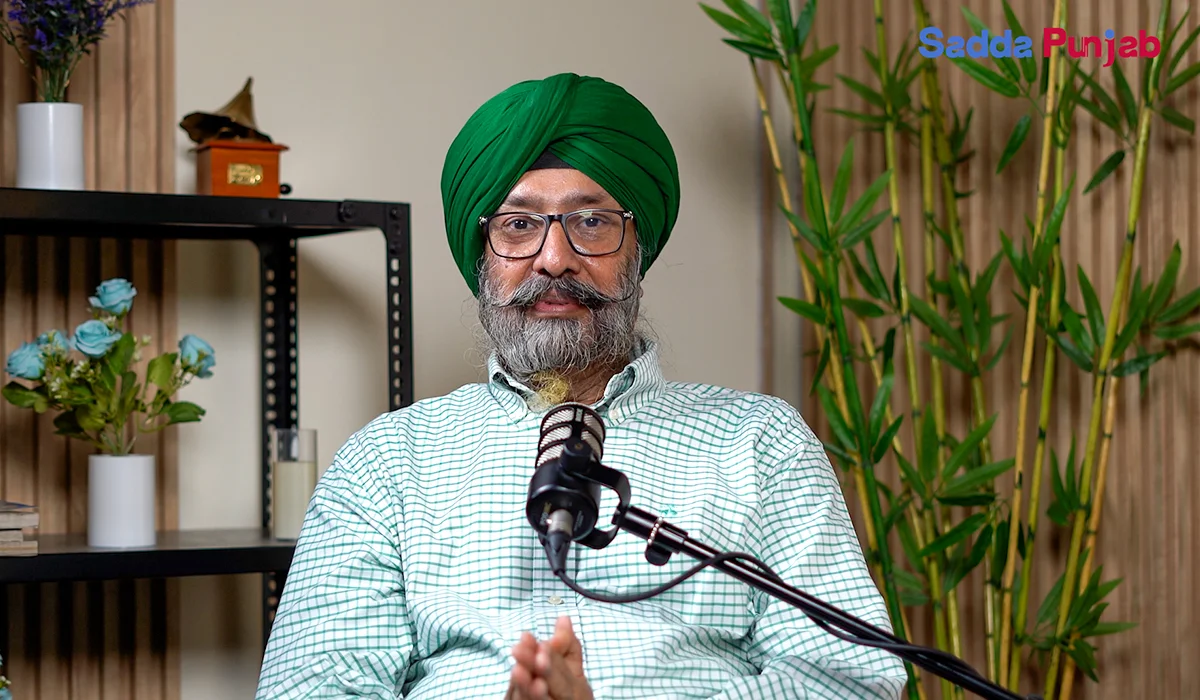
Recently, the film ‘Satluj’ has once again brought that period into public discussion. To examine the issue in greater depth, former IAS officer, former Special Chief Secretary of Punjab, and former Deputy Commissioner of Amritsar, KBS Sidhu (Karanbir Singh Sidhu), shared his experiences and interpretation of historical events.
Can Films Show the Complete Truth?

KBS Sidhu believes that no film, however well made, can present more than a particular perspective on history. A filmmaker has the right to artistic freedom, but viewers should not treat a cinematic narrative as the complete historical record. According to Sidhu, history can never be understood from only one side. If history is to be discussed, it must be presented in a complete and balanced manner.
He cited the example of the film ‘Udta Punjab’, after which, he said, an impression was created outside the state that almost every second young person in Punjab was addicted to drugs. In a similar way, he believes contemporary films can also project only one particular image of Punjab to the outside world.
The Situation and Figures from the 1980s and 1990s
KBS Sidhu said that the situation in Punjab began deteriorating after the 1978 Nirankari incident. The 1984 military action at Darbar Sahib and the anti-Sikh violence in Delhi in November 1984 further aggravated the situation. From 1987 to 1992, Punjab remained under President’s Rule continuously for five years, which he described as a record for any state in independent India.
Sharing figures relating to deaths during that period, Sidhu stated:
- Militants: Around 8,000 militants were killed.
- Civilians: Approximately 12,000 civilians lost their lives, of whom, according to him, around 60% were Sikhs and 40% Hindus.
- Police and security personnel: Around 1,800 police personnel and officers, including officials up to DIG and SSP rank, were killed while on active duty.
Sidhu emphasised that this was not a one-sided conflict.
Families lost sons, police personnel were killed, and ordinary civilians were also caught in the violence.
Police Action and Human Rights Violations
At the same time, Sidhu said it would be wrong to claim that every police encounter during that period was completely genuine. Equally, he argued, it would be wrong to assume that every encounter was fake.
Referring to the Jaswant Singh Khalra case, KBS Sidhu said that when he was serving as Deputy Commissioner of Amritsar, he himself ordered a magisterial inquiry into the matter. Later, six police personnel were convicted by the court.
He further said that around 125 to 140 police personnel were convicted in different cases involving offences such as extortion, kidnapping, and abuse of authority. According to Sidhu, the truth lies somewhere between the two extremes.
There were “black sheep” within the police force, he said, but it would be equally unfair to defame the entire force or judge every officer by the same standard.
Jaswant Singh Khalra and the Truth About Unidentified Bodies
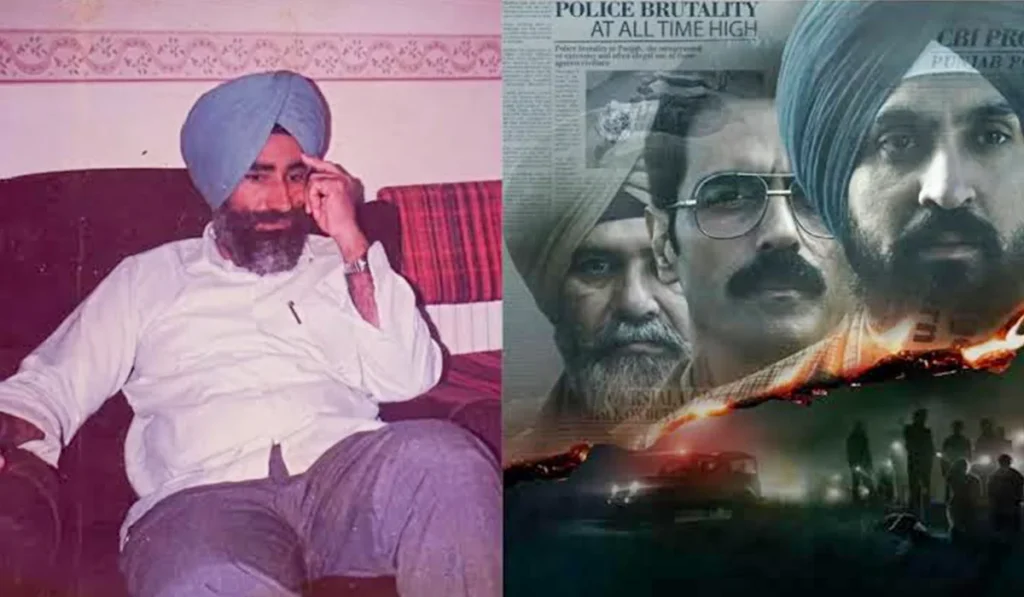
Speaking about human rights activist Jaswant Singh Khalra, KBS Sidhu said that Khalra Sahib should always be remembered as a “martyr” in Punjab’s history. He raised his voice for human rights without any personal motive, Sidhu said.
Explaining the administrative procedure concerning the cremation of unidentified bodies in cremation grounds, Sidhu said:
- Bodies recovered by the police were sent to the medical college for post-mortem examination.
- If a body could not be identified, it was recorded as “unidentified” in municipal records before cremation.
- In some cases, family members themselves reportedly requested the police not to officially identify their son in the records, fearing further harassment or social stigma for the family.
Is There a Need for a Truth Commission?
In recent years, there have been calls for a Truth Commission for Punjab on the lines of South Africa. KBS Sidhu said that if such a commission is to be constituted, it should be established at the Government of India level and headed by a retired judge of the Supreme Court.
However, he also offered a note of caution. In attempting to apply balm to old wounds, he said, society should be careful not to reopen wounds that may have healed with time. In his view, rather than remaining trapped in the past, Punjab must also look towards the future and focus on children’s education and the state’s development.
The Meaning of Justice and the Legal System
KBS Sidhu expressed concern over the slow pace of the Indian justice system, describing delay in justice as one of its biggest problems. According to him, more important than merely prescribing the harshest possible punishment is ensuring the certainty of punishment.
He also observed that the meaning of justice can differ from person to person. For a victim’s family, justice may mean one thing, while for someone serving a sentence, it may carry an entirely different meaning.
Punjab in Chardi Kala
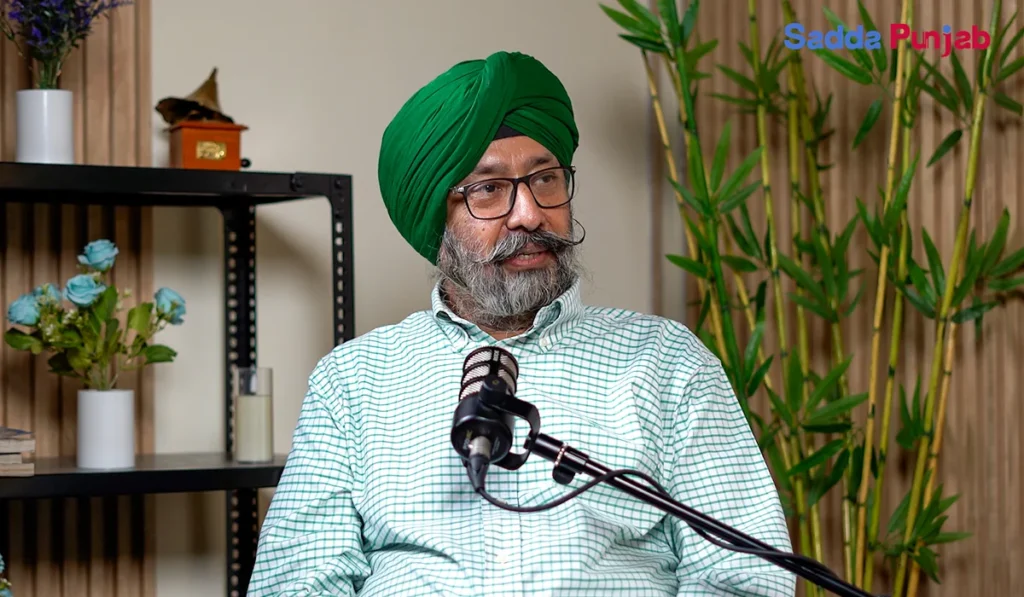
Towards the end of the conversation, KBS Sidhu paid tribute to the spirit of Punjab and Punjabiyat. He said the greatest strength of Punjabis is their “never say die” spirit.
Punjab endured the pain of Partition, witnessed territorial reorganisation in 1966, passed through the Emergency and the bloody years of the 1980s, yet Punjabis repeatedly rose again.
In his words, Punjab is not merely a geographical region but a “state of mind.” It is the land of the Gurus, he said, which continually teaches people to accept Bhana and remain in Chardi Kala.
Leave a Comment