

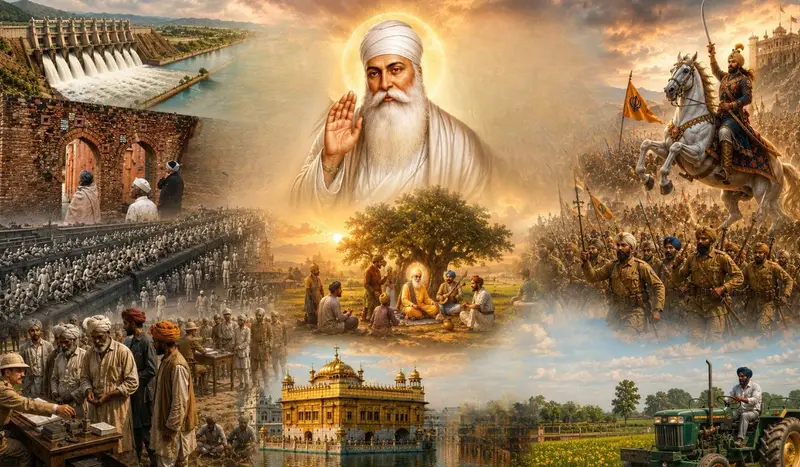

The history of Punjab is not merely a story of wars, invasions, or changes of rulers. It is the story of a land that, time and again, gave the world new ideas, new ways of thinking, and a new direction.
While Punjab witnessed the rise and fall of several empires in earlier centuries, the late fifteenth century saw the beginning of a spiritual movement here that made humanity, equality, and service the foundations of life.
This journey began with the birth of Guru Nanak Dev Ji, continued through the tradition of the ten Sikh Gurus, the creation of the Khalsa Panth, and eventually reached the establishment of the Sikh Empire.
This period of Punjab’s history is considered highly significant not only for understanding the Sikh community but also for comprehending the broader social and political history of northern India.
A New Vision That Began with Guru Nanak Dev Ji
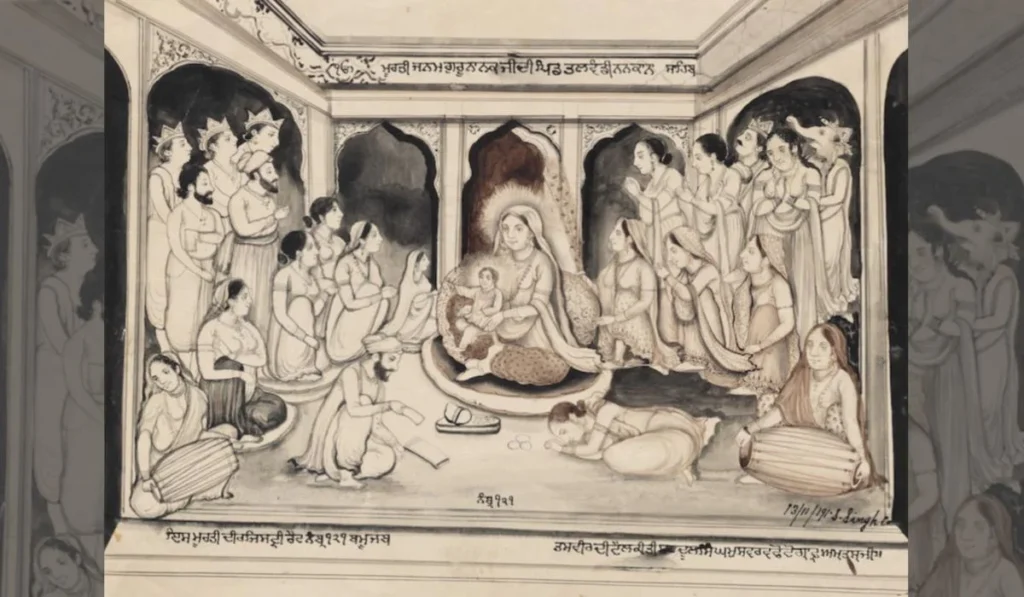
Guru Nanak Dev Ji was born in 1469 at Rai Bhoi Ki Talwandi. At that time, northern India was marked by political instability and deep social divisions.
In such an era, Guru Nanak Dev Ji delivered the message of humanity, equality, and Ik Onkar. His teachings were expressed in simple language, yet they contained profound social and spiritual thought.
Guru Nanak Dev Ji showed people the path of:
“Naam Japo, Kirat Karo, and Vand Chhako”
Meditate on the Divine Name, earn through honest labour, and share with others. His message was not about withdrawing from the world, but about living within society with truth, honesty, and hard work. This is why his teachings are considered as relevant to society today as they were in his own time.
Taking the Message to People Through the Udasis
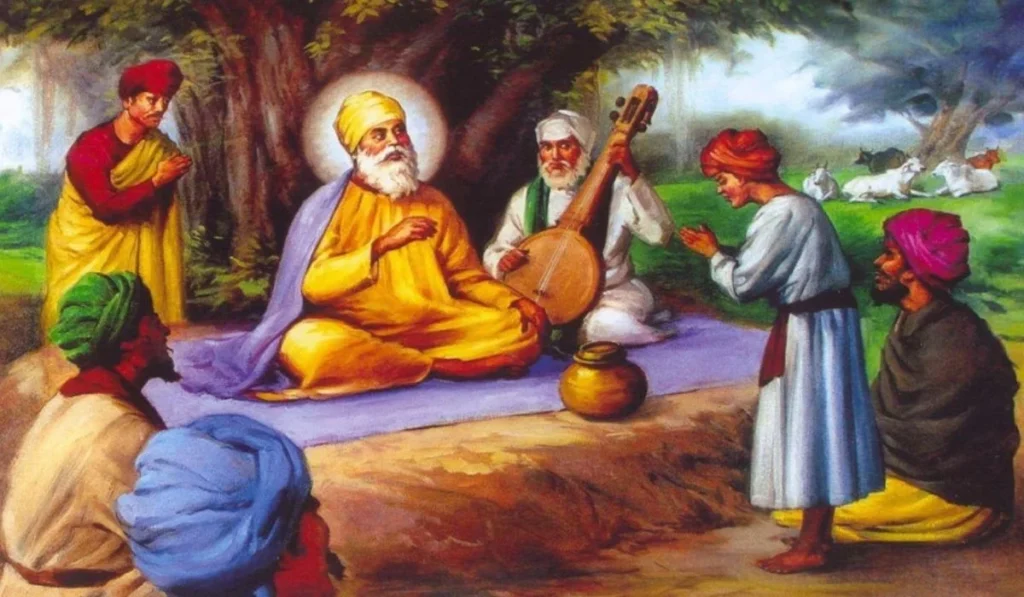
Guru Nanak Dev Ji did not confine his message to any single region or community. He undertook extensive journeys, known as Udasis, and engaged in dialogue with people belonging to different religions, regions, and cultures.
The purpose of these journeys was not to promote one particular religion, but to connect human beings with one another. This vision later became the foundation of a tradition that made service, equality, and collective harmony its defining identity.
The Ten Sikh Gurus Gave Sikhism Its Distinctive Form
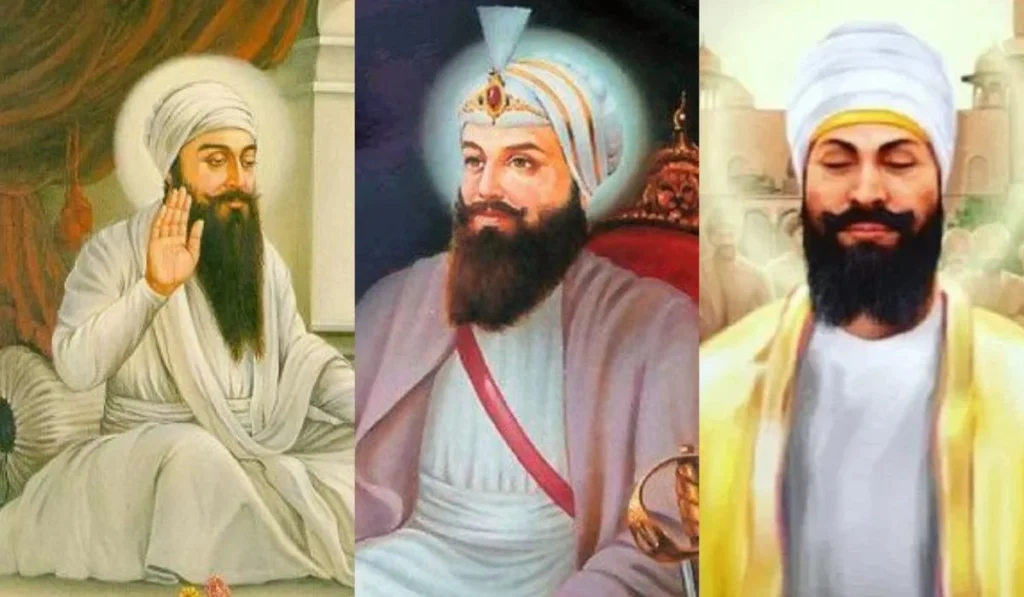
After Guru Nanak Dev Ji, the tradition of the ten Sikh Gurus gradually developed Sikhism in religious, social, and organisational terms. Several important changes took place during this period.
In 1604, Guru Arjan Dev Ji compiled the Adi Granth. It included not only the sacred writings of the Sikh Gurus but also the compositions of saints from different spiritual traditions. This was an important example of the shared spiritual consciousness of that period.
Guru Hargobind Sahib Ji later introduced the principle of Miri-Piri, which conveyed the need to maintain a balance between spirituality and worldly responsibility. This idea marked a major turning point in Sikh history.
In 1675, Guru Tegh Bahadur Sahib Ji made the supreme sacrifice in defence of religious freedom. This event holds a unique place not only in Sikh history but also in the wider history of freedom of faith and conscience.
The Creation of the Khalsa Panth in 1699
Another decisive stage in Sikh history arrived in 1699, when Guru Gobind Singh Ji established the Khalsa Panth at Sri Anandpur Sahib. The Khalsa gave the Sikh community a new collective identity.
Discipline, fearlessness, and commitment to justice became its central characteristics. This transformed the Sikh community into an even stronger and more organised force.
The Eighteenth Century and the Rise of the Sikh Misls
After the creation of the Khalsa Panth, Punjab entered another important phase of its history. During the eighteenth century, the Mughal Empire was weakening, while repeated Afghan invasions caused widespread destruction across Punjab. In these circumstances, the Sikh Misls emerged.
The Misls were confederacies of independent Sikh warriors who established their influence across different regions. They not only resisted hostile powers but also laid the foundations for a future unified state.
Maharaja Ranjit Singh United Punjab
Maharaja Ranjit Singh emerged from among these Misls. In 1799, he captured Lahore and, over the following decades, united large parts of Punjab and laid the foundation of the Sikh Empire. Lahore became the capital of a powerful empire.
Maharaja Ranjit Singh modernised his army and employed European military officers to build a disciplined and formidable force capable of confronting the major powers of its time.
The Sikh Empire Was Not Only a Symbol of Power, but Also of Shared Heritage
One of the greatest features of the Sikh Empire was that it was not based solely on military strength. Its administration gave important responsibilities not only to Sikhs but also to members of the Hindu and Muslim communities. This made the empire a symbol of Punjab’s shared and plural heritage.
For the first time in centuries, Punjab was no longer merely a land through which foreign empires passed. It emerged as an independent and powerful empire in its own right. This period is regarded as one of the golden chapters of Punjab’s history.
The Empire Ended, but Its Memory Remains Alive
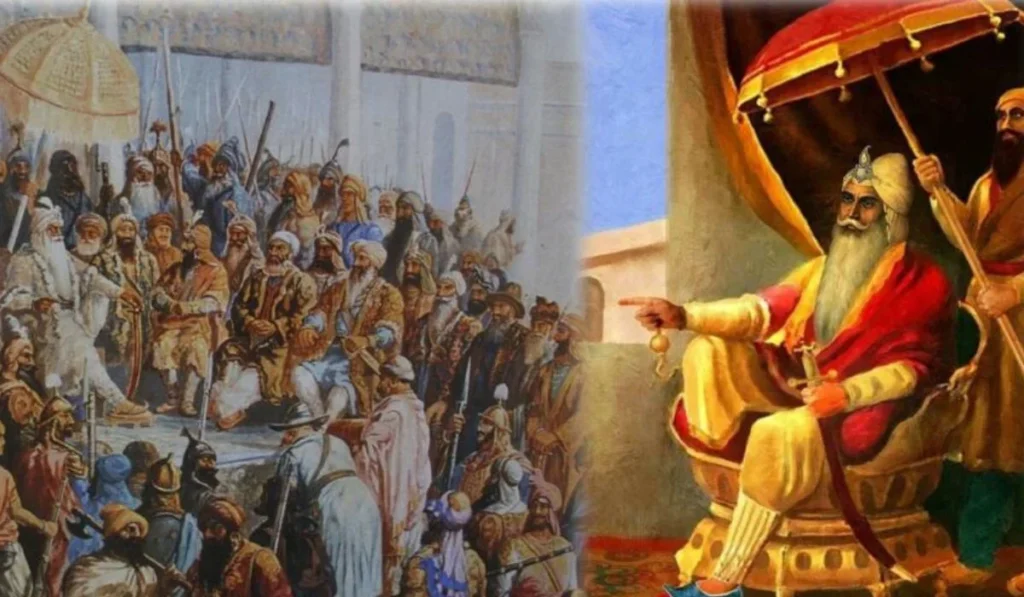
After the death of Maharaja Ranjit Singh in 1839, political instability increased within the empire. Internal rivalry and conflict in the royal court weakened the state, and the British East India Company took advantage of the situation.
Following two Anglo-Sikh Wars, the British annexed Punjab in 1849, bringing the Sikh Empire to an end. Although the empire came to a political end, its legacy and memory remain an important part of Punjab’s collective consciousness. This period is still remembered as a symbol of pride, self-respect, and shared identity.
Punjab Developed Under British Rule, but Resistance Also Grew
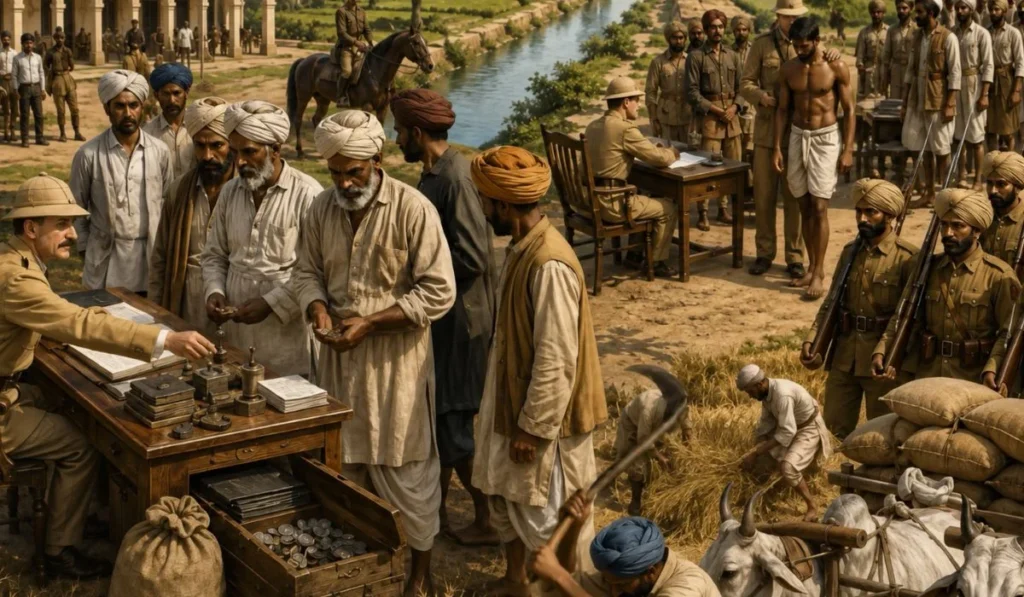
After the fall of the Sikh Empire in 1849, Punjab came under British rule. For the British, Punjab was not merely another province; it became one of the most important regions of their empire.
During this period, railway lines were laid, road networks were developed, and the canal system was expanded on a large scale. These developments gave a new direction to agriculture, and Punjab emerged as a major producer of wheat, cotton, and other crops.
At the same time, Punjab became one of the largest recruitment centres for the British Indian Army. Policies related to land revenue, military recruitment, and agriculture were largely framed according to British imperial interests. Here is the English translation, preserving the structure, historical context, and narrative tone of the original:
However, the people of Punjab did not merely support British rule; when the time came, they also stood firmly against it. Punjabis living overseas established the Ghadar Movement, sounding the bugle for India’s struggle for independence. At the same time, revolutionaries like Shaheed Bhagat Singh openly challenged British rule and infused the freedom movement with renewed strength.
The Jallianwala Bagh Massacre Changed the Course of India’s Freedom Struggle
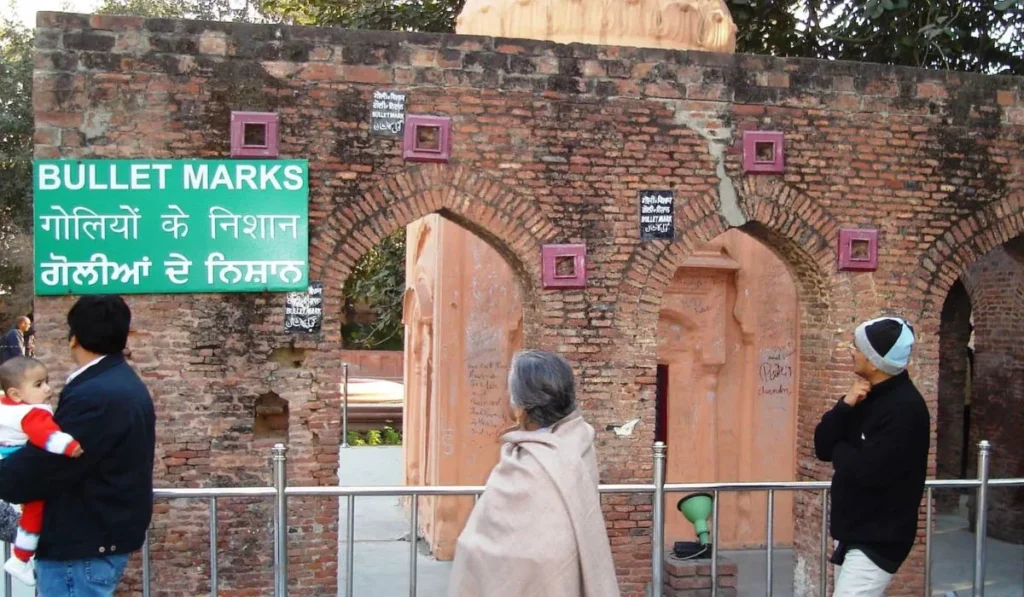
13 April 1919 is regarded as one of the darkest days in the history of Punjab and India. At Jallianwala Bagh in Amritsar, British troops opened indiscriminate fire on a gathering of unarmed civilians. Hundreds were killed and thousands were injured in the massacre.
The tragedy of Jallianwala Bagh was far more than a horrific incident. It shook the conscience of the entire nation. For Punjab, it became the most brutal symbol of British oppression. For India’s freedom movement, it marked a decisive turning point, after which public anger against colonial rule intensified dramatically.
The Partition of 1947: When Punjab Was Divided Into Two
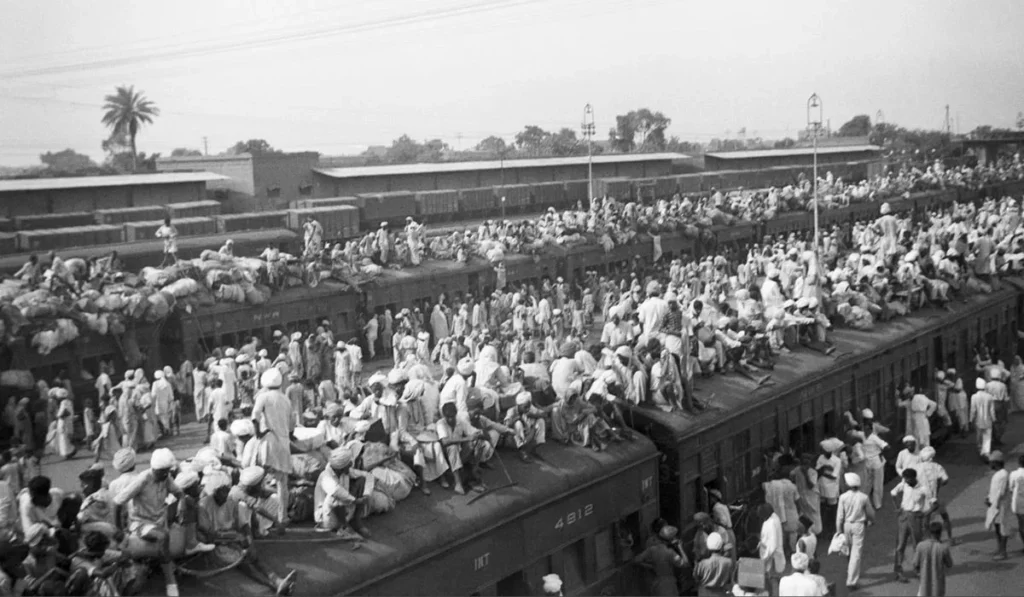
India gained independence in 1947, but for Punjab, that joy came hand in hand with a tragedy whose wounds are still felt today. With the Partition of India and Pakistan, Punjab itself was divided into two. The Radcliffe Line separated villages, towns, farmlands, canal systems, and even families.
Lahore, Rawalpindi, Multan, Lyallpur (now Faisalabad), and Nankana Sahib became part of Pakistan, while Amritsar, Jalandhar, Ludhiana, and Patiala remained in India.
Partition forced millions of people to abandon their homes. Countless families were separated forever. Trains packed with refugees crossed the newly created borders, while communities that had lived together for centuries were engulfed in violence. It was not merely a political decision—it was one of the greatest human tragedies in recorded history.
As It Always Has, Punjab Rose Again
Partition robbed Punjab of many of its historic cities, sacred sites, memories, and a significant portion of its cultural heritage. Yet Punjab refused to surrender.
Refugees who arrived with almost nothing rebuilt their lives from scratch. They established new villages, created businesses, cultivated new farms, and founded new institutions.
Through determination, resilience, and hard work, Punjab once again rebuilt itself.
The Making of Modern Punjab
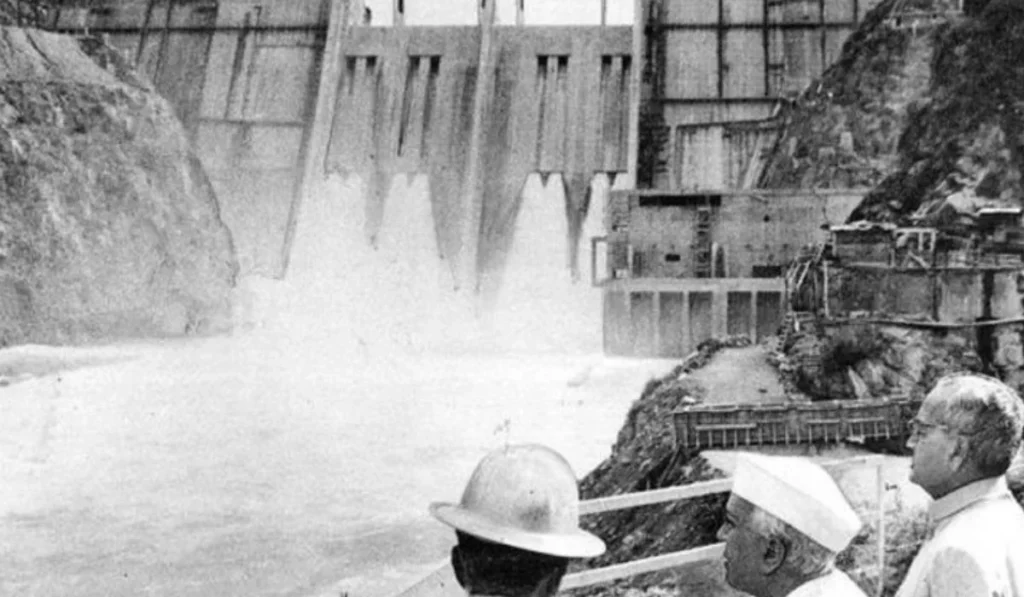
After Partition, Punjab faced enormous challenges. It had lost its historic capital, Lahore, along with several major industrial centres and an extensive canal infrastructure. Resettling millions of displaced people and rebuilding the economy became the state’s greatest priorities. Gradually, new institutions emerged.
The Bhakra-Nangal Project became one of the defining symbols of development in independent India. Chandigarh was developed as the new capital. Agricultural reforms were introduced, new roads were built, markets expanded, and cities grew rapidly. At the same time, Punjab’s political map continued to evolve.
Following the demand for a Punjabi-speaking state, Punjab was reorganised on 1 November 1966. Hindi-speaking regions were separated to form Haryana, the hill areas were merged into Himachal Pradesh, and Chandigarh was designated a Union Territory while serving as the joint capital of both Punjab and Haryana. This marked the emergence of modern Punjab in its present form.
The History of Punjab Is Still Being Written
The story of Punjab is not confined to invasions, wars, or tragedies. It is equally a story of resilience, renewal, and the determination to rise after every setback.
From the teachings of the Sikh Gurus to the rise of the Sikh Empire, from the struggle for India’s independence to the trauma of Partition and the rebuilding that followed, Punjab has left a distinctive mark on every era of history.
Even today, Punjab flows through its rivers, sways in its fields, resonates in its gurdwaras, lives on in its folk songs, and is reflected in the identity of Punjabis across the world. The journey of Punjab’s history is far from over. It continues to unfold with every new generation.
Leave a Comment