
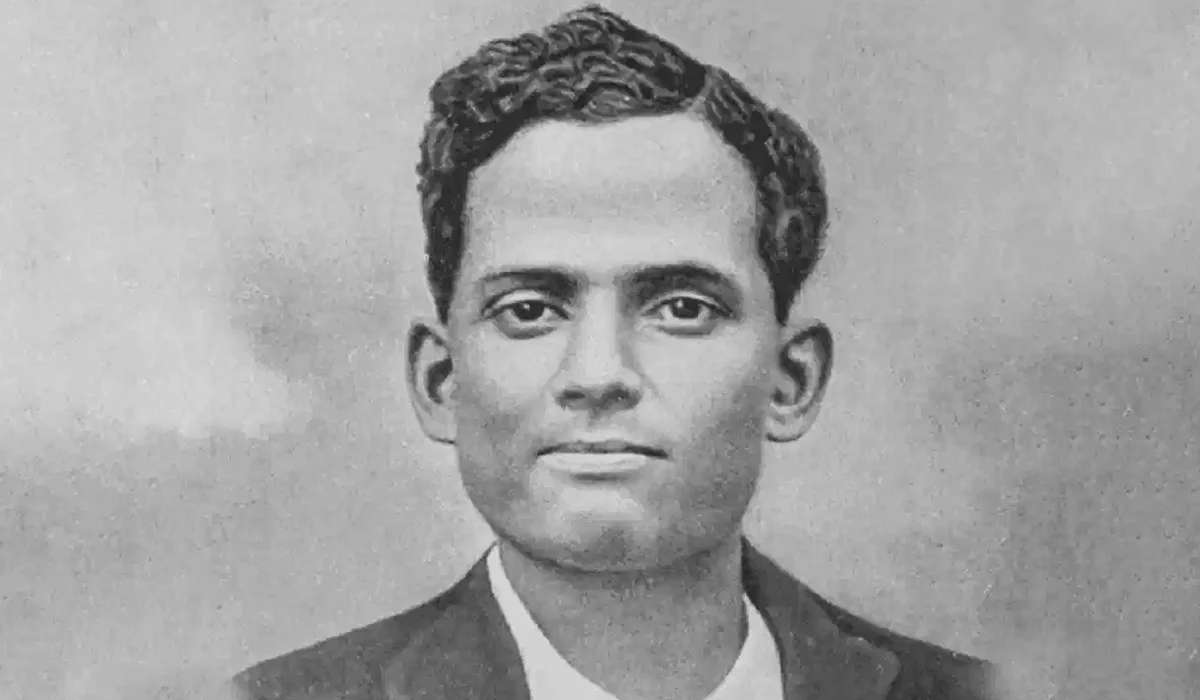

On 8 April 1929, Bhagat Singh and B.K. Dutt threw smoke bombs in Delhi’s Central Assembly
Whenever the revolutionary movement is mentioned in the history of India’s independence, the names of Shaheed-e-Azam Bhagat Singh, Rajguru and Sukhdev first come to mind. But there was also a pillar of this movement, who, joining hands with Bhagat Singh, shook the foundations of the British rule, that was Batukeshwar Dutt, fondly known as ‘B.K. It is called ‘Datta’. His contribution towards the independence of the country is immense, but it is a matter of regret that in independent India, he did not get the respect that he deserved.
Batukeshwar Dutt was born on 18 November 1910 in village ‘Oeri Khanda Ghosh’ of Burdwan district of Bengal. His father’s name was Goshta Bihari Dutt. He came to Kanpur (Uttar Pradesh) in connection with family business. B.K. Dutt’s primary education took place in Kanpur only. Since childhood, hatred against the British rule had developed in his mind. When he was studying in primary classes, the atrocities committed by the British on Indians had a deep impact on his tender mind.
Propagation of revolutionary ideas and participation in the revolutionary movement
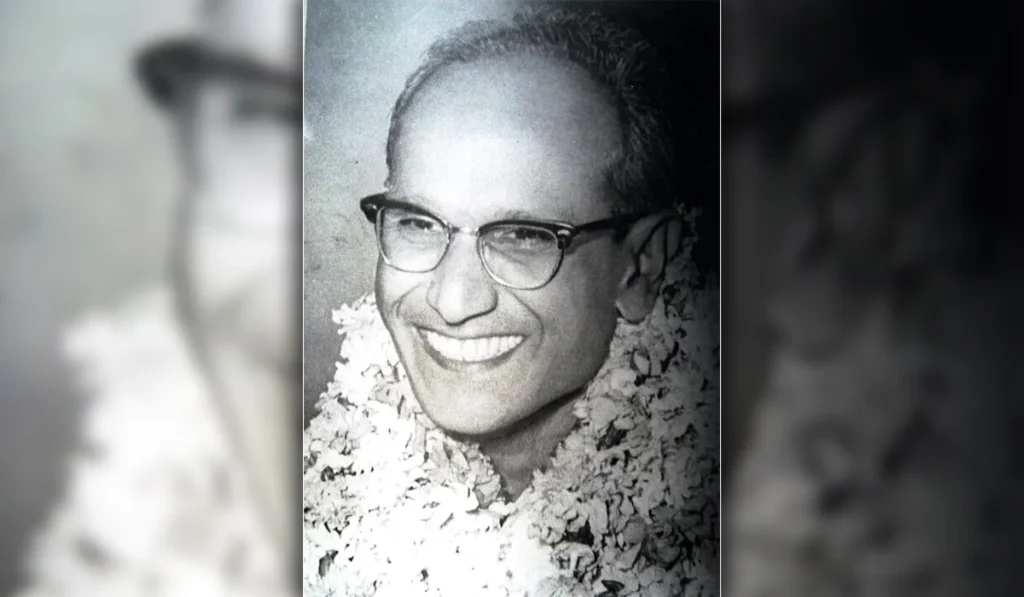
Kanpur was a big bastion of revolutionary activities at that time. B.K. Dutt soon came in contact with revolutionaries like Nepal Babu and became a member of the Hindustan Socialist Republican Association (HSRA). To propagate revolutionary ideas, he started a monthly newspaper named ‘Kranti’. Its editorial board includes B.K. Along with Dutt, leaders like Vijay Kumar Sinha, Santosh Kumar Mukherjee and Ajay Ghosh used to do revolutionary work.
Meeting and joint journey with Bhagat Singh before the assembly bomb incident
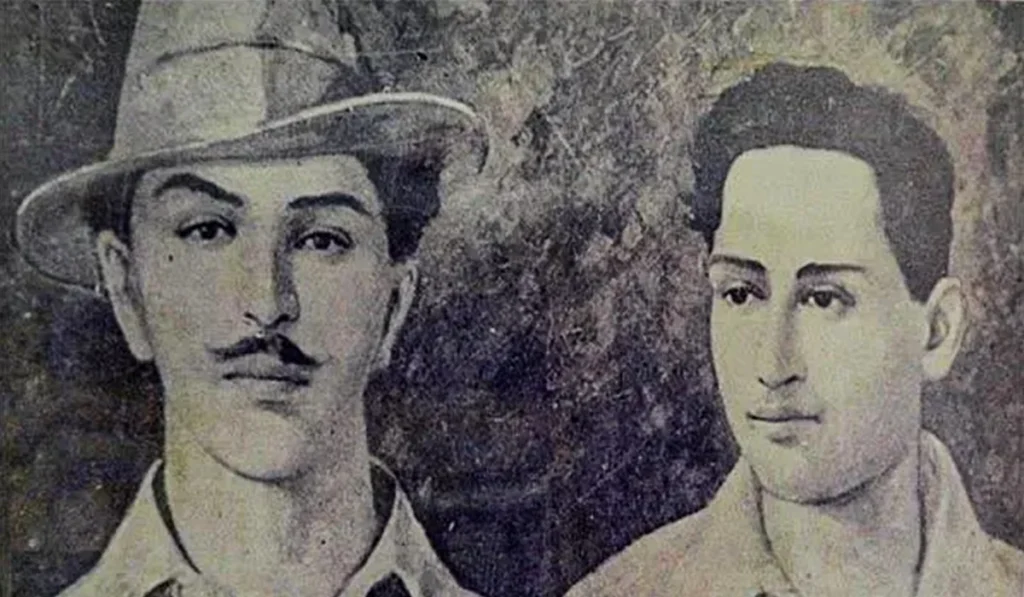
BK in Kanpur itself. Dutt met Bhagat Singh. This friendship proved to be historical. Bhagat Singh also started working in the newspaper. It was here that a group of warriors like Chandra Shekhar Azad, Ram Prasad Bismil, Shiv Verma and Jaidev Kapoor were formed, who brought glory to the British Empire. To meet the shortage of money for the purchase and sale of weapons, these revolutionaries carried out the ‘Kakori incident’, which gave sleepless nights to the British government.
In the year 1929, the British government was bringing two black laws ‘Trade Dispute Bill’ and ‘Public Safety Bill’, which were against the rights of workers and the general public. The revolutionary party decided that an explosion was needed to open the ears of the dumb government. On 8 April 1929, Bhagat Singh and B.K. Dutt threw smoke bombs in the Central Assembly of Delhi. Their aim was not to take anyone’s life, but to register protest. They were arrested while raising slogans of ‘Inquilab Zindabad’ and ‘Down with Imperialism’.
BK in black water jail Dutt went on 6 month long hunger strike
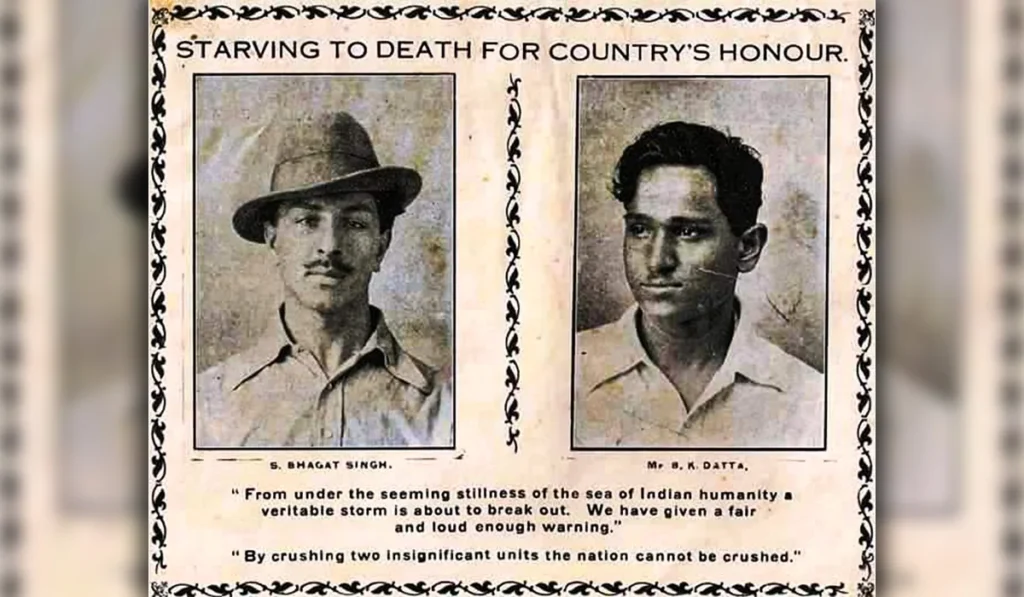
Both were sentenced to life imprisonment in the assembly bomb case. Bhagat Singh was sent to Lahore jail, where the Sanders murder case was tried against him, while B.K. Dutt was sent to the dreaded ‘Kale Pani’ jail (Cellular Jail) of Andaman. Dutt went on a 6-month long hunger strike against the poor treatment of political prisoners in jail and forced the British to surrender. Due to poor health, he was released in 1938, but he was arrested again in the ‘Quit India Movement’ of 1942.
Ungauli’s life and last days in independent India
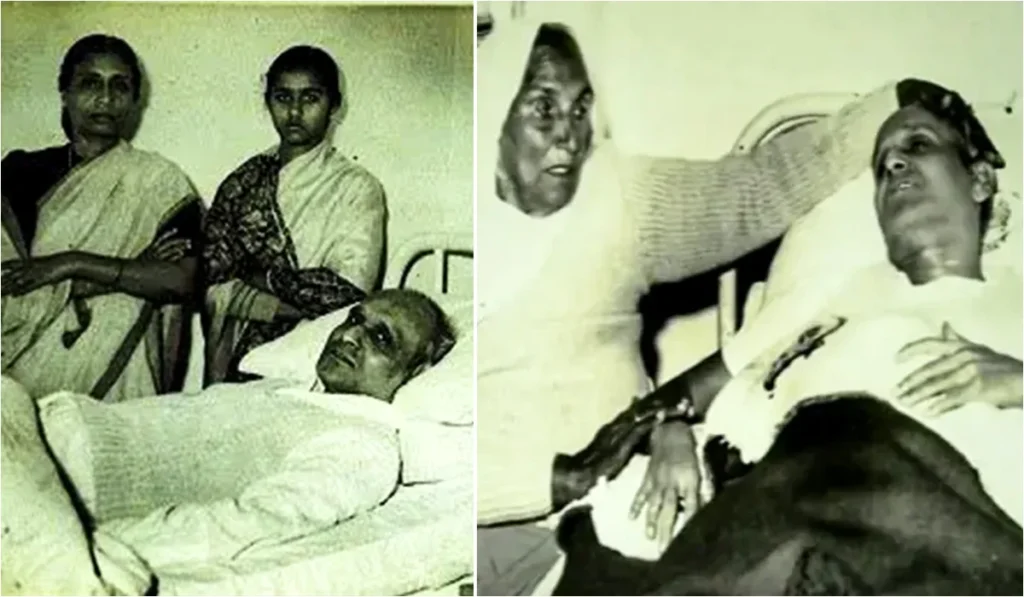
The country became independent on 15 August 1947, but unfortunately B.K. For a great warrior like Dutt, freedom had a different meaning. In the country for which he spent his youth in jails, he had to struggle for his livelihood. He raised his family by working as a bus conductor and in a biscuit factory in Patna. He even had to drive a rickshaw once. The rulers in power in the country did not understand his essence for a long time.
When Batukeshwar Dutt became seriously ill (cancer), the government woke up after a long time. He was admitted to AIIMS, Delhi. At that time, Shaheed Bhagat Singh’s mother Vidyavati ji was present there to take care of him. On July 20, 1965, this great revolutionary said goodbye to this mortal world.
B.K. Dat’s last wish
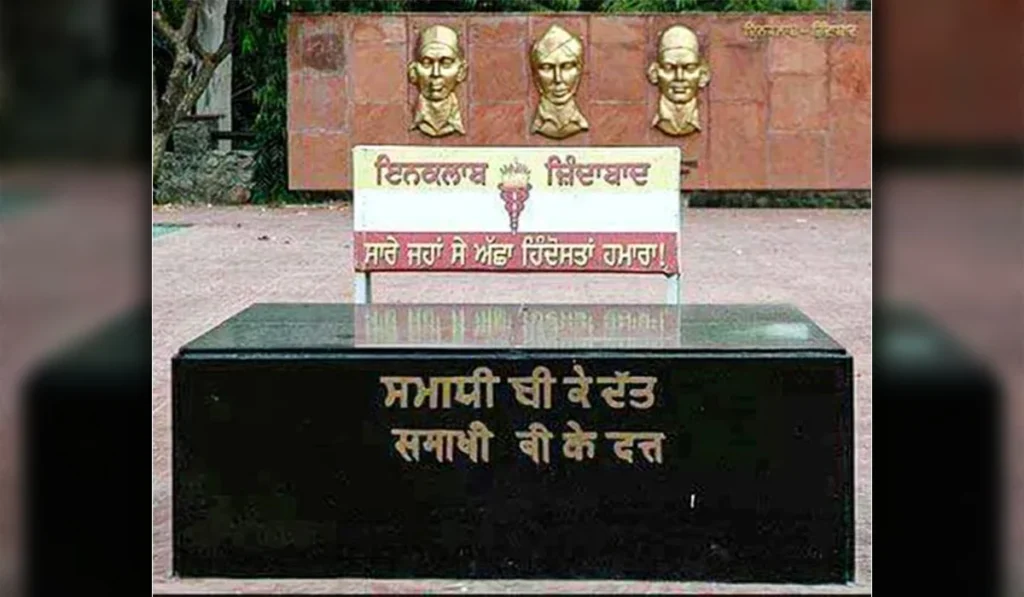
B.K. Dutt’s last wish was that he should be cremated near the mausoleum of his dearest friend Bhagat Singh. As per his wish, his last rites were performed near the mausoleums of Bhagat Singh, Rajguru and Sukhdev at Hussainiwala in Firozpur district of Punjab. Today his memorial is established at Hussainiwala, which reminds us that freedom is not achieved only by speeches, but by B.K. Found with the blood and sweat of warriors like Dutt.
The life of Batukeshwar Dutt teaches us that patriotism is selfless. He never asked for comforts and luxuries for himself. Today there is a need that we read the history of such unsung heroes and make the coming generations aware of their sacrifice. B.K. Dutt will always be the shining star of Indian revolutionary history.

Leave a Comment