
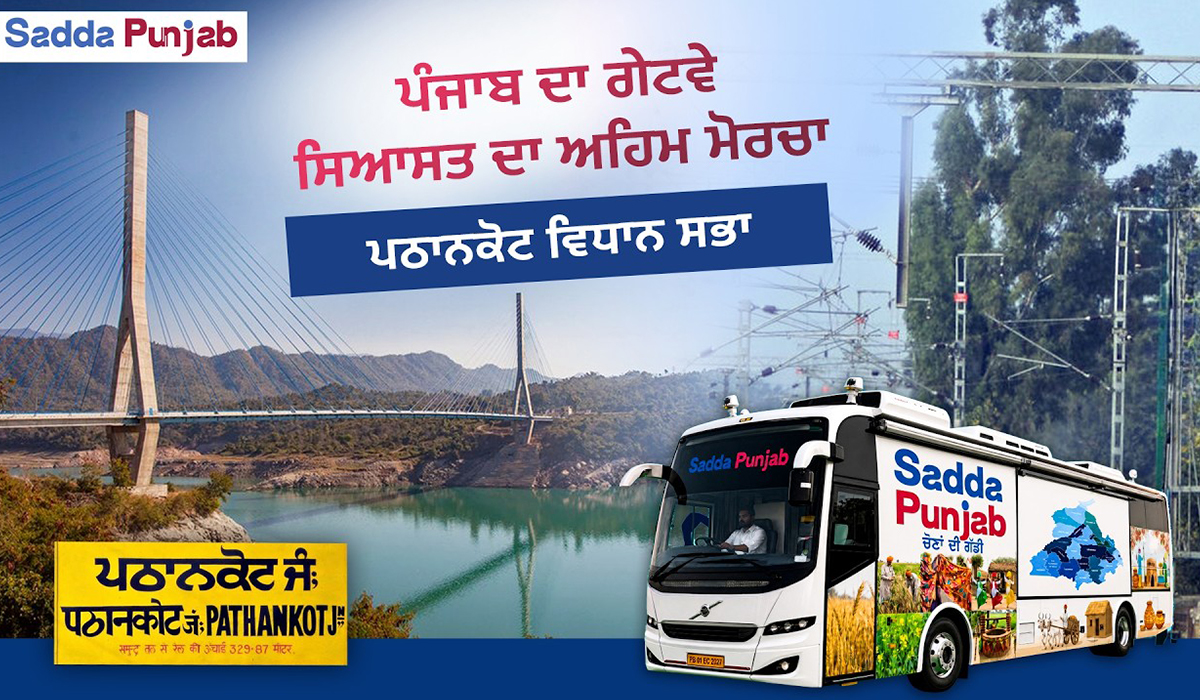

There is also one such assembly constituency in Punjab where, on one side, there is border vigilance, on the other side, routes leading to the mountains, and on the third side, a crucial link for traffic moving in and out of Punjab. Perhaps this is the reason that calling Pathankot just a city would not do justice to its real identity.
In the election caravan, we are talking about Pathankot Assembly Constituency No. 3.
Pathankot assembly constituency is a part of the Gurdaspur Lok Sabha constituency. Whether entering Punjab or traveling from Punjab towards Himachal Pradesh and Jammu & Kashmir, the journey of thousands of people passes through this city every day. This is the reason why Pathankot is also called the ‘Gateway’ of North India.

When the railway reached Pathankot, this city did not remain just a transport hub but also became a major center of trade between the hilly areas and Punjab. Wood, fruits, and other commercial goods coming from Himachal Pradesh and Jammu & Kashmir used to pass through Pathankot before reaching different parts of the country. But after 1947, the role of this city changed once again.
Due to its proximity to the border, this city became one of the important centers of the country’s security. Today, the Pathankot Air Force Station located here is one of the important forward airbases of the Indian Air Force.
Because of this, discussions about Pathankot are often heard not only in Punjab’s politics but also in news related to the country’s security. The terrorist attack on the Pathankot Air Force Station in the year 2016 once again brought the strategic importance of the entire area to the fore.
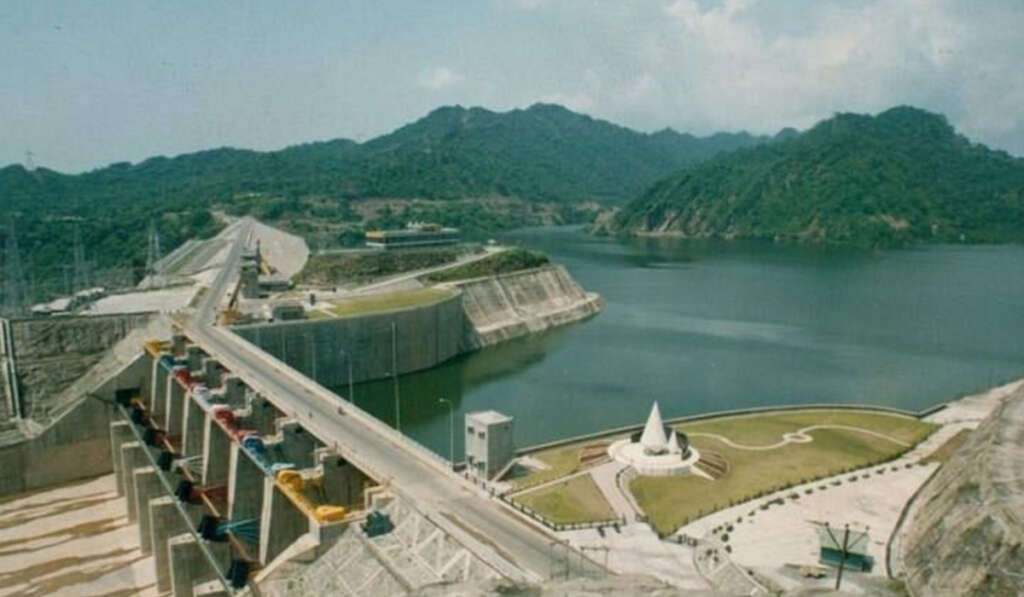
However, Pathankot’s identity is not limited to military infrastructure alone. The Mukteshwar Mahadev Temple situated on the banks of the Ravi River, Ranjit Sagar Dam, and the Shahpurkandi project also give this area a distinct identity on the religious, natural, and developmental map.
Pathankot Voter Statistics
In the Pathankot assembly constituency, about 82% of the population is urban and 18% is rural. The literacy rate is around 89%. The large presence of military establishments also influences the social and electoral picture of the constituency.

The Political Picture of Pathankot
There has been a direct contest between the Congress and the BJP in Pathankot for a long time. In 2022, BJP’s Ashwani Kumar Sharma defeated Congress’s Amit Vij by 7,759 votes, securing 43,132 votes. AAP’s Vibhuti Sharma also got 31,451 votes. The sitting MLA is Ashwani Kumar Sharma.
What are the issues of the people?
But elections are not won only by parties and candidates. The issues of the public also leave their mark on the election results every time. The question is, what are ultimately the biggest issues for the people of Pathankot?
The answer to this question is also linked to the geographical and social structure of Pathankot. Basic amenities of urban areas, roads, transport, employment, industry, and trade, along with facilities related to border areas, also become part of the electoral discourse here.
History and Interesting Facts
There are also some interesting facts related to Pathankot that give this assembly constituency a distinct identity from many other areas of Punjab.
Very few people know that the history of Pathankot is connected not only to the medieval period but also to the Mahabharata era.
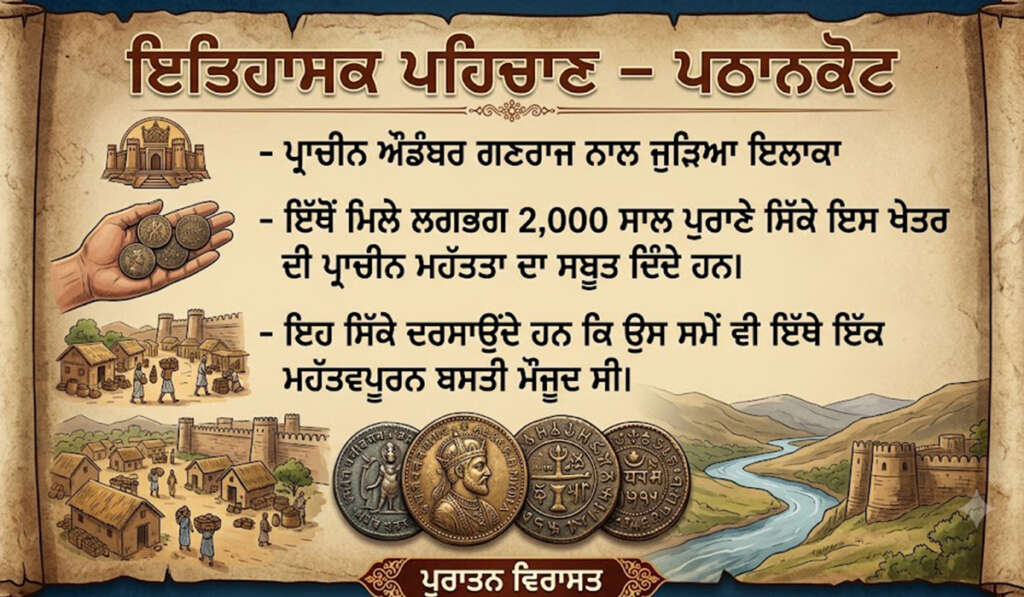
According to historians, this area was once a part of the ancient Audumbara Republic. The nearly two-thousand-year-old coins found here testify that this area was an important settlement even at that time.
Another interesting thing makes Pathankot different from most of the assembly constituencies of Punjab. Here, not only Punjabi but also Dogri and Pahari languages are a part of daily life.
Thus, the story of Pathankot is not just the story of an electoral constituency. It encapsulates within itself the border, security, routes leading to the mountains, trade, urbanization, history, religious places, and the changing political picture.
Leave a Comment