



The way women are portrayed in advertisements, music videos and other forms of entertainment is often treated as a matter of taste, preference or creative freedom. But the Punjab government has now made it clear that when women are depicted in an obscene or degrading manner, the issue may move beyond personal opinion and enter the realm of legal action.
Punjab’s Department of Social Security, Women and Child Development has expressed concern over several instances of objectionable representation of women in advertisements and has asked relevant platforms to refrain from publishing or broadcasting such content.
The department has made it clear that publication or transmission of such material may invite legal action.
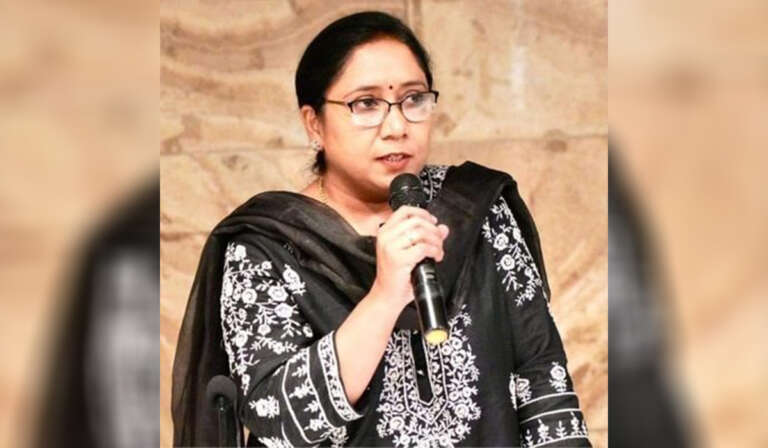
Punjab Social Security, Women and Child Development Minister Dr Baljit Kaur has directed strict administrative monitoring of the issue across the state. She has stressed that laws protecting the dignity of women should not be remembered only after a controversy erupts. Instead, objectionable content should be monitored proactively.
Referring to the Indecent Representation of Women (Prohibition) Act, 1986, Dr Baljit Kaur said the law prohibits the indecent or derogatory representation of women in advertisements and other forms of communication.
The department has instructed television channels, websites, web-based applications, newspapers and other audio-visual media platforms not to broadcast or publish content that portrays women in an obscene or degrading manner.
A significant aspect of these directions is that action need not begin only after a formal complaint is received.
Dr Baljit Kaur has asked all District Programme Officers in Punjab to take suo motu cognisance of such cases and, wherever required, ensure immediate legal action in coordination with the police.
Deputy Commissioners have also been asked to periodically review such cases at the district level. The matter will now also be reviewed regularly at the state level.
The initiative is significant because the question of how women are represented goes beyond advertisements that may cross a legal threshold.
For years, women have often been included in commercial content simply because their appearance is considered an easy way to attract attention. The same tendency can also be seen in popular music.
When a Woman Becomes Just a Visual Element
For years, questions have been raised about Punjabi songs and music videos that reduce women largely to their appearance, portray stalking as romance, or present controlling behaviour as an expression of love.
A 2019 analysis published by Feminism in India also questioned the representation of women in some popular Punjabi songs.
It highlighted examples in which women’s clothes and appearance were repeatedly viewed through the male gaze, persistent pursuit despite rejection was romanticised, and women were portrayed as demanding or as “gold diggers” in relationships or marriage.
The issue is not simply whether a particular song can be described as obscene.
The deeper question is what repeated portrayals of the same kind communicate.
When a woman’s appearance becomes her primary identity, her refusal is treated as something a man must “overcome”, and controlling or pressuring behaviour is presented as romance, such representations can influence the way relationships are imagined.
The issue becomes even more serious when children and teenagers form part of the audience.
An adult may watch a music video merely as entertainment and move on. But for younger viewers, such content can become part of how they understand attraction, relationships, consent and acceptable behaviour.
For that reason, the Punjab government’s latest directions cannot be viewed only through the narrow lens of advertising.
Similar Concerns Raised in Haryana
The issue is not confined to Punjab.
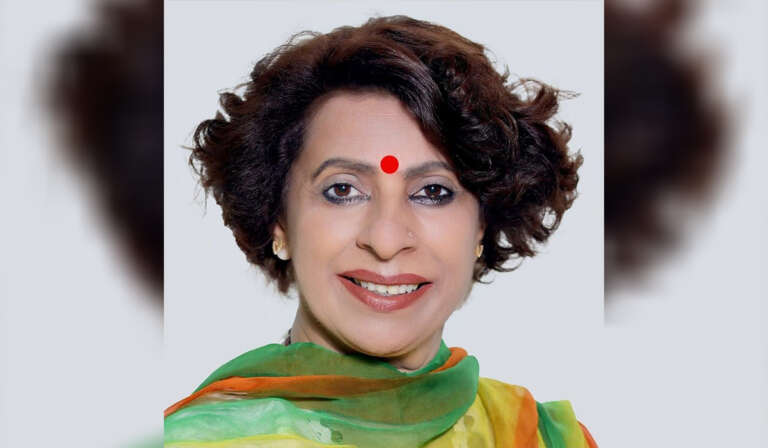
Renu Bhatia, Chairperson of the Haryana State Commission for Women, recently called for singers who promote gun culture, violence, abusive language and objectionable content through their songs to face bans of at least three years.
She wrote to Haryana Chief Minister Nayab Singh Saini, seeking action against controversial songs.
According to her, such content can have a harmful influence on young people, particularly school-going students.
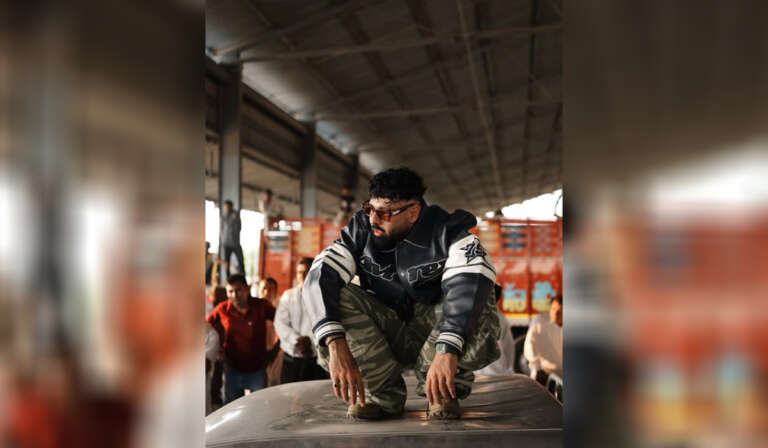
The issue came into focus following controversy surrounding Haryanvi singer and rapper Badshah’s song “Tateeree”.
Questions were raised over its lyrics, language, suggestive elements and the portrayal of girls wearing school uniforms.
Badshah later apologised before the National Commission for Women over the controversial song.
Renu Bhatia said the issue should not be limited to one singer or one language.
According to her, action should be taken against those promoting gun culture, violence or degrading language, whether they are Punjabi or Haryanvi artists.
This raises a broader question: Where should the line be drawn between creative freedom and social responsibility?
Punjab Has Acted Against Popular Singers Before
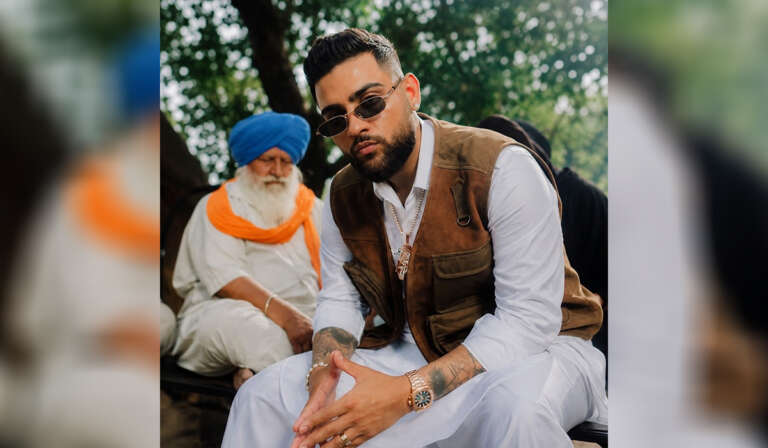
This is not the first time concerns over objectionable lyrics have triggered official action in Punjab.
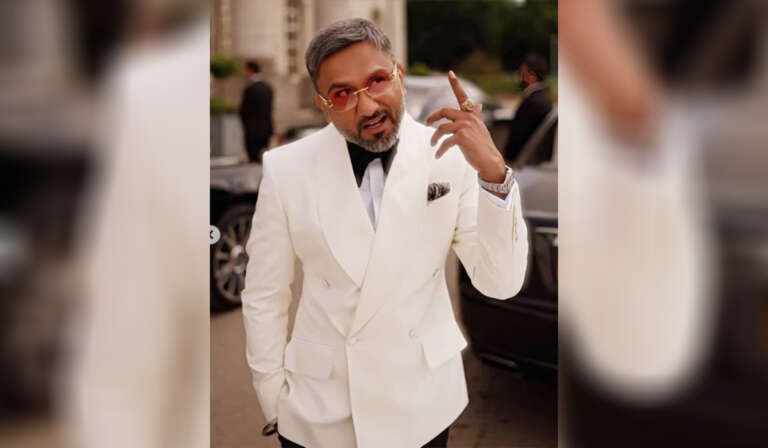
In August 2025, the Punjab State Commission for Women took suo motu cognisance of allegedly objectionable lyrics in songs by Karan Aujla and Yo Yo Honey Singh.
The commission wrote to the Punjab Director General of Police seeking an inquiry into songs that it described as objectionable and degrading towards women.
Notices were also issued to both singers.
The controversies surrounding Karan Aujla’s “MF Gabhru” and Honey Singh’s “Millionaire” once again drew attention to the kind of language used for women in widely consumed Punjabi music.
These cases matter because such content is not confined to a small audience.
Punjabi music has listeners not only across Punjab but around the world. A song can reach millions of people within days, while controversial lyrics can spread even faster through social media discussions and short-form video platforms.
A song becoming a hit, therefore, does not automatically establish that its content meets legal or social standards of responsibility.
Why Dr Baljit Kaur’s Directions Matter
This is where the latest directions issued by Dr Baljit Kaur’s department become significant.
The government has not left the issue entirely dependent on public complaints or social media controversies. Officials have been asked to monitor such cases themselves.
The instruction allowing District Programme Officers to take suo motu cognisance is an important part of this approach.
It means officials may not always have to wait for a formal complaint before initiating action.
Regular district-level reviews by Deputy Commissioners and state-level monitoring also indicate that the government does not intend to treat the issue as a one-off intervention.
For Dr Baljit Kaur’s department, the matter is not limited to a single advertisement or song. It concerns the broader protection of women’s dignity and the effective implementation of relevant laws.
The biggest challenge, however, will be determining where the legal boundary lies.
Not every representation that someone finds offensive necessarily constitutes an offence under the law.
Creative expression, advertising and entertainment can depict women in many different ways. But where content falls within categories prohibited by law, the matter is no longer merely one of personal taste. It becomes a question of accountability.
What Is Repeated Often Can Begin to Look Normal
It is difficult to measure the influence of popular culture through a single advertisement, song or music video.
A young person’s behaviour does not change simply because they watched one video.
But when the same images and narratives are repeated again and again, they can gradually begin to appear normal.
If women are repeatedly shown as bodies rather than individuals, stalking is portrayed as an act of love, or controlling behaviour is presented as romance, people may become less likely to question such ideas.
Responsibility, therefore, does not rest with the government alone.
Advertising companies, music labels, production houses, television channels and digital platforms all make choices about the kind of content they create and distribute.
Audiences also play a role through the content they choose to support, share and popularise.
The law can intervene when a legal boundary is crossed. But changing attitudes towards the representation of women will require more than notices and legal action.
The Punjab government’s latest initiative, led by Dr Baljit Kaur’s department, has brought this responsibility back into public discussion.
The next question is how seriously media and advertising platforms follow these directions, and how swiftly authorities respond when violations are identified.
An even larger question remains for the entertainment and advertising industries:
Before placing a woman on screen, will they ask whether she is being represented as a person, or merely being used to sell something?
The question is simple, but it lies at the heart of the entire debate over the representation of women.
Leave a Comment